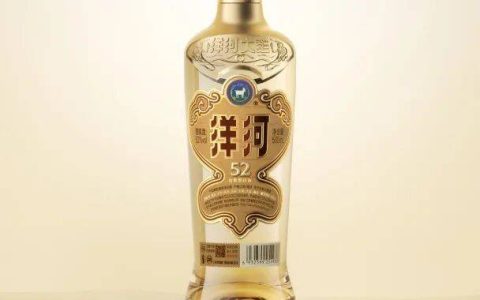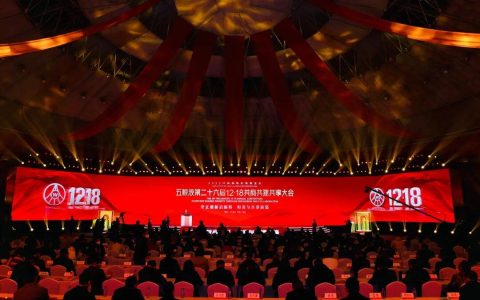

一杯威士忌,从茅台镇出发,经陶坛陈酿,再横跨太平洋进入波本橡木桶。这不是营销故事,而是一次从发酵逻辑开始的产业实验。9月12日,国台·尚牌用固态发酵,向全球威士忌产业投下了一枚“技术变量”。
9月12日,广州白云国际会议中心。国台・尚牌威士忌正式上市。
如果只看表面,这不过是一款新品的发布会。但放到中国威士忌产业从“萌芽”走向”爆发前夜”的时间轴上审视,这是一个值得被记录的时刻——中国威士忌第一次以“工艺定义者”而非”风味追随者”的身份,站上了全球烈酒竞技场。

一个等待被“重新定义”的市场
中国威士忌市场正处在一个微妙的历史节点。
根据中国酒业协会数据,2023年国内威士忌市场规模约55亿元,较上年增长10%。近十年间,这一数字增长了超过4倍。与此同时,威士忌消费人群正在经历一场代际更替——从”商务精英的社交货币”向”年轻人的日常陪伴”转变。
据WhiskyL!《2023年威士忌年度报告》,40岁以下消费者占比约74%,其中18-29岁占39%,年轻化已是确定性趋势。
规模在膨胀,人群在迭代,但品类的“中国表达”长期缺席。
在酒业时报看来,这正是国台・尚牌威士忌入场的战略窗口:一个高速增长的增量市场,一群不再迷信“西方即正统”的新生代消费者,恰好需要一款能够同时承载东方酿造智慧与国际品质标准的标杆产品来锚定这个赛道的价值坐标。

固态发酵:从“跟随”到”重写”的技术跃迁
全球威士忌产业过去两百年,本质上是一部“橡木桶技术史”——苏格兰人定义了桶陈,美国人定义了新橡木桶,日本人定义了调和的艺术。但很少有人追问:发酵环节,是否还有未被开垦的技术边疆?
国台・尚牌威士忌给出的答案是“有”。
西方威士忌走的是液态发酵:谷物糖化后与水混合,微生物在液体里完成代谢,周期短、效率高。中国白酒沿袭的则是固态发酵:粮谷蒸煮摊凉、拌入酒曲,让微生物直接在粮谷表面繁育。
两条路线的分野,在于微生物的生存环境——液态发酵代谢快、出酒周期短,固态发酵则多种菌群协同共生、慢速代谢,赋予酒体更复杂的风味层次。
国台・尚牌的突破在于:大曲高温固态发酵——中国白酒的看家工艺——第一次被成体系地带进了威士忌品类。这并非在威士忌的既有框架里做“风味加法”,而是从发酵逻辑的源头重写了一套工艺代码。
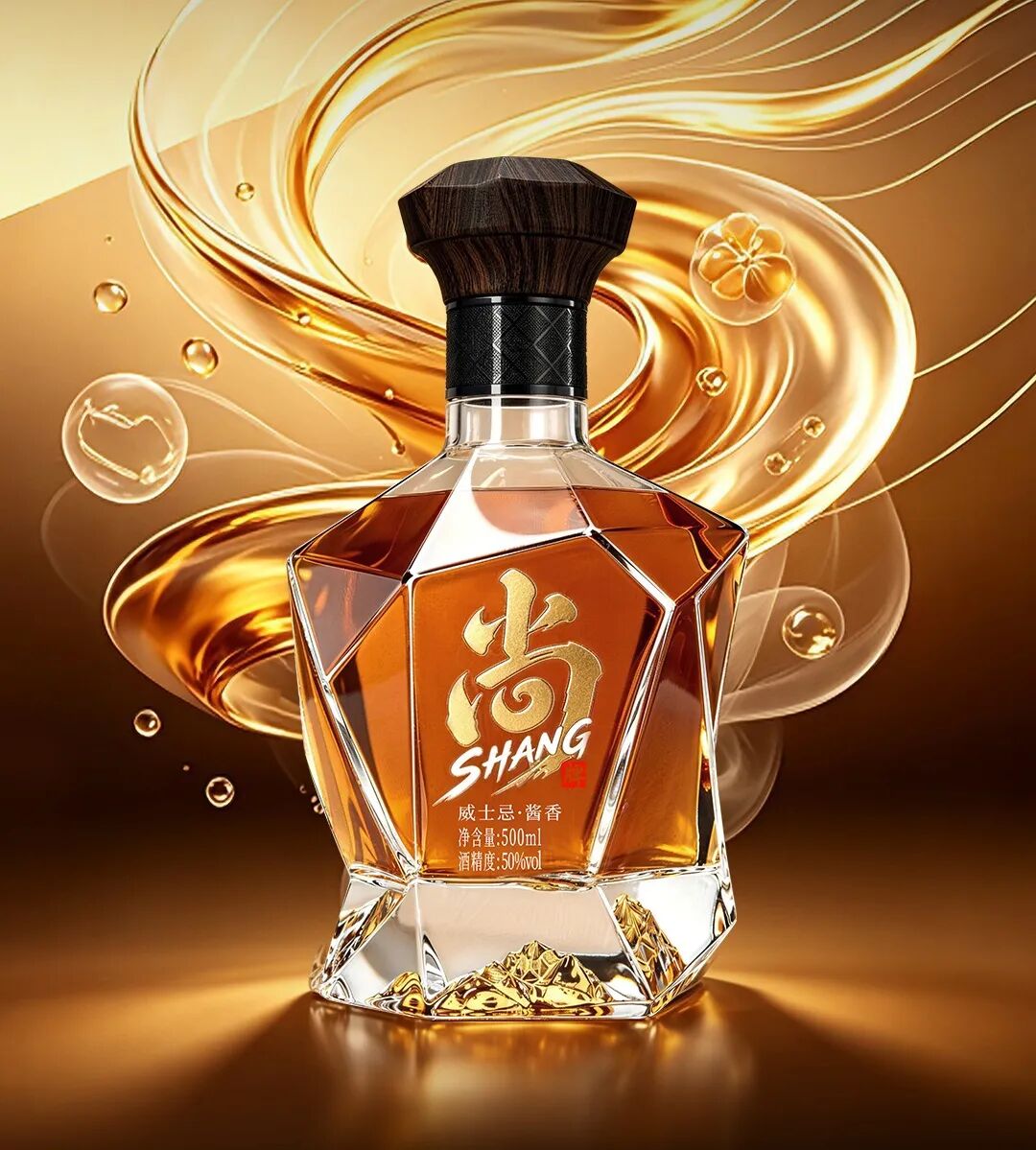
具体路径上,这是一条横跨太平洋的酿造线路:酒体在茅台镇特有的微生物环境中诞生,以特制高粱、小麦为原料,经高温大曲与开放式堆积、窖池发酵形成酱香型基酒,转入陶坛陈酿后,再远渡重洋至美国肯塔基州,在波本橡木桶中完成终段熟成,让橡木与花果香气融入酒液。风味层面,产品还依托一项美国发明专利(US11213766B1)对风味物质比例进行精准调控。
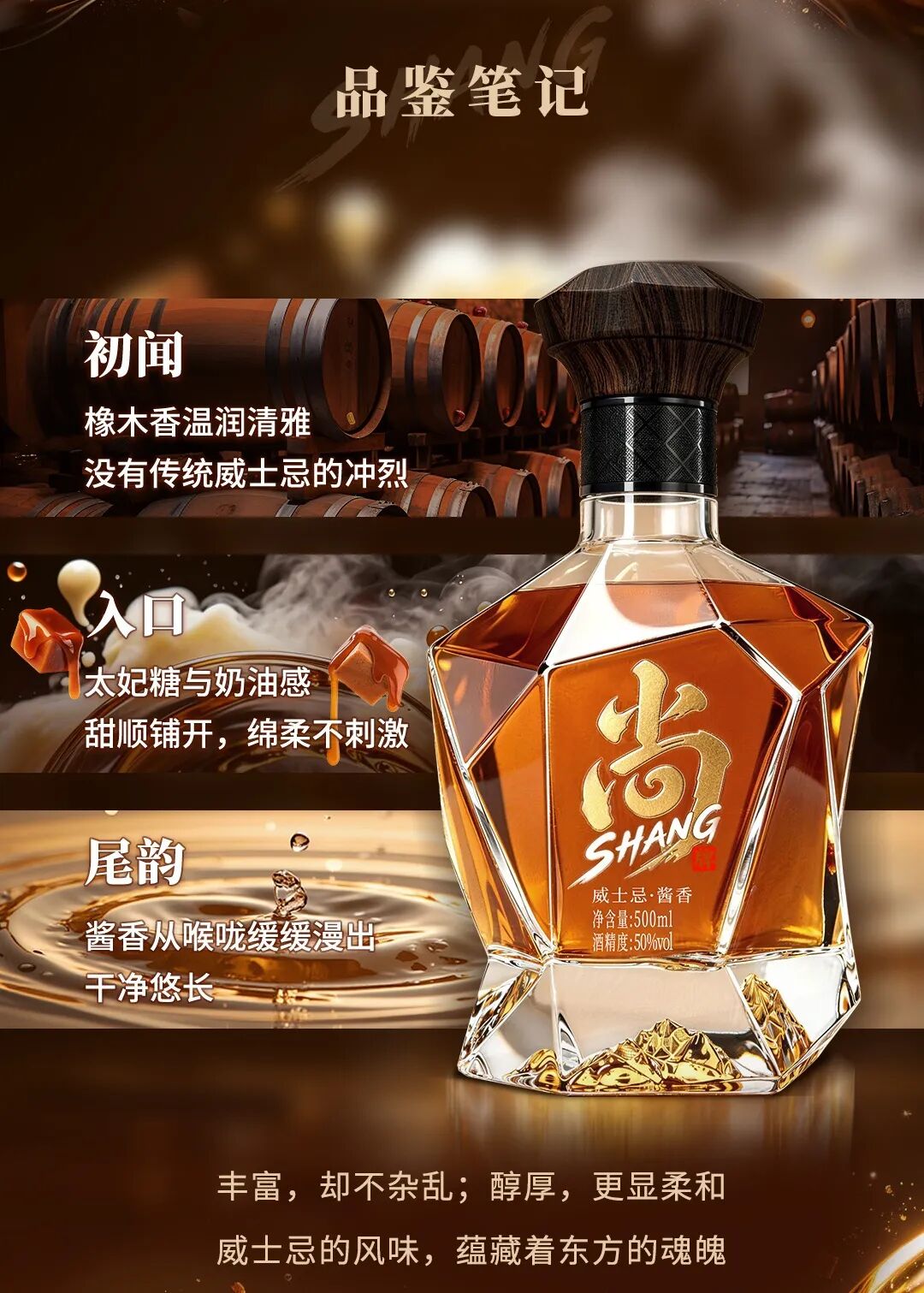
这不是简单的“酱酒+橡木桶”的拼贴,而是一次发酵逻辑层面的结构性重组——两种酿造传统从发酵、蒸馏到陈酿、调味的每一个环节,都在这瓶酒里完成了真正的交汇。

标准先行:一个品类的“出生证明”
一款产品的创新可以是一次商业尝试。但一个标准的建立,意味着一整个品类的诞生。
今年6月16日,中国轻工业联合会正式发布团体标准《固态酿造谷物威士忌》(T/CNLIC 0246-2026),这也是国内威士忌领域首个针对固态酿造工艺的专项标准。该标准由贵州国台数智酒业集团、中国食品发酵工业研究院等单位共同起草,专家组认定相关工艺已达到国际先进水平。
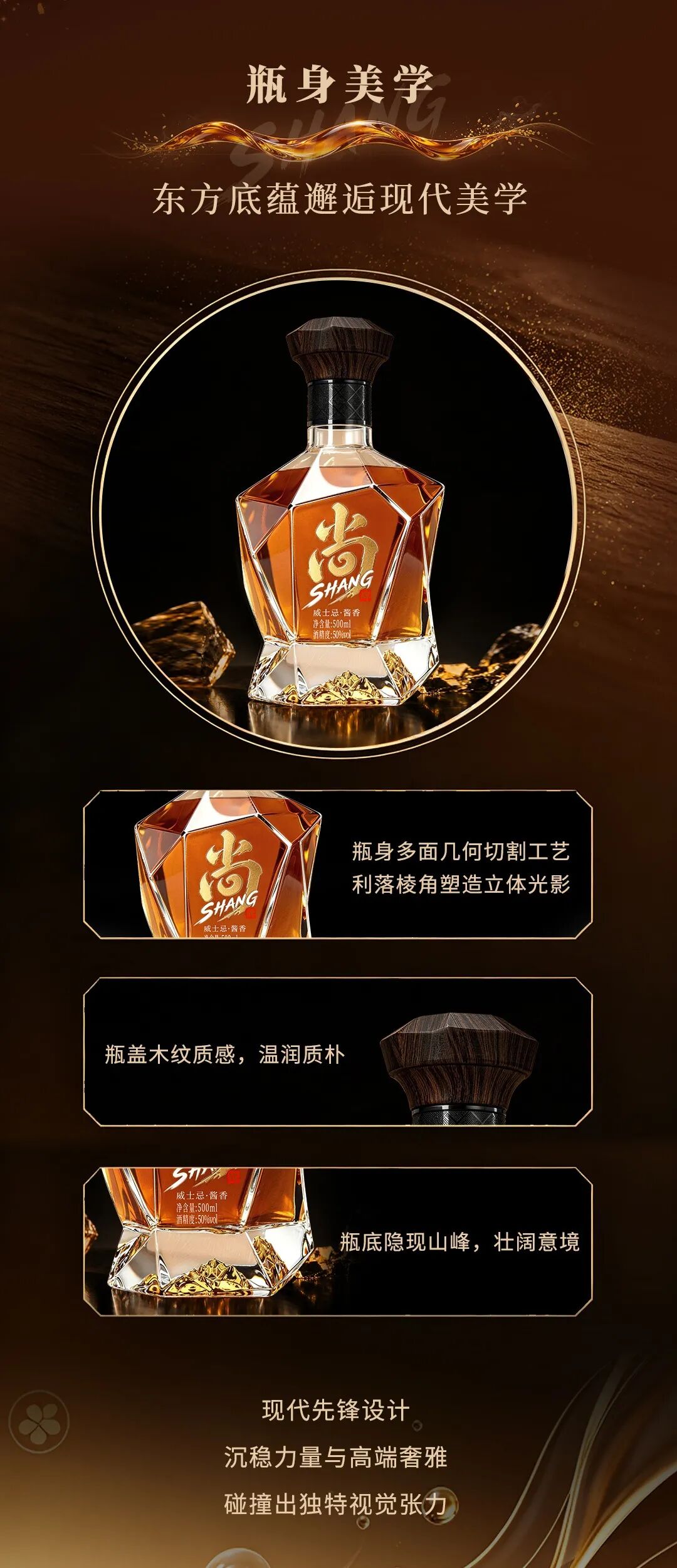
标准的出台,让“固态酿造威士忌”从一个营销概念变成了一个有据可依的技术品类。国台・尚牌不再只是一款创新产品,而是一个新赛道的事实开创者和标准制定者——这种”产品未动、标准先行”的路径,在中国威士忌产业中并不多见。
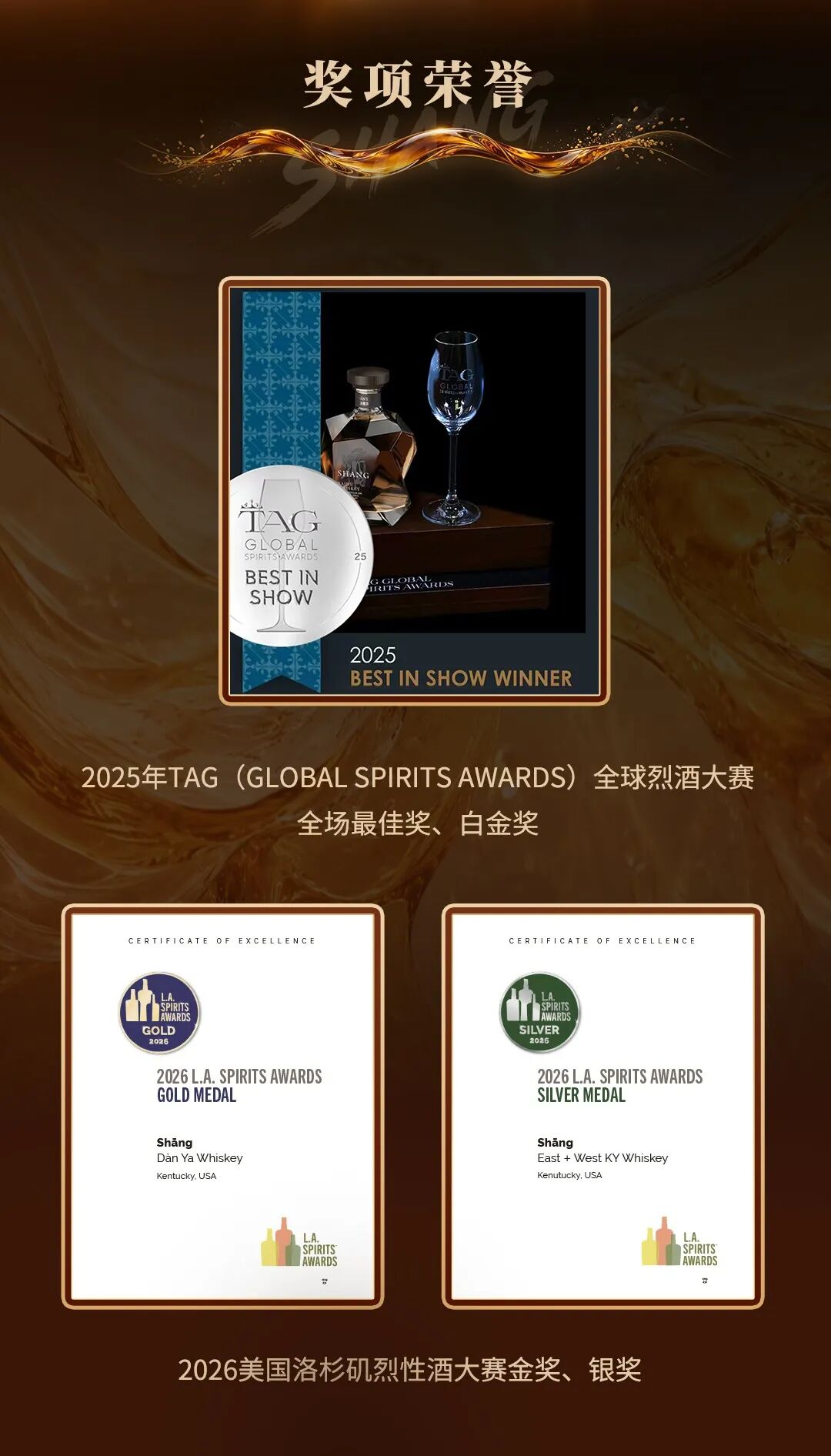
事实上,国台・尚牌的海外版“熵”(SHANG)已经先行登陆美国市场——淡雅酱香威士忌、东西合璧肯塔基调和款两款产品,定价区间45至65美元。据企业披露,该系列已斩获2025 TAG全球烈酒大赛”全场最佳奖”及白金奖,并在2026美国洛杉矶烈性酒大赛中摘得金奖。

“第三条道路”与中国威士忌的产业选择
当前中国威士忌产业正在多条路径上并行探索。有以百润股份为代表的“大众入门+产能扩张”模式,也有传统白酒企业跨界布局的尝试。
国台・尚牌选择的是一条差异化的路径:以白酒的固态发酵技术基因重新定义威士忌的风味骨架,以国际化的桶陈和品控体系完成品质闭环,以“中国尚、世界享”的品牌主张实现文化输出。
这条路径的背后,是天士力在数智中药领域积累的制药级质控标准,与国台智能酿造技术体系的系统性支撑。将制药级的品控逻辑应用于烈酒生产,这在全球威士忌产业中也是不多见的实践。
在酒业时报看来,9月12日的广州发布会,其意义远超一个品牌的营销动作。当中国威士忌市场正处于”产能集中释放期”——据中国酒业协会及行业研报数据,国内威士忌在建、投产及待建企业已增至45家,实际蒸馏产能4.5万千升,总规划产能瞄准25万千升——国台・尚牌的出现,为这个”中国威士忌时刻”注入了一个极具辨识度的技术符号。
它回答了一个关键问题:中国威士忌不需要成为“苏格兰的模仿者”或”日本的追随者”。它完全可以走出一条属于自己的技术路线——从发酵逻辑开始,重新定义一杯威士忌的诞生。
全球威士忌的版图,由西方执笔了数百年。9月12日之后,来自茅台镇的这一笔,将让世界看到另一种可能。
(本文综合公开行业资讯整理,信息/数据来源:中国金融信息网、东方财富、证券之星、中国酒业协会、尚普咨询、食品伙伴网等)
中国威士忌应该走“模仿国际”还是“开创自己”的道路?欢迎在评论区聊聊你的看法。
A glass of whisky, starting from Maotai Town, aged in clay jars, then crossing the Pacific Ocean into bourbon oak casks. This is not a marketing story, but an industrial experiment that begins with fermentation logic. On September 12, Guotai · Shang brand used solid-state fermentation to drop a “technological variable” into the global whisky industry.
On September 12, at the Guangzhou Baiyun International Convention Centre, Guotai · Shang whisky was officially launched. On the surface, this appears to be nothing more than a new product launch. But viewed against the timeline of China’s whisky industry moving from “embryonic” to “pre-explosion,” this is a moment worth recording – the first time Chinese whisky has stood on the global spirits stage as a “craft definer” rather than a “flavour follower.”
A Market Waiting to Be “Redefined”
The Chinese whisky market stands at a subtle historical juncture. According to China Alcoholic Drinks Association data, the domestic whisky market reached approximately RMB 5.5 billion in 2023, up 10% year-on-year. Over the past decade, this figure has grown more than fourfold. Meanwhile, the whisky consumer base is undergoing a generational transition – shifting from a “social currency for business elites” to an “everyday companion for young people.” According to WhiskyL!’s 2023 Whisky Annual Report, consumers under 40 account for approximately 74%, with the 18-29 age group representing 39%. Youthification is a confirmed trend.
The market is expanding, demographics are evolving, but the category’s “Chinese expression” has long been absent. In the view of JiuYe Times, this is precisely the strategic window for Guotai · Shang’s entry: a high-growth incremental market, a new generation of consumers no longer beholden to the notion that “the West equals orthodoxy” – precisely the moment when a benchmark product capable of embodying both Eastern brewing wisdom and international quality standards is needed to anchor the value coordinates of this category.
Solid-State Fermentation: A Technological Leap from “Following” to “Rewriting”
The global whisky industry over the past two centuries is essentially a “history of oak cask technology” – the Scots defined cask aging, the Americans defined new oak casks, and the Japanese defined the art of blending. But few have asked: is there still uncharted technical territory in the fermentation stage?
Guotai · Shang whisky answers with a “yes.” Western whisky follows liquid fermentation: after grain saccharification, it is mixed with water, and microbes complete their metabolism in the liquid – a short cycle with high efficiency. Chinese baijiu, by contrast, follows solid-state fermentation: grains are cooked, cooled, and mixed with starter cultures, allowing microbes to propagate directly on the grain surface. The divergence between the two paths lies in the microbial environment – liquid fermentation metabolises quickly with a short production cycle, while solid-state fermentation involves multiple microbial communities coexisting and metabolising slowly, imparting more complex flavour layers to the spirit.
Guotai · Shang’s breakthrough lies in the fact that high-temperature Daqu solid-state fermentation – the signature technique of Chinese baijiu – has been systematically introduced into the whisky category for the first time. This is not simply adding flavour elements to the existing whisky framework, but rewriting the process code from the source of fermentation logic.
The specific production route spans the Pacific: the spirit is born in Maotai Town’s unique microbial environment, using specially selected sorghum and wheat as raw materials. Through high-temperature Daqu, open stacking, and pit fermentation, a sauce-aroma base spirit is formed. After aging in clay jars, it crosses the ocean to Kentucky, USA, where it undergoes final maturation in bourbon oak casks, allowing oak and fruit-floral aromas to integrate into the liquid. On the flavour front, the product also leverages a US invention patent (US11213766B1) to precisely regulate the proportion of flavour compounds.
This is not a simple collage of “sauce-aroma liquor + oak casks,” but a structural reorganisation at the fermentation logic level – two brewing traditions, from fermentation and distillation to aging and blending, have achieved a genuine convergence in every stage of this bottle.
Standards First: A Category’s “Birth Certificate”
A product’s innovation can be a commercial experiment. But the establishment of a standard signifies the birth of an entire category.
On June 16 this year, the China National Light Industry Council officially released the group standard Solid-State Fermented Grain Whisky (T/CNLIC 0246-2026) – the first dedicated standard specifically targeting solid-state fermentation processes in China’s whisky sector. The standard was jointly drafted by Guizhou Guotai Digital-Intelligent Liquor Group, the China National Research Institute of Food and Fermentation Industries, and other institutions, with the expert panel confirming that the relevant technology has reached internationally advanced levels.
The standard’s release transforms “solid-state fermented whisky” from a marketing concept into a technology-based category with clear specifications. Guotai · Shang is no longer just an innovative product, but the de facto pioneer and standard-setter of a new category. This path of “standards before products” is rare in China’s whisky industry.
In fact, Guotai · Shang’s overseas version, “SHANG,” has already entered the US market – featuring two products, Elegant Sauce-Aroma Whisky and East-Meets-West Kentucky Blended Whisky, priced in the US$45–65 range. According to company disclosures, the series has won the “Best in Show” and a Platinum Award at the 2025 TAG Global Spirits Awards, as well as a Gold Award at the 2026 Los Angeles International Spirits Competition.
The “Third Path” and China’s Whisky Industry Choices
China’s whisky industry is currently exploring multiple paths in parallel. There is the “mass-market entry + capacity expansion” model represented by Bairun, as well as attempts by traditional baijiu enterprises to cross-category. Guotai · Shang has chosen a differentiated path: redefining the flavour structure of whisky with the solid-state fermentation DNA of baijiu, completing the quality loop through international barrel aging and quality control systems, and achieving cultural export with the brand proposition of “China’s Shang, enjoyed worldwide.”
Behind this path lies the systematic support of Tianshili’s pharmaceutical-grade quality control standards accumulated in the field of digital-intelligent traditional Chinese medicine, combined with Guotai’s intelligent brewing technology system. Applying pharmaceutical-grade quality control logic to spirits production is a rare practice in the global whisky industry.
In the view of JiuYe Times, the Guangzhou launch on September 12 carries significance far beyond a single brand’s marketing move. As China’s whisky market enters a “concentrated capacity release period” – according to China Alcoholic Drinks Association and industry research data, the number of domestic whisky distilleries in construction, operation, and planning has grown to 45, with actual distillation capacity of 45,000 kilolitres and total planned capacity targeting 250,000 kilolitres – the arrival of Guotai · Shang injects a highly distinctive technological symbol into this “Chinese whisky moment.”
It answers a crucial question: Chinese whisky does not need to be an “imitator of Scotland” or a “follower of Japan.” It can forge its own technological path – starting from fermentation logic, redefining the birth of a whisky.
The global whisky map has been written by the West for centuries. After September 12, this stroke from Maotai Town will show the world another possibility.
(This article is compiled from publicly available industry information. Sources/Data: China Financial Information Network, Eastmoney, Stockstar, China Alcoholic Drinks Association, Shangpu Consulting, Food Partner Network, etc.)
Should Chinese whisky follow the path of “imitating international standards” or “creating its own path”? Welcome to share your thoughts in the comments.
原创文章版权归本网所有;转载文章归原作者所有。发布者:酒业时报,转载请注明出处:https://www.thewinetimes.com/gongsi/12544