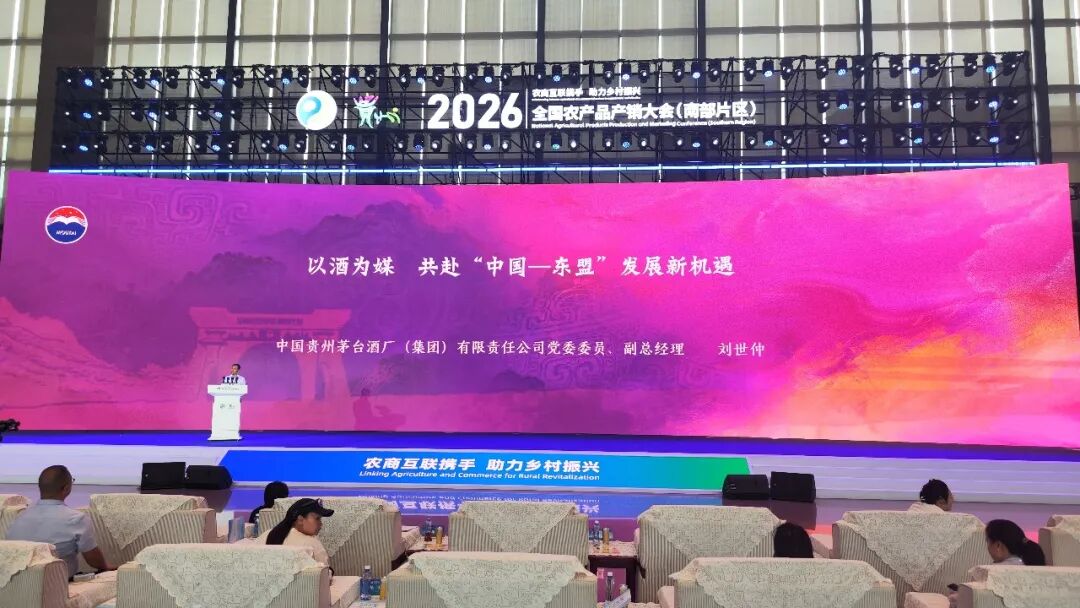
9月17日,2026年全国农产品产销大会(南部片区)在贵阳国际会议展览中心启幕。在以“生态好品,香飘世界”为主题的“出口中国—东盟生态好物品牌发布推介会”上,茅台集团党委委员、副总经理刘世仲以《以酒为媒,共赴中国——东盟发展新机遇》为题作了主题分享。
一个耐人寻味的细节是:茅台此番登台的“身份标签”,不是“中国白酒代表”,而是“中国生态好物”。
在酒业时报看来,这个身份的切换,可能比茅台在东盟市场销量增长4倍的数据本身更值得关注。它意味着,中国白酒出海正在经历一次从“文化叙事”到“生态叙事”的底层逻辑转换。
赤水河不是背景板,是茅台的“核心资产”
茅台此次在推介会上强调了三个关键词:生态为本、匠心为魂、开放为桥。“生态”被放在了首位。
这个排序不是修辞上的安排。
过去几年,茅台在赤水河流域累计投入超4亿元用于系统性生态保护,联动上下游共治,赤水河水质常年稳居地表水Ⅱ类及以上标准,中华沙鳅、鳗鲡等原生鱼类重新回到流域中。在能源端,2025年茅台采购绿电超过1.3亿千瓦时,实现茅台产区与和义兴产区绿色电力100%覆盖,厂区一年减碳约9.4万吨。

这些数字背后是一个关键认知:赤水河对茅台而言从来不是一道风景线,而是酿造的“基础设施”。
端午制曲、重阳下沙——茅台酒的生产节律与赤水河河水的清浊交替同频共振,大自然把酿造的时间表写进了水的颜色里。理解了这一点,就能理解为什么茅台会把生态保护当作“必答题”而非“附加题”。
而茅台在推介会上提到的全球白酒行业首个MSCI ESG A级评级,恰恰说明:国际资本市场衡量一家酒企核心竞争力的尺子,正在从财务报表延伸到生态账本。
48.5亿元海外营收的“另一面”
茅台出海的数据很漂亮。2025年,茅台国外市场营收48.5亿元,免税渠道销量翻番,东南亚市场销量同比增长超4倍,生肖酒海外销量同比增长135.5%。
但如果把镜头拉远,中国白酒出海的整体画面并不乐观。2025年全年,中国白酒出口量16791.86千升,同比增长2.5%,但出口额仅约8.93亿美元,同比下降7.6%,出口均价降至53.2美元/升,同比下滑9.9%。茅台一家企业的海外营收,几乎占据了中国白酒出口总额的大半壁江山。

换句话说,中国白酒的全球化,目前几乎就是“茅台一个人的远航”。
在酒业时报看来,这恰恰解释了茅台为什么要在“生态好物”这个坐标系里寻找新的话语权。当产品本身的口感壁垒难以在短期内说服海外消费者时,“生态”提供了一个更具普适性的价值锚点——它不需要消费者懂酱香、懂回沙、懂勾调,只需要消费者认同“好环境出好产品”这个朴素逻辑。
茅台正在提炼“会呼吸、有生命的酒”这一国际价值主张,本质上就是把复杂的酿造工艺翻译成了一种全球消费者都能理解的生态语言。这不是简单的品牌包装,而是一次从产品叙事到产地叙事的战略升维。
对标法国葡萄酒的启示:产地溢价的底层逻辑
如果把视线投向全球烈酒和葡萄酒版图,会发现一个有意思的对比。
法国波尔多葡萄酒之所以能在全球市场维持高溢价,核心在于“原产地命名控制”(AOC)制度将风土条件、生态标准与品牌价值牢牢绑定。消费者买一瓶波尔多,买的不仅是酒本身,更是那片土地的风土认证。根据法国葡萄酒行业数据,法国葡萄酒占全球葡萄酒贸易额的比例约为29%。
反观中国白酒,尽管产量占全球烈酒产量的相当份额,但出口额仅占全球烈酒贸易的2.4%,剔除华人消费后可能仅剩1%左右。
茅台此次在农产品产销大会上的亮相,实际上是在尝试一件更具战略纵深的事:把赤水河谷的生态禀赋,打造成中国白酒的“产地溢价”基石。
这比单纯在海外开设品鉴中心、赞助高尔夫赛事更具长期价值。前者是营销投入,后者是资产沉淀。
中秋前的一步棋:从“卖酒”到“卖产地”
值得注意的是,茅台此次亮相的时间节点颇为微妙——距离中秋国庆白酒消费旺季仅有两周。
2025年中秋期间,茅台终端动销同比增长超20%,在行业整体“旺季不旺”的背景下逆势走强。当国内市场的基本盘已经足够稳固时,茅台把目光投向更远处,在东盟、“一带一路”市场的布局节奏明显加快。
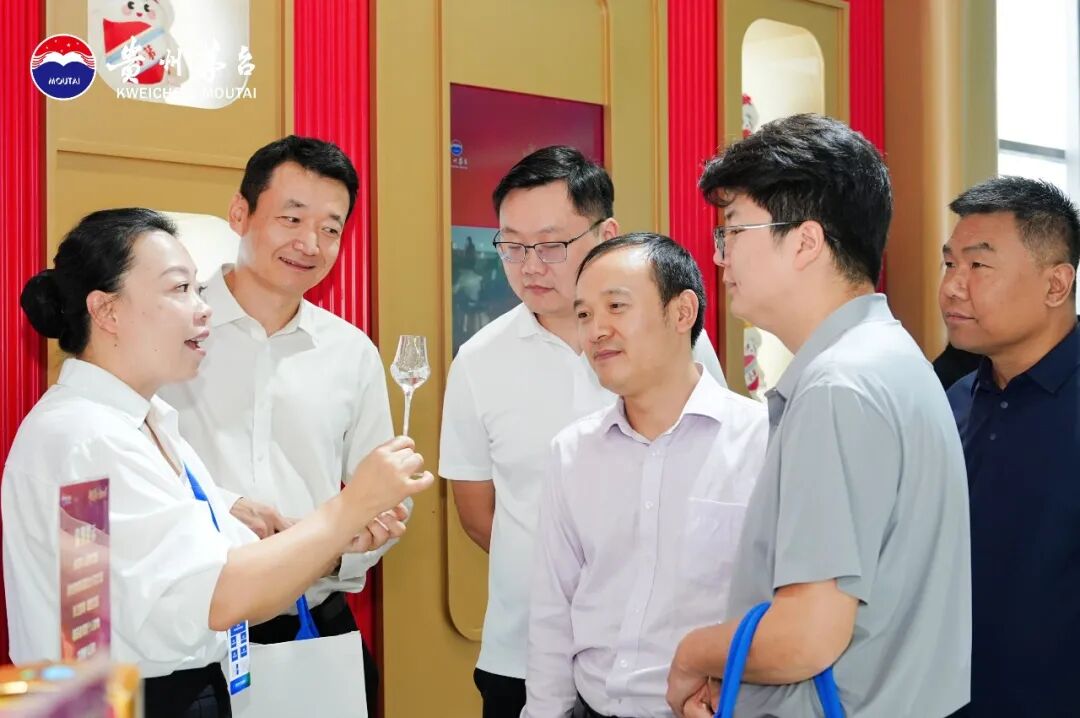
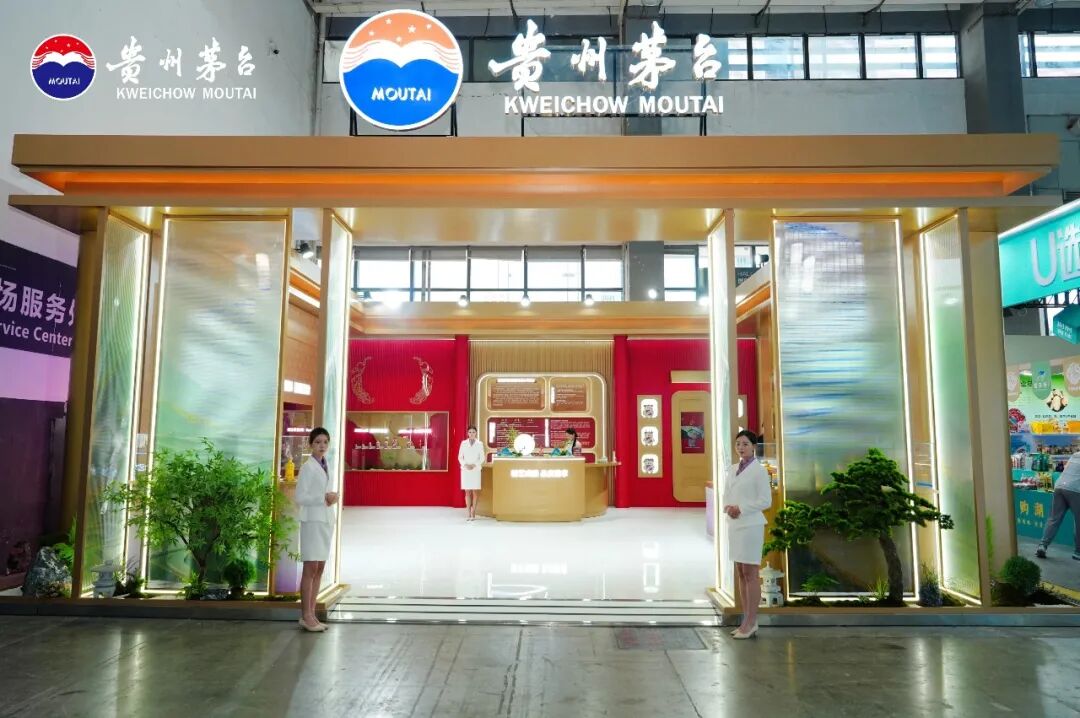
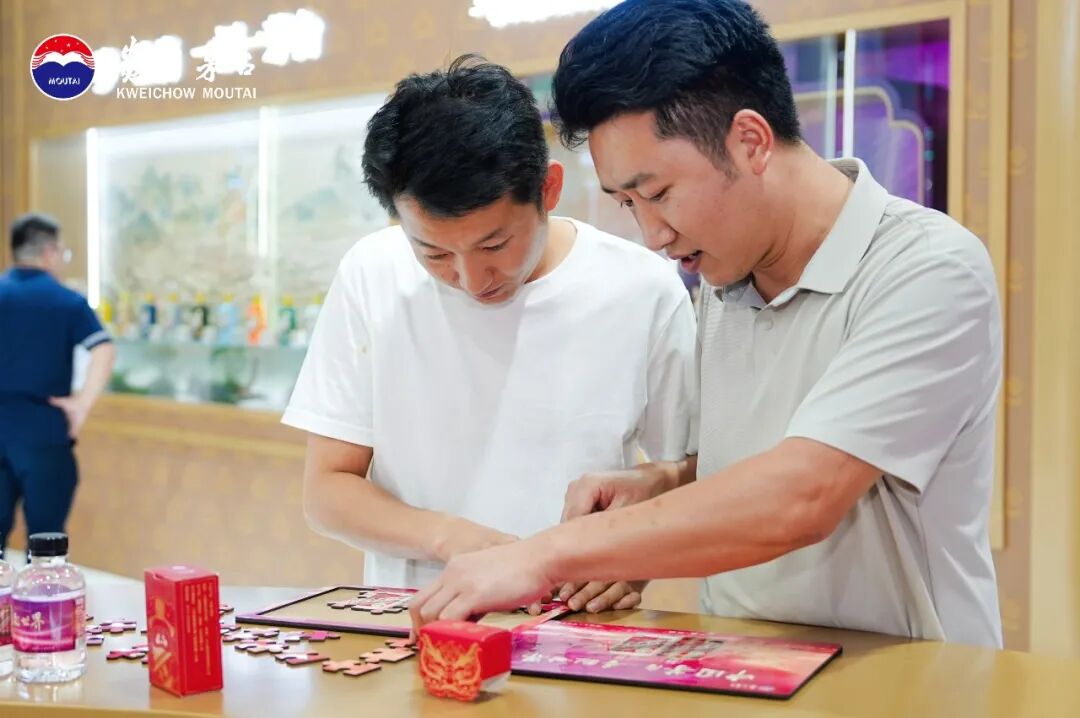
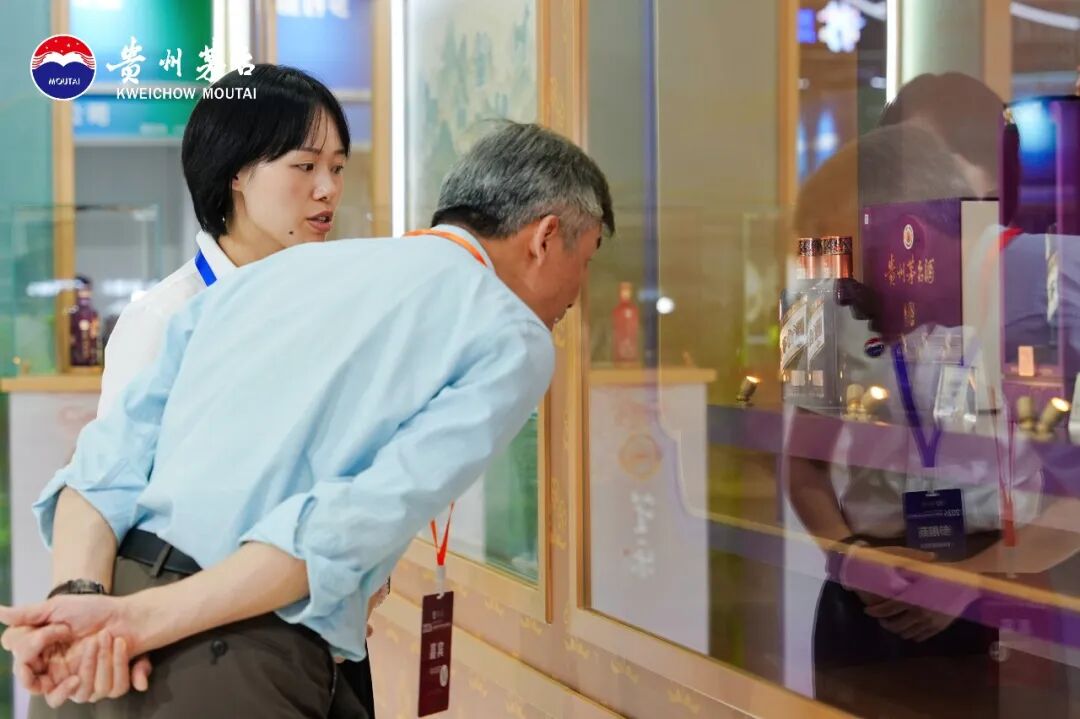
茅台展厅以“黔门迎天下一瓶见山河”为设计理念,将更多版面用于展现品牌文化,从“卖酒”向“卖生活方式”转变。推介会上,刘世仲明确表示,茅台将“以本次全国农产品产销大会为契机,持续深化与东盟市场的对接合作,发挥品牌示范带动作用,助力更多贵州生态好品走向世界”。
在酒业时报看来,茅台这步棋的深意在于:它不再把自己定位为“一款出口的白酒”,而是“一个生态产区的代言人”。
当茅台以“生态好物”的身份与贵州刺梨、兴仁薏仁米、朵贝毛尖等一同出现在东盟采购商面前时,它承担的角色已经超出了企业自身的商业利益——它实际上在为整个贵州乃至中国南方的生态产品出海,提供品牌信用背书。
这种“以大带小”的出海范式,或许比单打独斗的品牌推广更具可持续性。
体系化深耕:国际化没有捷径
茅台管理层对国际化有清醒的判断。公司已将国际化战略明确为“三步走”:第一步“出口”,让产品走出去;第二步“出海”,输出品牌与文化;第三步“国际化”,使企业的视野格局、标准规则与国际接轨。
2026年,茅台编制完成了《2026—2030年贵州茅台酒国际市场市场化转型方案》,明确从“渠道驱动”向“消费者驱动”转型。在产品端,茅台计划构建“金字塔”型国际产品矩阵,以53度飞天茅台为塔基,精品茅台及海外文化版为塔尖,同时探索开发低度茅台酒国际版,作为融入海外主流消费群体的主力品类。
在酒业时报看来,这套体系化打法的核心逻辑是:中国白酒的国际化,不能靠“一波流”的营销攻势,而是要靠“一代人”的消费培育。
从赤水河的生态守护,到东南亚市场的渠道深耕,再到“茅台之夜”等文化IP的持续运营,茅台正在用长期主义的耐心,为白酒出海铺设一条从“华人圈”通往“主流圈”的路。
这条路注定漫长,但方向已经清晰。正如茅台在ESG报告中所呈现的——茅台从赤水河获得了不可复制的酿造环境,也将自己变成了这条河最持久的守护者。这种“共生”逻辑,或许正是中国品牌走向世界最需要的底层价值观。
On September 17, the 2026 National Agricultural Products Production and Marketing Conference (Southern Region) opened at the Guiyang International Conference and Exhibition Centre. At the “Export to China-ASEAN Ecological Premium Products Brand Release and Promotion Event,” themed “Ecological Quality Products, Fragrance Across the World,” Liu Shizhong, Party Committee Member and Deputy General Manager of Moutai Group, delivered a keynote sharing titled “Using Liquor as a Medium to Embrace New Opportunities in China-ASEAN Development.”
A telling detail: Moutai’s “identity label” on this occasion was not “representative of Chinese baijiu,” but “China’s ecological premium product.”
In the view of JiuYe Times, this identity switch may be more noteworthy than the data showing Moutai’s sales in the ASEAN market grew fourfold. It signifies that Chinese baijiu’s going-global is undergoing a fundamental logic shift — from “cultural narrative” to “ecological narrative.”
The Chishui River Is Not a Backdrop — It Is Moutai’s “Core Asset”
At the promotion event, Moutai emphasised three keywords: ecology as the foundation, craftsmanship as the soul, and openness as the bridge. “Ecology” was placed first.
This ordering is not a rhetorical arrangement.
Over the past few years, Moutai has invested over RMB 400 million cumulatively in systematic ecological protection in the Chishui River basin, coordinating upstream and downstream governance. The water quality of the Chishui River has consistently remained at Grade II or above for surface water standards, and native fish species such as the Chinese loach and eel have returned to the basin. On the energy side, in 2025 Moutai purchased over 130 million kilowatt-hours of green electricity, achieving 100% green electricity coverage at both the Moutai production region and the Heyi Xing production region, reducing carbon emissions at its facilities by approximately 94,000 tonnes per year.
Behind these figures lies a key recognition: for Moutai, the Chishui River has never been merely a scenic view — it is the “infrastructure” of brewing.
Starter-making at the Dragon Boat Festival, grain loading at the Double Ninth Festival — Moutai’s production rhythm resonates in unison with the alternating clarity and turbidity of the Chishui River’s waters. Nature has written the brewing timetable into the colour of the water. Understanding this explains why Moutai treats ecological protection as a “mandatory question” rather than a “bonus question.”
The MSCI ESG A rating — the first in the global baijiu industry — mentioned by Moutai at the promotion event, precisely demonstrates that the yardstick by which international capital markets measure a distillery’s core competitiveness is extending from financial statements to ecological ledgers.
The “Other Side” of RMB 4.85 Billion in Overseas Revenue
Moutai’s going-global figures are impressive. In 2025, Moutai’s overseas market revenue reached RMB 4.85 billion, duty-free channel sales doubled, ASEAN market sales grew more than fourfold year-on-year, and zodiac liquor overseas sales increased 135.5% year-on-year.
But if we pull the camera back, the overall picture of Chinese baijiu going global is not optimistic. In the full year of 2025, China’s baijiu export volume was 16,791.86 kilolitres, up 2.5% year-on-year, but export value was only approximately US$893 million, down 7.6% year-on-year, with the average export price falling to US$53.2 per litre, down 9.9% year-on-year. Moutai’s overseas revenue alone accounts for nearly half of China’s total baijiu export value.
In other words, the globalisation of Chinese baijiu is currently almost “Moutai’s solo voyage.”
In the view of JiuYe Times, this precisely explains why Moutai is seeking new discourse power within the coordinate system of “ecological premium products.” When the taste barrier of the product itself is difficult to overcome in persuading overseas consumers in the short term, “ecology” provides a more universally applicable value anchor — it does not require consumers to understand sauce-aroma, grain-loading, or blending; it only requires consumers to accept the simple logic that “a good environment produces good products.”
Moutai is distilling the international value proposition of “a wine that breathes, a wine with life,” essentially translating complex brewing techniques into an ecological language that global consumers can understand. This is not simple brand packaging, but a strategic elevation from product narrative to origin narrative.
Insights from Benchmarking French Wine: The Underlying Logic of Origin Premium
If we cast our gaze across the global spirits and wine landscape, an interesting comparison emerges.
The reason Bordeaux wines can maintain high premiums in the global market lies primarily in the “Appellation d’Origine Contrôlée” (AOC) system, which firmly binds terroir conditions, ecological standards, and brand value together. When consumers buy a bottle of Bordeaux, they are buying not just the wine itself, but the terroir certification of that land. According to French wine industry data, French wines account for approximately 29% of global wine trade value.
By contrast, Chinese baijiu, despite accounting for a substantial share of global spirits production, represents only 2.4% of global spirits trade value in exports — and potentially only around 1% after excluding consumption by ethnic Chinese communities.
Moutai’s appearance at this agricultural products production and marketing conference is, in effect, an attempt at something with greater strategic depth: forging the ecological endowment of the Chishui River valley into the cornerstone of “origin premium” for Chinese baijiu.
This holds more long-term value than simply opening overseas tasting centres or sponsoring golf tournaments. The former is marketing expenditure; the latter is asset accumulation.
A Move Before Mid-Autumn: From “Selling Liquor” to “Selling Origin”
Notably, the timing of Moutai’s appearance was rather delicate — just two weeks before the Mid-Autumn and National Day baijiu consumption peak season.
During the 2025 Mid-Autumn period, Moutai’s terminal sell-through grew over 20% year-on-year, strengthening against the trend amid an industry-wide backdrop of a “weak peak season.” With its domestic market foundation already solid enough, Moutai is setting its sights further afield, with a noticeably accelerated pace of deployment in ASEAN and “Belt and Road” markets.
Moutai’s exhibition hall, designed around the concept “Guizhou’s Gate Welcomes the World, One Bottle Reveals Mountains and Rivers,” devotes more space to showcasing brand culture, shifting from “selling liquor” to “selling a lifestyle.” At the promotion event, Liu Shizhong explicitly stated that Moutai will “take this National Agricultural Products Production and Marketing Conference as an opportunity to continuously deepen docking and cooperation with the ASEAN market, leverage its brand demonstration and driving role, and help more Guizhou ecological premium products go global.”
In the view of JiuYe Times, the deeper meaning of Moutai’s move lies in this: it no longer positions itself as “an exported baijiu,” but as “a spokesperson for an ecological production region.”
When Moutai appears before ASEAN buyers under the identity of “ecological premium product” alongside Guizhou roxburgh rose, Xingren coix seed, and Duobei Maojian tea, its role has already exceeded the company’s own commercial interests — it is, in effect, providing brand credibility endorsement for the going-global of ecological products from all of Guizhou and even southern China.
This “large leading small” going-global paradigm may be more sustainable than solo brand promotion.
Systematic Deep Cultivation: No Shortcuts in Internationalisation
Moutai’s management has a clear-headed assessment of internationalisation. The company has defined its internationalisation strategy as a “three-step process”: the first step is “export,” letting products go out; the second step is “going global,” exporting brand and culture; and the third step is “internationalisation,” aligning the enterprise’s vision, standards, and rules with international norms.
In 2026, Moutai completed the “2026–2030 Kweichow Moutai International Market Market-Oriented Transformation Plan,” explicitly shifting from “channel-driven” to “consumer-driven.” On the product side, Moutai plans to build a “pyramid” international product matrix, with 53% Feitian Moutai as the base and Premium Moutai and overseas cultural editions at the apex, while also exploring the development of an international version of lower-ABV Moutai as the主力 category for integrating into mainstream overseas consumer groups.
In the view of JiuYe Times, the core logic of this systematic approach is: the internationalisation of Chinese baijiu cannot rely on a “one-wave” marketing offensive, but on “a generation’s” consumer cultivation.
From ecological guardianship of the Chishui River, to deep channel cultivation in the ASEAN market, to the continuous operation of cultural IPs such as “Moutai Night,” Moutai is using long-termist patience to pave a road for baijiu going global — from “Chinese communities” to “mainstream circles.”
This road is destined to be long, but the direction is already clear. As presented in Moutai’s ESG report — Moutai has obtained an irreplaceable brewing environment from the Chishui River, and has also made itself the river’s most enduring guardian. This “symbiosis” logic may be precisely the underlying value system that Chinese brands need most as they go global.
原创文章版权归本网所有;转载文章归原作者所有。发布者:酒业时报,转载请注明出处:https://www.thewinetimes.com/gongsi/12801