三季报数字不少,先看一条容易被利润盖住的线:中高端以上产品销量299.4万千升,同比增长2%。在行业总量低位盘整的背景下,这条线比营收利润更能说明结构在起作用。
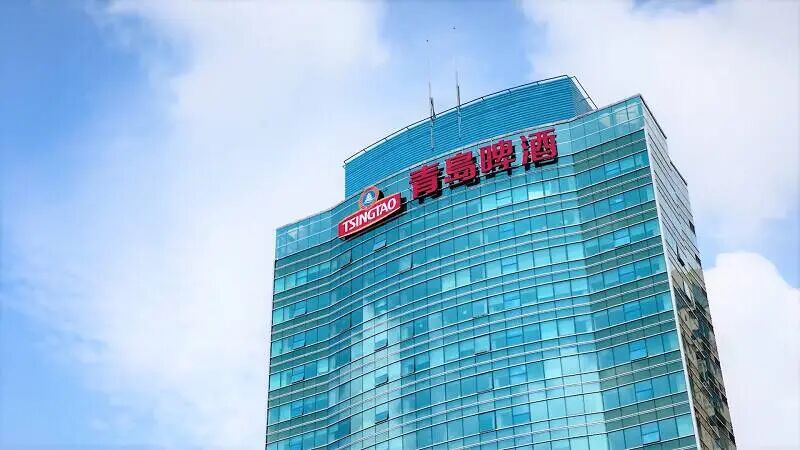
10月28日,青岛啤酒发布2026年三季报:产品销量646.5万千升,营业收入280.4亿元,归母净利润50.5亿元。数字摆在一起,稳是底色。但真正值得拆开看的,是销量结构里那条不太起眼的线——主品牌中高端以上产品卖了299.4万千升,同比增长2%。
国家统计局数据显示,前三季度规模以上啤酒产量2894.7万千升,行业总量仍在低位盘整。总量增长空间收窄,结构优化就成为重要增量来源。
岛啤酒这2%,放在前几年两位数增长的环境里并不突出,放到当下的存量市场,足以证明产品卡位正在变得更精准。
酒业时报认为,这一轮产业调整的核心逻辑,不是单纯依靠提价拉动增长,而是让产品适配多元消费场景,找准自身的目标人群与使用时机。
先把“鲜”做成产品力,再把“准”落到场景里
青岛啤酒年内产品动作中,生鲜是一条核心主线。
生鲜产品销量持续走高,背后是原浆、鲜啤这类对鲜度高度依赖的短保品类持续放量。中银国际行业报告预判,精酿、原浆、鲜啤等高附加值品类长期零售规模有望突破2000亿元。鲜啤早已不是新概念,真正的难点,是把“鲜”稳定做成常态化生意。
4月21日,青岛啤酒集中落地三大产品动作:1903升级、经典焕新、轻干系列首发。
轻干的卖点清晰:每100毫升热量仅29千卡,约为同等重量苹果热量的56%;“0糖”不靠代糖包装概念,而是从酿造源头削减酒体糖分。1903焕新补齐场景短板,拉环盖设计直击露营、野餐、户外即饮需求,直接拿掉开瓶器的使用门槛。白啤继续保持双位数增长,承接精酿化、风味化的品质消费需求。
酒业时报认为,鲜度是必须依靠渠道网络托底的硬产品力,绝非一句营销口号。产品端把“鲜”打磨到位,渠道端必须具备稳定履约配送能力,二者缺一不可。
渠道把“鲜”送到最后一公里,场景才真正成立
三季报里还有一行容易被业绩掩盖的关键信息:线上业务、即时零售业态及现代零售渠道销量均创历史新高,即时零售行业领先地位持续巩固。
放到当前啤酒渠道变局中,这句话分量十足。
太平洋证券7月研报提出,啤酒增长逻辑已经从单一产品升级,切换为“场景重塑、渠道重构、产品重铸”三维驱动,即时零售与短保鲜啤是确定性更高的增量赛道。
美团闪购公开数据显示,2025年住宅酒水订单同比提升25.8%,公园景区酒水订单涨幅107.8%,夜间21时至23时订单占比达到45.7%。酒水消费正在从线下到店,加速向到家、户外即时场景迁移。
青岛啤酒在即时零售赛道的布局起步更早、投入更重。
品牌联合美团闪购推出“新鲜直送”系列,将原浆、鲜啤的鲜度与即时配送的高效率绑定,落地超过1000家专营店与闪电仓。美加墨世界杯期间,品牌绕开官方赞助版权限制,推出国家队主题“热爱罐”,依托海外“快乐小羊”门店打造观赛消费场景,把渠道触角延伸至海外餐饮终端。
酒业时报认为,青岛啤酒全年布局的共同指向,是跳出单纯的价格比拼,在鲜度供给和场景服务上搭建差异化优势。单一新品迭代门槛不高,但一套覆盖千店规模、具备保冰履约能力的即时配送网络,需要长期持续投入,难以快速复刻。
机构看的是换挡,不是短期速度
三季报披露前后,券商对青岛啤酒短期业绩并不激进,但长期成长判断保持乐观。
东方证券10月22日研报维持“买入”评级,核心看好盈利稳健性;华福证券9月研报直言,结构升级持续支撑盈利韧性。中银国际进一步指出,啤酒高端化重心已经从“抢占市场份额”换挡为“稳步提升利润”,6至10元次高档价格带,仍是现阶段增长核心动力。
整合多家机构研报不难看出,行业共识不在短期销量波动,而在更长周期的产业换挡:行业总量维持低位波动,龙头企业的结构性升级执行力,直接决定利润韧性。
青岛啤酒手握多重底盘:白啤稳居品类头部、轻干卡位零糖健康赛道、生鲜配套完善的即时零售网络,叠加长期沉淀的品牌资产。单品来看都不属于爆发式增长,叠加在一起,构筑起存量竞争里扎实的盈利底盘。
存量市场竞争,比拼的不是冲刺的爆发力,而是行业周期切换过程里持续稳住节奏的能力。
There are plenty of figures in the third-quarter report, but first look at a line that is easily obscured by profit: sales of mid-to-high-end and above products reached 2.994 million kilolitres, up 2% year-on-year. Against the backdrop of the industry’s total volume consolidating at a low level, this line explains better than revenue and profit that structure is at work.
On October 28, Tsingtao Beer released its 2026 third-quarter report: product sales of 6.465 million kilolitres, operating revenue of RMB 28.04 billion, and net profit attributable to shareholders of RMB 5.05 billion. Placed together, the numbers show that stability remains the underlying tone. But what truly deserves to be broken down is that less conspicuous line within the sales structure — the main brand’s mid-to-high-end and above products sold 2.994 million kilolitres, up 2% year-on-year.
Data from the National Bureau of Statistics shows that in the first three quarters, beer output by above-designated-size enterprises was 28.947 million kilolitres, with the industry’s total volume still consolidating at a low level. As room for total volume growth narrows, structural optimisation becomes an important source of incremental growth.
Tsingtao Beer’s 2% is not particularly outstanding against the double-digit growth environment of previous years, but in today’s stock market, it is enough to prove that product positioning is becoming more precise.
In the view of JiuYe Times, the core logic of this round of industrial adjustment is not simply to rely on price increases to drive growth, but to make products adapt to diverse consumption scenarios and identify their own target audiences and usage occasions.
First Make “Freshness” a Product Strength, Then Land “Precision” in Scenarios
Among Tsingtao Beer’s product moves during the year, fresh products have been a core mainline.
Sales of fresh products have continued to rise, driven by the sustained volume release of short-shelf-life categories such as original pulp and fresh beer, which are highly dependent on freshness. An industry report by BOCI predicts that the long-term retail scale of high-value-added categories such as craft beer, original pulp, and fresh beer is expected to exceed RMB 200 billion. Fresh beer is no longer a new concept; the real difficulty is turning “freshness” into a stable, normalised business.
On April 21, Tsingtao Beer implemented three major product moves in a concentrated manner: the upgrade of 1903, the renewal of the classic, and the debut of the Light Dry series.
Light Dry’s selling point is clear: only 29 kilocalories per 100 millilitres, about 56% of the calories of an apple of the same weight; “zero sugar” does not rely on sugar-substitute packaging concepts, but reduces sugar content in the liquor body from the source of brewing. The 1903 renewal fills scenario gaps, with a pull-tab lid design directly targeting camping, picnicking, and outdoor ready-to-drink needs, removing the threshold of needing a bottle opener. White beer continues to maintain double-digit growth, capturing quality consumption demand oriented toward craft and flavour.
In the view of JiuYe Times, freshness is a hard product strength that must be supported by the channel network; it is by no means a marketing slogan. The product side must polish “freshness” into place, and the channel side must possess stable fulfilment and delivery capabilities — neither can be missing.
Only When Channels Deliver “Freshness” to the Last Mile Do Scenarios Truly Take Shape
There is another key piece of information in the third-quarter report that is easily overshadowed by performance: sales across online business, instant retail formats, and modern retail channels all hit record highs, and the company’s leading position in instant retail continues to be consolidated.
Placed within the current upheaval in beer channels, this statement carries considerable weight.
A Pacific Securities research report in July proposed that the growth logic of beer has shifted from single-product upgrading to a three-dimensional drive of “scenario reshaping, channel restructuring, and product recasting,” with instant retail and short-shelf-life fresh beer being incremental tracks with higher certainty.
Meituan Instashopping public data shows that in 2025, residential alcohol orders increased 25.8% year-on-year, alcohol orders in parks and scenic areas rose 107.8%, and orders between 21:00 and 23:00 accounted for 45.7%. Alcohol consumption is accelerating its migration from offline in-store to home delivery and outdoor instant scenarios.
Tsingtao Beer started its layout in the instant retail track earlier and invested more heavily.
The brand partnered with Meituan Instashopping to launch the “Fresh Direct Delivery” series, binding the freshness of original pulp and fresh beer with the high efficiency of instant delivery, and establishing more than 1,000 specialty stores and lightning warehouses. During the USA-Mexico-Canada World Cup, the brand bypassed official sponsorship copyright restrictions, launched a national team-themed “Passion Can,” and leveraged overseas “Happy Lamb” restaurants to create match-viewing consumption scenarios, extending channel reach to overseas dining terminals.
In the view of JiuYe Times, the common direction of Tsingtao Beer’s layout throughout the year is to break away from simple price competition and build differentiated advantages in freshness supply and scenario services. The threshold for iterating a single new product is not high, but an instant delivery network covering a thousand-store scale with ice-preservation fulfilment capabilities requires long-term sustained investment and is difficult to quickly replicate.
What Institutions Are Watching Is the Gear Shift, Not Short-Term Speed
Before and after the disclosure of the third-quarter report, brokerages were not aggressive on Tsingtao Beer’s short-term performance, but remained optimistic about its long-term growth judgement.
An Orient Securities research report on October 22 maintained a “Buy” rating, with core optimism about earnings stability; a Huafu Securities research report in September stated directly that structural upgrading continues to support profit resilience. BOCI further pointed out that the focus of beer premiumisation has shifted from “seizing market share” to “steadily improving profits,” and the RMB 6–10 sub-premium price band remains the core driver of growth at the current stage.
Integrating multiple institutional research reports, it is not difficult to see that the industry consensus does not lie in short-term sales fluctuations, but in a longer-cycle industrial gear shift: industry total volume remains at low-level fluctuation, and the structural upgrading execution capability of leading enterprises directly determines profit resilience.
Tsingtao Beer holds multiple foundations: white beer firmly at the top of the category, Light Dry positioned in the zero-sugar health track, a fresh-product-supported instant retail network, and long-accumulated brand equity. Individually, none of these represent explosive growth, but combined, they build a solid profit foundation in stock-market competition.
In stock-market competition, what is tested is not the explosive power of a sprint, but the ability to steadily maintain rhythm through the process of industry cycle switching.
原创文章版权归本网所有;转载文章归原作者所有。发布者:酒业时报,转载请注明出处:https://www.thewinetimes.com/gongsi/13486