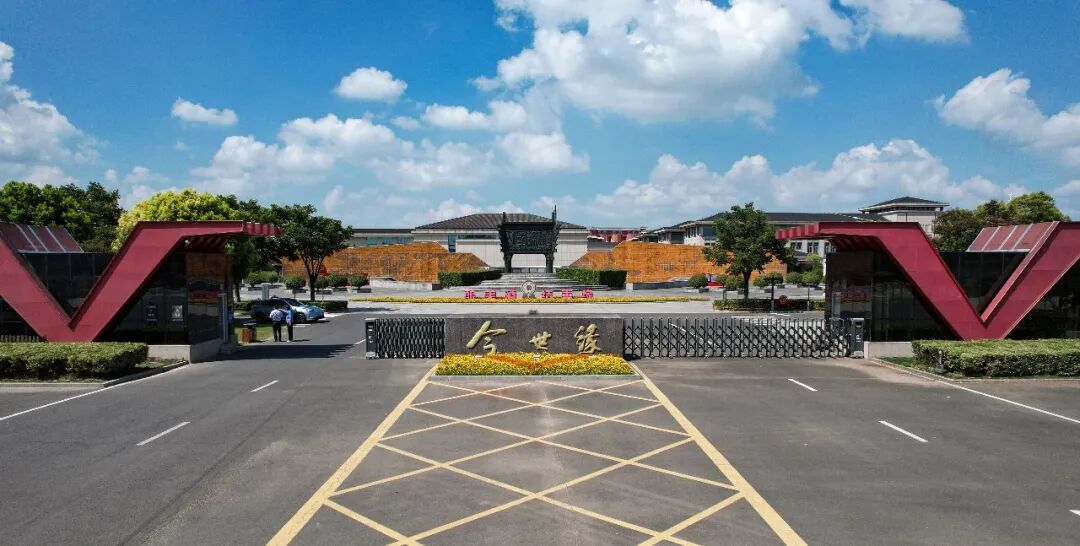
三季报季,市场习惯盯着营收增速看。今世缘Q3营收同比增长15.54%,归母净利润同比增长31.59%——利润增速几乎是营收增速的两倍。增速快,不稀奇;增长有现金、有预收款、有费用效率,才是这份报表真正值得拆开看的地方。
10月30日,今世缘酒业发布2026年第三季度报告。
先看三组数字。
第一组,前三季度累计:营收86.66亿元,归母净利润25.03亿元,经营活动产生的现金流量净额21.26亿元。
第二组,第三季度单季:营收22.30亿元,同比增长15.54%;归母净利润4.22亿元,同比增长31.59%。继今年二季度营收、净利润分别实现约14.1%和19.1%的同比增长后,今世缘连续第二个季度交出双位数增长,且利润端明显提速。
第三组,报表质量:合同负债期末8.28亿元,同比增长59.28%;经营活动现金流净额同比增长134.44%;Q3销售费用6.05亿元,同比仅增长4.3%,销售费用率下降2.91个百分点。
三组数字放在一起,今世缘Q3的增长逻辑就清楚了:不是靠费用砸出来的,也不是靠渠道压货催出来的,而是收入、回款、预收款和费用效率同时改善的结果。在酒业时报看来,今世缘Q3交出的不是一张“冲量”的成绩单,而是一张“质量型增长”的样本。
利润跑得比营收快,钱是从哪里省出来的?
Q3归母净利润增速31.59%,营收增速15.54%,利润增速比营收增速高出16个百分点。这个差额,通常来自三个地方:产品结构、费用效率、非经常性损益。今世缘Q3的答案,主要在前两项。
先看费用。Q3销售费用6.05亿元,同比只增了4.3%;销售费用率下降2.91个百分点,管理费用率也下降0.48个百分点。收入增长15.54%,销售费用只增长4.3%,这不是“勒紧裤腰带”式的被动收缩,而是费用投放效率在改善。
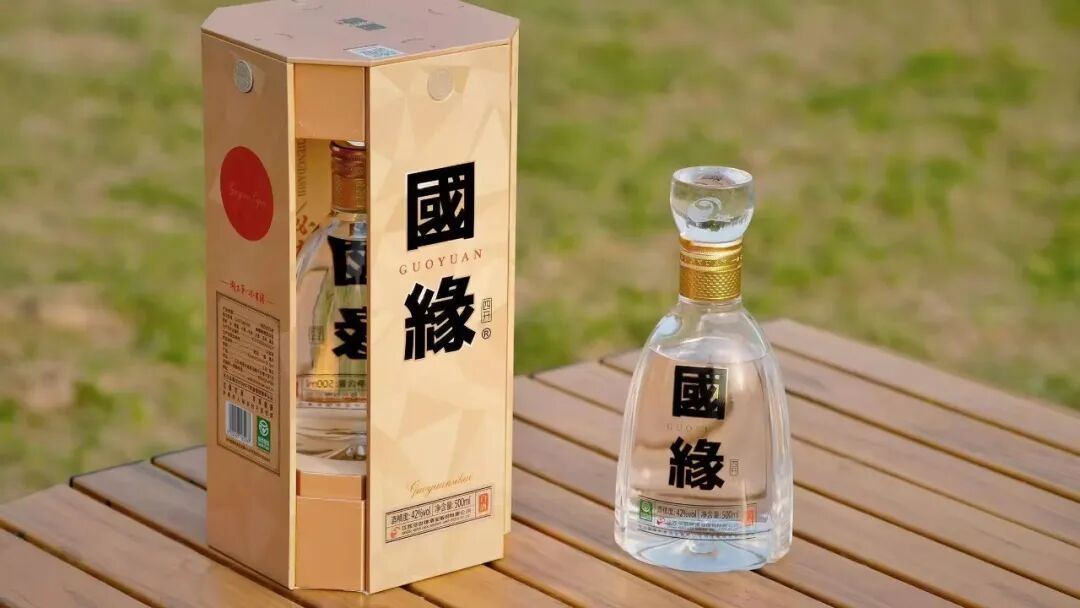
在白酒行业调整期,最常见的动作是加大渠道费用、终端费用去换报表数字。今世缘Q3反着来:收入在提速,费用在“减速”。这背后对应的是公司公开交流中反复强调的一条原则——不为了短期业绩向渠道过度压货,渠道库存总体保持可控。不靠压货催收入,也就不需要靠高费用去“安抚”渠道,费用率自然回落。
酒业时报认为,费用率下降和收入增长同时出现,是判断一家酒企增长质量最直观的切口之一。靠费用买来的增长,费用一停就停;靠动销和渠道信任换来的增长,才有持续性。
合同负债和现金流,才是这份报表的“底牌”
利润表好看,不等于增长扎实。
今世缘Q3真正有分量的变化,发生在利润表之外。前三季度经营活动现金流净额21.26亿元,同比增长134.44%;合同负债期末8.28亿元,同比增长59.28%。在白酒行业,合同负债是渠道真金白银打款的“蓄水池”,经营现金流则是回款质量的直接刻度。两项指标同时大幅改善,说明渠道愿意提前打款、公司回款节奏加快。
这比单季利润增速更有信息量。
利润可以靠费用调节,收入可以靠节奏平滑,但让渠道在行业调整期愿意把真金白银提前打过来,靠的是品牌动销的真实体感和价格体系的稳定预期,不是财务技巧能替代的。
据公开券商研报测算,把营业收入与合同负债变动合并观察“实际动销口径”,今世缘Q3单季同比增速快于表观收入增速。换句话说,渠道端消化的货,比利润表上确认的收入还要多一些。这个方向,在当前白酒行业里并不常见,也因此更值得注意。
产品结构的关键词不是“硬升级”,而是“适配”
今世缘Q3的产品结构,有一个容易被误读的地方。分产品看,前三季度特A+类收入49.94亿元,同比下降8.12%;特A类收入31.01亿元,同比增长8.02%。单看Q3,特A类增速进一步拉升至24.31%,特A+类恢复正增长,同比+11.34%。
真正扛起Q3增长大旗的,是淡雅所在的大众价位带,而不是次高端。这不是“高端化又回来了”,而是产品结构在适配一个正在变形的市场。

2026年的白酒市场,次高端价格带仍在探底,100元上下的大众价位带则相对平稳,宴席和日常聚饮的刚性需求构成了缓冲垫。今世缘Q3的增长,不是逆势把次高端卖得更贵了,而是用淡雅接住了价格带重心下移过程中释放出来的真实需求,同时用国缘开系稳住核心价格带的基本盘,V系继续做长期品牌培育。
在酒业时报看来,产品结构没有绝对的高低之分,只有适配与否。行业上行期,次高端扩张是顺势;行业调整期,大众价位带放量、核心价格带守稳,同样是能力。今世缘Q3证明的是后一种能力。
省外增长29.38%,第二曲线开始有“边际回报”
Q3还有一个容易被增速标题淹没的数字:省外收入同比增长29.38%,省外收入占比持续提升。
对于一个长期以省内市场为基本盘的区域品牌,省外接近30%的季度增速,至少说明“环江苏”市场的渠道铺设开始产生边际回报。更关键的是,省外增长不是靠单独加大费用砸出来的——Q3整体销售费用率还在下降。这说明省外拓展的投入产出比在改善,而不是用费用换规模。
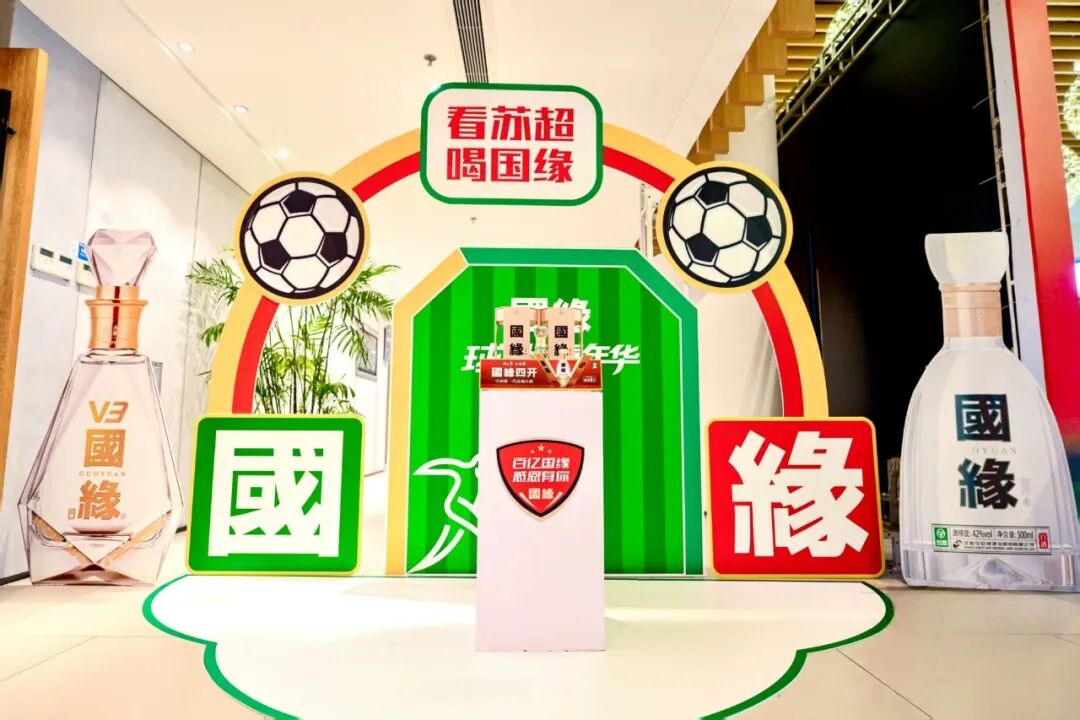
从管理学的角度看,这是典型的“第二曲线”早期信号:第一曲线(省内基本盘)保持稳定,第二曲线(省外市场)开始贡献增量,且没有拖累整体费用效率。今世缘的省外拓展还远没到收获期,但Q3的数据至少证明了一件事:区域酒企的省外增长,不一定非要以费用率大幅抬升为代价。
累计与单季的“温差”,恰恰说明复苏是渐进的
前三季度累计营收86.66亿元、归母净利润25.03亿元,累计口径仍处在调整后的修复通道;单季却交出了双位数增长。这种“累计冷、单季热”的温差,容易被解读为低基数效应。
低基数确实提供了弹性。但利润增速31.59%、经营现金流增长134.44%、合同负债增长59.28%、销售费用率下降2.91个百分点——这些改善幅度,已经超出了低基数能够解释的范围。
今世缘Q3给出的答案,不是“行业调整期要不要增长”,而是“用什么样的方式增长”。是继续用压货和费用把报表撑住,还是用产品适配真实需求、用渠道克制换取报表质量?今世缘选了后者。
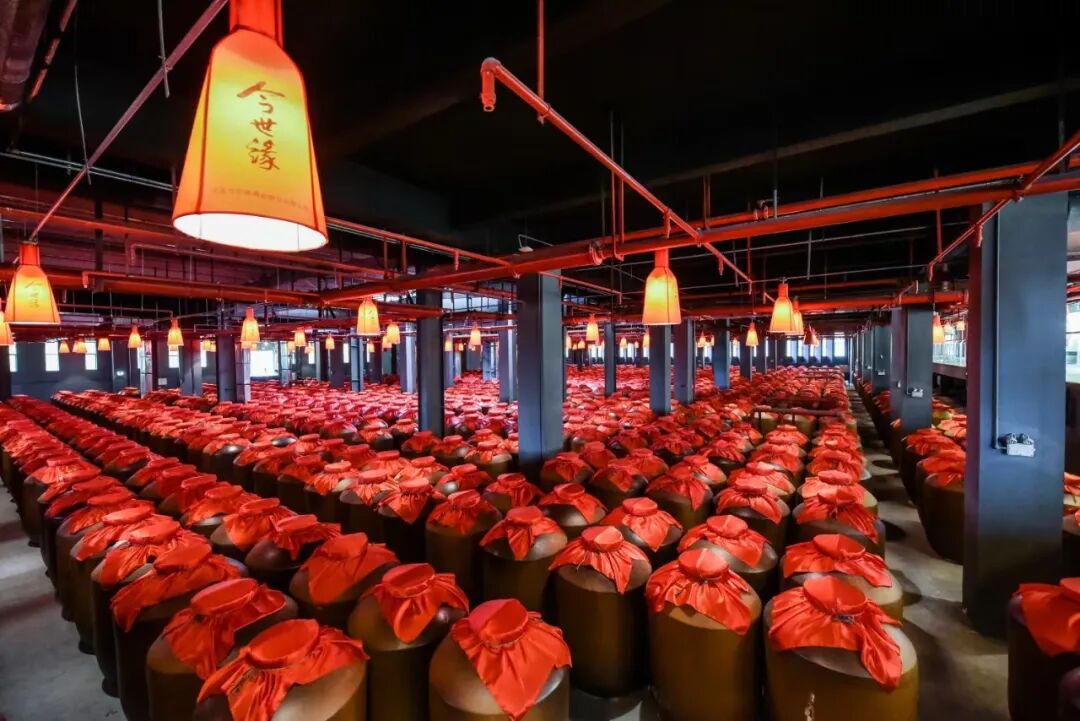
单季31.59%的利润增速不会永远持续,V系的长期培育也还需要时间。但合同负债、现金流和费用效率共同指向的有质量的增长,比任何一个单季数字都更值得放进长期的观察框架里。
行业磨底期,最稀缺的不是高增长,而是增长含金量。今世缘Q3至少把这件事说清楚了。
(本文综合公开行业资讯整理,信息/数据来源:今世缘2026年三季报、公开券商研报及行业公开报道等)
In third-quarter reporting season, the market habitually focuses on revenue growth. Jinshiyuan’s Q3 revenue grew 15.54% year-on-year, and net profit attributable to shareholders grew 31.59% — profit growth was nearly twice revenue growth. Fast growth is not rare; what truly deserves to be broken down in this report is growth backed by cash, advance receipts, and expense efficiency.
On October 30, Jinshiyuan Liquor released its 2026 third-quarter report. First, look at three sets of figures. The first set, cumulative for the first three quarters: revenue of RMB 8.666 billion, net profit attributable to shareholders of RMB 2.503 billion, and net cash flow from operating activities of RMB 2.126 billion. The second set, the third quarter alone: revenue of RMB 2.230 billion, up 15.54% year-on-year; net profit attributable to shareholders of RMB 4.22 billion, up 31.59% year-on-year. Following year-on-year growth of approximately 14.1% in revenue and 19.1% in net profit in this year’s second quarter, Jinshiyuan has delivered double-digit growth for a second consecutive quarter, with the profit side clearly accelerating. The third set, report quality: contract liabilities at the end of the period were RMB 828 million, up 59.28% year-on-year; net operating cash flow grew 134.44% year-on-year; Q3 selling expenses were RMB 605 million, up only 4.3% year-on-year, and the selling expense ratio fell 2.91 percentage points.
Placed together, the growth logic behind Jinshiyuan’s Q3 becomes clear: it was not built by spending heavily on expenses, nor by forcing inventory onto channels, but was the result of simultaneous improvement in revenue, cash collection, advance receipts, and expense efficiency. In the view of JiuYe Times, what Jinshiyuan delivered in Q3 is not a “volume push” report card, but a sample of “quality growth.”
Profit Grew Faster Than Revenue — Where Was the Money Saved?
Q3 net profit attributable to shareholders grew 31.59%, while revenue grew 15.54% — profit growth was 16 percentage points higher than revenue growth. This gap usually comes from three places: product mix, expense efficiency, and non-recurring gains and losses. Jinshiyuan’s Q3 answer lies mainly in the first two.
Look at expenses first. Q3 selling expenses were RMB 605 million, up only 4.3% year-on-year; the selling expense ratio fell 2.91 percentage points, and the administrative expense ratio also fell 0.48 percentage points. Revenue grew 15.54%, while selling expenses grew only 4.3%. This is not a passive contraction of “tightening the belt,” but an improvement in the efficiency of expense deployment. During the baijiu industry’s adjustment period, the most common move is to increase channel expenses and terminal expenses to trade for financial statement numbers. Jinshiyuan’s Q3 went the opposite way: revenue was accelerating, while expenses were “decelerating.” Behind this corresponds to a principle repeatedly emphasised in the company’s public communications — not excessively forcing inventory onto channels for short-term performance, with channel inventory kept generally controllable. Without relying on inventory loading to drive revenue, there is no need to rely on high expenses to “appease” channels, and the expense ratio naturally falls.
In the view of JiuYe Times, the simultaneous appearance of a falling expense ratio and rising revenue is one of the most intuitive entry points for judging the quality of a liquor company’s growth. Growth bought with expenses stops the moment expenses stop; only growth earned through sell-through and channel trust has sustainability.
Contract Liabilities and Cash Flow Are the Real “Trump Cards” of This Report
A good-looking income statement does not equal solid growth. The truly weighty changes in Jinshiyuan’s Q3 occurred outside the income statement. In the first three quarters, net operating cash flow was RMB 2.126 billion, up 134.44% year-on-year; contract liabilities at the end of the period were RMB 828 million, up 59.28% year-on-year. In the baijiu industry, contract liabilities are the “reservoir” of real money paid by channels, and operating cash flow is a direct measure of cash collection quality. Both indicators improving significantly at the same time shows that channels are willing to pay in advance and that the company’s cash collection rhythm is accelerating. This carries more information than single-quarter profit growth.
Profit can be adjusted through expenses, and revenue can be smoothed through pacing, but making channels willing to send real money in advance during an industry adjustment period depends on the genuine feel of brand sell-through and stable expectations for the pricing system — something financial techniques cannot replace. According to calculations in publicly available brokerage research, when revenue and changes in contract liabilities are combined to observe the “actual sell-through basis,” Jinshiyuan’s Q3 single-quarter year-on-year growth was faster than headline revenue growth. In other words, the goods digested at the channel end were somewhat more than the revenue recognised on the income statement. This direction is not common in the current baijiu industry, and therefore deserves more attention.
The Keyword for Product Mix Is Not “Forced Upgrading,” But “Adaptation”
There is an easily misinterpreted point in Jinshiyuan’s Q3 product mix. By product, in the first three quarters, Special A+ category revenue was RMB 4.994 billion, down 8.12% year-on-year; Special A category revenue was RMB 3.101 billion, up 8.02% year-on-year. Looking at Q3 alone, Special A category growth further accelerated to 24.31%, while Special A+ category returned to positive growth at 11.34% year-on-year.
What truly carried the banner of Q3 growth was the mass price band where Danya is positioned, not the sub-premium segment. This is not “premiumisation is back,” but the product mix adapting to a market that is being reshaped. In the 2026 baijiu market, the sub-premium price band is still bottoming out, while the mass price band around RMB 100 is relatively stable, with rigid demand from banquets and everyday gatherings forming a buffer. Jinshiyuan’s Q3 growth was not about selling sub-premium products at higher prices against the trend, but about using Danya to capture genuine demand released as the centre of gravity of price bands shifted downward, while using the Guoyuan Kai series to stabilise the core price band and continuing long-term brand cultivation with the V series.
In the view of JiuYe Times, there is no absolute hierarchy in product mix — only fit or lack of fit. During an industry upcycle, sub-premium expansion follows the trend; during an industry adjustment period, volume release in the mass price band and stabilisation of the core price band are also capabilities. What Jinshiyuan’s Q3 proves is the latter capability.
Out-of-Province Growth of 29.38%: The Second Curve Begins to Show “Marginal Returns”
There is another figure in Q3 that is easily drowned out by growth headlines: out-of-province revenue grew 29.38% year-on-year, with its share of revenue continuing to rise. For a regional brand that has long relied on the provincial market as its base, a quarterly out-of-province growth rate approaching 30% at least shows that channel build-out in the “peripheral Jiangsu” markets is beginning to generate marginal returns. More critically, out-of-province growth was not created by simply increasing expenses — the overall Q3 selling expense ratio was still declining. This shows that the input-output ratio of out-of-province expansion is improving, rather than trading expenses for scale.
From a management perspective, this is a typical early signal of the “second curve”: the first curve (the provincial base) remains stable, and the second curve (out-of-province markets) begins to contribute incremental growth without dragging down overall expense efficiency. Jinshiyuan’s out-of-province expansion is still far from the harvest period, but the Q3 data at least proves one thing: regional liquor companies’ out-of-province growth does not necessarily have to come at the cost of a significant rise in the expense ratio.
The “Temperature Difference” Between Cumulative and Single-Quarter Figures Precisely Shows That Recovery Is Gradual
Cumulative first-three-quarter revenue was RMB 8.666 billion and net profit attributable to shareholders was RMB 2.503 billion, with the cumulative basis still in a post-adjustment repair channel; the single quarter delivered double-digit growth. This “cold cumulative, hot single-quarter” temperature difference is easily interpreted as a low-base effect. The low base did provide elasticity. But profit growth of 31.59%, operating cash flow growth of 134.44%, contract liability growth of 59.28%, and a 2.91 percentage point decline in the selling expense ratio — these improvements have already exceeded what a low base can explain.
The answer Jinshiyuan gave in Q3 is not “whether to grow during the industry adjustment period,” but “in what way to grow.” Should it continue to prop up the financial statements with inventory loading and expenses, or should it adapt products to genuine demand and use channel restraint in exchange for report quality? Jinshiyuan chose the latter.
The single-quarter profit growth of 31.59% will not last forever, and the long-term cultivation of the V series still needs time. But quality growth, jointly indicated by contract liabilities, cash flow, and expense efficiency, is more worthy of being placed in a long-term observation framework than any single-quarter figure. During the industry’s bottoming-out period, what is scarcest is not high growth, but the gold content of growth. Jinshiyuan’s Q3 at least made this clear.
(This article is compiled from publicly available industry information. Sources/Data: Jinshiyuan 2026 Third-Quarter Report, publicly available brokerage research reports, and public industry reports, etc.)
原创文章版权归本网所有;转载文章归原作者所有。发布者:酒业时报,转载请注明出处:https://www.thewinetimes.com/gongsi/13495