中秋是中国人骨子里最柔软的日子。
月亮圆了,人也该聚了。一桌菜摆开,长辈入座,酒杯斟满——中国人的团圆仪式里,酒从来不只是饮品,而是一种“在场”的证明。
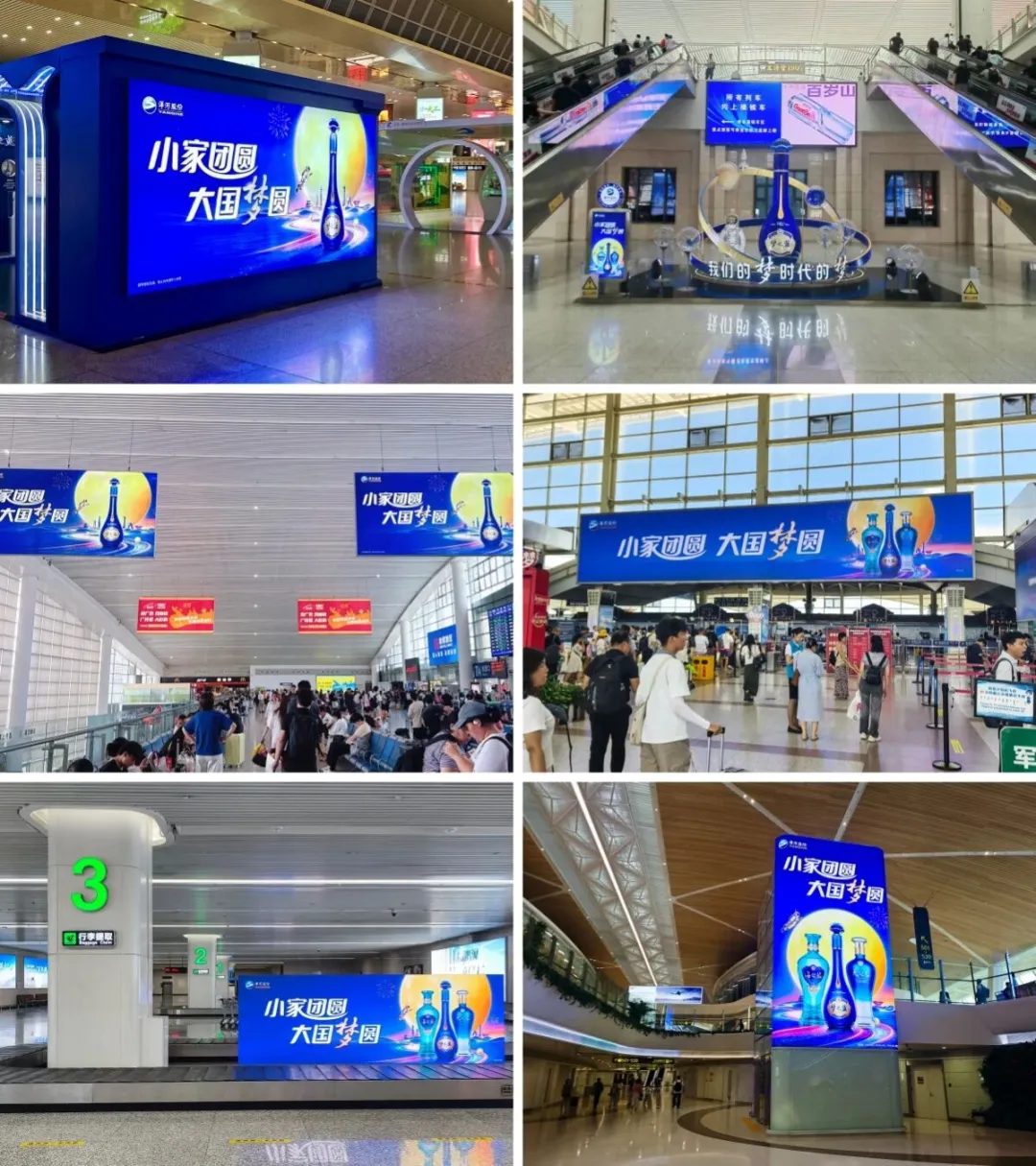
今年中秋,洋河以“小家团圆大国梦圆”为主题,把节日温情与家国情怀揉进万千消费者的团圆时刻。
热闹之外,梦之蓝M6+的价盘稳住了,开瓶扫码动起来了,渠道库存更健康了。一个把中秋酒卖得有温度、有分寸的品牌,背后是一套越来越清晰的长期主义账本。
中秋这杯酒,中国人喝的是“在一起”
中秋在所有传统节日里,是最“向内”的一个。春节要拜年、要走动、要社交,端午要看龙舟、要热闹,而中秋的核心动作只有一个:回家,坐下来,一起吃饭。
社会学里有个说法,叫“阈限空间”——人们在特定时刻和场所中暂时脱离日常秩序,进入一种更纯粹的情感联结状态。
中秋的家宴,就是这样一个空间。酒杯碰撞的声音、长辈说“再来一杯”的语气、小孩在桌边跑来跑去的喧闹,构成了一个完整的“团圆”场景。而桌面上那瓶被郑重打开的酒,就是这个场景里最重要的“道具”。
在酒业时报看来,中秋喝酒的仪式感,本质上是中国人用味觉确认“我在家、我很好、我们在一起”的一种方式。这几年中秋消费悄然迭代,高端奢华月饼遇冷,小巧精致的低糖月饼更受青睐,粗放式人情送礼逐步减少——消费趋势的变化,印证了大众的仪式感需求,正从外在“面子”回归内在“里子”。月饼可以简约朴素,但承载团圆心意的家宴用酒,依旧需要品质过硬、格调十足、适配场景。
这也是为什么,中秋家宴选酒从来不是一件随便的事。太便宜了拿不出手,长辈会觉得心意不足;太贵了又略显刻意,反而让团圆氛围变得拘谨。中秋家宴的酒,要的是一种恰到好处的分寸感——体面不张扬、质感不溢价、适口不挑人。
洋河的名酒底蕴,经得起中秋家宴的严苛挑剔
洋河酿酒文脉源远流长,历史可追溯至汉代,兴盛于唐宋,鼎盛于明清,曾入选清代皇室贡酒,坐拥“福泉酒海清香美,味占江淮第一家”的经典美誉。乾隆皇帝南巡品鉴洋河大曲后,更是御笔盛赞“酒味香醇,真佳酒也”。
1979年第三届全国评酒会上,洋河成功获评“国家名酒”,奠定行业标杆地位。2003年,洋河突破传统白酒香型划分局限,首创以味觉体验为核心的绵柔型白酒全新风格,打造入口绵爽、饮中柔和、饮后舒适的独特饮用体验,引领行业口感升级。
深厚的品牌积淀与工艺底蕴,完美适配中秋家宴场景。长辈认可老牌名酒的口碑,年轻人适配清爽绵柔的口感,宴请待客体面大方,一瓶酒便能兼顾全年龄段饮用需求与社交需求,适配性极强。
洋河绵柔口感的核心工艺密码,源自独创的“三低工艺”——低温入池、低温发酵、低温馏酒,依托精细化酿造工艺,造就了绵柔白酒“三多”核心特质:小分子物质多、水溶性物质多、健康活性因子多。通俗而言,就是酒体醇厚不冲辣、适量饮用不易上头、酒后体感舒适,完美适配阖家欢聚、久坐小酌的中秋宴席场景,这也是其收获大众认可的核心优势。
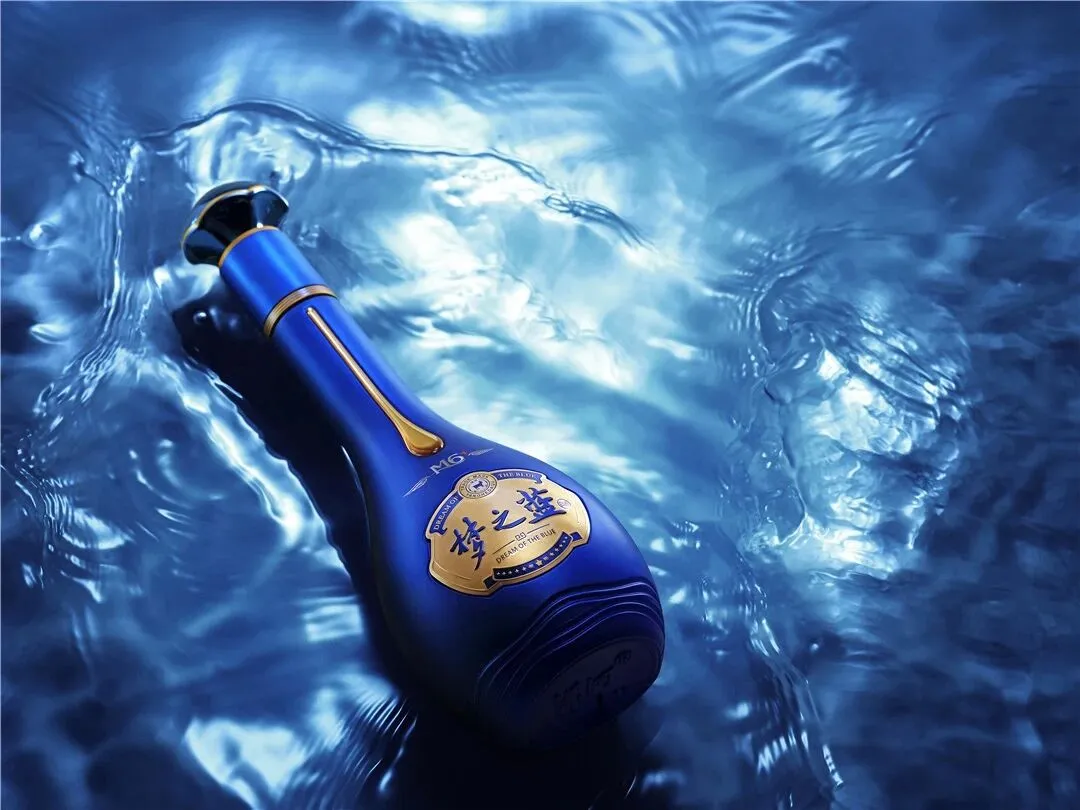
在外观设计上,梦之蓝M6+深邃的宝石蓝瓶身,与中秋皓月当空的静谧夜景形成极致视觉呼应,澄澈蓝调对应夜空意境,通透水晶质感描摹月光温润,精致金色点缀烘托团圆暖意。
业内设计师曾评价,梦之蓝的蓝色并非清冷疏离的色调,而是自带温度、自带质感的“含光的蓝”。高级简约的瓶身美学,搭配家宴暖光氛围,打造出轻奢雅致、温情治愈的团圆场景质感。
酒业时报认为,梦之蓝M6+能成为中秋家宴的高频首选,并非依靠强势营销推销,而是凭借极致的场景适配度实现自然渗透,做到了宴席场景的“零违和”。真正优质的品牌营销,从来不是刻意造势,而是让产品自然适配场景、贴合需求,无需刻意推介便能获得消费者认可。
洋河品牌浪漫与担当一脉相承
很多人未曾留意,洋河的品牌浪漫与家国叙事,早已贯穿数十年发展历程。上世纪六七十年代,洋河入选首批外销白酒,启用敦煌飞天商标,将东方古典美学与千年酒文化相融,让中国白酒魅力走向海外,成为承载东方梦想的文化名片。
历经数十年沉淀,洋河的品牌叙事不断升级迭代。
深耕航天领域多年,持续以白酒文化致敬大国航天事业,解锁全新的时代内涵。2019年洋河正式牵手中国航天,开启品牌航天IP深耕之路,2023年升级为中国航天战略合作伙伴,曾冠名发射“洋河·梦之蓝号”运载火箭。2026年,蓝箭航天朱雀三号火箭完成国内首次轨道级运载火箭陆地回收,活动现场,洋河“我们的梦,时代的梦”品牌标语随航天装备一同亮相,梦之蓝观礼团全程见证大国高光时刻,传递民族品牌力量。
酒业时报认为,白酒行业布局航天IP的品牌不在少数,但大多局限于短期联名、纪念酒发售等表层营销。洋河的核心差异化,在于将航天合作做成了长期、体系化的品牌叙事,与自身产品矩阵深度绑定:海之蓝对接航海事业、天之蓝对标航空领域、梦之蓝赋能航天IP,三大核心产品线分别锚定国家海洋、航空、航天战略,构建起专属的文化价值体系。
其中,梦之蓝M6+作为次高端核心战略大单品,深度绑定“航天级品质”认知,塑造出高端、可靠、极致的产品标签,这种长期沉淀的品牌心智,难以被短期价格战轻易撼动。
中秋承载万家小家团圆,航天彰显大国逐梦征程,洋河将两大核心场景深度融合,打造极具时代共鸣的传播逻辑。
千家万户的安稳团圆,依托于大国强盛的底气;平凡生活的岁月静好,源自国家科技的蓬勃发展。2026年中秋,洋河精准捕捉大众家国共情,将个体团圆温情与大国奋进力量相融,让品牌温度与时代同频共振。
洋河重构中秋动销逻辑
聚焦终端消费场景,今年中秋洋河落地务实高效的终端激励政策,启动“中秋团圆梦好运上上签”开瓶扫码活动,覆盖海之蓝、天之蓝、梦之蓝水晶版、梦之蓝M6+等全系核心大单品。
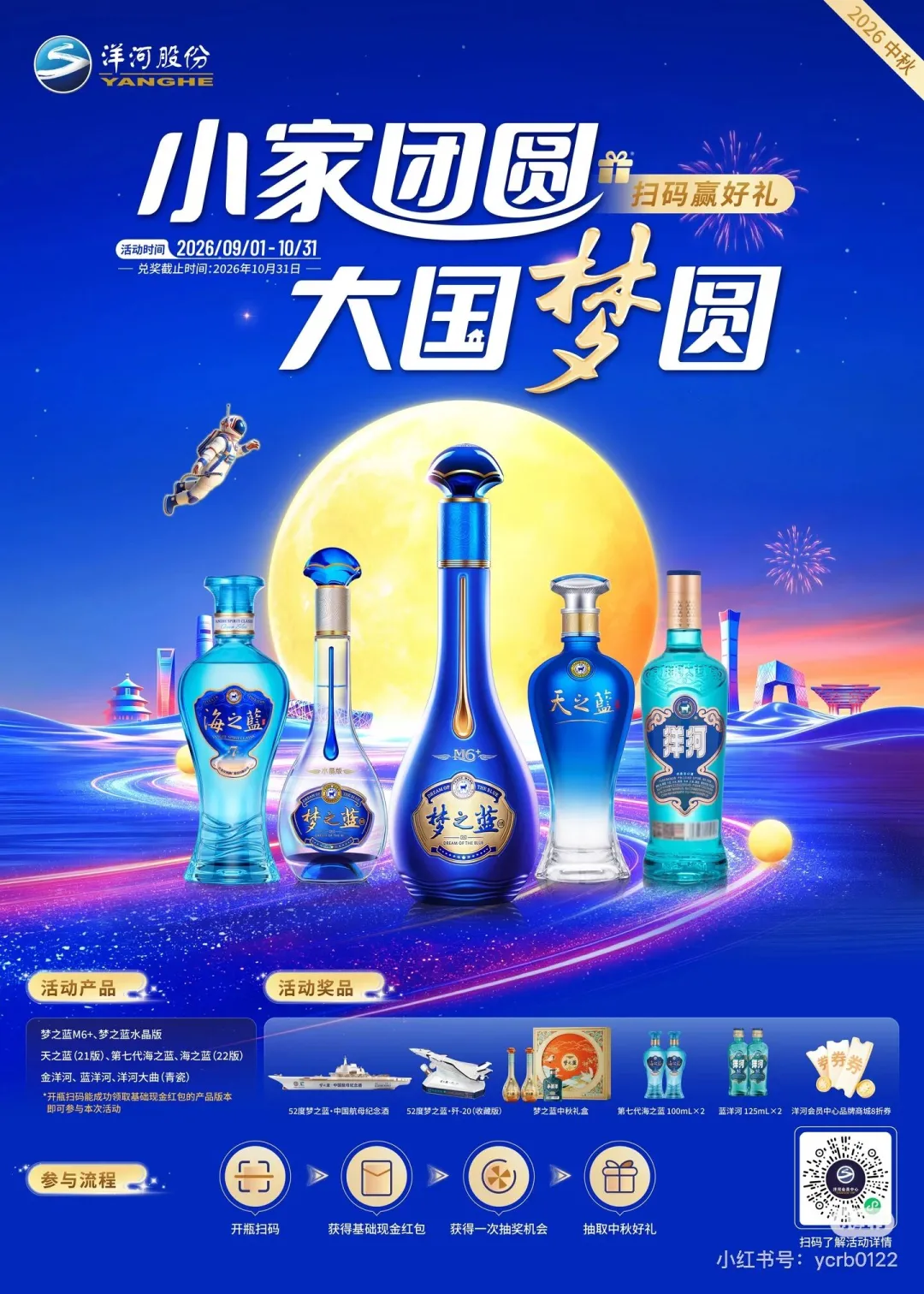
消费者购买指定产品扫码,即可100%领取基础现金红包,更有机会赢取歼-20收藏摆件、航母纪念酒、梦之蓝专属中秋礼盒等重磅福利。活动周期横跨9月1日至10月31日,完整覆盖中秋、国庆双节消费旺季,精准撬动终端消费活力。
今年各大酒企中秋礼盒策略分化明显,头部品牌纷纷收缩礼盒产品线,而洋河跳出传统赛道,创新礼盒流转模式:将梦之蓝中秋礼盒从货架售卖商品,转化为扫码抽奖专属福利。
这一模式革新极具深意,传统礼盒是渠道压货、库存积压的载体,而抽奖礼盒成为撬动消费者开瓶、主动饮用的核心动力,彻底实现从“渠道库存”到“终端增量”的转变。
酒业时报认为,这一细节正是洋河中秋营销的核心底色:摒弃粗放式渠道铺货,聚焦终端真实动销,让产品真正流转、饮用、落地。扫码抽奖机制不仅有效刺激终端开瓶率提升,更依托瓶盖溯源、扫码数据,构建起“扫码-开瓶-数据回传-配额动态调整”的数字化运营闭环,实现市场精细化管控。
终端动销的亮眼表现,源自洋河底层考核机制的根本性革新。
品牌彻底摒弃短期营收、渠道回款的单一考核导向,将终端开瓶率、渠道库存健康度、消费者真实动销纳入核心绩效体系,配套递延考核机制,杜绝短期冲量、压货投机行为。考核指挥棒的转变,彻底重塑终端运营逻辑,一线业务员从传统的催款、铺货角色,转型为终端品鉴、场景陈列、消费者运营的服务者。
系列战略调整的成效,已清晰体现在核心市场数据中。
据企业业绩报告和机构研报,2026年上半年,洋河白酒期末库存量1.01万吨,同比下降38.32%,渠道库存持续去化,回归健康合理区间;产品结构持续优化,行业深度调整期内,公司白酒平均吨价同比提升3.61%,实现结构性提质增效。价格端,梦之蓝M6+批价稳步回暖,8月价格持续回升,9月初终端均价保持高位企稳态势,价盘稳固、库存良性、动销真实,三大核心指标印证品牌扎实的市场底盘。
切换增长引擎:从渠道推力到消费拉力
梳理洋河2026年系列市场动作,一条清晰的长期战略主线清晰可见:资源投放从“压渠道”转向“拉消费”,考核导向从“重回款”转向“重开瓶”,产品定位从“冲量单品”升级为“价盘锚点”,全面告别粗放式增长,开启高质量发展新阶段。
在资源投放层面,传统酒企营销费用多集中于经销商订货会、渠道返利、铺货激励,核心依靠渠道推力拉动销量。而洋河全面调整费用结构,大幅缩减低效渠道费用,将核心资源倾斜终端消费者,中秋扫码红包、开瓶福利、礼盒抽奖等举措,精准触达饮用场景、激活终端需求,费用投放效率大幅提升,实现精准高效赋能。
在考核机制层面,依托专属瓶盖碎片溯源系统,洋河实现每一瓶产品的全链路追踪,精准定位产品销售、开瓶、饮用场景,有效杜绝异地串货、虚假动销。以开瓶率替代回款率,本质是将市场增长的评判权,从经销商铺货动作交还消费者真实饮用需求,彻底扭转行业压货式增长乱象。
在产品价值层面,洋河对梦之蓝M6+实行严格的配额管控机制,依据终端真实动销数据核定区域发货量,一旦单品库存超标即刻暂停开票,严控渠道库存积压。
在行业整体批价承压、价格波动加剧的调整期,梦之蓝M6+价格中枢稳健上行、高位企稳,无大幅波动,充分印证产品具备扎实的终端刚需与极强的品牌抗周期能力,摆脱对促销、铺货的依赖。
酒业时报看来,洋河正在完成行业增长模式的迭代升级。当传统渠道扩张的第一增长曲线逼近瓶颈,品牌主动切换增长引擎,依托消费驱动打造第二增长曲线,从渠道推力转向消费拉力、从压货式增长转向开瓶式增长。这条发展路径看似增速平缓,却能筑牢品牌根基、优化渠道生态、沉淀用户心智,为长期稳健发展积蓄充足后劲。
中秋月圆岁岁如期,人间团圆岁岁情深。中国人对阖家团圆的美好期许、对品质好酒的执着追求,始终未曾改变。
2026年中秋,洋河以“小家团圆大国梦圆”温情叙事传递品牌温度,更以一套扎实落地的长期主义经营逻辑,夯实品牌核心竞争力:让每一瓶美酒都被真实饮用,让每一次定价都被市场尊重,让每一位经销商都能收获合理收益。依托健康的库存结构、稳固的产品价盘、真实的终端动销,洋河持续修复渠道信心、夯实市场底盘。
在酒业时报看来,评判酒企中秋战绩,不能局限于短期销量数据,更要洞察品牌长期战略选择。在行业深度调整期,洋河坚定选择控量稳价、开瓶优先、质量优先的发展路径,三大优先级的排序,正是品牌穿越周期的战略宣言。白酒行业竞争从来不是短期短跑冲刺,唯有在调整期夯实基础、沉淀实力,才能在行业复苏周期抢占先机、稳健领跑。
Mid-Autumn Festival is the softest day in the Chinese heart.
The moon is full, and people should gather. A table of dishes is laid out, elders take their seats, and glasses are filled — in the Chinese ritual of reunion, liquor has never been merely a beverage, but a proof of “being present.”
This Mid-Autumn Festival, Yanghe has adopted the theme “Small Family Reunion, Great National Dream Fulfilled,” weaving the warmth of the festival and love for family and country into the reunion moments of millions of consumers.
Beyond the festivities, the price stability of Dream Blue M6+ has held firm, bottle-opening QR code scans have picked up, and channel inventory has become healthier. A brand that sells Mid-Autumn liquor with warmth and restraint is backed by an increasingly clear long-termist ledger.
PART 01
The Mid-Autumn Cup: What Chinese People Drink Is “Being Together”
Among all traditional festivals, Mid-Autumn is the most “inward-looking.” Spring Festival involves paying New Year calls, socialising, and visiting; Dragon Boat Festival means watching dragon boat races and joining the excitement. But the core action of Mid-Autumn is only one: go home, sit down, and eat together.
Sociology has a term for this: “liminal space” — a state in which people temporarily step out of their daily order at a specific time and place, entering a purer state of emotional connection.
The Mid-Autumn family dinner is precisely such a space. The clinking of glasses, the tone of an elder saying “one more glass,” the clamour of children running around the table — together they form a complete “reunion” scene. And the bottle of liquor solemnly opened on the table is the most important “prop” in this scene.
In the view of JiuYe Times, the ritual of drinking at Mid-Autumn is essentially a way for Chinese people to confirm through taste: “I am home, I am well, we are together.” In recent years, Mid-Autumn consumption has quietly evolved: luxury mooncakes have fallen out of favour, while small, exquisite low-sugar mooncakes are preferred; extensive gift-giving for social obligations has gradually decreased. These changes in consumption trends confirm that the public’s need for ritual is shifting from external “face” back to inner “substance.” Mooncakes can be simple and plain, but the family dinner liquor that carries the sentiment of reunion still requires excellent quality, full elegance, and scene adaptability.
This is why choosing liquor for a Mid-Autumn family dinner is never a casual matter. Too cheap and it seems half-hearted; elders may feel the sentiment is insufficient. Too expensive and it seems deliberate, making the reunion atmosphere stiff. The liquor for a Mid-Autumn family dinner requires a perfectly calibrated sense of restraint — dignified without being ostentatious, high-quality without being overpriced, smooth and suitable for all palates.
PART 02
Yanghe’s Heritage as a Famous Liquor Can Withstand the Rigorous Scrutiny of a Mid-Autumn Family Dinner
Yanghe’s brewing lineage is long and profound, traceable to the Han Dynasty, flourishing in the Tang and Song, and reaching its peak in the Ming and Qing. It was once selected as a tribute liquor for the Qing imperial court and enjoys the classic reputation: “The spring water and wine sea are fragrant and beautiful, the first in Jianghuai for taste.” After Emperor Qianlong tasted Yanghe Daqu during his southern tour, he praised it with his own hand: “The wine is fragrant and mellow, truly excellent liquor.”
At the Third National Liquor Evaluation Conference in 1979, Yanghe was successfully rated a “National Famous Liquor,” establishing its position as an industry benchmark. In 2003, Yanghe broke through the traditional limitations of baijiu aroma classification and pioneered a new style of “mellow and soft” baijiu centred on taste experience, creating a unique drinking experience that is smooth on entry, gentle mid-palate, and comfortable afterwards, leading the industry’s palate upgrade.
Its profound brand heritage and craftsmanship are perfectly suited to the Mid-Autumn family dinner scene. Elders recognise the reputation of an old famous liquor; younger people appreciate the crisp, mellow, and soft taste. It is dignified for hosting guests, and one bottle can satisfy the drinking needs and social needs of all age groups — extremely adaptable.
The core craft secret of Yanghe’s mellow and soft taste comes from its original “Three Low” process — low-temperature pit entry, low-temperature fermentation, and low-temperature distillation. Relying on refined brewing techniques, it creates the “Three Abundances” core characteristics of mellow baijiu: abundant small-molecule substances, abundant water-soluble substances, and abundant healthy active factors. In plain terms, the liquor body is rich without being harsh, moderate drinking does not easily cause hangovers, and the after-drinking feeling is comfortable — perfectly suited to the Mid-Autumn banquet scene of family gatherings and leisurely sipping.
In terms of appearance design, the deep sapphire blue bottle of Dream Blue M6+ forms an extreme visual echo with the quiet night scene of a bright Mid-Autumn moon. The clear blue tone corresponds to the night sky, the transparent crystal texture depicts the warmth of moonlight, and the delicate gold accents heighten the warmth of reunion.
An industry designer once commented that Dream Blue’s blue is not a cold, distant tone, but a “luminous blue” that carries warmth and texture. The premium, minimalist bottle aesthetics, combined with the warm lighting of a family dinner, create a light-luxury, elegant, warm, and healing reunion scene quality.
In the view of JiuYe Times, Dream Blue M6+ has become a high-frequency first choice for Mid-Autumn family dinners not through aggressive marketing, but through extreme scene adaptability achieving natural penetration — achieving “zero dissonance” in banquet scenarios. Truly excellent brand marketing is never about deliberately creating momentum, but about letting the product naturally adapt to the scene and fit the need, gaining consumer recognition without deliberate promotion.
PART 03
Yanghe’s Brand Romance and Responsibility Are of the Same Lineage
Many people have not noticed that Yanghe’s brand romance and national narrative have run through decades of development. In the 1960s and 1970s, Yanghe was selected as one of the first batch of export baijiu, adopting the Dunhuang Flying Apsaras trademark, blending Eastern classical aesthetics with millennia-old liquor culture, bringing the charm of Chinese baijiu overseas and becoming a cultural calling card carrying the Eastern dream.
After decades of accumulation, Yanghe’s brand narrative has continuously upgraded and iterated.
Deeply cultivating the aerospace field for many years, it has continuously paid tribute to the nation’s aerospace cause with baijiu culture, unlocking new contemporary connotations. In 2019, Yanghe formally partnered with China Aerospace, beginning its journey of deepening its aerospace IP. In 2023, it was upgraded to a strategic partner of China Aerospace and once named and launched the “Yanghe · Dream Blue” carrier rocket. In 2026, Blue Arrow Aerospace’s Zhuque-3 rocket completed China’s first orbital-class launch vehicle land recovery. At the event, Yanghe’s brand slogan “Our Dream, the Dream of the Era” appeared alongside the aerospace equipment, and the Dream Blue observation delegation witnessed the nation’s highlight moment, conveying the power of a national brand.
In the view of JiuYe Times, many baijiu brands have laid out aerospace IPs, but most are limited to short-term co-branding and commemorative liquor releases. Yanghe’s core differentiation lies in turning its aerospace cooperation into a long-term, systematic brand narrative, deeply bound to its product matrix: Haitian Blue connects to maritime endeavours, Tianzhi Blue aligns with aviation, and Dream Blue empowers the aerospace IP. The three core product lines respectively anchor the nation’s ocean, aviation, and aerospace strategies, building an exclusive cultural value system.
Among them, Dream Blue M6+ , as the core strategic sub-premium flagship, is deeply bound to the perception of “aerospace-grade quality,” shaping a high-end, reliable, and ultimate product label. This long-accumulated brand mindshare is difficult to shake by short-term price wars.
Mid-Autumn carries the reunion of millions of small families; aerospace highlights the journey of a great nation pursuing its dreams. Yanghe deeply integrates these two core scenarios, creating a communication logic with strong contemporary resonance.
The stable reunion of millions of households rests on the confidence of a strong nation; the peaceful years of ordinary life stem from the vigorous development of national science and technology. In Mid-Autumn 2026, Yanghe accurately captures the public’s shared sentiment for family and country, blending the warmth of individual reunion with the striving power of a great nation, allowing brand warmth to resonate with the times.
PART 04
Yanghe Restructures the Mid-Autumn Sell-Through Logic
Focusing on terminal consumption scenarios, this Mid-Autumn Yanghe has implemented pragmatic and efficient terminal incentive policies, launching the “Mid-Autumn Reunion Dream, Good Luck Draw” bottle-opening QR code campaign, covering core flagship products including Haitian Blue, Tianzhi Blue, Dream Blue Crystal Edition, and Dream Blue M6+.
Consumers who purchase designated products and scan the code can 100% receive a basic cash red packet, and have the opportunity to win heavyweight prizes such as J-20 collectible ornaments, aircraft carrier commemorative liquor, and Dream Blue exclusive Mid-Autumn gift boxes. The campaign period spans September 1 to October 31, fully covering the Mid-Autumn and National Day peak consumption seasons, precisely stimulating terminal consumption vitality.
This year, major liquor companies’ Mid-Autumn gift box strategies have diverged noticeably. Leading brands have generally shrunk their gift box product lines, while Yanghe has jumped out of the traditional track, innovating a gift box circulation model: transforming Dream Blue Mid-Autumn gift boxes from shelf-sold goods into exclusive QR code lottery prizes.
This model innovation is highly significant. Traditional gift boxes are vehicles for channel inventory loading and inventory accumulation, while lottery gift boxes become a core driver to motivate consumers to open bottles and actively drink, completely realising the transformation from “channel inventory” to “terminal incremental growth.”
In the view of JiuYe Times, this detail is precisely the core foundation of Yanghe’s Mid-Autumn marketing: abandoning extensive channel distribution and focusing on genuine terminal sell-through, letting products truly circulate, be consumed, and land. The QR code lottery mechanism not only effectively stimulates terminal bottle-opening rates, but also relies on bottle cap traceability and scan data to build a digital operation closed loop of “scan – open – data return – dynamic quota adjustment,” achieving refined market control.
The outstanding performance of terminal sell-through stems from a fundamental innovation in Yanghe’s underlying assessment mechanism.
The brand has completely abandoned the single assessment orientation of short-term revenue and channel payments, incorporating terminal bottle-opening rates, channel inventory health, and genuine consumer sell-through into the core performance system, supported by a deferred assessment mechanism to eliminate short-term volume pushing and inventory speculation. The shift in the assessment baton has completely reshaped terminal operation logic. Frontline salespeople have transformed from traditional roles of collecting payments and pushing inventory into service providers for terminal tastings, scene displays, and consumer operations.
The results of this series of strategic adjustments are clearly reflected in core market data.
According to corporate performance reports and institutional research, in the first half of 2026, Yanghe’s baijiu ending inventory was 10,100 tonnes, down 38.32% year-on-year, with channel inventory continuing to destock and returning to a healthy and reasonable range. The product structure continued to optimise; during the industry’s deep adjustment period, the company’s average baijiu price per tonne increased 3.61% year-on-year, achieving structural quality and efficiency improvement. On the price side, the wholesale price of Dream Blue M6+ has steadily recovered, continuing to rise in August, and in early September the terminal average price remained high and stable. Stable pricing, healthy inventory, and genuine sell-through — these three core indicators confirm the brand’s solid market foundation.
PART 05
Switching Growth Engines: From Channel Push to Consumer Pull
Reviewing Yanghe’s series of market actions in 2026, a clear long-term strategic mainline is visible: resource allocation shifting from “pushing channels” to “pulling consumption,” assessment orientation shifting from “valuing payments” to “valuing bottle openings,” and product positioning upgrading from “volume-driving SKUs” to “price anchors” — comprehensively abandoning extensive growth and opening a new stage of high-quality development.
At the resource allocation level, traditional liquor companies’ marketing expenses are mostly concentrated on distributor order meetings, channel rebates, and distribution incentives, relying on channel push to drive sales. Yanghe has comprehensively adjusted its expense structure, significantly reducing inefficient channel expenses, and tilting core resources toward terminal consumers. Mid-Autumn QR code red packets, bottle-opening benefits, and gift box lotteries precisely reach drinking scenarios and activate terminal demand, greatly improving the efficiency of expense deployment and achieving precise and efficient empowerment.
At the assessment mechanism level, relying on its exclusive bottle cap fragment traceability system, Yanghe achieves full-chain tracking of every bottle, precisely locating product sales, bottle opening, and drinking scenarios, effectively eliminating cross-region diversion and false sell-through. Replacing collection rate with bottle-opening rate essentially returns the power to judge market growth from distributor distribution actions to genuine consumer drinking demand, completely reversing the industry’s inventory-pushing growth chaos.
At the product value level, Yanghe implements a strict quota control mechanism for Dream Blue M6+ , verifying regional shipment volumes based on genuine terminal sell-through data. Once a single product’s inventory exceeds the limit, invoicing is immediately suspended, strictly controlling channel inventory accumulation.
During the adjustment period when industry-wide wholesale prices are under pressure and price fluctuations are intensifying, Dream Blue M6+ has maintained a steady upward price centre and stabilised at a high level without major fluctuations, fully confirming the product’s solid terminal rigid demand and strong brand counter-cyclical capability, free from reliance on promotions and distribution.
In the view of JiuYe Times, Yanghe is completing the iterative upgrade of the industry’s growth model. As the first growth curve of traditional channel expansion approaches its bottleneck, the brand proactively switches growth engines, relying on consumption-driven growth to create a second growth curve — from channel push to consumer pull, from inventory-pushing growth to bottle-opening growth. This development path may appear to have a gentler growth rate, but it solidifies the brand foundation, optimises the channel ecosystem, and accumulates consumer mindshare, storing ample momentum for long-term steady development.
The Mid-Autumn moon is full as always, and human reunion is deep as always. The Chinese people’s beautiful expectation for family reunion and their persistent pursuit of quality liquor have never changed.
In Mid-Autumn 2026, Yanghe conveys brand warmth through the tender narrative of “Small Family Reunion, Great National Dream Fulfilled,” and further solidifies its core competitiveness with a set of solidly implemented long-termist business logic: let every bottle of fine liquor be genuinely consumed, let every pricing be respected by the market, and let every distributor earn reasonable returns. Relying on a healthy inventory structure, stable product pricing, and genuine terminal sell-through, Yanghe continues to restore channel confidence and consolidate its market foundation.
In the view of JiuYe Times, judging a liquor company’s Mid-Autumn performance should not be limited to short-term sales data, but should also discern the brand’s long-term strategic choices. During the industry’s deep adjustment period, Yanghe firmly chooses the development path of volume control and price stabilisation, bottle-opening first, and quality first. The ordering of these three priorities is precisely the brand’s strategic declaration for transcending the cycle. Competition in the baijiu industry is never a short-term sprint; only by consolidating foundations and accumulating strength during the adjustment period can one seize the initiative and lead steadily in the industry’s recovery cycle.
原创文章版权归本网所有;转载文章归原作者所有。发布者:酒业时报,转载请注明出处:https://www.thewinetimes.com/gongsi/12782