10月28日,酒鬼酒披露2026年三季报。如果只把目光锁在营收和利润的同比数字上,这份报表很容易被读成一个“仍在调整”的故事。但换个切口,把时间轴拉长到2026年全年,一家次高端酒企在行业磨底期展现出的战略主动性,反而比单季数据更有解读价值。
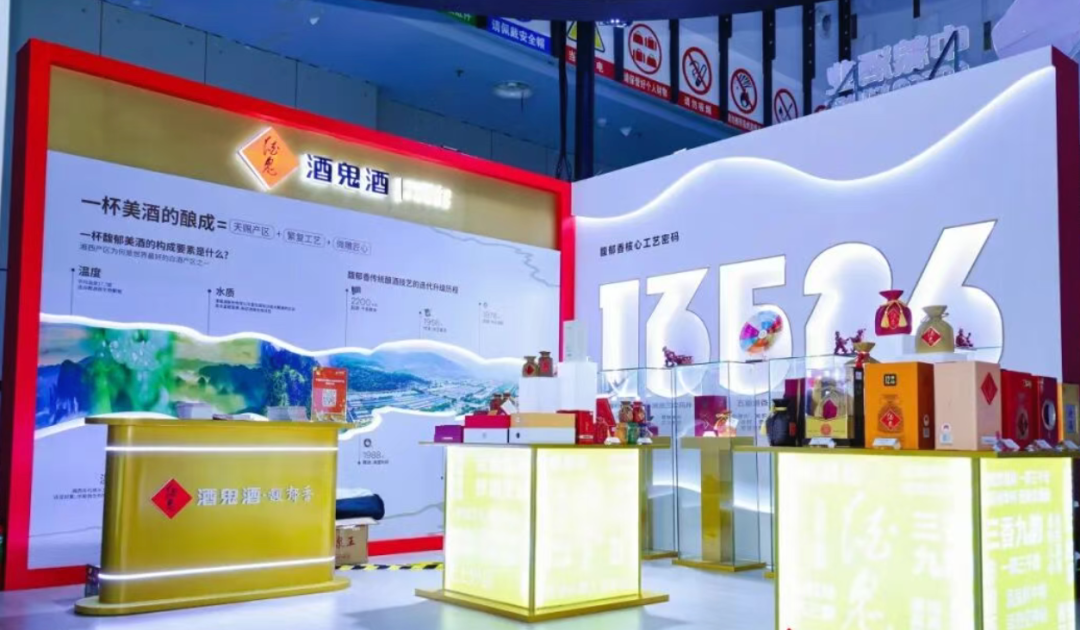
在酒业时报看来,酒鬼酒今年真正值得记录的,不是某一个财务指标的回正,而是一套“品牌—渠道—产品”协同动作的成型。这套动作不会立刻兑现为报表弹性,但它决定了下一轮修复的起跳质量。
圈层营销“打深井”:从泛化曝光到场景闭环
过去白酒品牌的消费者培育,常常陷入“投了广告、做了活动、但不知道谁在喝”的困境。酒鬼酒2026年的一个明显变化,是把资源从泛化曝光中抽出来,压向几个高价值圈层。
根据公司在投资者关系平台披露的信息,教育、婚恋、体育赛事被锁定为三大核心圈层:升学宴场景营造消费氛围,婚宴端优化C端促销政策,羽毛球、湘超等赛事则成为链接省内终端的抓手。这不是简单的“赞助+曝光”逻辑,而是试图把品鉴、宴席、赛事体验串成一个从触达到转化的闭环。
与之配套的是餐酒融合的纵深推进。
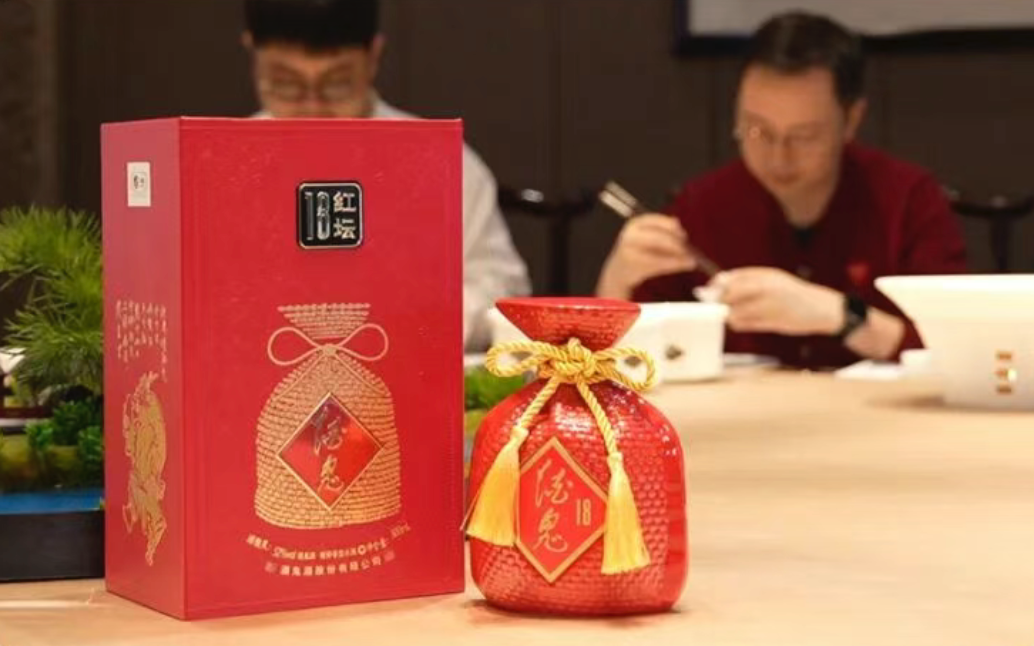
7月下旬,中国连锁经营协会组织二十余位餐饮、零售及供应链领域的企业家走进酒鬼酒,围绕大众消费和场景创新展开研讨。酒鬼酒随后联动毛家饭店、映象潇湘、南景饭店等湖南头部餐饮连锁,以“馥郁妙宴”为载体搭建“湘酒+湘菜”的消费场景。中秋国庆双节期间,“酒鬼家宴・湘遇山河”在长沙、吉首、岳阳三地同步落地,开瓶赠酒、打卡互动直接作用于终端开瓶,而非停留在渠道压货层面。
在酒业时报看来,圈层营销的成败不在于活动数量,而在于“场景是否可重复、动销是否可追踪”。酒鬼酒把资源收束到宴席、餐饮和本土赛事这几条高频场景上,方向是对的——它让品牌费用从“沉没成本”变成了“可回收的消费者资产”。
渠道的“双线结构”:胖东来不只是一条大腿
市场对酒鬼酒与胖东来合作的讨论,常常滑向两个极端:要么视其为救命稻草,要么担心品牌被渠道反噬。但如果把观察周期拉长到一年以上,会发现酒鬼酒在渠道端做的其实是一次结构性的“双线布局”。
一条线是胖东来所代表的高信任度零售场景。
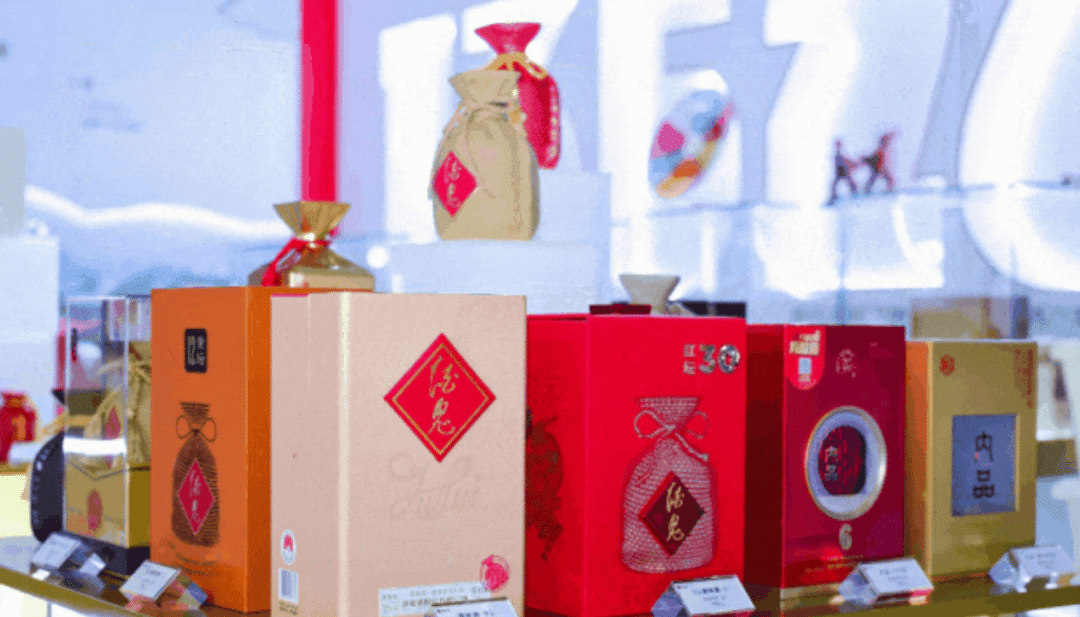
继“酒鬼・自由爱”之后,9月17日,50度750mL湘泉在胖东来开售,定价65元,与“自由爱”形成价位互补而非内部竞争。另一条线是传统渠道的主动优化:聚焦长沙、湘西、怀化、岳阳四城重点突破,核心店家数与分销同比双增长,动销改善与市场基础建设的成效正在显现。
这实际上是两种渠道逻辑的并行:胖东来提供的是“确定性动销”和品牌信任背书,传统渠道承载的是“深度分销”和区域基本盘。用管理学的语言来说,前者降低了交易成本,后者维护了市场密度。
浙商证券在9月研报中判断,胖东来渠道有望持续贡献业绩弹性,同时费用率改善趋势不改,维持“买入”评级。这个判断的底层逻辑,正是渠道结构变化带来的效率改善,而非单一爆品的短期放量。
产品坐标的重构
1499元与65元之间,有一条清晰的线
9月是酒鬼酒产品动作最密集的月份。9月9日,54度“酒鬼酒・1956・无界”发布,建议零售价1499元,以建厂元年命名,采用超长年份陈酿基酒与窖底老酒勾调,主打高端商务与收藏品鉴。八天之后,65元的750mL湘泉进入胖东来。
表面上看,两款产品的价格带和消费场景相去甚远。但在酒业时报看来,这恰恰是一条被重新校准过的产品逻辑:高端线负责“守天花板”,大众线负责“扩基座”,中间由酒鬼系列承接核心放量。上半年酒鬼系列收入同比增长16.04%,占总营收比重升至63%以上,说明这条“哑铃型”结构并非纸面构想,而是已经在报表中留下了痕迹。
更值得注意的细节是,酒鬼酒没有把高端新品的推出理解为“逆势提价”。在行业深度调整期,1499元新品的首要功能不是走量,而是给品牌重新锚定一个价格参照系,为后续产品矩阵的梯度布局留出空间。这种“用高端守位、用大众走量”的节奏感,在次高端酒企中并不多见。
“沉默共识”
为什么下半年评级在往积极方向走
如果只看媒体标题,酒鬼酒的三季报似乎充满争议。但翻看下半年券商研报,会发现一个容易被忽略的事实:主流机构对酒鬼酒的评级方向,是偏积极的。
浙商证券9月7日维持“买入”评级,核心依据是胖东来贡献增量、盈利端表现稳健,预计下半年业绩环比继续改善,2026年利润有望扭亏为盈。中金公司8月25日给出“跑赢行业”评级;华鑫证券同日维持“买入”,研报标题直接落在“业绩持续出清,固本根基向前进”。
近六个月累计10家机构覆盖酒鬼酒,评级分布中“增持”6家、“买入”2家、“跑赢行业”1家,没有一家给出“减持”或“卖出”。
券商的判断未必全对,但当一个白酒标的在报表尚未全面转暖时,仍能维持这样的评级结构,说明机构定价的锚已经从“短期利润”切换到了“出清质量与修复路径”。华鑫证券的表述很典型:业绩持续出清本身,就是“固本根基向前进”。
行业坐标
底部的共识,比反弹的时点更重要
酒鬼酒的修复,不可能脱离行业水位独立发生。而当前行业信息中,最值得留意的是机构对“底部”判断的收敛。
华泰证券在10月下旬的研报中明确表示,2026年中秋旺季虽然承压,但库存去化和价盘低位趋稳是积极信号,本轮行业调整或已处于底部位置;在筹码结构和市场预期双低的背景下,外部政策提振或基本面边际优化即可显著提振板块表现,行业将沿“预期修复—低基数复苏”的节奏展开。
华创证券也判断,四季度低基数下预计部分公司可实现转正。开源证券更早前给出的路径是:行业在2026下半年有望逐步修复,价格底部基本确立。
中国酒业协会理事长宋书玉对行业阶段的判断同样指向“转型”而非“衰退”:酒业正从“规模扩张”向“价值深耕”转型,短期去库存、稳价格是必修课,长期则需要在文化表达和消费场景上完成系统性重构。
把酒鬼酒放回这个坐标系里,它的选择与行业方向是咬合的:宴席与餐酒融合对应“消费场景重构”,胖东来合作对应“渠道效率革新”,馥郁香品类壁垒对应“差异化价值深耕”。中粮集团在经营管理、品牌打造和渠道布局上的持续赋能,则是这些动作能够保持节奏感的后台支撑。
中长期来看,馥郁香的品类稀缺性与中粮的资源纵深,构成了酒鬼酒穿越周期的结构性底牌。
酒业时报认为,三季报的利润数字,回答的是“过去九个月怎么样”。但酒鬼酒2026年真正在做的事,回答的是另一个问题:当行业从增量扩张切换到存量深耕,一家次高端酒企靠什么重新获得增长资格?
它的答案不是等待行业反弹,而是把圈层做深、把渠道做轻、把产品坐标做清晰。这些动作在报表上的显影需要时间,但券商评级的韧性、餐酒融合的落地密度、以及胖东来从单品合作走向价位带协同的节奏,都在指向同一个方向:修复的伏笔,往往埋在数字转正之前。
底部的共识正在形成。对于一家已经率先完成一轮出清、并且没有在磨底期停下动作的公司来说,剩下的问题或许只是节奏,而不是方向。
On October 28, Jiugui Liquor disclosed its 2026 third-quarter report. If one focuses only on the year-on-year figures for revenue and profit, this report is easily read as a story of a company “still adjusting.” But from a different angle, extending the timeline across the whole of 2026, the strategic initiative demonstrated by a sub-premium baijiu company during the industry’s bottoming-out period is more valuable to interpret than single-quarter data.
In the view of JiuYe Times, what truly deserves recording about Jiugui Liquor this year is not the turnaround of any single financial indicator, but the formation of a coordinated “brand–channel–product” set of actions. These actions will not immediately translate into financial statement elasticity, but they determine the quality of the company’s jump-off in the next round of recovery.
Circle Marketing “Digging Deep Wells”: From Broad Exposure to a Closed Scenario Loop
In the past, consumer cultivation by baijiu brands often fell into the dilemma of “placing ads, running events, but not knowing who is actually drinking.” A clear change for Jiugui Liquor in 2026 has been to pull resources away from broad exposure and concentrate them on several high-value circles.
According to information disclosed by the company on its investor relations platform, education, marriage and matchmaking, and sports events have been locked in as three core circles: creating a consumption atmosphere around graduation banquets, optimising C-end promotional policies for wedding banquets, and using events such as badminton and the Hunan Super League as levers to connect with terminals within the province. This is not a simple “sponsorship plus exposure” logic, but an attempt to string tasting, banquets, and event experiences into a closed loop from reach to conversion.
Complementing this is the deepening of food-and-liquor integration.
In late July, the China Chain Store & Franchise Association organised more than 20 entrepreneurs from the dining, retail, and supply chain sectors to visit Jiugui Liquor, where they held discussions around mass consumption and scenario innovation. Jiugui Liquor subsequently partnered with leading Hunan restaurant chains such as Maojia Restaurant, Yingxiang Xiaoxiang, and Nanjing Restaurant to build a “Hunan liquor + Hunan cuisine” consumption scenario through the “Fuyu Fine Banquet” vehicle. During the Mid-Autumn and National Day double festivals, “Jiugui Family Banquet · Encountering Hunan’s Mountains and Rivers” was launched simultaneously in Changsha, Jishou, and Yueyang, with bottle-opening gifts and check-in interactions directly targeting terminal bottle openings rather than remaining at the level of channel inventory loading.
In the view of JiuYe Times, the success or failure of circle marketing does not lie in the number of events, but in “whether the scenario is repeatable and whether sell-through is trackable.” Jiugui Liquor has concentrated resources on a few high-frequency scenarios — banquets, dining, and local sports events — and the direction is right: it turns brand spending from a “sunk cost” into a “recoverable consumer asset.”
The Channel’s “Dual-Track Structure”: Pangdonglai Is More Than Just One Pillar
Market discussion of Jiugui Liquor’s cooperation with Pangdonglai often slides toward two extremes: either viewing it as a lifeline, or worrying that the brand will be undermined by the channel. But if the observation period is extended to more than a year, it becomes clear that what Jiugui Liquor has done on the channel side is in fact a structural “dual-track layout.”
One track is the high-trust retail scenario represented by Pangdonglai.
Following “Jiugui · Free Love,” on September 17, 50-degree 750ml Xiangquan went on sale at Pangdonglai, priced at RMB 65, forming a price complement rather than internal competition with “Free Love.” The other track is the proactive optimisation of traditional channels: focusing on breakthroughs in four key cities — Changsha, Xiangxi, Huaihua, and Yueyang — with both the number of core stores and distribution growing year-on-year, and improvements in sell-through and market foundation building beginning to show results.
This is in effect the parallel operation of two channel logics: Pangdonglai provides “certain sell-through” and brand trust endorsement, while traditional channels carry “deep distribution” and the regional base. In management terms, the former lowers transaction costs, while the latter maintains market density.
Zheshang Securities judged in a September research report that the Pangdonglai channel is expected to continue contributing performance elasticity, while the trend of improving expense ratios remains unchanged, maintaining a “Buy” rating. The underlying logic of this judgement is precisely the efficiency improvement brought by changes in channel structure, rather than the short-term volume release of a single hit product.
Reconstructing Product Coordinates: A Clear Line Between RMB 1,499 and RMB 65
September was the month with the densest product activity for Jiugui Liquor. On September 9, the 54-degree “Jiugui Liquor · 1956 · Boundless” was released, with a suggested retail price of RMB 1,499. Named after the year the factory was founded, it uses ultra-long-aged base liquor blended with aged liquor from the bottom of the cellar, targeting high-end business and collector tastings. Eight days later, the RMB 65 750ml Xiangquan entered Pangdonglai.
On the surface, the price bands and consumption scenarios of the two products are far apart. But in the view of JiuYe Times, this is precisely a recalibrated product logic: the high-end line is responsible for “defending the ceiling,” the mass line is responsible for “expanding the base,” and the Jiugui series in between carries core volume. In the first half, revenue from the Jiugui series grew 16.04% year-on-year, rising to more than 63% of total revenue, indicating that this “dumbbell-shaped” structure is not a paper concept but has already left traces in the financial statements.
An even more noteworthy detail is that Jiugui Liquor did not interpret the launch of a new high-end product as “raising prices against the trend.” During the industry’s deep adjustment period, the primary function of the RMB 1,499 new product is not volume, but to re-anchor a price reference point for the brand and leave room for the subsequent tiered layout of the product matrix. This sense of rhythm — “using high-end to hold position and mass-market to drive volume” — is rare among sub-premium baijiu companies.
“Silent Consensus”: Why Ratings Have Been Moving in a Positive Direction in the Second Half
If one looks only at media headlines, Jiugui Liquor’s third-quarter report seems full of controversy. But reviewing brokerage research in the second half of the year reveals an easily overlooked fact: the direction of mainstream institutions’ ratings on Jiugui Liquor is positive.
Zheshang Securities maintained a “Buy” rating on September 7, with the core basis being Pangdonglai’s incremental contribution and stable profitability, expecting performance to continue improving quarter-on-quarter in the second half, with profits expected to turn positive in 2026. CICC gave an “Outperform” rating on August 25; Huaxin Securities maintained “Buy” the same day, with its report title directly stating “performance continues to clear, consolidating the foundation and moving forward.”
Over the past six months, a cumulative 10 institutions have covered Jiugui Liquor. Among the ratings, 6 were “Overweight,” 2 were “Buy,” and 1 was “Outperform,” with none giving “Reduce” or “Sell.”
Brokerage judgements are not necessarily all correct, but when a baijiu stock can maintain such a rating structure before its financial statements have fully warmed up, it shows that the anchor of institutional pricing has shifted from “short-term profit” to “quality of clearing and path to recovery.” Huaxin Securities’ phrasing is typical: the continued clearing of performance is itself “consolidating the foundation and moving forward.”
Industry Coordinates: Consensus on the Bottom Matters More Than the Timing of a Rebound
Jiugui Liquor’s recovery cannot occur independently of the industry’s water level. And among current industry information, what deserves the most attention is the convergence of institutions’ judgements on the “bottom.”
Huatai Securities stated clearly in a late-October research report that although the 2026 Mid-Autumn peak season was under pressure, inventory destocking and the stabilisation of pricing at low levels are positive signals, and this round of industry adjustment may already be at the bottom. Against the backdrop of both low筹码 structure and low market expectations, external policy support or marginal improvement in fundamentals could significantly boost sector performance, with the industry expected to unfold along a rhythm of “expectation repair — low-base recovery.”
Huachuang Securities also judged that under a low base in the fourth quarter, some companies are expected to achieve positive growth. The path given earlier by Kailuan Securities was: the industry is expected to gradually recover in the second half of 2026, with the price bottom basically established.
Song Shuyu, Chairman of the China Alcoholic Drinks Association, similarly pointed to “transformation” rather than “recession”: the liquor industry is shifting from “scale expansion” to “value deep cultivation.” Short-term destocking and price stabilisation are required courses, while the long term requires systematic reconstruction in cultural expression and consumption scenarios.
Placing Jiugui Liquor back into this coordinate system, its choices align with the industry direction: banquets and food-and-liquor integration correspond to “consumption scenario reconstruction,” cooperation with Pangdonglai corresponds to “channel efficiency innovation,” and the fuyu-aroma category barrier corresponds to “differentiated value deep cultivation.” COFCO Group’s continued empowerment in operations management, brand building, and channel layout is the back-office support that allows these actions to maintain their rhythm.
Over the medium and long term, the category scarcity of fuyu aroma and COFCO’s resource depth constitute Jiugui Liquor’s structural trump cards for transcending cycles.
In the view of JiuYe Times, the profit figures in the third-quarter report answer “how the past nine months have been.” But what Jiugui Liquor is truly doing in 2026 answers another question: when the industry shifts from incremental expansion to stock-market deep cultivation, what does a sub-premium baijiu company rely on to regain its growth qualification?
Its answer is not to wait for an industry rebound, but to deepen circles, make channels lighter, and clarify product coordinates. These actions need time to show up in the financial statements, but the resilience of brokerage ratings, the density of food-and-liquor integration implementation, and the rhythm of Pangdonglai moving from single-product cooperation to price-band coordination all point in the same direction: the foreshadowing of recovery is often buried before the numbers turn positive.
A consensus on the bottom is forming. For a company that has already completed a round of clearing ahead of others and has not stopped acting during the bottoming-out period, the remaining question may simply be rhythm, not direction.
原创文章版权归本网所有;转载文章归原作者所有。发布者:酒业时报,转载请注明出处:https://www.thewinetimes.com/gongsi/13472