After the market close on October 28, Shede Spirits disclosed its 2026 third-quarter report. In the first three quarters, revenue was RMB 3.096 billion and net profit attributable to shareholders was RMB 195 million; Q3 net profit attributable to shareholders was RMB 49.55 million, up 72.44% year-on-year, with a gross margin of 66.80%, up 4.71 percentage points year-on-year — the first notable recovery in nearly three years. Net operating cash flow showed an inflow of RMB 176 million, and sales cash collection was RMB 1.05 billion, up 13.4% year-on-year.
Against the backdrop of the sub-premium sector coming under pressure throughout the year, the positive significance of this quarterly report card is beyond doubt. But if this article were written as a quarterly report interpretation, it would narrow the true看点 of Shede Spirits in 2026. The repair of single-quarter profit is only a result; what deserves further inquiry is: where did this result come from?
The observation of JiuYe Times is this: the most important work of Shede Spirits this year is not on the income statement, but in the two words “consumer.” From the work theme at the beginning of the year — “strengthen the foundation, break through, set out again” — to the implementation of “volume control and price support, fully C-end oriented” in the first half, and then to the improvement in Q3 earnings quality, this is a line with sequence and causality. And the direction of this line happens to align highly with the industry association’s judgement on the next stage of the liquor industry.
What Song Shuyu Called “Value Deep Cultivation,” Shede Spirits Is Answering with a Year of Action
In 2026, Song Shuyu, Chairman of the China Alcoholic Drinks Association, made multiple judgements on industry trends.
In May, at the association’s council meeting, he proposed that the industry is undergoing “seven major self-adjustments,” covering cultural awakening, consumer demand, aged liquor reserves, ultimate products, and digital transformation, with the core pointing to the liquor industry bidding farewell to scale expansion and entering a stage of value deep cultivation.
At the Wuhan Liquor Expo, he further summarised the current industry as a triple superposition of “industrial adjustment period, consumption transformation period, and stock-market competition period,” while emphasising that the liquor industry is welcoming major historical opportunities. Earlier, one of his statements was repeatedly cited by the industry: baijiu is ultimately an industry of time, and the answers to its problems must also be found in time.
Taken together, these judgements outline a clear industry direction: competitiveness in the next stage no longer depends on who can push more inventory into channels, but on who can truly deliver value into consumers’ hands. Song Shuyu was even more direct at the 2025 Chief Baijiu Taster Annual Meeting: the industry is shifting from “enterprise-led” to “consumer-defined value.”
Shede Spirits’ actions in 2026 are almost a systematic response to this judgement.
At the work conference at the beginning of the year, the company set the theme as “strengthen the foundation, break through, set out again,” explicitly “insisting on liquor-tourism integration without slackening,” and through the scenario integration of “liquor dining + liquor scenery + liquor tourism,” transforming aged liquor from “time in the cellar” into “value perceivable by consumers.” In the first half, the company further made “channels downward, brand upward, fully C-end oriented” the strategic main axis, placing consumer cultivation at a higher priority than short-term shipments.
In the view of JiuYe Times, what Shede Spirits has done this year is not a passive “contraction defence,” but a “value turn” with a clear direction: releasing resources from the inertia of channel inventory loading and investing them in the construction of genuine consumption scenarios and the establishment of genuine consumer connections. This path will not be completed in a single quarter, but its direction is right.
The Second Half of the Aged Liquor Strategy: From “Telling the Industry” to “Showing Consumers”
Shede Spirits’ aged liquor strategy has been advanced for many years. In past years, the industry’s perception of “Shede = aged liquor” was built more on quality expression and brand communication. The change in 2026 is that the focus of the aged liquor strategy is sinking from the “cognition layer” to the “experience layer” and “scenario layer.”
A landmark move is the scenario-based implementation of the Aged Liquor Festival.
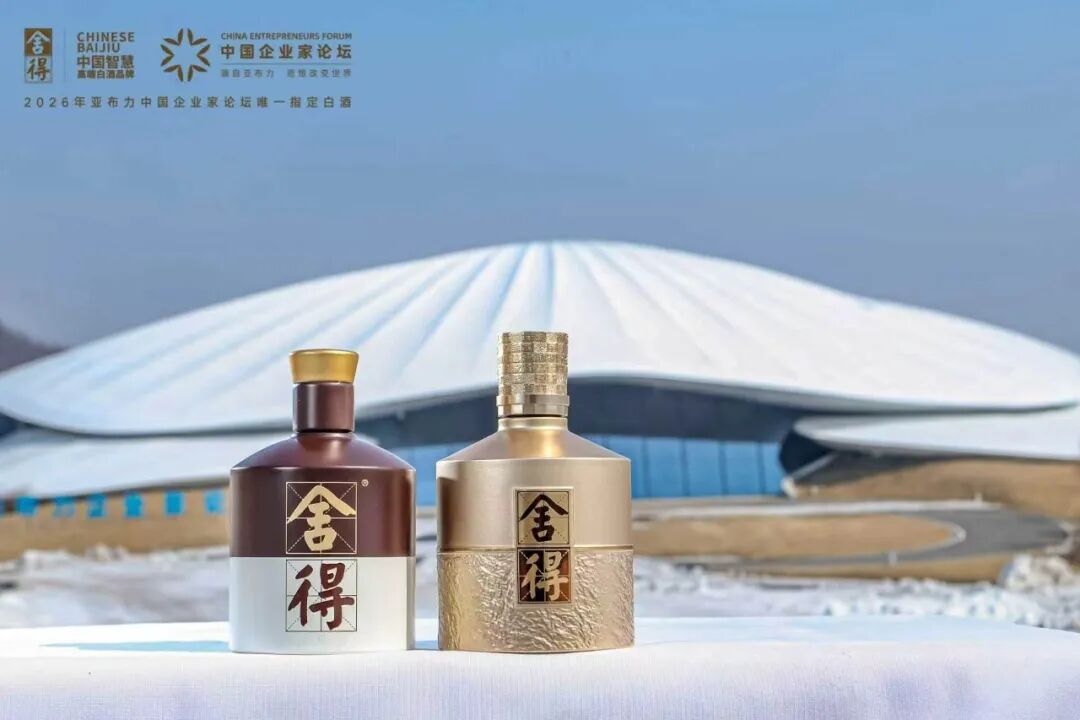
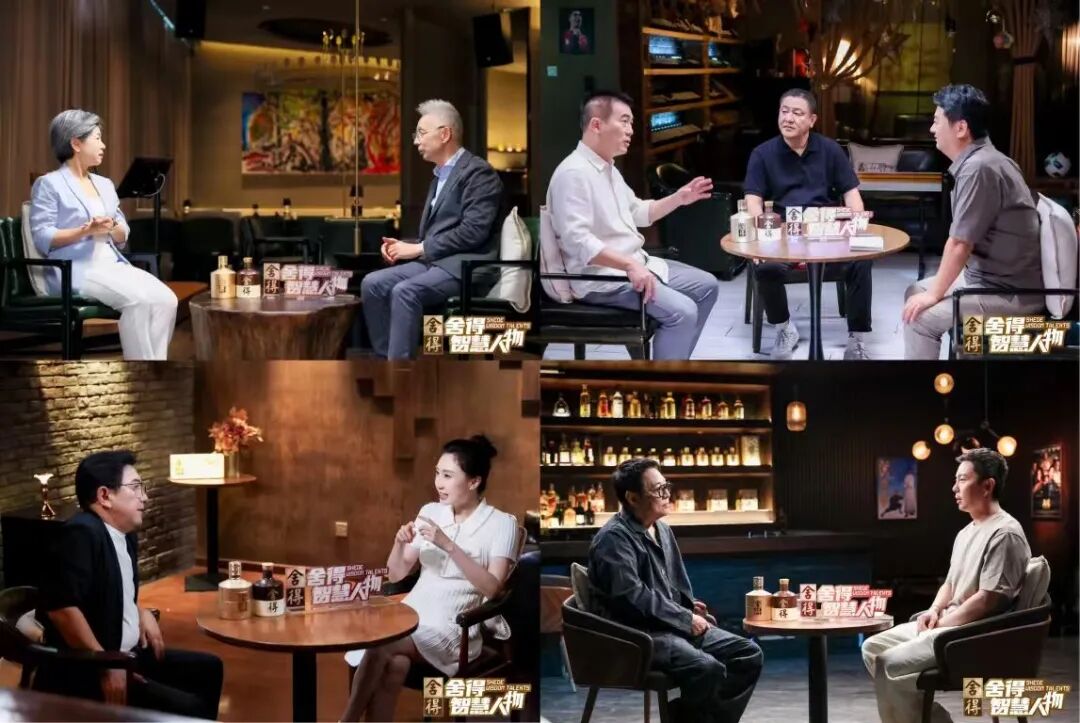
The 5th Shede Aged Liquor Festival Spring Brewing and Sealing Ceremony, with “inheritance and innovation” as its thread and accompanied by an aged liquor carnival, was defined by the company as a concentrated implementation of the “fully C-end oriented” strategy. Shede participated in the 2026 Yabuli China Entrepreneurs Forum Annual Meeting as a “strategic partner” and “exclusive designated baijiu,” hosting “Shede Night,” embedding the brand into the genuine social scenarios of entrepreneurs of the era rather than remaining at the level of advertising reach.
Cooperation with the Yabuli Forum, famous liquor entering famous enterprises, and the Shede Global Wisdom Elite Club together constitute a deep cultivation system for high-end consumer circles; scenario activities during the Spring Festival, Aged Liquor Festival, wedding season, and graduation season connect aged liquor cognition with genuine sell-through.
Product-side actions also point to the logic of “consumer-defined value.”
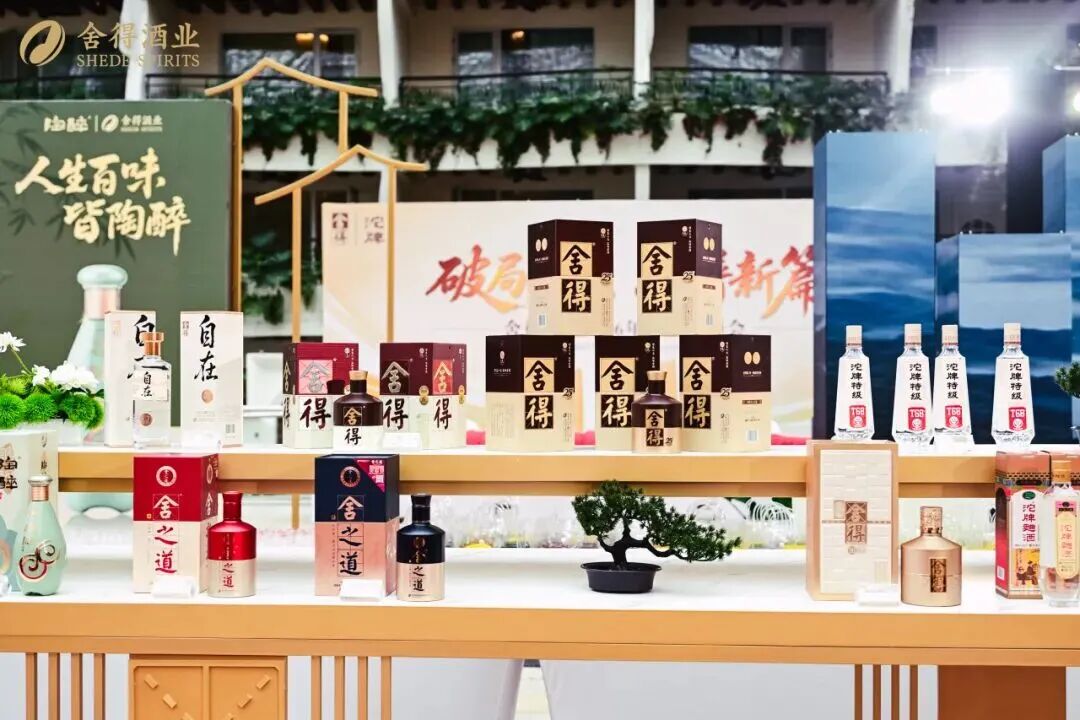
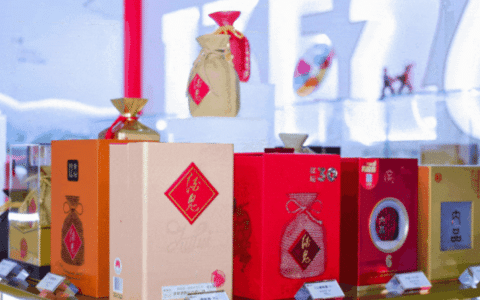
The company launched the low-alcohol “Shede Zizai,” exploring “light business” consumption scenarios; launched the blind-box miniature liquor “Shede at Once,” reaching young consumer groups in a lighter and more playful way. Tuopai Special Grade T68 continues to strengthen the market perception of “high value for money under RMB 100,” establishing a genuine bottle-opening foundation in the mass price band. These products may not contribute considerable profit increment in the short term, but they are doing something more important: enabling consumers of different price bands, different consumption scenarios, and different age groups to find an entry point to establish a genuine relationship with the Shede brand.
In the view of JiuYe Times, the task of the first half of the aged liquor strategy was to make the industry believe “Shede has good liquor”; the task of the second half is to make consumers “drink it, feel it, and remember it” in specific scenarios. Shede Spirits’ actions in 2026 indicate that the second half has begun.
The Other Side of Volume Control and Price Support: Restoring Channels from a “Reservoir” to a “Pipeline”
“Volume control and price support” is not uncommon in the 2026 baijiu industry. But Shede Spirits’ approach has a noteworthy difference: volume control is not the goal; restoring channels from an inventory “reservoir” to a sell-through “pipeline” is the goal.
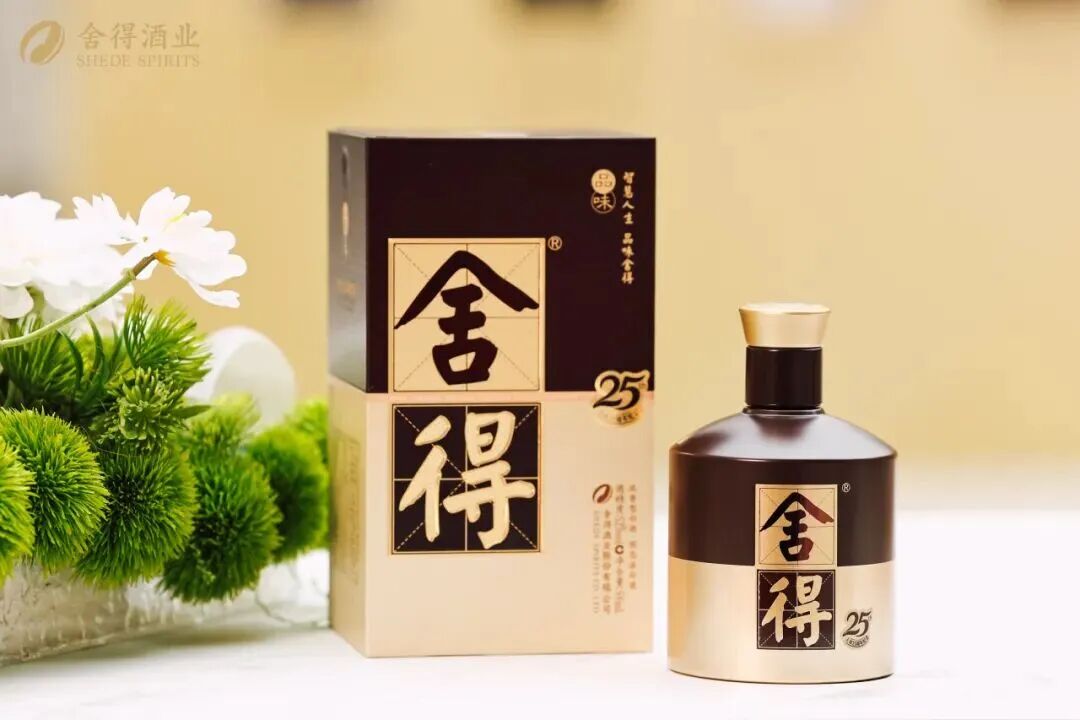
In the first half, the company proactively slowed its shipment rhythm, guiding distributors to digest inventory, while focusing on core flagship products such as Pinwei Shede and Tuopai Special Grade T68, deeply cultivating advantageous markets including Sichuan, Hebei, Shandong, Henan, and the Northeast, optimising channel structure, filling shortcomings in e-commerce and instant retail, and making “improving terminal genuine bottle-opening rates” the core yardstick of channel work.
This orientation received positive feedback in the Q3 financial statements: gross margin rose 4.71 percentage points year-on-year, indicating that the product structure did not fall out of order due to the adjustment; sales cash collection grew 13.4% year-on-year, indicating that channel willingness and capacity to pay are improving; and operating cash flow turned from negative to positive, indicating that earnings quality is supported by cash flow.
The “pipeline-isation” transformation on the channel side is also reflected in the reorganisation of manufacturer-distributor relations.
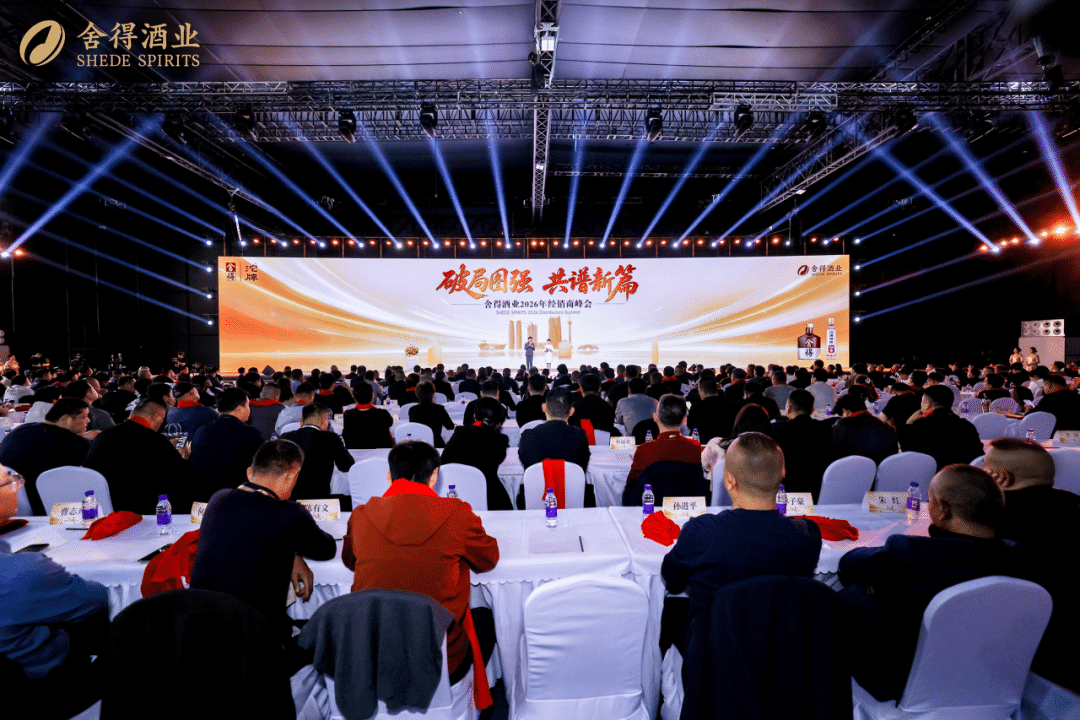
The company built a “3+1” distributor advisory committee mechanism, implemented tiered management, and gradually moved away from the “inventory loading for rebates” transaction model toward a long-term cooperative relationship of manufacturer-distributor collaborative service. At the distributor summit held at the end of October, “new scenarios” were explicitly identified as one of the keywords for the next stage: driving the brand to reach the life trajectories of core consumer groups, and creating genuine touchpoints in scenarios such as sealed-cellar consumption and liquor-tourism integration.
In the view of JiuYe Times, during an industry adjustment period, being willing to trade “unattractive” short-term financial statements for the “health” of the channel ecosystem is a choice that requires resolve. The clearing of channel inventory and the repair of distributor confidence will not be completed in a single quarter, but the Q3 gross margin and cash flow data indicate that this direction is producing verifiable positive changes.
Why Shede’s “Patience” Is Stepping in Time with the Industry Rhythm
Placing Shede Spirits’ actions in 2026 back into the industry coordinate system makes their significance clearer.
The liquor industry observation report released by Xinhua Finance · CEI Think Tank in September pointed out that in the first half of 2026, the baijiu industry fully entered a deep contraction period of “simultaneous declines in volume, price, and profit,” with 21 listed baijiu companies seeing revenue decline 18.03% year-on-year and net profit attributable to shareholders decline 22.48% year-on-year, with the sub-premium segment under comprehensive pressure.
But the report also provided a key judgement: this round of industry divergence is essentially a deep switch in competitive logic. Whether an enterprise can stabilise operations depends on the thickness of its base market, the accumulation of brand assets, and the health of its cash flow. The industry is bidding farewell to the extensive model of “manufacturer-led, channel-distribution-driven growth” and turning toward refined cultivation “centred on consumers and measured by terminal sell-through.”
This points in the same direction as Song Shuyu’s repeated emphasis on “value deep cultivation” and “consumer-defined value.”
And the three things Shede Spirits has done in 2026 — putting consumer cultivation first, turning channels from a reservoir into a pipeline, and transforming aged liquor from a cognitive asset into a scenario experience — happen to land precisely on the key nodes of this direction.
Brokerage research judges that the aged liquor strategy “is shifting from an investment period to a period of benefit release.” The Q3 recovery in profit and gross margin can be seen as preliminary verification of this shift, but more important verification will gradually unfold over the coming quarters: after the efficiency release on the expense side stabilises, can the consumer assets and channel health accumulated by “fully C-end oriented” continue to become the driving force for revenue recovery?
In the view of JiuYe Times, companies at the bottom of a cycle can be roughly divided into two types: those waiting for the wind to come, and those repairing the runway. What Shede Spirits has done in 2026 is more like the latter. Those who repair the runway will not fly highest on the first day the wind comes, but when the wind truly rises, their starting posture will be steadier and their room for acceleration greater. Song Shuyu said the answer must be found in time. Shede Spirits’ patience this year is slowly crafting that answer.