8月26日,今世缘品牌创立三十周年庆暨今世缘・典30上市发布会以云直播形式启幕。XR虚拟现实技术贯穿全场,将三十年的光阴折叠进一方屏幕。品牌战略新品典30正式上市,成为全场焦点。
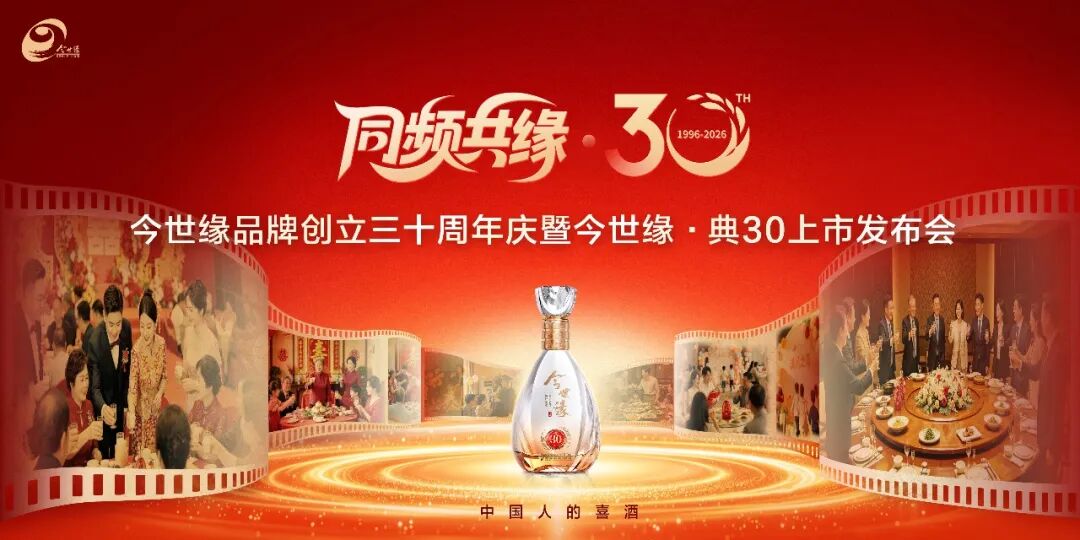
发布会用了大量篇幅讲述今世缘三十年的故事。但真正耐人寻味的,是这款名为“典30”的产品本身——它既是今世缘30年“敢为天下先”的答案,也是下一个30年的第一个逗号。
所有人都在讲“老”,今世缘选择了“新”
1996年的中国白酒行业,信奉的逻辑是“越老越好”。老名酒、老窖池、老字号,谁的历史积淀越厚重,谁手中的金字招牌就越亮眼。
但今世缘做了完全相反的选择。
彼时的高沟酒厂,是江苏“三沟一河”中的一员,却已经走到破产边缘。苏酒板块正遭遇“川酒东进、鲁酒南下、皖酒崛起、洋酒入关”的四面挤压。高沟酒厂设备老化、产品滞销、资金链断裂,甚至出现连续三个月发不出工资的困境。
今世缘做出壮士断腕式抉择:放下老品牌固有路径与旧有打法,打造一个全新品牌。
放在当时,这一步几乎难以理解。濒临绝境的酒厂,最稳妥出路便是抱紧“老字号”救命稻草,今世缘却反向而行。
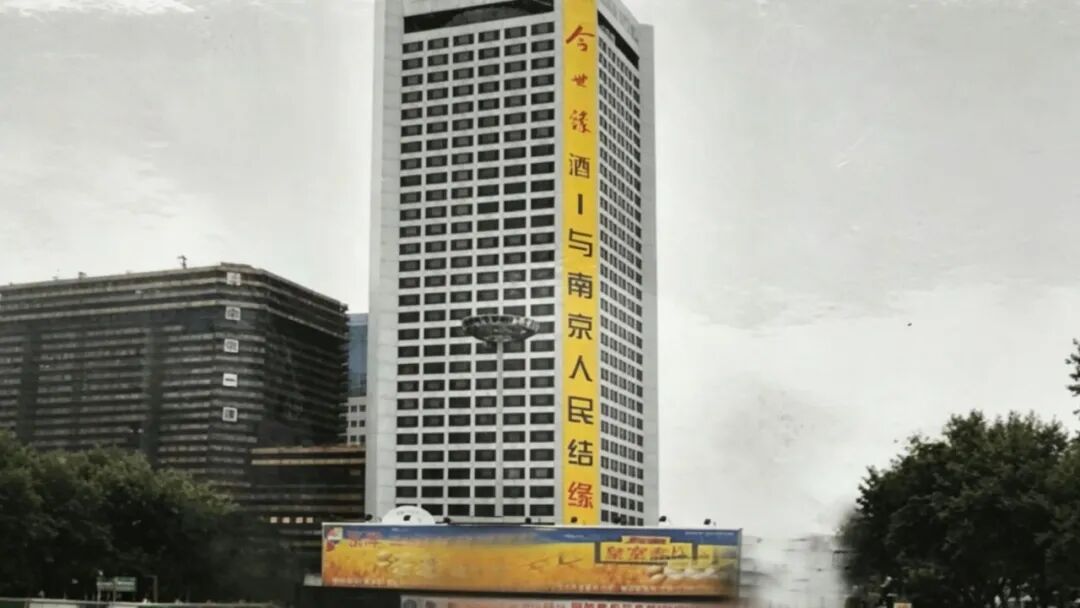
1996年8月26日,今世缘品牌在南京金陵饭店正式亮相,巨幅广告轰动行业,二十万瓶品鉴酒走向千家万户。它跳出白酒行业惯用地域命名的传统,把缘文化确立为品牌核心价值,在国内白酒行业率先扛起缘文化的大旗。
这不是简单的品牌换标,而是一次彻底的战略重构。在“白酒没有新品牌”的行业固有认知之下,今世缘硬生生开辟出一条全新赛道。中国白酒泰斗沈怡方曾评价:“今世缘是中国酒类第一个突破国家优质酒、老名牌框框,把酒文化的内涵融入到产品中去的品牌。”
自此,今世缘不再作为高沟的替代标签,成长为跳出传统白酒评价体系的全新物种。
酒业时报看来,今世缘创牌最大的价值,不在于它拯救了一家地方企业,而在于它证明了一个行业命题:在高度依赖历史资产的白酒赛道,全新品牌依靠文化创新,同样能够找到生存空间。这份“敢为天下先”的基因,从诞生之初就刻进今世缘的血脉之中。
三十年只守一个“缘”
如果说1996年品牌创立代表一份“破局之勇”,往后三十年,考验企业的便是长期定力——敢开拓,更要懂得坚守。
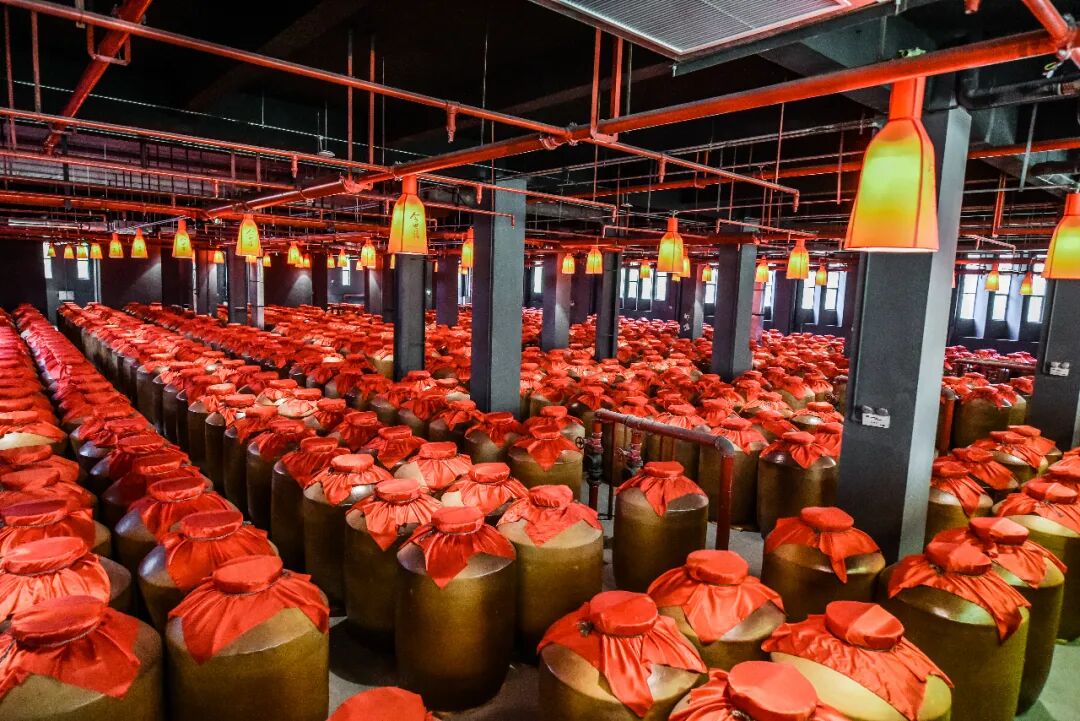
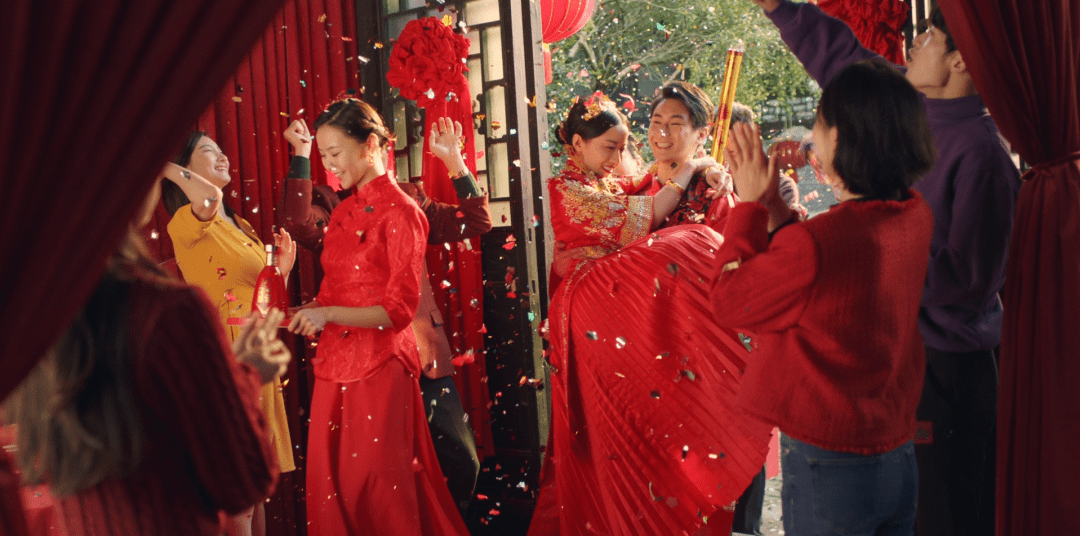
今世缘最可贵之处,不只是开创一套全新叙事,而是三十年始终守住“缘”这一核心。围绕缘文化,今世缘搭建起完整品牌生态:以“今世有缘,相伴永远”筑牢情感根基;以“有喜庆,今世缘”深耕宴席赛道;以“成大事,必有缘”打开商务消费场景。
它不去反复追溯遥远过往,而是陪伴消费者当下的人生际遇;不刻意标榜身份尊贵,专注人与人之间的情感连接。这套去历史化的文化战略,帮助今世缘跳出白酒同质化竞争泥潭。
中国酒业协会理事长宋书玉曾在多个场合谈及,缘文化是今世缘重要的文化价值载体,品牌需要站在更高维度发展缘文化,将其转化为现实生产力与企业核心竞争力。他同时评价,今世缘所倡导的缘文化与酒文化高度契合,今世缘已经成为中国白酒品牌文化创新的典型代表。
品质层面,今世缘同样敢为人先。
早在2015年,今世缘便落地行业首座智能化酿酒车间,原料输送、酿造管控、数据采集、物料管理等环节实现全流程自动化。当行业还在争论智能制造是否只是营销噱头,今世缘已经将数字化深度融入酿酒全流程。三十年间,今世缘从“淮安的飘香名片”,成长为手握“中国人的喜酒”“中华缘文化代表品牌”诸多标签的白酒企业。扛起苏酒振兴大旗,孵化国缘品牌、登陆A股主板,连续18年跻身中国白酒综合效益十强。
敢为天下先的创牌勇气,叠加三十年不变的战略定力,两股力量交织,造就如今的今世缘。
三十年“敢与守”的物化表达
如果说1996年品牌诞生是一次破局之勇,典30的问世,则是这份勇气与定力历经三十载后的集中回响。
典30并非普通年份酒,而是今世缘三十年品牌资产的系统性提纯。三十年沉淀的品质功底、文化积累、市场洞察,全部浓缩进这瓶产品之中,产品每一处细节,都在回应三十年前那次反向抉择。
一个“典”字承载三层内涵,每一层都暗含行业视角下的反向思考。
回望时光,“典”代表经典传承。历经三十年岁月沉淀,老窖微生物群与时间共同酝酿出醇厚酒体。行业不乏追逐概念的浮躁风气,典30选择沉下心打磨时间价值,这条路算不上捷径,却足够扎实。
融通风味,“典”代表兼香典范。产品融合黄淮浓香的柔和特质与清雅酱香的雅致格调,采用浓酱分型发酵工艺,两类酒体独立酿造、各有风骨。行业普遍追求单一香型做到极致,典30选择难度更高的路径,让两种风格各自出彩,经由陶坛二次陈化,借时间完成风味交融。这套“先分后合”的工艺逻辑,呼应1996年的选择:不盲从既定行业范式,走出属于自身的发展路径。
礼赞人生,“典”寓意庆典专属。人生中每一场高光盛典,都需要一杯佳酿定格珍贵瞬间。从广为熟知的宴席口号“有喜庆,今世缘”,升级到对人生盛典心境的描摹,典30推动缘文化完成由广度走向深度的跃迁。

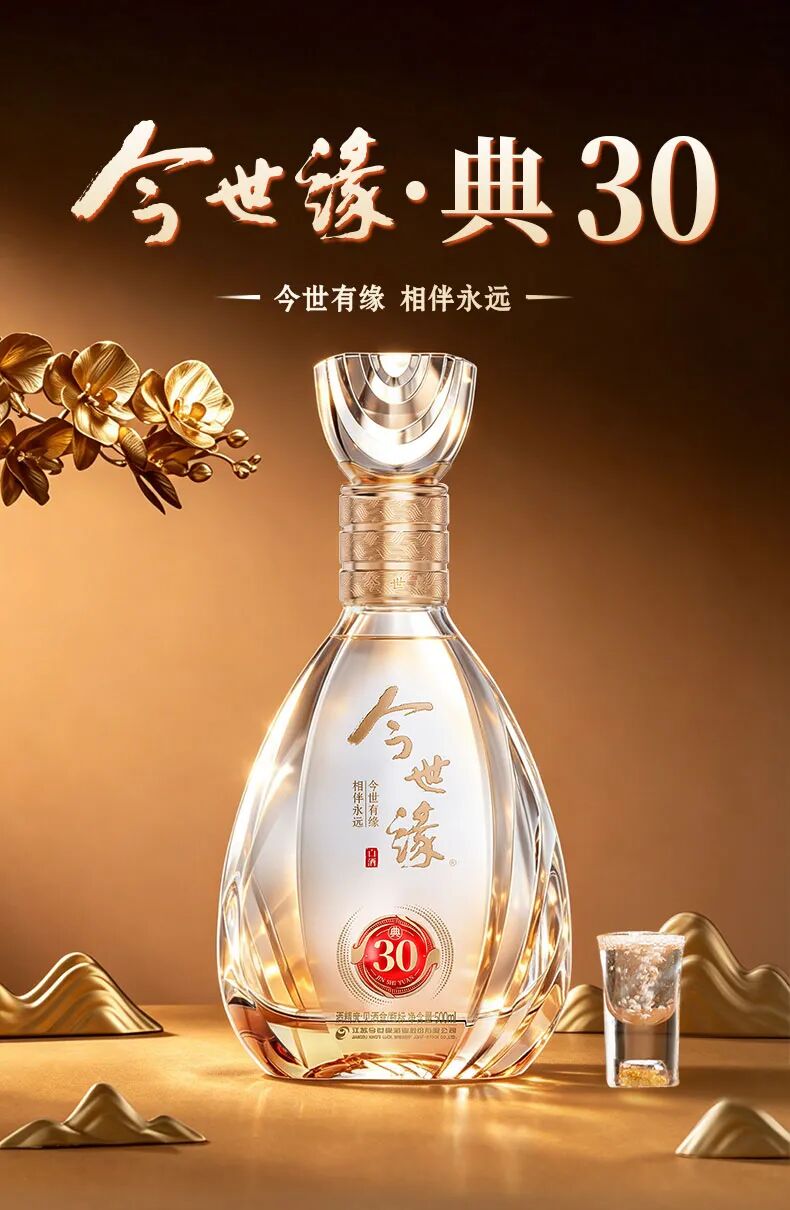
产品设计同样是一次反向操作,奉行以简驭繁的美学思路。瓶身两组流线自两侧缓缓向下,最终于瓶底位置交汇相融;瓶盖雕琢涟漪纹理,如同岁月拨动的波纹,瓶盖之上的甲骨文“皇”字羽冠造型,既是对岁月积淀的致敬,也为人生高光时刻赋予荣耀寓意。
当下白酒包装愈发追求繁复工艺与厚重质感,典30反其道而行,做设计减法。这套简约表达,恰恰契合缘文化内核:美好的缘分,本就不需要多余修饰,本质就是一场朴素的相逢。
价格带上同样上演逆向布局,典30锚定次高端赛道。2026上半年,白酒300元以上价位段整体承压,高端消费走弱、次高端内卷加剧,此时推出典30,本身就是一次反向操作。
这并非盲目乐观,而是战略定力的体现。企业此前已经明确“聚焦推广典藏20、战略培育典藏30”产品规划。越是行业调整周期,越是品牌重塑价值的窗口期,典30上市,意在行业低迷环境之下打开品牌向上成长空间。
从“江苏王”到“全国牌”的关键落子
酒业时报认为,典30上市,绝不只是简单的产品迭代,更是今世缘品牌升级、全国化布局的关键落子。
第一,典30实现今世缘品牌价值天花板突破。
从典藏5迭代至典30,典藏系列完成从百元以下到次高端以上完整价格带布局。典30的推出,推动今世缘主品牌向次高端阵地发起冲击。国缘已经站稳高端、次高端市场,典30进一步拉高今世缘主品牌价值,让“今世缘”不再局限于喜酒标签,可覆盖宴席、商务,兼顾大众消费与高阶场景。
第二,典30推动“缘文化”从广度走向深度跃迁。
过去三十年,“有喜庆,今世缘”把缘文化铺展到婚宴、寿宴、满月酒等海量宴席场景。典30赋予缘文化更深层的精神表达,不再只是喜庆场景的陪伴者,更是人生重大盛典的见证载体。完成从场景覆盖走向情绪共鸣,从功能消费升级到情感价值的叙事进阶。
第三,典30充当全国化战略的形象名片。
2026年上半年,今世缘省外营收6.73亿元,同比增长7.18%,省外营收占比首次突破10%。对于志在全国化的品牌,10%仅仅是起步。典30短期核心任务不是冲营收规模,而是在省外市场搭建品牌高端认知,扭转省外消费者“今世缘只做喜酒”的固有印象,传递品质、文化兼备的品牌形象。
“敢”与“定”的双重基因,决定了未来
当下白酒行业正经历深刻变局,总量收缩、结构分化、竞争加剧,不确定性成为行业常态。
今世缘骨子里“敢为天下先”,恰恰成为动荡环境下宝贵的资产。2026上半年,行业整体承压,今世缘二季度营收同比增长14.11%、净利润同比增长19.17%,结束连续四个季度下滑实现转正。同行选择收缩避险之时,它选择主动进攻。
今世缘确立“成为中国白酒最具成长性的创新型企业”发展愿景,执行“省内精耕提质、省外重点突破”双轮驱动战略。依托长三角一体化机遇,重点开拓山东、安徽、河南等环江苏核心市场。恰逢“十五五”规划开局,今世缘坚持向新而行、向质图强,落地市场突破、品牌跃升、组织效能、数字赋能、发展安全“五大战役”。
三十年不是故事的句点,更像品牌标识中一枚意味深长的逗号,回望来路,亦眺望远方;沉淀积累,更迸发全新动能。
酒业时报认为,一家企业能够走多远,不在于踩中多少次行业风口,而在于关键时刻敢不敢踏上少有人走的道路,以及能不能在这条路上坚守三十年。今世缘凭借创牌之初的“敢”与三十年发展的“定”,印证了这一点。而典30,就是走完三十年,企业交给行业、消费者与自身的一份答卷。
On August 26, the 30th anniversary celebration of the Jinshiyuan brand and the launch conference for Jinshiyuan · Dian 30 opened in a cloud livestream format. XR virtual reality technology ran throughout the event, folding thirty years of history into a single screen. The brand’s new strategic product, Dian 30, was officially launched, becoming the focal point of the evening. The conference devoted extensive time to recounting Jinshiyuan’s thirty-year story. But what is truly worth pondering is the product itself – Dian 30 represents both the answer to Jinshiyuan’s 30 years of “daring to be the first,” and the first comma of the next thirty years.
Everyone is talking about “heritage” – Jinshiyuan chose “newness.”
In 1996, the Chinese baijiu industry subscribed to the logic that “the older, the better.” Old famous brands, old fermentation pits, old time-honoured names – the heavier the historical accumulation, the brighter the golden signboard. But Jinshiyuan made the exact opposite choice.
At that time, the Gaojiu Distillery, one of Jiangsu’s “Three Gou and One River,” was on the brink of bankruptcy. The Jiangsu liquor sector was under siege from all directions – “Sichuan liquor advancing east, Shandong liquor pushing south, Anhui liquor rising, and foreign liquor entering the pass.” The distillery suffered from outdated equipment, unsold products, a broken cash flow, and even three consecutive months of unpaid wages.
Jinshiyuan made a decisive, almost drastic choice: abandon the established path and playbook of the old brand, and create an entirely new brand. At the time, this move was almost incomprehensible. For a distillery on the verge of collapse, the safest route would have been to cling to the “time-honoured” label as a lifeline. Jinshiyuan went in the opposite direction.
On August 26, 1996, the Jinshiyuan brand was officially unveiled at the Jinling Hotel in Nanjing. A giant billboard campaign caused a sensation in the industry, and 200,000 tasting bottles were sent to households across the country. It broke away from the industry’s convention of geographical naming, establishing “Yuan culture” (the culture of fate and relationships) as the brand’s core value, becoming the first in China’s baijiu industry to champion this concept. This was not a simple rebranding – it was a complete strategic restructuring.
Against the entrenched industry belief that “no new brands can succeed in baijiu,” Jinshiyuan carved out an entirely new path. Shen Yifang, a revered master of Chinese baijiu, once commented: “Jinshiyuan is the first Chinese liquor brand to break free from the confines of national quality awards and old famous brands, integrating the cultural connotations of liquor into the product itself.”
From that point on, Jinshiyuan ceased to be merely a substitute label for Gaojiu, and grew into a completely new entity outside the traditional baijiu evaluation system.
In the view of JiuYe Times, the greatest value of Jinshiyuan’s brand creation lies not in saving a local enterprise, but in proving an industry proposition: in the baijiu sector, which is so heavily dependent on historical assets, a completely new brand can still find a place to thrive through cultural innovation. This gene of “daring to be the first” has been embedded in Jinshiyuan’s DNA since its inception.
Thirty Years of Staying True to One “Yuan”
If the 1996 brand launch represented a “courage to break through,” then the thirty years that followed tested the company’s long-term resolve – daring to pioneer, but also knowing how to stay the course.
Jinshiyuan’s most remarkable achievement is not just creating a new narrative, but staying true to the core of “Yuan” for three decades. Around the Yuan culture, Jinshiyuan has built a complete brand ecosystem: “Fate brings us together, forever相伴” for emotional connection; “For happy occasions, Jinshiyuan” for the banquet segment; and “Great achievements are fated” for business consumption scenarios. It does not repeatedly trace a distant past, but accompanies consumers through their present life moments. It does not boast of prestige, but focuses on emotional connections between people.
This de-historicised cultural strategy has helped Jinshiyuan escape the quagmire of undifferentiated competition in baijiu. Song Shuyu, Chairman of the China Alcoholic Drinks Association, has said on multiple occasions that Yuan culture is an important cultural value carrier for Jinshiyuan, and that the brand needs to develop this culture from a higher perspective, transforming it into real productive forces and core competitiveness. He also commented that the Yuan culture championed by Jinshiyuan is highly compatible with liquor culture, and that Jinshiyuan has become a typical representative of cultural innovation in Chinese baijiu.
On the quality front, Jinshiyuan has also been a pioneer. As early as 2015, Jinshiyuan built the industry’s first intelligent brewing workshop, achieving full-process automation in raw material conveying, brewing control, data collection, and material management. While the industry was still debating whether smart manufacturing was just a marketing gimmick, Jinshiyuan had already embedded digitalisation throughout the entire brewing process.
Over three decades, Jinshiyuan has grown from “Huai’an’s aromatic calling card” to a baijiu enterprise carrying multiple labels such as “China’s celebratory liquor” and “representative brand of Chinese Yuan culture.” It has carried the banner of Jiangsu liquor revitalisation, incubated the Guoyuan brand, listed on the A-share market, and been ranked among China’s top ten baijiu enterprises in comprehensive efficiency for 18 consecutive years. The courage to be the first at brand inception, combined with three decades of unwavering strategic resolve, have intertwined to create the Jinshiyuan of today.
The Tangible Expression of Thirty Years of “Courage and Persistence”
If the birth of the brand in 1996 was an act of breakthrough courage, then the launch of Dian 30 represents the concentrated echo of that courage and resolve after thirty years.
Dian 30 is not an ordinary vintage liquor, but a systematic refinement of Jinshiyuan’s thirty-year brand equity. The quality foundation, cultural accumulation, and market insights accumulated over three decades are all concentrated into this product. Every detail of Dian 30 responds to that counter-cyclical choice made thirty years ago.
The single Chinese character “Dian” (典) carries three layers of meaning, each reflecting a counter-thought from an industry perspective.
Looking back through time, “Dian” represents classic heritage. After thirty years of sedimentation, the microbial communities in the old fermentation pits, together with time, have produced a rich and mellow body. While the industry is rife with trends and superficial concepts, Dian 30 chooses to patiently refine the value of time – this may not be the fastest path, but it is solid and dependable.
Blending flavours, “Dian” represents a model of harmonious complexity. The product combines the soft richness of Huanghuai strong-aroma with the elegant refinement of Qingya sauce-aroma, using separate fermentation processes for each style, with both liquor types brewed independently, each with its own character. While the industry generally pursues perfection in a single aroma type, Dian 30 takes the more difficult path of letting two styles each shine, and through secondary aging in clay jars, allowing time to complete the flavour integration. This “first separate, then combine” process logic echoes the choice made in 1996: not blindly following established industry paradigms, but forging its own development path.
Celebrating life, “Dian” signifies exclusive celebration. Every major milestone in life deserves a fine wine to immortalise the moment. From the well-known banquet slogan “For happy occasions, Jinshiyuan,” to a deeper portrayal of life’s celebratory moments, Dian 30 elevates the Yuan culture from breadth to depth.
The product design is also a counter-operation, embracing an aesthetic philosophy of simplicity over complexity. Two flowing lines on the bottle descend gently from both sides, eventually meeting and merging at the base. The cap is carved with rippling patterns, like the ripples of time, and topped with an oracle bone script “皇” (sovereign) crown motif – both a tribute to the accumulation of years and an emblem of glory for life’s brightest moments. While current baijiu packaging increasingly favours intricate craftsmanship and heavy textures, Dian 30 goes in the opposite direction with minimalist design. This understated expression perfectly aligns with the essence of Yuan culture: beautiful connections need no superfluous decoration – at their heart, they are simply a serendipitous encounter.
The pricing strategy also represents a counter-cyclical move, positioning Dian 30 in the sub-premium segment. In the first half of 2026, the RMB 300+ price band came under overall pressure, with weakening high-end consumption and intensifying sub-premium competition. Launching Dian 30 at this time is itself a counter-cyclical move. This is not blind optimism, but a reflection of strategic resolve. The company had previously outlined its product plan of “focusing on promoting Diancang 20 and strategically cultivating Diancang 30.” The more pronounced the industry adjustment cycle, the greater the window for brand value repositioning. Dian 30’s launch is aimed at opening up upward brand growth space in a subdued industry environment.
A Critical Move from “Jiangsu’s Champion” to “National Brand”
In the view of JiuYe Times, the launch of Dian 30 is far more than a simple product iteration – it is a critical move in Jinshiyuan’s brand upgrade and national expansion strategy.
First, Dian 30 breaks through the ceiling of Jinshiyuan’s brand value. From Diancang 5 to Dian 30, the Diancang series has completed a full price-band layout from below RMB 100 to sub-premium and above. The launch of Dian 30 propels the Jinshiyuan main brand into the sub-premium tier. Guoyuan has already established a strong foothold in the premium and sub-premium segments; Dian 30 further elevates the value of the Jinshiyuan main brand, freeing it from being limited to the “celebratory liquor” label and enabling it to cover banquets, business occasions, and both mass-market and premium scenarios.
Second, Dian 30 drives the Yuan culture from breadth to depth. Over the past thirty years, “For happy occasions, Jinshiyuan” has spread the Yuan culture across a vast array of banquet scenarios – weddings, birthday celebrations, baby blessings, and more. Dian 30 endows the Yuan culture with a deeper spiritual expression, no longer just a companion for festive occasions, but a witness to life’s major milestones. This completes the narrative progression from scenario coverage to emotional resonance, from functional consumption to emotional value.
Third, Dian 30 serves as a flagship for the national expansion strategy. In the first half of 2026, Jinshiyuan’s provincial revenue reached RMB 673 million, up 7.18% year-on-year, with the provincial share exceeding 10% for the first time. For a brand aspiring to go national, 10% is only the beginning. Dian 30’s short-term core task is not to drive revenue scale, but to build high-end brand recognition in provincial markets, reshaping provincial consumers’ perception that “Jinshiyuan is only for festive occasions,” and conveying a brand image that combines quality and culture.
The Dual Genes of “Daring” and “Resolve” Define the Future
The baijiu industry is currently undergoing profound transformation – total volume contraction, structural divergence, intensifying competition – with uncertainty becoming the new normal. Jinshiyuan’s intrinsic quality of “daring to be the first” has become a valuable asset in this turbulent environment.
In the first half of 2026, despite overall industry pressure, Jinshiyuan’s Q2 revenue grew 14.11% year-on-year and net profit grew 19.17%, marking a return to positive growth after four consecutive quarters of decline. While peers chose to retreat and play defence, Jinshiyuan chose to go on the offensive.
Jinshiyuan has set its development vision as “becoming the most growth-oriented innovative enterprise in China’s baijiu industry,” implementing a dual-driver strategy of “intensive cultivation and quality improvement within the province, and focused breakthroughs outside the province.” Leveraging the opportunities of the Yangtze River Delta integration, it is focusing on developing core markets in provinces surrounding Jiangsu, including Shandong, Anhui, and Henan.
Coinciding with the start of the “15th Five-Year Plan,” Jinshiyuan is committed to pursuing innovation and quality excellence, executing five major campaigns: market breakthroughs, brand elevation, organisational efficiency, digital empowerment, and development security.
Thirty years is not a full stop in the story, but rather a meaningful comma in the brand’s logo – looking back at the road travelled while also gazing toward the horizon; accumulating and沉淀, while also unleashing new momentum.
In the view of JiuYe Times, how far an enterprise can go depends not on how many industry tailwinds it catches, but on whether, at critical moments, it dares to take the less-travelled path – and whether it can stay on that path for thirty years. Jinshiyuan, with its initial “courage” and three decades of “resolve,” has proven this. And Dian 30 is the answer sheet that the company, after completing these thirty years, presents to the industry, to consumers, and to itself.
原创文章版权归本网所有;转载文章归原作者所有。发布者:酒业时报,转载请注明出处:https://www.thewinetimes.com/gongsi/12212