南昌市近日发布《关于表彰全市促进文旅体商融合暨服务业发展先进集体、先进个人的决定》,李渡酒业位列99家先进集体之一,与国浩南昌、南昌市人力资源服务产业园等机构同批入选。
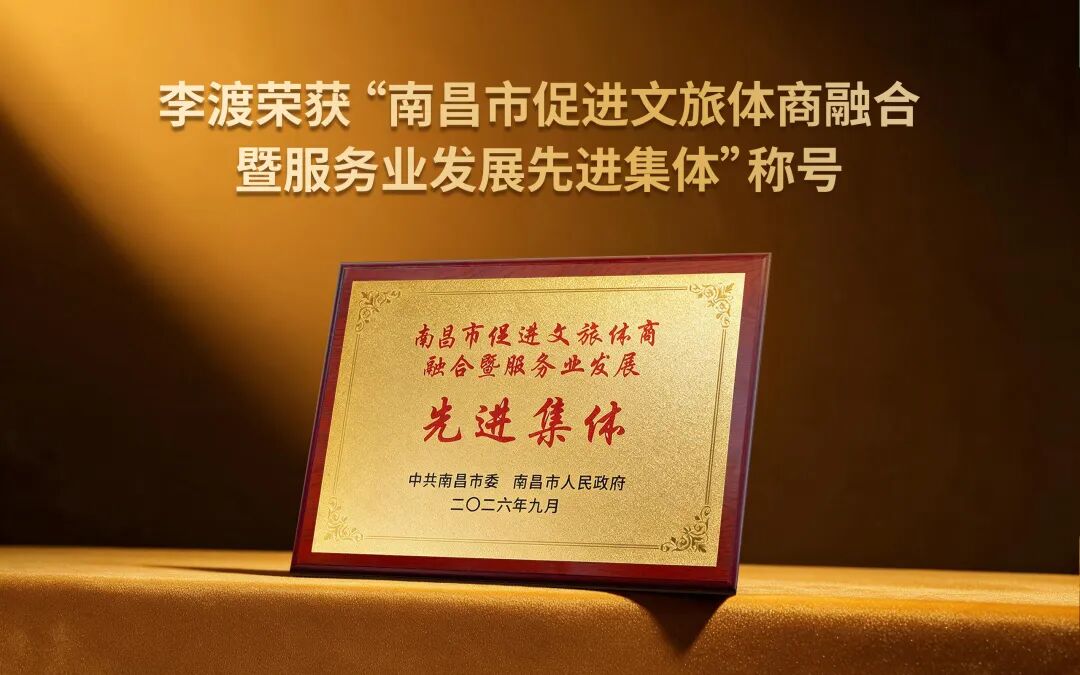
这份名单跨越法律、人力资源、检验检测等多个服务业领域,李渡是其中少数以“制造业”身份入围的企业。
一个酿酒企业,为什么会被放在“服务业发展”的表彰框架里来审视?这个问题的答案,指向的恰恰是当前白酒行业最值得关注的一个变化方向。
表彰名单里藏着一个信号
南昌市去年10月印发了《促进文旅体商多元消费业态融合发展实施方案》,提出打造“票根经济”示范案例、构建“文、旅、演、赛、商、展”六大融合载体、实施“十百千”融合消费专项行动。同年3月出台的《提振消费行动方案》进一步明确,要培育文体旅、文商旅、农文旅等融合业态,丰富文旅消费场景。
这套政策组合拳的逻辑是:在商品消费趋于饱和的背景下,用“场景”来创造新的消费增量。
李渡的入选,某种意义上是对一个企业能否成为“消费场景供给方”的检验。传统制造业企业靠产品触达消费者,而服务业场景供给方靠体验留驻消费者——李渡过去十年做的事情,恰好完成了从前者到后者的身份转换。
800年窖池的另一种用法
理解李渡模式,需要先理解一个容易被忽略的事实:它的生产车间和考古遗址是同一个物理空间。
李渡元代烧酒作坊遗址2002年被评为“全国十大考古新发现”,遗址中的元代古窖池群至今未中断使用。这意味着,当游客走进李渡酒庄时,他看到的不是一座被“封存”的博物馆,而是一条仍在运转的生产线。窖池里的微生物在酿造今天的酒,同时也在延续元代以来未曾断裂的发酵传统。
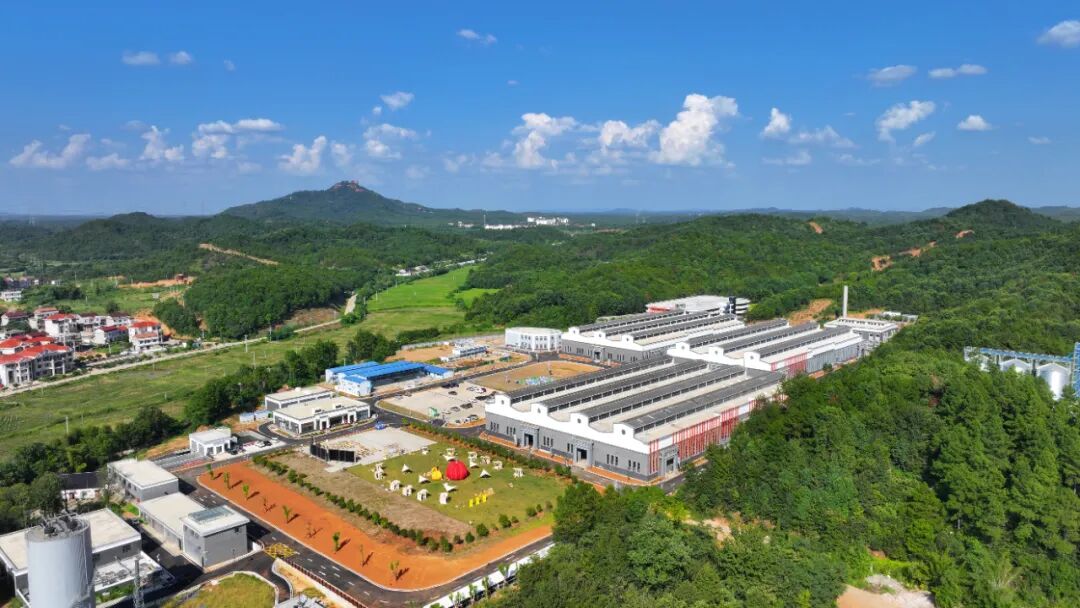
李渡将这一模式定义为“工业遗产活体保护机制”——不是把遗产供起来,而是让它在生产中继续“活着”。企业与江南大学共建古窖微生物研发中心,用高通量测序技术完成菌种分离与复壮,窖泥中至今保有167个OTU(远古古菌群落)。
在酒业时报看来,这构成了李渡最不可复制的竞争壁垒——多数酒企的“文化”需要被讲述,而李渡的“文化”可以直接参与生产。消费者品到的不仅是一杯酒的风味,还是一段持续八百年的微生物演化史。
把酒庄“拆开”装进城市
如果只有酒庄体验,李渡的模式仍然会受到地理半径的约束。真正的规模化,发生在“知味轩”出现之后。
李渡构建了“总舵-分舵-小舵”三级体验架构:总舵是位于进贤县李渡镇的李渡酒庄,承担最完整的沉浸式体验,包括被内部称为“七个一”的体验模块——酒糟冰棒、酒糟鸡蛋、酒艺表演、自调定制酒、酒王争霸赛、白酒品评课和全酒宴。分舵是遍布全国核心城市的知味轩体验馆,将酒庄体验的精华版本下沉至城市中心。小舵则嵌入烟酒店终端和企业场景,完成初步触达。
据东吴证券研报分析,李渡这套沉浸式体验模式还有另一种“四级模式”的划分口径,正在省外市场有序复制,驱动不同价位带产品的增量转化。
酒业时报认为,这套体系的关键不在于“覆盖了多少城市”,而在于它把一次性的“参观”变成了可重复的“日常行为”。一位消费者不太可能每周去一趟李渡镇,但他可以每周去一次所在城市的知味轩。体验的频率决定了关系的深度。
据公开报道,李渡酒庄每年吸引超15万人次参观,2024至2025年连续两年营收突破10亿元。2025年3月启动的申遗献礼文化季期间,酒庄参观人数同比激增310.83%。
一家酒企能为一座城市提供什么
将视角从企业拉回到南昌市。这座中部省会城市正在全力推动服务业扩能提质,“票根经济”示范区建设是其标志性动作——游客凭一张赛事或演出票根,可以在全市景区、酒店、餐饮享受折扣。
这个逻辑的核心是“流量转化”:用文化体育活动把人引进来,再用消费场景把人留下来。
李渡在这个框架中的角色比较特殊。它不依赖城市已有的文旅流量,而是自身就是一个独立的“流量发生器”。游客专程从外地赶来李渡镇,因为这里的元代窖池、沉浸式体验和瓷酒共生文化在其他地方无法复制。这些人在南昌的住宿、餐饮、交通消费,构成了服务业增量的真实来源。
进贤县层面,李渡镇正依托白酒产业和古建资源,通过串点成线打造精品线路,盘活闲置文旅资源。酒糟鸡蛋、酒糟冰棒等衍生体验产品带动了周边农产品销售,封坛定制和文创开发则把“文化流量”转化为可持续的消费行为。
酒业时报看来,李渡获奖的意义不在于“一家酒企做得好”,而在于它展示了一种可能性:当制造业企业主动向“体验服务供给方”转型时,它对地方经济的贡献就不再局限于税收和就业,而是延伸到了消费场景的创造和城市品牌的塑造。这对南昌市正在推进的服务业扩能提质行动,提供了一个来自传统产业的注脚。
体验经济的白酒版本
白酒行业不缺“酒旅融合”的案例。五粮液在宜宾打造了501中国白酒文化圣地,将活态窖池保护与沉浸体验结合;衡昌烧坊酒庄自2025年6月开业以来,以圈层品鉴和商务活动为主要场景。这些探索各有侧重,但多数仍围绕“展示”和“接待”展开。
李渡的差异化在于,它的体验设计从一开始就不是为“参观者”设计的,而是为“参与者”设计的。自调酒需要动手,酒王争霸赛需要互动,“七个一”中的每一“一”都要求消费者投入感官和行动。当消费者亲手调配出一瓶属于自己的酒时,他与品牌之间的关系已经从“购买”变成了“创作”。
这种模式的商业价值已在数据中得到验证:知味轩网络在疫情后加速扩张,省外千万级市场持续渗透,200元价位带的李渡王和400元价位带的1975逐步放量。
酒业时报认为,李渡案例对行业的最大启示或许不在于“怎么做体验”,而在于“怎么理解体验”。体验不是营销的附属品,而是一种独立的产品形态——它有自己的生产流程(三级架构)、有自己的交付标准(七个一模块)、有自己的复购逻辑(知味轩的日常触达)。把体验当作产品来经营,而不是当作手段来使用,这可能是李渡与其他酒旅融合实践之间最本质的区别。
当南昌市把“服务业发展先进集体”的称号授予一家酿酒企业时,它承认的或许正是这种身份的转变:一家工厂可以成为一座城市消费生态的有机组成部分。
Nanchang recently issued the “Decision on Commending Advanced Collectives and Individuals in the City for Promoting the Integration of Culture, Tourism, Sports and Commerce and the Development of the Service Industry.” Lidu Distillery was listed among the 99 advanced collectives, selected alongside institutions such as Guohao Nanchang and the Nanchang Human Resources Service Industrial Park. The list spans multiple service sectors including law, human resources, inspection and testing, and Lidu is one of the few manufacturing enterprises included.
Why would a brewing company be examined within the framework of “service industry development” commendations? The answer to this question points precisely to one of the most noteworthy changes in the current baijiu industry.
PART 01
A Signal Hidden in the Commendation List
In October last year, Nanchang issued the “Implementation Plan for Promoting the Integrated Development of Diverse Consumer Formats in Culture, Tourism, Sports and Commerce,” proposing to create demonstration cases of the “ticket stub economy,” build six major integration carriers of “culture, tourism, performance, competition, commerce and exhibition,” and implement the “Ten Hundred Thousand” integrated consumption special action. The “Consumption Stimulation Action Plan” issued in March of the same year further clarified the need to cultivate integrated formats such as culture-sports-tourism, culture-commerce-tourism, and agriculture-culture-tourism, and enrich cultural tourism consumption scenarios.
The logic of this policy package is: against the backdrop of saturated commodity consumption, use “scenarios” to create new consumption increments. Lidu’s inclusion is, in a sense, a test of whether an enterprise can become a “supplier of consumption scenarios.” Traditional manufacturing enterprises reach consumers through products, while service industry scenario suppliers retain consumers through experiences — what Lidu has done over the past decade happens to complete the identity transformation from the former to the latter.
PART 02
Another Use for an 800-Year-Old Cellar
To understand the Lidu model, one must first understand an easily overlooked fact: its production workshop and archaeological site are the same physical space. The Lidu Yuan Dynasty Distillery Site was named one of the “Top Ten New Archaeological Discoveries in China” in 2002, and the Yuan Dynasty ancient cellar pits at the site have never ceased being used. This means that when tourists walk into Lidu Estate, what they see is not a “sealed” museum, but a production line still in operation. The microorganisms in the cellar pits are brewing today’s liquor while also continuing a fermentation tradition unbroken since the Yuan Dynasty.
Lidu defines this model as a “living industrial heritage protection mechanism” — not enshrining heritage, but letting it continue to “live” in production. The company has jointly built an ancient cellar microorganism research centre with Jiangnan University, using high-throughput sequencing technology to complete strain isolation and rejuvenation; the cellar mud still contains 167 OTUs (ancient archaeal communities). In the view of JiuYe Times, this constitutes Lidu’s most irreplicable competitive barrier — most liquor companies’ “culture” needs to be told, while Lidu’s “culture” can directly participate in production. What consumers taste is not only the flavour of a cup of liquor, but also a history of microbial evolution lasting eight hundred years.
PART 03
Taking the Estate Apart and Installing It in the City
If there were only the estate experience, Lidu’s model would still be constrained by geographic radius. True scale occurred after the emergence of “Zhiwei Xuan.” Lidu has built a three-tier experience architecture of “headquarters-branch-outpost”: the headquarters is Lidu Estate in Lidu Town, Jinxian County, undertaking the most complete immersive experience, including an experience module internally called the “Seven Ones” — distiller’s grains ice pops, distiller’s grains eggs, liquor art performances, self-blended custom liquor, liquor king competition, baijiu tasting class, and a full liquor banquet. Branches are Zhiwei Xuan experience pavilions across core cities nationwide, bringing a distilled version of the estate experience down to city centres. Outposts are embedded in tobacco and liquor store terminals and corporate scenarios, completing initial reach.
According to a Dongwu Securities research report, Lidu’s immersive experience model also has another “four-tier model” classification, which is being replicated in an orderly manner in markets outside the province, driving incremental conversion of products at different price bands. In the view of JiuYe Times, the key to this system is not “how many cities it covers,” but that it turns a one-time “visit” into a repeatable “daily behaviour.” A consumer is unlikely to go to Lidu Town every week, but he can go to Zhiwei Xuan in his city every week. The frequency of experience determines the depth of the relationship.
According to public reports, Lidu Estate attracts over 150,000 visitors annually, and revenue exceeded RMB 1 billion for two consecutive years in 2024 and 2025. During the cultural season for the World Heritage application launched in March 2025, estate visits surged 310.83% year-on-year.
PART 04
What Can a Liquor Company Offer a City?
Shift the perspective from the enterprise back to Nanchang. This central provincial capital is making every effort to promote the expansion and quality improvement of the service industry. The construction of the “ticket stub economy” demonstration zone is its signature move — tourists can enjoy discounts at scenic spots, hotels, and restaurants throughout the city with a single event or performance ticket stub. The core of this logic is “traffic conversion”: use cultural and sports activities to bring people in, then use consumption scenarios to keep them.
Lidu’s role in this framework is somewhat special. It does not rely on the city’s existing cultural tourism traffic; rather, it is itself an independent “traffic generator.” Tourists make special trips from other places to Lidu Town because the Yuan Dynasty cellar pits, immersive experiences, and porcelain-liquor symbiosis culture here cannot be replicated elsewhere. The accommodation, dining, and transportation consumption of these people in Nanchang constitutes a real source of service industry increment.
At the Jinxian County level, Lidu Town is relying on its baijiu industry and ancient architectural resources to create premium routes by connecting points into lines, revitalising idle cultural tourism resources. Derivative experience products such as distiller’s grains eggs and distiller’s grains ice pops have driven sales of surrounding agricultural products, while sealed cellar customisation and cultural creative development transform “cultural traffic” into sustainable consumer behaviour.
In the view of JiuYe Times, the significance of Lidu’s award lies not in “a liquor company doing well,” but in the possibility it demonstrates: when a manufacturing enterprise proactively transforms into an “experience service supplier,” its contribution to the local economy is no longer limited to taxes and employment, but extends to the creation of consumption scenarios and the shaping of city brand. This provides a footnote from a traditional industry for Nanchang’s ongoing service industry expansion and quality improvement initiative.
PART 05
A Baijiu Version of the Experience Economy
The baijiu industry is not short of “liquor-tourism integration” cases. Wuliangye has built the 501 China Baijiu Culture Sanctuary in Yibin, combining living cellar protection with immersive experiences; Hengchang Shaofang Estate, since opening in June 2025, has focused on circle tastings and business activities as its main scenarios. These explorations have different emphases, but most still revolve around “display” and “reception.”
Lidu’s differentiation lies in the fact that its experience design was never designed for “visitors” from the start, but for “participants.” Self-blending requires hands-on action, the liquor king competition requires interaction, and each of the “Seven Ones” requires consumers to invest their senses and actions. When consumers personally blend a bottle of liquor belonging to themselves, their relationship with the brand has already changed from “purchase” to “creation.”
The commercial value of this model has been verified in data: the Zhiwei Xuan network accelerated expansion after the pandemic, continuously penetrated tens-of-millions-level markets outside the province, and gradually increased volume for Lidu Wang in the RMB 200 price band and 1975 in the RMB 400 price band.
In the view of JiuYe Times, the greatest inspiration of the Lidu case for the industry may not be “how to do experiences,” but “how to understand experiences.” Experience is not an accessory to marketing, but an independent product form — it has its own production process (three-tier architecture), its own delivery standards (Seven Ones modules), and its own repurchase logic (daily reach of Zhiwei Xuan). Treating experience as a product to operate, rather than as a means to use, may be the most essential difference between Lidu and other liquor-tourism integration practices.
When Nanchang awards the title of “Advanced Collective in Service Industry Development” to a brewing enterprise, what it recognises may precisely be this identity transformation: a factory can become an organic component of a city’s consumption ecosystem.
原创文章版权归本网所有;转载文章归原作者所有。发布者:酒业时报,转载请注明出处:https://www.thewinetimes.com/gongsi/13013