近日,劲牌2026年度“透明劲牌·探源寻真”品质溯源直播行首站活动,在医圣李时珍故里——湖北蕲春落幕。3小时无滤镜直播,59个道地原料基地,10.8%的逆势增长。当大多数酒企还在直播间里吆喝促销时,劲牌已经把镜头架进了桑田。
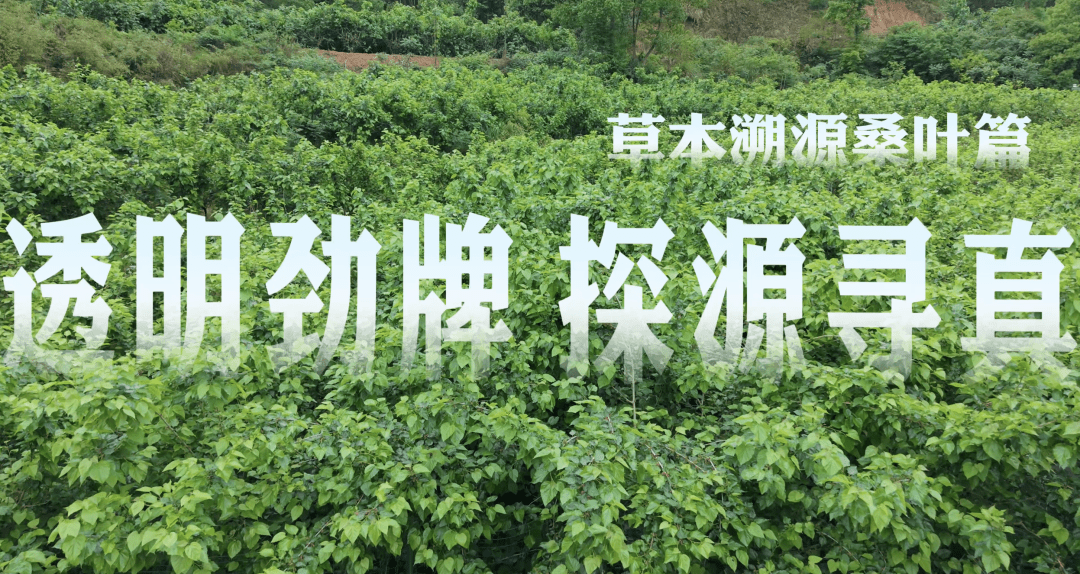
在酒业时报看来,这场发生在医圣李时珍故里湖北蕲春的品质溯源直播,不仅是一次品牌透明化的大胆实验,更揭示了健康酒品类竞争的全新逻辑:从工厂到田野,谁能在产业链的最前端建立信任,谁就能在消费者心中占据不可替代的位置。
把品质晒在阳光下
劲牌2026年度“透明劲牌·探源寻真”品质溯源直播行首站,由极目新闻联合中国国家地理、劲牌公司开展,3小时无滤镜不间断直播,深入桑叶种植基地。
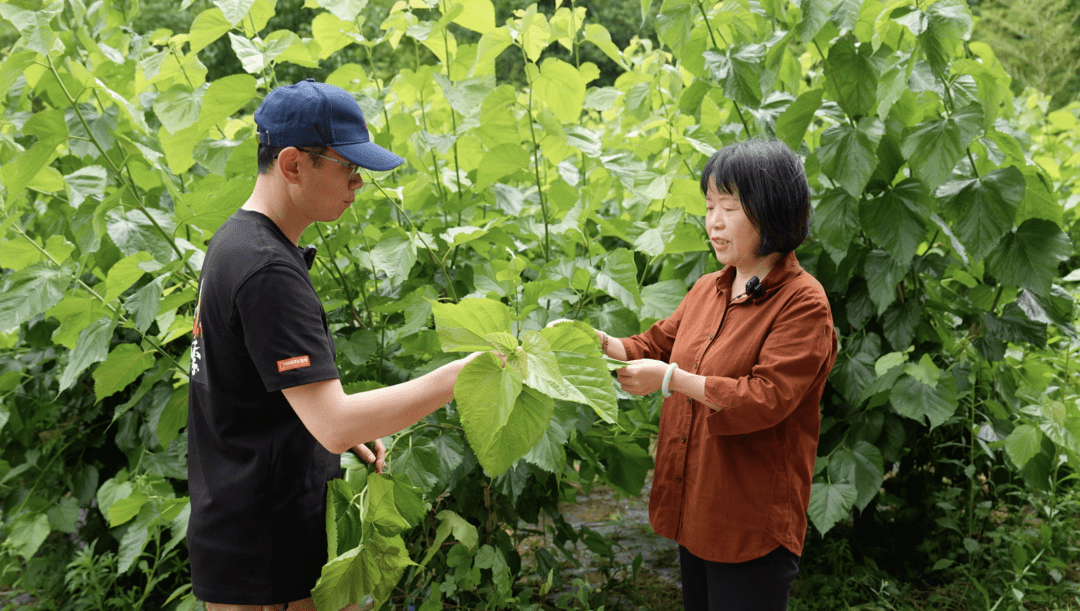
劲牌科研专家与农业技术人员在田间现场采样检测,从土壤成分到桑叶活性物质含量全部当场验证。中国国家地理团队解析了蕲春北纬30度黄金带的独特禀赋:亚热带季风气候、富硒土壤孕育出高含量有效成分的优质桑叶。
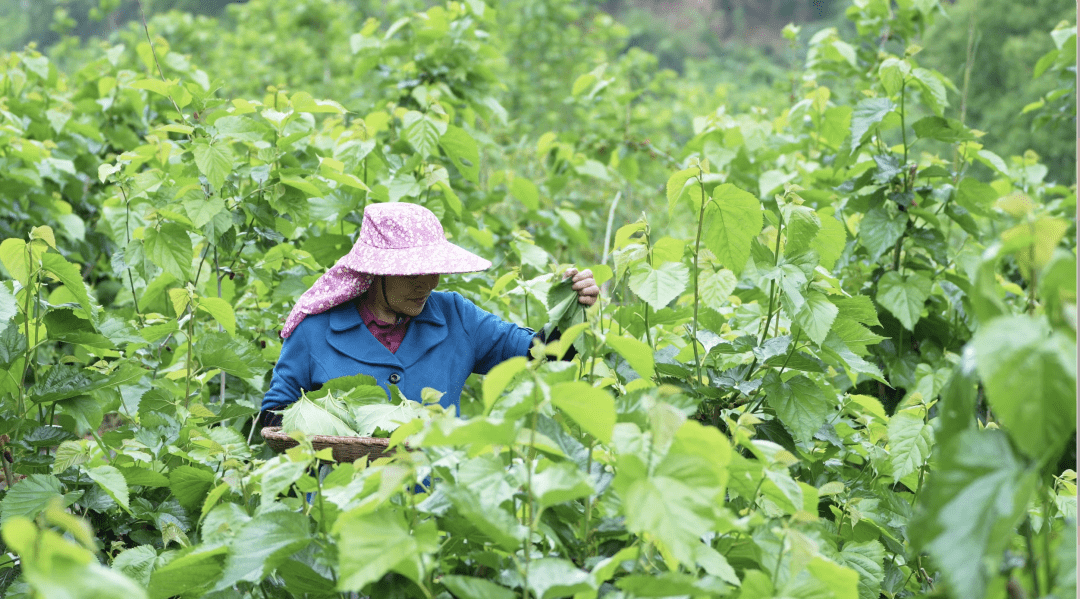
直播下半场,非遗达人带领网友体验桑叶植物拓印、桑叶手串等手作,主播现场制作桑叶豆腐、桑叶馒头。基地负责人分享坚守桑田的故事,传递劲牌尊重劳动、敬畏自然的人文关怀。
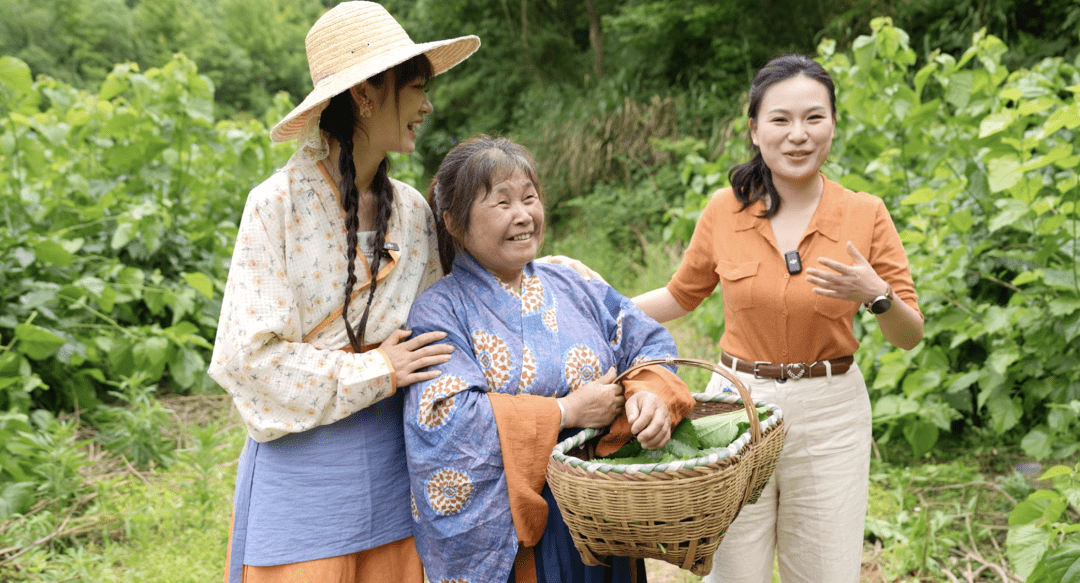
这场直播串联起自然生态、千年本草、硬核科技与人间烟火,用可验证的透明实践解锁了桑叶的生长密码与品质标准,展现了劲牌坚守品质初心、严控原料的品牌担当。蕲春是2026系列溯源的首站,未来团队还将走进四川凉山、青海柴达木、新疆和田等产区。
透明化的三种范式
劲牌的田间溯源并非孤例。同仁堂、伊利、蒙牛分别代表了三种不同逻辑的透明化路径。
同仁堂以“修合无人见,存心有天知”的自律立足。其核心信条“炮制虽繁必不敢省人工,品味虽贵必不敢减物力”传承三百余年,安宫牛黄丸制作技艺被列为国家级非物质文化遗产。这种不依赖现代传播手段、依靠代代匠心积累的信任,是“老字号”最牢固的基石。
伊利与蒙牛则将透明化打造成规模化工业文旅。伊利开放34家品质溯源工厂,累计接待游客超3亿人次;蒙牛开展“世界品质游”,超30家工厂向公众开放,武汉工厂每批产品历经137道检测,宁夏工厂实现质量“一键追溯”。蒙牛将其概括为“先卖信任、再卖牛奶”——信任成为消费决策的起点。
劲牌走出了第三条路:将直播镜头从工厂车间架到田间地头。在蕲春桑田,科研人员现场采样检测,全链条无死角呈现。其底气来自全国59个道地草本直供基地,以及中药指纹图谱等核心技术支撑的全程品质追溯。
三种范式各有侧重,没有高下之分。同仁堂用时间证明了自律的力量,乳企用规模证明了开放的价值,而劲牌则探索出“工厂透明+原料溯源”的双维模式,将品质信任的边界从车间延伸到了田野。
劲牌为何要将透明化做到产业链最前端
劲牌选择蕲春桑田作为溯源首站,源于对健康酒品类品质逻辑的深刻理解。
健康酒的核心竞争力首先在原料。不同于传统白酒聚焦酿造工艺和年份储存,劲牌的产品力高度依赖草本原料的道地性与有效成分。如果消费者只看得到灌装线,却看不到桑田环境,品质信任就是残缺的。
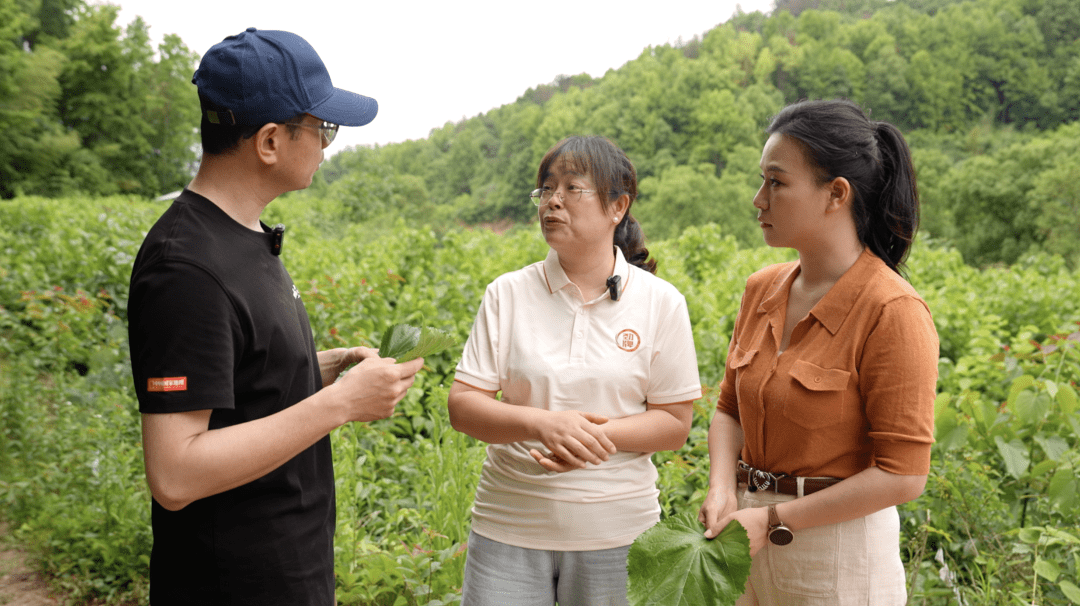
劲牌的双维透明策略正是对此的直接回应:“透明工厂”解决制造的可信度,“原料溯源”解决来源的可信度。此前劲牌已开通透明工厂线上直播;今年启动的“探源寻真”则将镜头延伸至田野,让消费者看到从田间到舌尖的完整闭环。
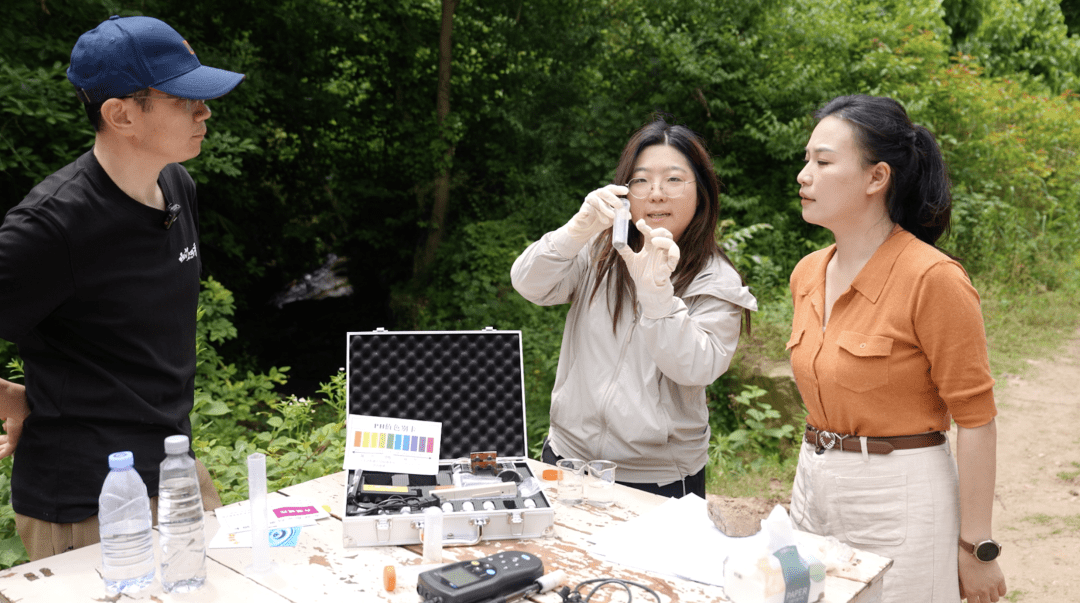
市场效果已经显现。2025年行业整体承压,劲牌却逆势增长10.8%,劲酒单品增长超20%。通过透明化直播,劲牌过去两年新增900多万18-30岁年轻用户和400多万女性用户,线上订单中年轻女性贡献占比高达62%。
劲牌的探索代表了透明化的“第三范式”——全链溯源式透明。其59个道地基地位于不同地域,每一站溯源都是一次独立的内容输出。对于以“草本健康”为核心差异化的品牌,这种深度溯源正是构建品类信任的最直接路径。
透明化正在从“可选”变为“必选”
纵观三类企业的实践,一个清晰趋势浮现:透明化正从企业的“可选项”变成行业竞争的“必选项”。
在消费者主权时代,品质竞争的重心从“企业说什么”转向“消费者看到什么”。“追根溯源、验真求实”已成为国民选购决策标准。劲牌逆势增长10.8%、两年新增千万年轻用户,伊利超3亿人次参观,蒙牛每年数十万游客走进工厂——这些数字背后,是品牌从“卖货”到“建立信任资产”的认知跃迁。
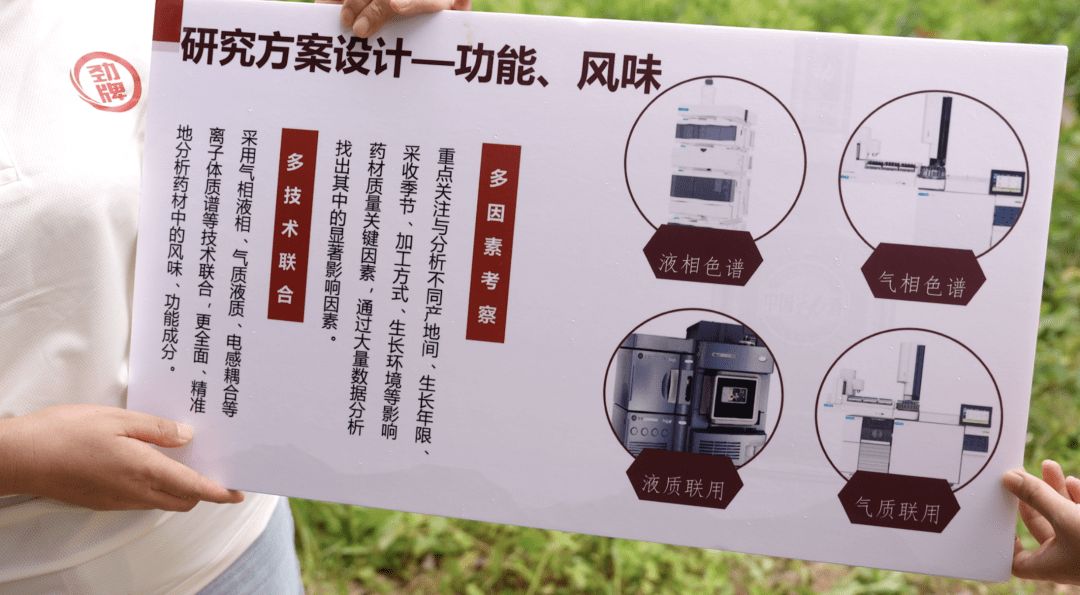
对酒行业而言,劲牌的探索尤具启发。酒类消费者长期习惯于“听故事”而非“看证据”。劲牌将原料从田间到车间的全过程“晒在阳光下”,不仅是对消费者的尊重,更是对行业品质传播方式的重构。
透明化的深入推进也面临现实挑战:在全国59个基地持续溯源直播,需要长期人力和内容投入,如何从“一时热度”进化为“长效机制”仍是课题。但方向已明确:透明化不是品牌秀,而是信任的长跑。
酒业时报认为,下一阶段酒类品质竞争,本质上是“透明度深度”的较量。谁能在更长、更细的产业链上实现全链透明,谁就能建立起难以撼动的信任壁垒。劲牌的蕲春溯源之旅正是这场较量的第一枪。同仁堂、伊利、蒙牛的实践则为行业提供了宝贵参照——透明化没有唯一答案,但有一个共同方向:让消费者看见,让信任发生。
While most liquor brands are still hawking promotions in livestreaming studios, Jing Brand has moved its cameras into the mulberry fields.
The first stop of Jing Brand’s 2026 “Transparent Jing Brand · Tracing the Source for Authenticity” quality traceability livestream series recently concluded in Qichun, Hubei Province — the hometown of Li Shizhen, the legendary “medicine saint” of Chinese history. Over three hours of unfiltered livestreaming, covering 59 authentic raw material bases, the event was accompanied by a striking figure: 10.8% counter-trend growth.
In our view, this quality traceability livestream — held in the very place where one of China’s greatest medical scholars once lived — is not just a bold experiment in brand transparency. It reveals a new competitive logic for the healthy liquor category: from factory to field, whoever can build trust at the very front end of the industrial chain will occupy an irreplaceable position in consumers’ minds.
Part 01: Putting Quality in the Sunlight
The first stop of Jing Brand’s 2026 “Transparent Jing Brand · Tracing the Source for Authenticity” livestream series was jointly organized by Jimu News, Chinese National Geography, and Jing Brand. The three-hour, filter-free livestream took viewers deep into mulberry leaf cultivation bases.
Jing Brand’s research experts and agricultural technicians collected and tested samples on-site — everything from soil composition to the active compound content of mulberry leaves was verified live. The Chinese National Geography team explained the unique advantages of Qichun’s “golden latitude” at 30°N: a subtropical monsoon climate and selenium-rich soil that produce high-quality mulberry leaves with high levels of effective ingredients.
In the second half of the livestream, an intangible cultural heritage artisan guided viewers through hands-on activities like plant rubbing and making mulberry leaf bracelets, while the host prepared mulberry leaf tofu and mulberry leaf steamed buns on camera. The base manager shared stories of tending the mulberry fields, conveying Jing Brand’s respect for labor and nature — a distinctly human touch.
This livestream wove together natural ecology, centuries-old herbal wisdom, hardcore technology, and everyday life. By using verifiable, transparent practices, it unlocked the growth secrets and quality standards of mulberry leaves — and demonstrated Jing Brand’s commitment to quality integrity and strict raw material control. Qichun is just the first stop in the 2026 traceability series. The team will next head to production regions in Liangshan (Sichuan), Qaidam (Qinghai), and Hotan (Xinjiang).
Part 02: Three Models of Transparency
Jing Brand’s field-level traceability is not an isolated case. Tong Ren Tang, Yili, and Mengniu represent three different approaches to transparency.
Tong Ren Tang relies on the principle of self-discipline: “No one sees the blending, but heaven knows your conscience.” Its core creed — “Even if it requires extra effort, never cut corners; even if ingredients are costly, never skimp on quality” — has been passed down for over 300 years. Its Angong Niuhuang Pill (a traditional remedy for acute febrile diseases) craftsmanship is listed as a national intangible cultural heritage. Without relying on modern media, this trust built through generations of dedication is the strongest foundation of a “time-honored” brand.
Yili and Mengniu have turned transparency into large-scale industrial cultural tourism. Yili has opened 34 quality traceability factories and received over 300 million visitors in total. Mengniu runs “World-Class Quality Tours” with more than 30 factories open to the public; its Wuhan factory puts every batch through 137 tests, and its Ningxia factory enables “one-click traceability” for quality. Mengniu sums up its philosophy as “Sell trust first, then milk.” Trust becomes the starting point of purchase decisions.
Jing Brand has pioneered a third path: moving the livestream camera from the factory floor to the fields. In the mulberry fields of Qichun, researchers conducted on-site sampling and testing, presenting the entire chain with no hidden corners. This confidence is backed by 59 authentic, direct-supply herbal bases nationwide, and supported by core technologies such as TCM fingerprinting for full-chain quality traceability.
Each of these three models has its own focus; none is superior to the others. Tong Ren Tang proves the power of self-discipline with centuries of history. The dairy giants prove the value of openness with scale. Jing Brand has explored a dual-dimensional model — “factory transparency + raw material traceability” — extending the boundary of quality trust from the workshop to the wilderness.
Part 03: Why Jing Brand Pushes Transparency to the Very Front of the Chain
Jing Brand chose the mulberry fields of Qichun as the first traceability stop because of a deep understanding of the healthy liquor category’s quality logic.
The core competitiveness of healthy liquor starts with raw materials. Unlike traditional baijiu, which focuses on brewing techniques and aging, Jing Brand’s product strength heavily depends on the authenticity and active compound content of its herbal ingredients. If consumers can only see the bottling line, but not the mulberry fields, their trust in quality remains incomplete.
Jing Brand’s dual-dimensional transparency strategy is a direct response to this challenge: “Transparent factory” addresses manufacturing credibility; “raw material traceability” addresses sourcing credibility. Jing Brand already offers a transparent factory livestream online. With the “Tracing the Source for Authenticity” initiative launched this year, the camera now extends to the fields, giving consumers a complete, farm-to-tongue closed loop.
The market results are already visible. In 2025, while the industry faced headwinds, Jing Brand grew 10.8% against the trend, with its core Jingjiu product achieving over 20% growth. Through transparent livestreams, Jing Brand has gained more than 9 million new users aged 18–30 and over 4 million new female users in the past two years. Among online orders, young women now account for 62%.
Jing Brand’s exploration represents a “third paradigm” of transparency: full-chain traceability. Its 59 authentic bases are spread across different regions, and each traceability stop becomes an independent piece of content. For a brand whose core differentiation is “herbal health,” this depth of traceability is the most direct path to building category trust.
Part 04: Transparency Is Becoming a Must-Have, Not a Nice-to-Have
Looking at the practices of these three types of companies, a clear trend emerges: transparency is shifting from a “nice-to-have” option for brands to a “must-have” competitive necessity.
In the era of consumer sovereignty, the center of quality competition has moved from “what the brand says” to “what the consumer sees.” “Tracing the source, verifying the truth” has become a standard criterion for purchasing decisions. Jing Brand’s counter-trend growth of 10.8%, its addition of 10 million young users in two years, Yili’s 300 million-plus factory visits, Mengniu’s hundreds of thousands of annual visitors — behind these numbers is a cognitive shift for brands: from “selling goods” to “building trust assets.”
For the liquor industry, Jing Brand’s exploration is especially instructive. Liquor consumers have long been accustomed to “hearing stories” rather than “seeing evidence.” By putting the entire process of raw materials — from field to workshop — “in the sunlight,” Jing Brand not only respects consumers but also reshapes how the industry communicates quality.
That said, deepening transparency faces real challenges. Sustaining traceability livestreams across 59 nationwide bases requires long-term manpower and content investment. How to move from “temporary buzz” to “long-term mechanism” remains an open question. But the direction is clear: transparency is not a brand stunt — it’s a long-distance trust race.
We believe that the next phase of quality competition in the liquor industry will essentially be a contest of transparency depth. Whoever can achieve full-chain transparency across a longer, finer-grained supply chain will build an unassailable trust barrier. Jing Brand’s Qichun traceability journey is just the first shot in this contest. The practices of Tong Ren Tang, Yili, and Mengniu offer valuable benchmarks for the industry. Transparency has no single answer — but it has a shared direction: let consumers see, and let trust happen.
原创文章版权归本网所有;转载文章归原作者所有。发布者:酒业时报,转载请注明出处:https://www.thewinetimes.com/gongsi/10836