10月25日,太原钟楼街,聆竹酒文化活态体验空间开业暨“汾享青春”系列新品发布会圆满举办。活动同步推出汾享青春竹叶青、汾享青春玫瑰汾、汾享青春白玉汾三款年轻化露酒新品。一边是面向新生代的轻量化露酒产品矩阵,一边是集酒、茶、餐、礼、旅于一体的创新实体空间,双轮并行,推动拥有汾酒酿制技艺、竹叶青酒泡制技艺双非遗底蕴的草本露酒,从传统瓶装养生酒,转型成为当代东方轻养生生活的重要接口。
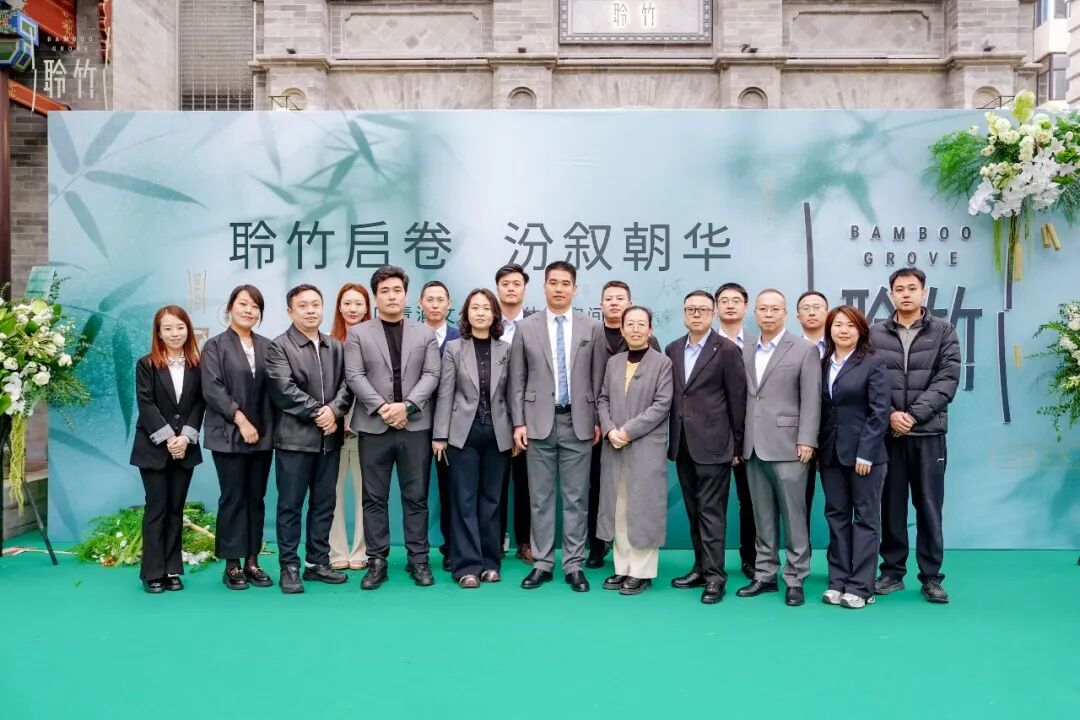
当下露酒赛道正在发生深刻转变,品类逻辑从传统“瓶装养生酒”,迭代为“轻养生生活组件”。行业竞争不再局限于货架产品比拼,场景拼接、内容输出、跨界共建的能力愈发关键。本次落地钟楼街的聆竹,正是这套创新逻辑的具象载体,也是本次活动的核心亮点。
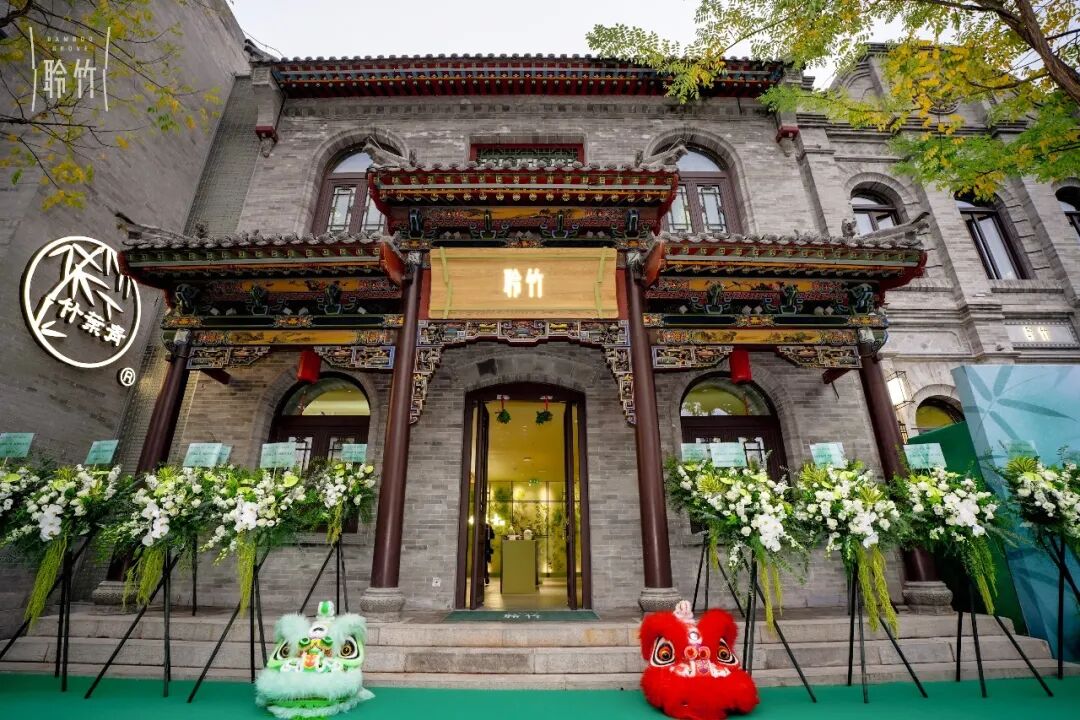
聆竹跳出传统烟酒零售门店的固有模式,不再把售卖酒水作为唯一目标,而是将酒打造成为风味中枢与文化内容入口,构建起一套完整的东方生活体验业态。空间进行分层功能规划:一层面向街区流动客群,主打草本茶饮、露酒调饮、非遗文创零售,适配打卡游览的消费需求;二层打造傅山文化轻餐火锅、沙龙私享场地,承接深度慢社交。门店常态化落地节气品鉴、傅山主题论坛、草本趣味体验、植脉主题活动等丰富内容,持续为消费者创造复购体验理由。
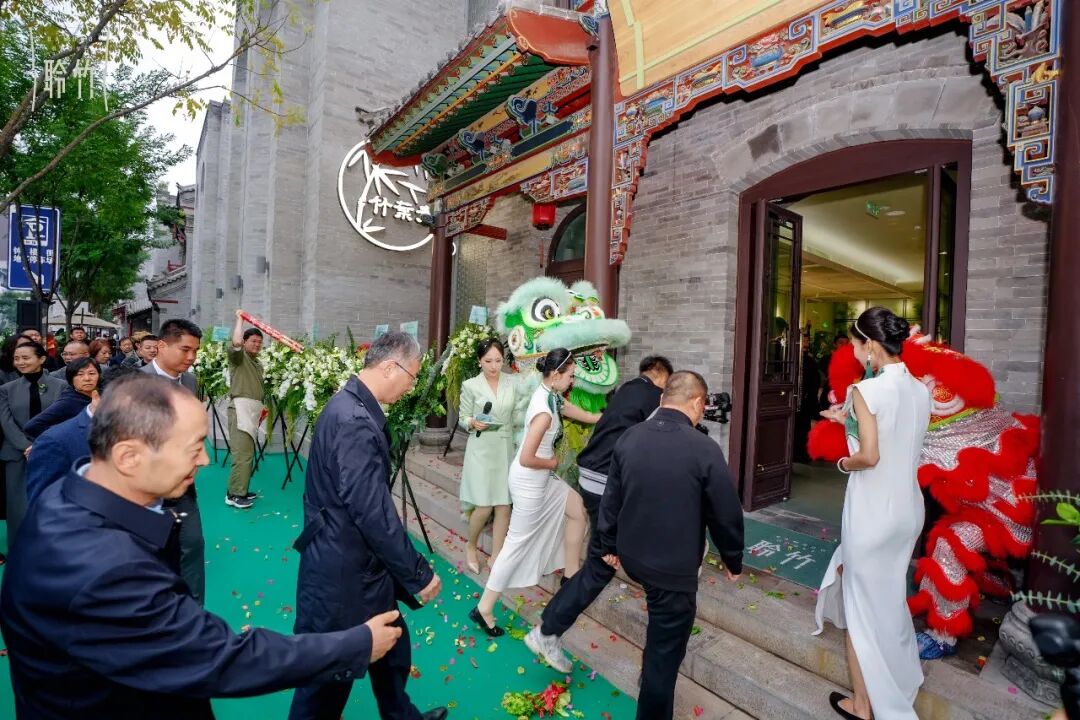
不同于简单多业态拼凑,聆竹打造五大核心功能模块,实现深度场景共建。场景接口功能,可以作为茶楼、餐吧、文创门店的“酒文化插件”,输出草本特调、佐餐酒饮、品鉴课程、非遗文创,合作方无需重构酒类零售体系,即可将酒文化融入自身菜单与空间;流量互导功能,立足钟楼街文旅街区,与街区内乾和祥茶博物馆、观汾小酒馆等茶酒相关业态形成联动,实现茶客、酒馆客、文创打卡客的互相转化,共享街区客流,拉长消费者停留时长,完成街区流量循环分发。
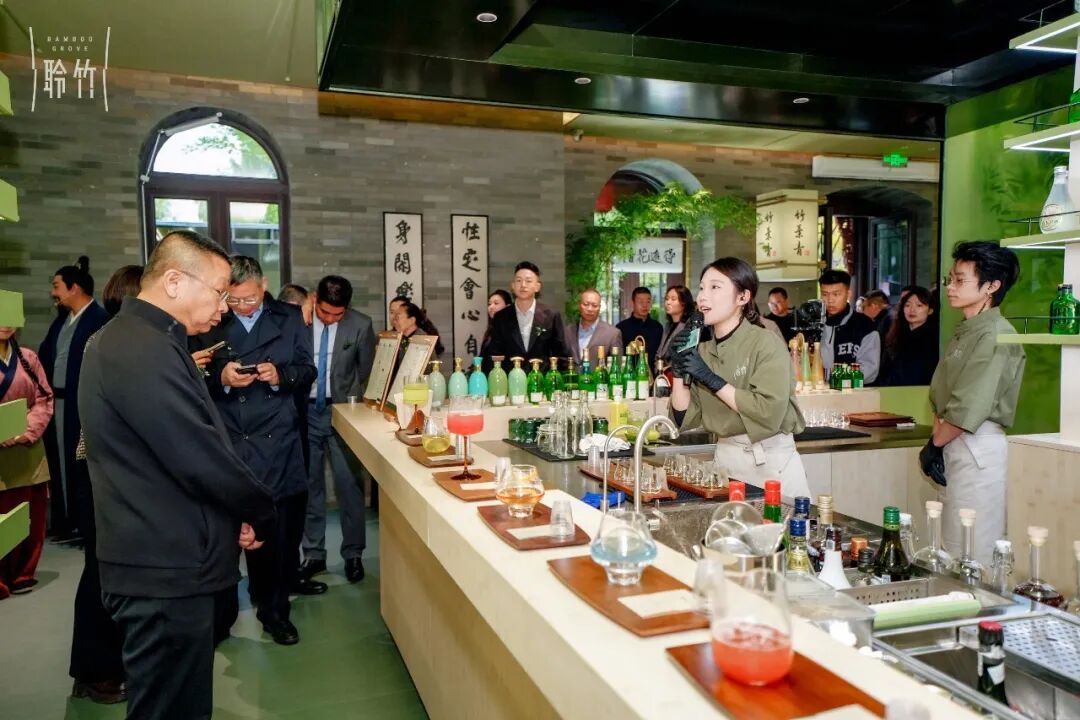
内容共创功能,依托傅山文人养生观与节气草本文化内核,向外输出完整内容脚本,可联动茶品牌共创草本特调、联动餐饮打造傅山文化主题套餐、联动烘焙开发草本糕点、联动文创产出竹纹器具与傅山周边、联动街区节庆打造主题巡游动线;渠道延伸功能,依托二层私享空间,承接企业小型论坛、文旅研学、女性轻养沙龙等B端服务场景;非遗资产输出功能,把汾酒酿造底蕴、傅山养生理念、淡竹草本文化、传统泡制技艺拆解为可复用的展示、体验、课程模块,草本闻香体验、君臣佐使酒文化讲解、节气茶饮卡等轻量化形式,让双非遗实现活态化对外输出。
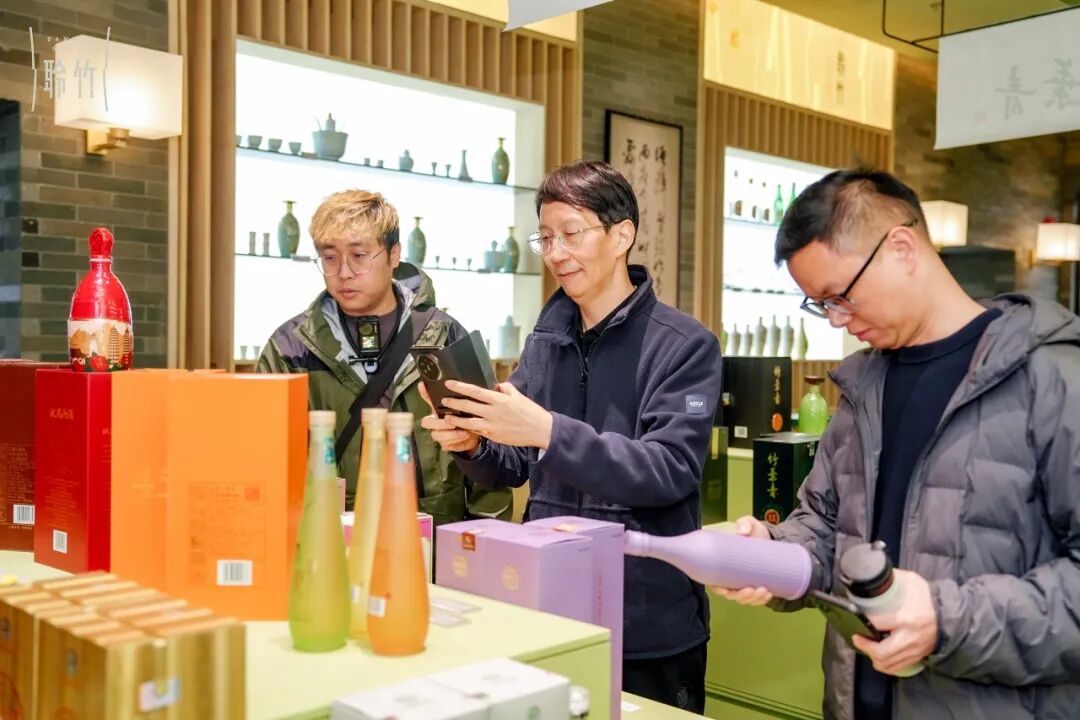
依托这套模块化的能力,聆竹探索可复制的东方生活模型,实现“文旅+、康养+、商业+、企业+、茶酒+”多维度拓展:在文旅维度,成为街区茶‑药‑酒轻养体验节点;康养维度输出草本露酒沉浸式体验;商业维度融合年轻调饮与文化轻餐;企业维度承接沙龙礼赠需求;茶酒维度开展联名基酒与内容共创。溯源文化根脉,中华本草文化始于神农尝百草,傅山先生以文人与医家视角写下“得造花香”,重新定义竹叶青草本配比,实现“草香入酒、酒不掩香”。如今聆竹把这份文化底蕴转化为实体空间语言,既是风味入口,也是生活入口、城市文化入口,在传递山西名酒底色的同时,讲述晋地独有的轻养生活方式,谱写酒、茶、餐、礼、旅共生共融的“青竹之音”。
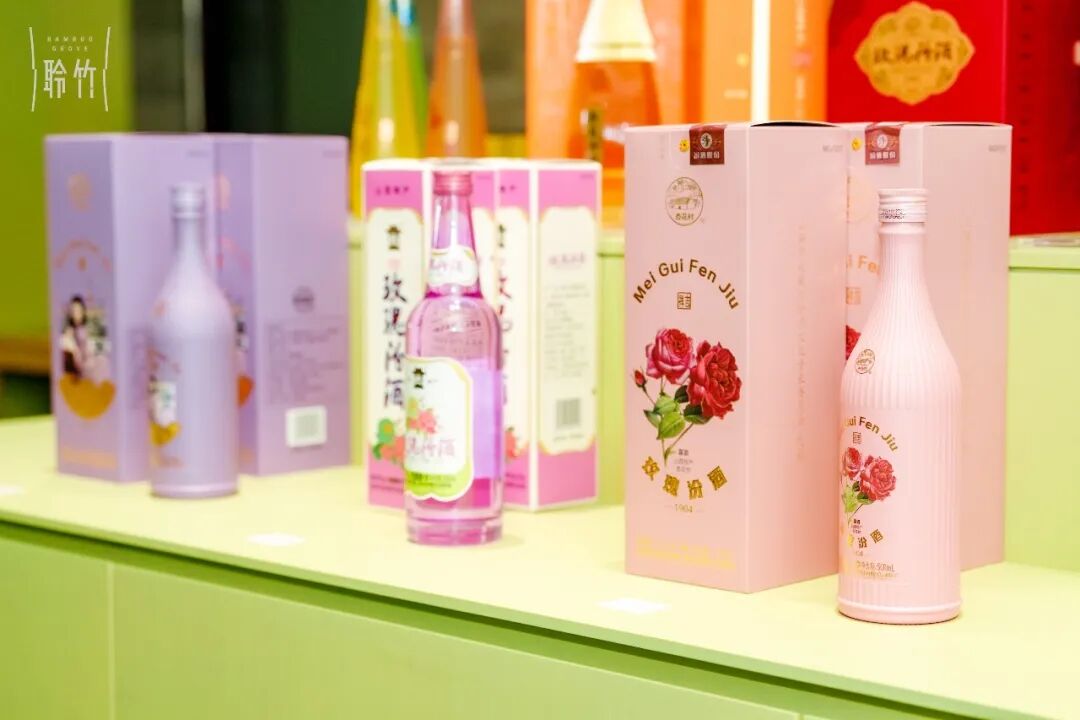
与聆竹开业同步亮相的“汾享青春”三款新品,是露酒年轻化赛道的重要成果。产品传承古法工艺,以汾酒优质基酒为基底,甄选草本、玫瑰等天然原料,恪守传统花露酿造思路,形成差异化风味:玫瑰汾馥郁柔婉,白玉汾温润清雅,竹叶青清逸草本,三款产品共同搭建年轻化露酒产品矩阵。产品在包装设计上贴合新生代审美,走轻量化路线,适配独处微醺、闺蜜小聚、潮流打卡等多元轻社交场景,回应年轻群体对于品质化、健康化、时尚化微醺饮品的消费诉求。
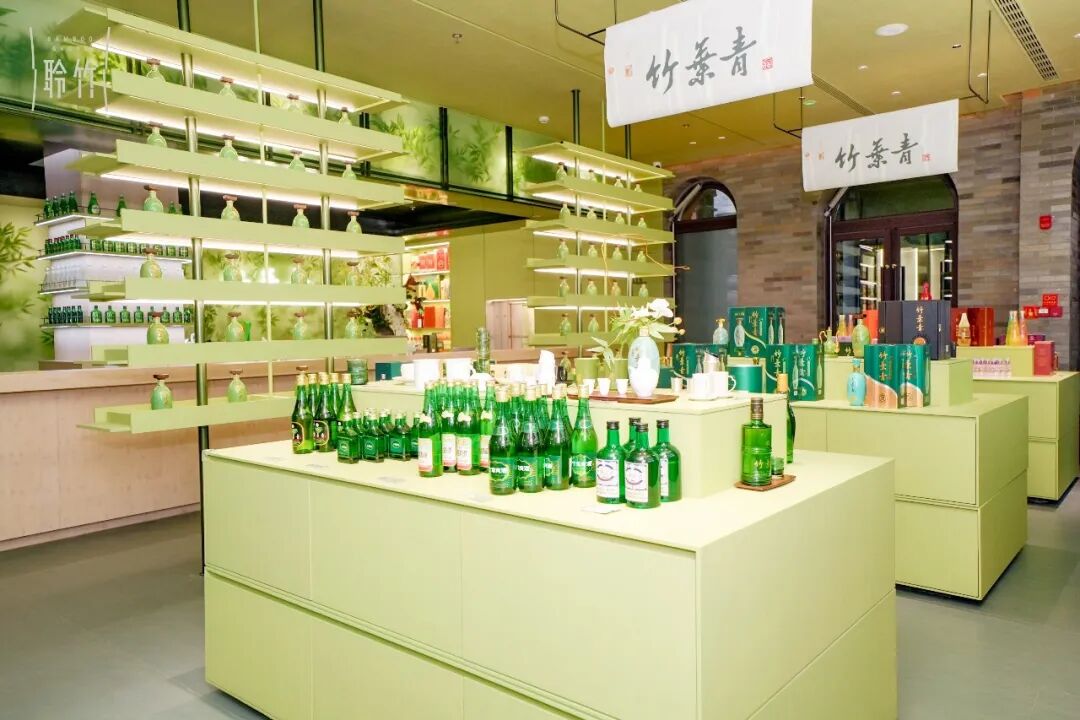
本次聆竹开业与汾享青春新品发布,是传统文化现代化表达的一次生动实践。古老的草本露酒文化,一方面通过实体空间完成沉浸式落地,另一方面借由新品走向更广阔的年轻消费市场。未来,聆竹将持续充当对话新生代的重要窗口,不断迭代空间体验,联动多元青年文化活动,持续释放双非遗的当代价值;汾享青春系列新品,也将依托聆竹等创新场景,走进更多年轻人的日常生活,让千年汾酒的醇香,与新时代的青春韶华相逢,续写“得造花香”的时代新篇。
On October 25, at Zhonglou Street in Taiyuan, the opening of Lingzhu Liquor Culture Living Experience Space and the launch of the “Fenxiang Youth” series new products were successfully held. The event simultaneously introduced three youth-oriented herbal liqueur products: Fenxiang Youth Zhuyeqing, Fenxiang Youth Rose Fen, and Fenxiang Youth Baiyu Fen. On one side is a lightweight herbal liqueur product matrix aimed at the new generation; on the other is an innovative physical space integrating liquor, tea, dining, gifts, and tourism. The two-pronged approach is driving herbal liqueur — which carries the dual intangible cultural heritage foundations of Fenjiu brewing techniques and Zhuyeqing liquor soaking techniques — to transform from a traditional bottled health liquor into an important interface for contemporary Eastern light-wellness living.
The herbal liqueur track is currently undergoing a profound shift, with the category logic iterating from the traditional “bottled health liquor” to “light-wellness lifestyle components.” Industry competition is no longer limited to shelf-product competition; capabilities in scenario assembly, content output, and cross-boundary co-creation are becoming increasingly critical. Lingzhu, located on Zhonglou Street, is precisely the concrete carrier of this innovation logic and the core highlight of this event.
Lingzhu breaks away from the inherent model of traditional tobacco and liquor retail stores. It no longer treats selling liquor as its sole objective, but instead makes liquor a flavour hub and cultural content entry point, building a complete Eastern lifestyle experience format. The space is planned with layered functions: the first floor targets the street’s flowing customer base, focusing on herbal tea drinks, herbal liqueur mixed drinks, and intangible cultural heritage creative retail, catering to the consumption needs of check-in and sightseeing visitors; the second floor features Fushan culture light-meal hotpot and private salon venues, accommodating deep, slow socialising. The store regularly hosts solar-term tastings, Fushan-themed forums, fun herbal experiences, and plant-lineage themed activities, continuously creating reasons for consumers to return.
Unlike a simple patchwork of multiple business formats, Lingzhu has built five core functional modules to achieve deep scenario co-construction. The scenario interface function allows it to serve as a “liquor culture plug-in” for tea houses, dining bars, and cultural creative stores, outputting herbal signature drinks, food-pairing beverages, tasting courses, and intangible cultural heritage creative products. Partners can integrate liquor culture into their own menus and spaces without restructuring their liquor retail systems. The traffic mutual-guidance function is based in the Zhonglou Street cultural tourism district, linking with tea- and liquor-related businesses such as Qianhexiang Tea Museum and Guanfen Tavern, enabling mutual conversion among tea customers, tavern customers, and cultural check-in visitors, sharing district foot traffic, extending consumer dwell time, and completing the district’s traffic circulation and distribution.
The content co-creation function relies on Fushan’s literati wellness philosophy and solar-term herbal culture, outputting complete content scripts that can link with tea brands to co-create herbal signature drinks, with restaurants to create Fushan culture-themed set meals, with bakeries to develop herbal pastries, with cultural creative partners to produce bamboo-pattern vessels and Fushan merchandise, and with district festivals to create themed parade routes. The channel extension function relies on the second-floor private space to undertake B-end service scenarios such as small corporate forums, cultural tourism study tours, and women’s light-wellness salons. The intangible cultural heritage asset output function breaks down Fenjiu’s brewing heritage, Fushan’s wellness philosophy, light bamboo herbal culture, and traditional soaking techniques into reusable display, experience, and course modules — such as herbal aroma experiences, “sovereign, minister, assistant, envoy” liquor culture explanations, and solar-term tea drink cards — enabling the dual intangible heritage to be exported in a living form.
Relying on this modular capability, Lingzhu is exploring a replicable Eastern lifestyle model, achieving multi-dimensional expansion across “cultural tourism+, wellness+, commerce+, enterprise+, and tea-liquor+.” In the cultural tourism dimension, it becomes a light-wellness experience node for tea, medicine, and liquor in the district. In the wellness dimension, it outputs immersive herbal liqueur experiences. In the commerce dimension, it integrates youth-oriented mixed drinks with cultural light meals. In the enterprise dimension, it undertakes salon and gifting needs. In the tea-liquor dimension, it carries out co-branded base liquor and content co-creation. Tracing the cultural roots, Chinese herbal culture began with Shennong tasting a hundred herbs. Mr. Fushan, from the perspectives of a literatus and a physician, wrote “De Zao Hua Xiang” (Obtaining the Fragrance of Creation), redefining the herbal formulation of Zhuyeqing and achieving “herbal fragrance entering the liquor without being masked by it.” Today, Lingzhu translates this cultural heritage into the language of a physical space — it is both a flavour entry point and a lifestyle entry point and urban cultural entry point. While conveying the foundation of Shanxi’s famous liquors, it tells the story of Shanxi’s unique light-wellness lifestyle, composing the “sound of green bamboo” in which liquor, tea, dining, gifts, and tourism coexist and integrate.
The three new “Fenxiang Youth” products unveiled alongside Lingzhu’s opening are important achievements in the youth-oriented herbal liqueur track. The products inherit traditional techniques, use premium Fenjiu base liquor as their foundation, select natural ingredients such as herbs and roses, and adhere to traditional flower-dew brewing approaches to form differentiated flavours: Rose Fen is rich and gently graceful, Baiyu Fen is warm and elegantly refined, and Zhuyeqing is crisp and herbal. Together, the three products build a youth-oriented herbal liqueur product matrix. In packaging design, the products align with the aesthetics of the new generation and follow a lightweight route, adapting to diverse light social scenarios such as solo tipsy drinking, gatherings with close friends, and trend check-ins, responding to young consumers’ demand for quality, health-oriented, and fashionable tipsy beverages.
The opening of Lingzhu and the launch of Fenxiang Youth new products represent a vivid practice of modern expression of traditional culture. Ancient herbal liqueur culture, on one hand, achieves immersive implementation through a physical space; on the other hand, it moves toward a broader young consumer market through new products. In the future, Lingzhu will continue to serve as an important window for dialogue with the new generation, continuously iterating spatial experiences, linking diverse youth cultural activities, and continuously releasing the contemporary value of the dual intangible heritage. The Fenxiang Youth series new products will also rely on innovative scenarios such as Lingzhu to enter more young people’s daily lives, allowing the mellow fragrance of thousand-year Fenjiu to meet the youth of the new era and continue writing a new chapter of “De Zao Hua Xiang.”
原创文章版权归本网所有;转载文章归原作者所有。发布者:酒业时报,转载请注明出处:https://www.thewinetimes.com/shangxun/13309