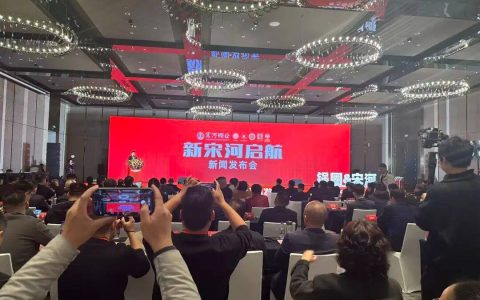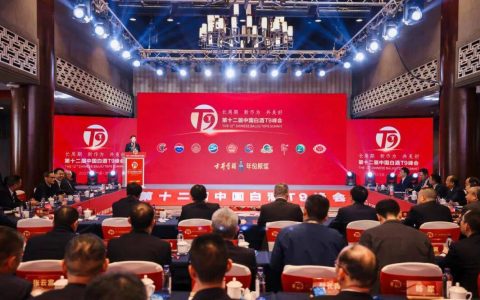
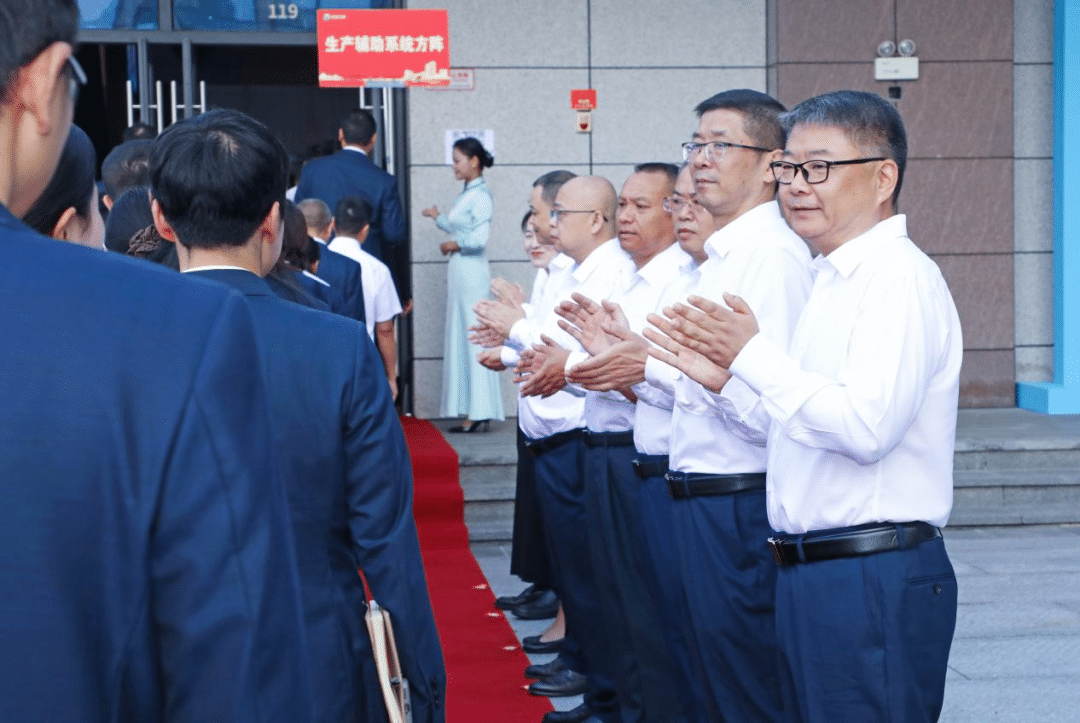
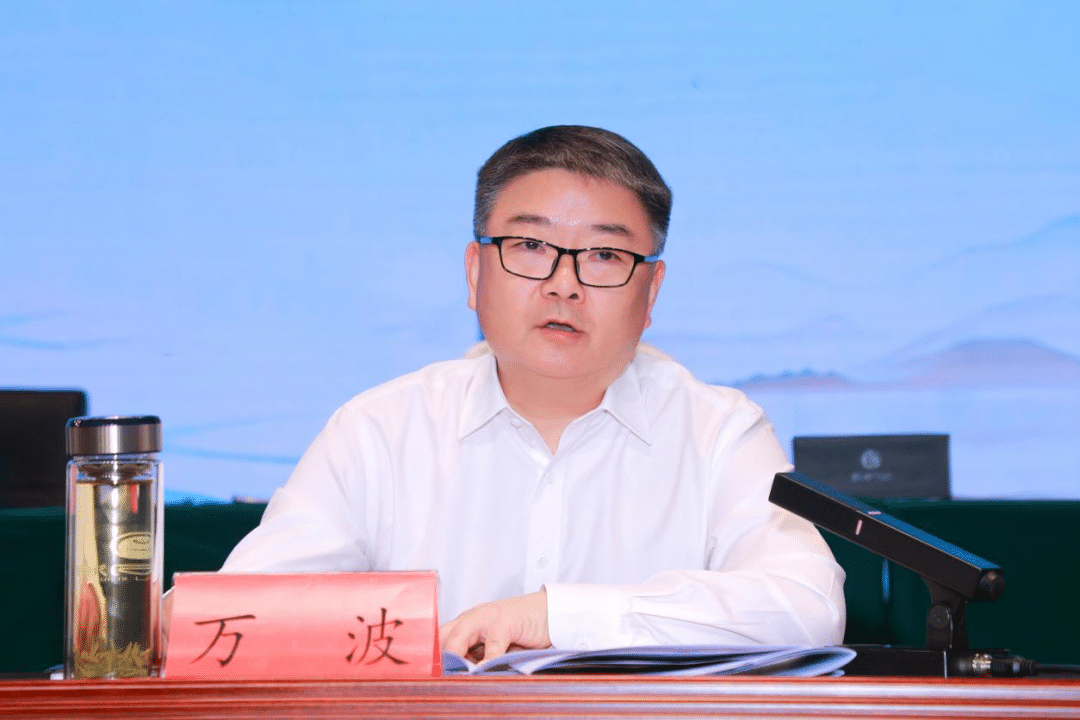
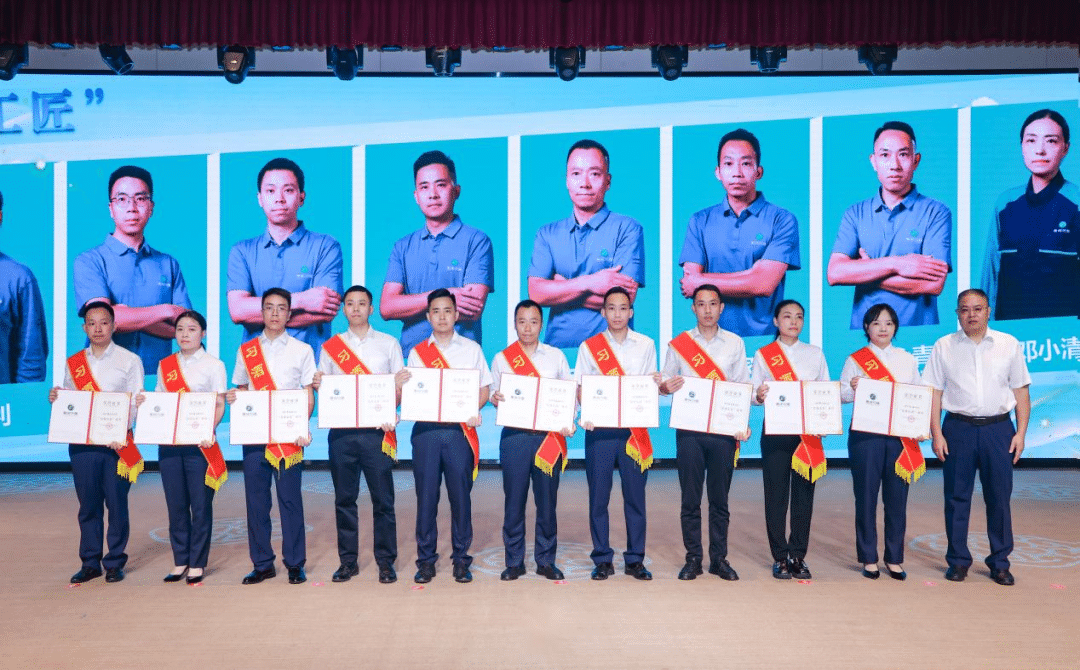
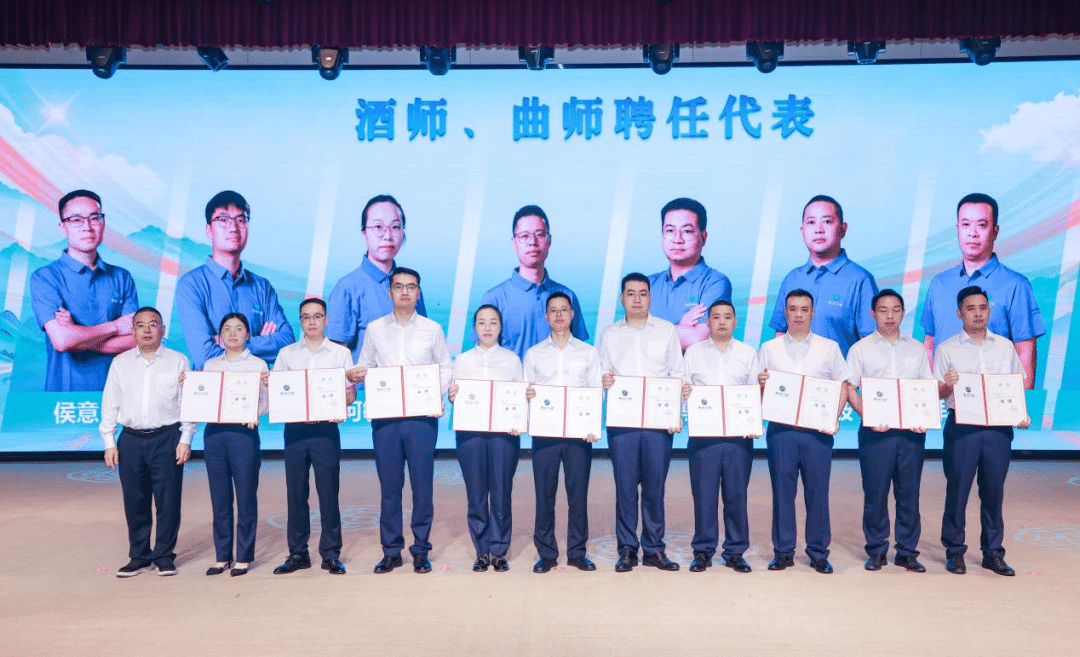
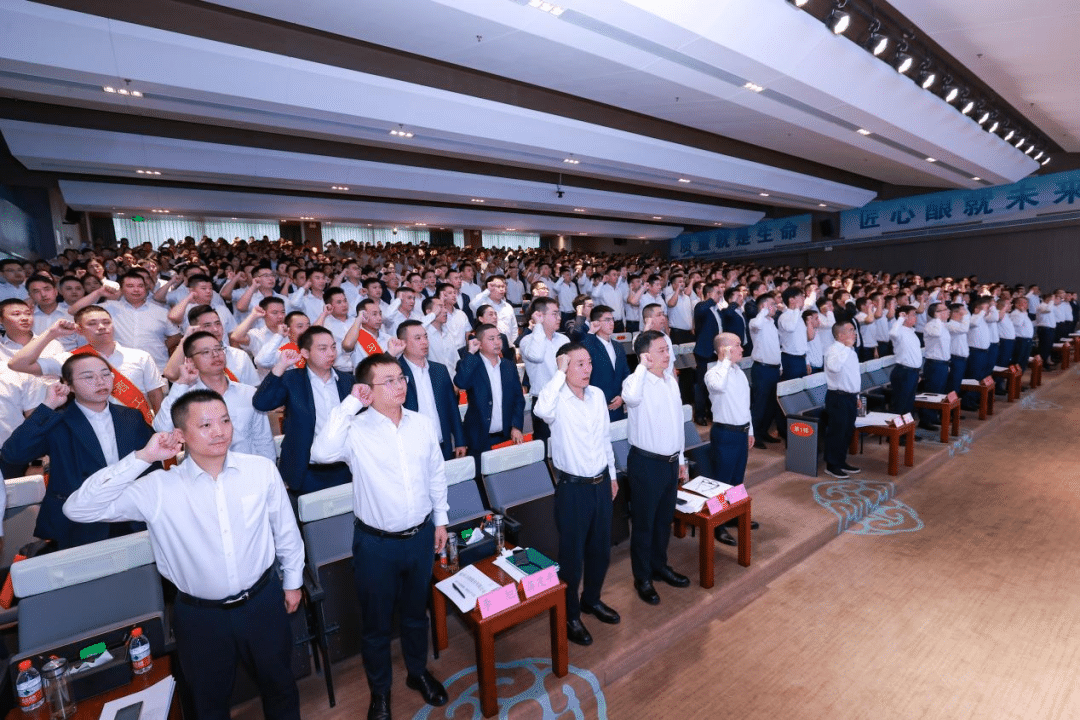
十月清秋,晨光初醒。赤水河畔的习酒酒谷被金色暖阳铺满,汪地强、万波率习酒集团及习酒股份公司领导班子成员整齐列队,以热烈掌声迎接每一位习酒匠人步入会场。这场属于习酒人的年度盛会,在温馨而昂扬的氛围中拉开序幕。
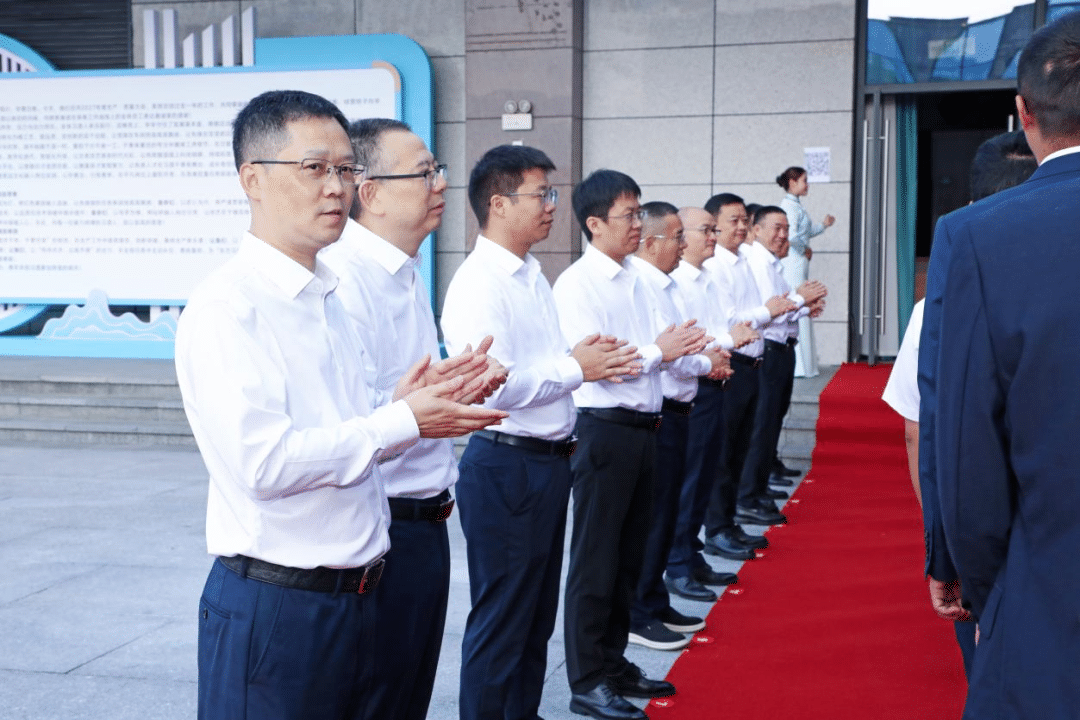
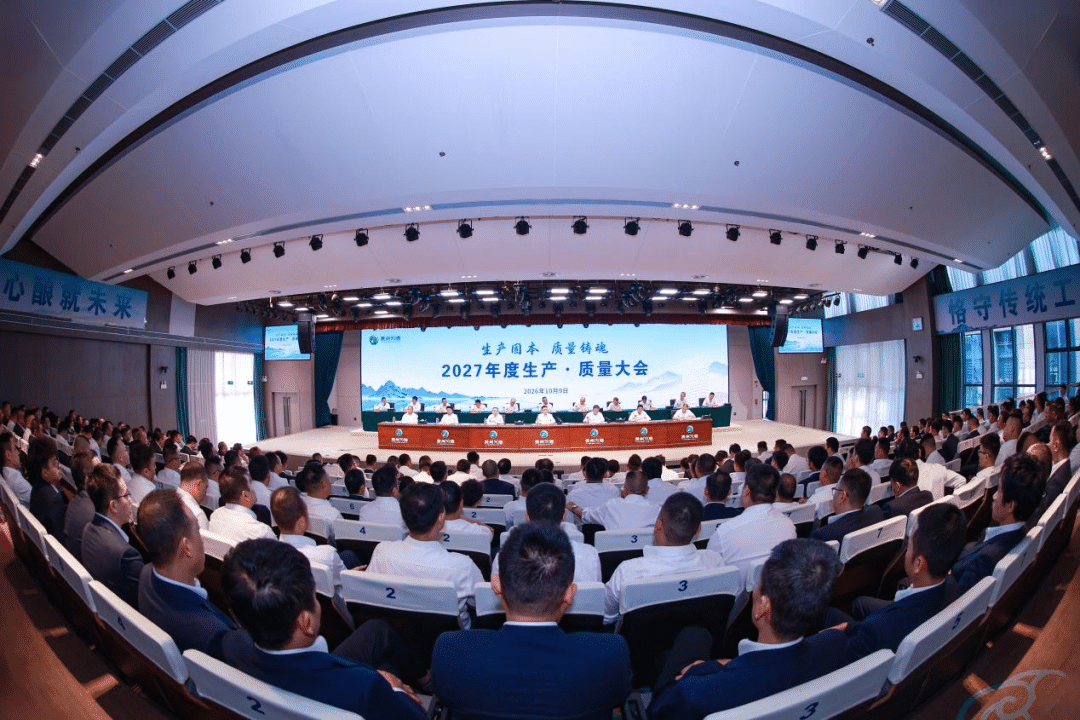
10月9日,贵州习酒2027年度生产・质量大会在运营中心召开。会议全面总结2026年度生产质量工作成效,科学部署2027年度生产质量工作,合力推动习酒“优质优产”行稳致远。
与往年相比,这场大会释放出一个鲜明的信号:习酒正在完成一次从“单点能力领先”到“系统能力领先”的战略跃迁。“单点优势可以被追赶,系统能力却难以复制”——这或许是理解习酒当下战略逻辑最关键的钥匙。
管理学的视角:为什么“系统格局”比“单品爆款”更重要
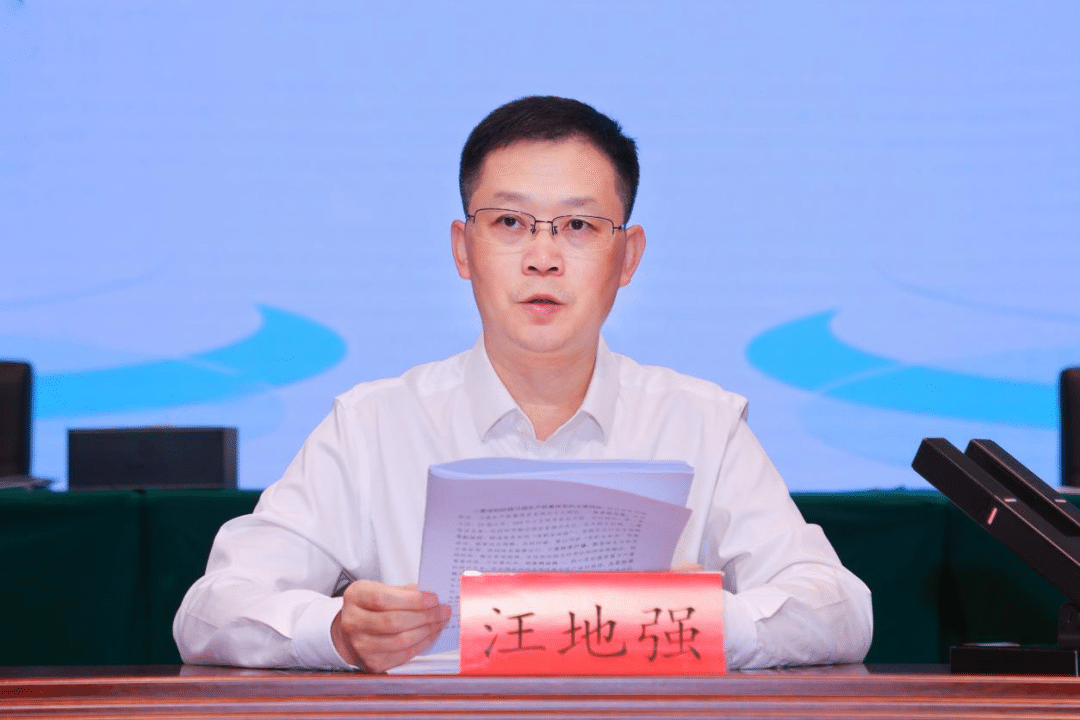
汪地强在大会上以“以生产质量系统格局筑牢习酒高质量发展根基”为题,深刻阐述了生产质量工作“怎么看”“怎么办”“怎么干”。这个表述耐人寻味。
在管理学领域,有一个经典概念叫做“因果模糊性”——当一家企业的核心能力由多个相互关联的要素构成,且这些要素之间的协同关系难以被外部观察者完整理解时,竞争对手就很难通过简单的模仿来复制这种能力。
习酒正在构建的,正是这样一种具备高度“因果模糊性”的体系。
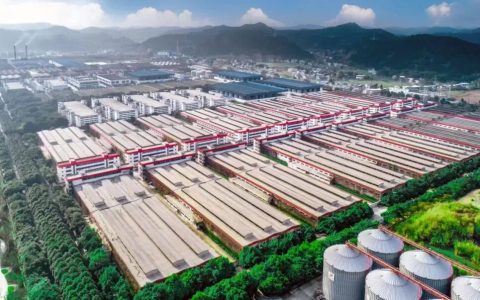
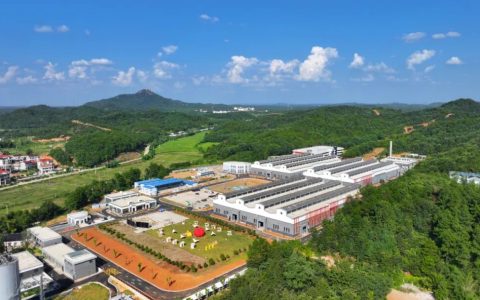
从数据上看,习酒目前具备7万余吨优质基酒年生产、6万余吨年包装及35万余吨基酒贮存的产能格局。这是硬实力的底座。但真正支撑这组数字运转的,是一套更加复杂的软性系统:标准化的工艺体系、数字化的过程管控、系统化的人才梯队、内化的质量文化。
习酒生产质量体系呈现出的特征包括“系统完备、有机协同、科学严谨、辩证统一、标准规范、统计可信、持续改进”等多个维度。这些特征交织在一起,构成了一个高度复杂的运营系统,远非某一道工序的精进或者某一款产品的成功所能比拟。
正如汪地强所言,70余年来习酒经历了从无到有、从有到优、从零散到系统、从规模导向到产质平衡的过程,当前工艺体系已经成熟定型,质量管控已经系统完备,人才根基已经牢固夯实。
这意味着习酒的竞争壁垒正在从“做得好一瓶酒”升级为“做好每一瓶酒的确定性”。
行业坐标系:三家头部酒企的“品质路径”有何不同
放在白酒行业的大坐标系中看,头部企业在品质建设上走出了不同的路径。
茅台强调“质量是生命之魂”,其核心叙事更多依托于产区不可复制性和历史积淀的稀缺价值,在工艺传承上侧重“崇本守道”式的保护性生产。
五粮液以“‘从一粒种子到一滴美酒’全产业链一体化质量管理模式”荣获第五届中国质量奖提名奖,其质量管理更突出供应链的纵向一体化整合与标准化管控。
习酒的路径则有所不同。它并不完全依赖产区叙事或原料叙事,而是选择了一条“体系驱动型质量”的道路——通过管理系统的精密设计,将传统酿造中大量依赖“师傅经验”的环节转化为可量化、可追溯、可复制的标准流程。
习酒凝练出的“333”质量管理模式,以崇道、务本、敬商、爱人四个维度搭建质量管理体系:“崇道”定义质量“高度”、“务本”夯实质量“厚度”、“敬商”拓展质量“宽度”、“爱人”升华质量“温度”,将企业核心价值观深度融入质量管理。这套体系将管理学的“制度理性”与酿酒业的“匠心感性”做了有机缝合。
在酒业时报看来,习酒的“体系驱动型质量”路径,为白酒行业的现代化转型提供了一个值得关注的管理样本——它证明了传统工艺行业同样可以通过系统化管理实现品质的高度确定性,而这种确定性在存量竞争时代尤为珍贵。
产能与储能的“时间账”:品质竞争背后的长期主义
当前白酒行业正经历深刻的结构性调整。“存量竞争、分化加剧”已成为共识,行业总量虽在下滑,但向名优产区、头部企业集中的马太效应加剧。
在这样的背景下,习酒持续推进的产能和储能建设构成了品质竞争的战略纵深。2026年品牌价值达3229.45亿元,位列中国白酒前七名、中国酱酒第二名,拥有员工1.5万余人。
在硬实力持续夯实的同时,习酒也在市场策略上展现出务实的一面。君品习酒2026年全国限量4000吨,主动“减量”背后,是习酒对“质的有效提升”和“量的合理把控”这一辩证关系的实践——从规模增长向高质量发展跃升。
从“卖酒”到“卖生活方式”:质量外延的扩展
值得关注的是,此次生产・质量大会所讨论的“质量”,已经超越了产品本身的物理品质。
习酒提出深入推动“卖酒向卖生活方式”转变升级,编制完成习酒酒文旅融合发展总体规划,建设习酒文化城、酿酒工坊、封坛酒库等标志性建筑和打卡点。全面推进营销2.0改革,布局新酒饮,创新推出知交酒等年轻化产品;拥抱新零售,搭建“线上平台运营+线下地推落地+片区协同配合”三位一体即时零售体系。
在ESG维度上,截至2025年,习酒集团已连续发布10本社会责任报告、2本ESG报告,用19年的坚守与实践构筑起覆盖公益助学、生态保护、乡村振兴的全方位社会责任生态圈。自2015年启动“保护赤水河・习酒在行动”全员义务植树活动以来,累计投入超1000万元,栽植树木3.5万余株,让1350余亩荒坡披上绿装,厂区绿化率超40%,连续七年获评环保诚信A级。
在酒业时报看来,习酒对“质量”的理解正在从单一的产品维度拓展为“产品品质+生态品质+文化品质”的复合质量观。这一转变与白酒行业从“卖产品”到“卖体验”的消费趋势变化高度吻合,也回应了行业核心矛盾——传统营销模式与新消费需求之间的结构性错配。
重阳将至,赤水泛波。在新一轮酿酒周期即将开启之际,习酒用一场大会向外界传递了清晰的信号:在行业深度调整期,与其在存量市场中追逐短期流量,不如沉下心来锻造系统能力。
当“确定性”本身成为这个时代最稀缺的商业资源时,谁能在生产质量体系上构建起难以复制的系统性优势,谁就握住了穿越周期的底牌。
习酒的选择,或许正在为白酒行业提供一条从“规模增长”走向“价值深耕”的参考路径。
October brings clear autumn air, and morning light awakens.
The Xijiu Wine Valley on the banks of the Chishui River was bathed in golden warmth as Wang Diqiang and Wan Bo led members of the Xijiu Group and Xijiu Co. leadership teams in orderly formation, welcoming every Xijiu craftsman into the venue with warm applause. This annual gathering belonging to the people of Xijiu opened amidst a warm and uplifting atmosphere. On October 9, the Guizhou Xijiu 2027 Annual Production and Quality Conference was held at the Operations Centre.
The meeting comprehensively reviewed the production and quality achievements of 2026, scientifically deployed production and quality work for 2027, and jointly promoted Xijiu’s “high-quality and high-yield” development with steady and sustained progress. Compared with previous years, this conference released a clear signal: Xijiu is completing a strategic leap from “leading in single-point capability” to “leading in systematic capability.” “Single-point advantages can be caught up with, but systematic capabilities are difficult to replicate” — this may be the most critical key to understanding Xijiu’s current strategic logic.
PART 01
A Management Perspective: Why “Systemic Configuration” Matters More Than “Single-Product Blockbusters”
In his speech titled “Building a Solid Foundation for Xijiu’s High-Quality Development Through a Systemic Production and Quality Configuration,” Wang Diqiang profoundly elaborated on “how to view,” “how to approach,” and “how to execute” production and quality work. This formulation is thought-provoking. In the field of management, there is a classic concept called “causal ambiguity” — when a company’s core capability is composed of multiple interrelated elements, and the synergistic relationships among these elements are difficult for external observers to fully understand, competitors find it very difficult to replicate such capability through simple imitation. What Xijiu is building is precisely such a system with a high degree of “causal ambiguity.”
From a data perspective, Xijiu currently possesses a production capacity configuration of over 70,000 tonnes of premium base liquor annual production, over 60,000 tonnes of annual packaging, and over 350,000 tonnes of base liquor storage. This is the foundation of hard power. But what truly supports the operation of these figures is a more complex soft system: standardised process systems, digitalised process control, systematic talent echelons, and internalised quality culture. Xijiu’s production and quality system exhibits characteristics across multiple dimensions including “systematic completeness, organic synergy, scientific rigour, dialectical unity, standardised specifications, statistical credibility, and continuous improvement.” Interwoven together, these characteristics constitute a highly complex operating system, far beyond what the refinement of a single process or the success of a single product can compare with.
As Wang Diqiang stated, over more than 70 years Xijiu has undergone a process from nonexistence to existence, from existence to excellence, from scattered to systematic, and from scale-oriented to production-quality balance. Currently, the process system has matured and taken shape, quality control has become systematically complete, and the talent foundation has been solidly consolidated. This means Xijiu’s competitive barrier is upgrading from “making one bottle of liquor well” to “the certainty of making every bottle of liquor well.”
PART 02
Industry Coordinate System: How Do the “Quality Paths” of Three Leading Distilleries Differ?
Viewed within the broader coordinate system of the baijiu industry, leading enterprises have taken different paths in quality building. Moutai emphasises that “quality is the soul of life,” with its core narrative relying more on the irreplaceable nature of its production region and the scarce value of historical accumulation, focusing on “revering the roots and upholding the way” protective production in craft inheritance. Wuliangye won the 5th China Quality Award Nomination with its “from a single seed to a drop of fine liquor” full-industry-chain integrated quality management model, with quality management emphasising vertical integration of the supply chain and standardised control.
Xijiu’s path is somewhat different. It does not rely entirely on production region narrative or raw material narrative, but has chosen a path of “system-driven quality” — through the precise design of management systems, transforming the many processes in traditional brewing that rely heavily on “master’s experience” into quantifiable, traceable, and replicable standard procedures. Xijiu’s distilled “333” quality management model builds a quality management system across four dimensions: revering the way, fulfilling the fundamentals, respecting merchants, and loving people — “revering the way” defines the “height” of quality, “fulfilling the fundamentals” consolidates the “thickness” of quality, “respecting merchants” expands the “breadth” of quality, and “loving people” elevates the “temperature” of quality, deeply integrating the company’s core values into quality management. This system organically stitches together the “institutional rationality” of management studies with the “craftsmanship sensibility” of the brewing industry.
In the view of JiuYe Times, Xijiu’s “system-driven quality” path provides a management model worth attention for the modernisation transformation of the baijiu industry — it proves that traditional craft industries can also achieve a high degree of quality certainty through systematic management, and such certainty is particularly precious in the era of stock-market competition.
PART 03
The “Time Ledger” of Capacity and Storage: Long-Termism Behind Quality Competition
The baijiu industry is currently undergoing profound structural adjustment. “Stock-market competition and intensifying divergence” have become consensus. Although the industry’s total volume is declining, the Matthew effect of concentration toward premium production regions and leading enterprises is intensifying. Against this backdrop, Xijiu’s continuous advancement of capacity and storage construction constitutes the strategic depth of quality competition. In 2026, its brand value reached RMB 322.945 billion, ranking among the top seven in Chinese baijiu and second in Chinese sauce-aroma liquor, with over 15,000 employees.
While hard power continues to be consolidated, Xijiu also demonstrates a pragmatic side in market strategy. Junpin Xijiu is limited to 4,000 tonnes nationwide in 2026. Behind the proactive “volume reduction” is Xijiu’s practice of the dialectical relationship between “effective quality improvement” and “reasonable volume control” — leaping from scale growth to high-quality development.
PART 04
From “Selling Liquor” to “Selling a Lifestyle”: The Expansion of Quality’s Connotation
What is noteworthy is that the “quality” discussed at this production and quality conference has already transcended the physical quality of the product itself. Xijiu proposes to deeply promote the transformation and upgrading from “selling liquor to selling a lifestyle,” having completed the overall plan for Xijiu’s wine-cultural tourism integration development, and building landmark structures and check-in points including Xijiu Cultural City, the Brewing Workshop, and the Sealed Cellar Liquor Storage. It is comprehensively advancing Marketing 2.0 reform, laying out new-style beverages, and innovatively launching youth-oriented products such as Zhijiao liquor; embracing new retail, and building a three-in-one instant retail system of “online platform operations + offline ground promotion + regional collaborative coordination.”
On the ESG dimension, as of 2025, Xijiu Group has continuously released 10 social responsibility reports and 2 ESG reports, using 19 years of commitment and practice to build a comprehensive social responsibility ecosystem covering public welfare education assistance, ecological protection, and rural revitalisation. Since launching the “Protect the Chishui River · Xijiu in Action” all-staff voluntary tree-planting activity in 2015, cumulative investment has exceeded RMB 10 million, with over 35,000 trees planted, greening over 1,350 mu of barren slopes, with factory greening rate exceeding 40%, and being rated Grade A in environmental protection integrity for seven consecutive years.
In the view of JiuYe Times, Xijiu’s understanding of “quality” is expanding from a single product dimension to a composite quality perspective of “product quality + ecological quality + cultural quality.” This transformation is highly consistent with the consumption trend change in the baijiu industry from “selling products” to “selling experiences,” and also responds to the industry’s core contradiction — the structural mismatch between traditional marketing models and new consumer demand.
The Double Ninth Festival approaches, and the Chishui River ripples. As a new brewing cycle is about to begin, Xijiu has used a conference to convey a clear signal to the outside world: during the industry’s deep adjustment period, rather than chasing short-term traffic in the stock market, it is better to calm down and forge systematic capabilities. When “certainty” itself becomes the scarcest commercial resource of this era, whoever can build an irreplicable systematic advantage in production quality systems holds the trump card for transcending cycles. Xijiu’s choice may be providing a reference path for the baijiu industry from “scale growth” to “value deep cultivation.”
原创文章版权归本网所有;转载文章归原作者所有。发布者:酒业时报,转载请注明出处:https://www.thewinetimes.com/gongsi/13001