白酒行业半年报“寒气”逼人——21家上市酒企营收合计下滑6.64%,超八成企业业绩承压。就在这样的背景下,泰山酒业9月5日在齐河干了六件事:研究院揭牌、战略服务体系发布、俱乐部启动、奖项设立、产品升级、新品上市。有人说这是“秀肌肉”。但在酒业时报看来,这更像一场精心计算的“反周期”布局。
泰山酒业六件事,同一天密集落地。
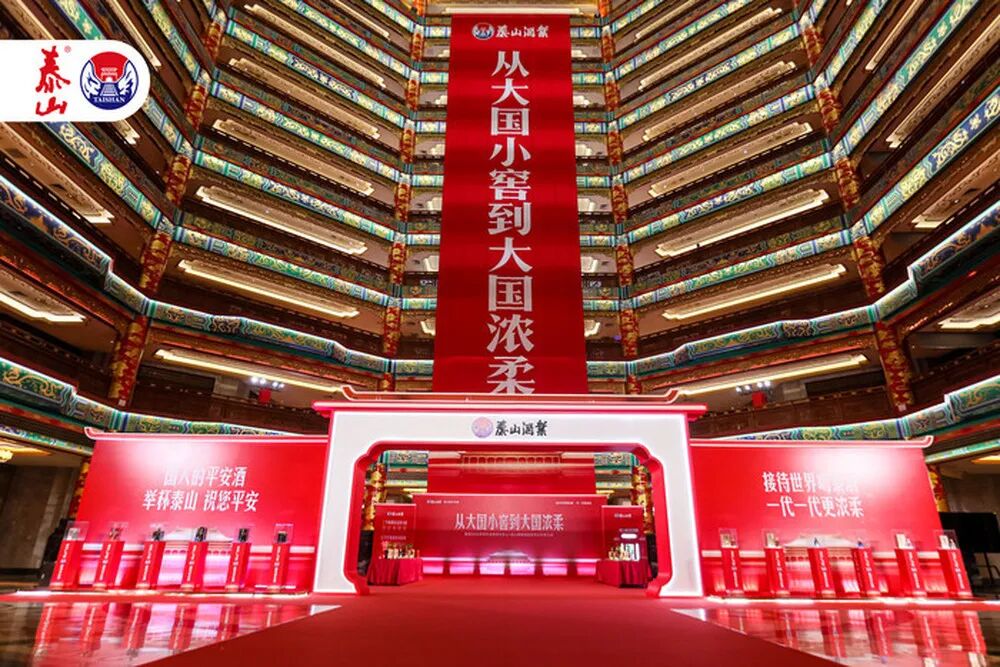
9月5日,山东齐河。泰山酒业“从大国小窖到大国浓柔”2026营销年会暨儒风泰山×泰山黄精酒超级单品发展大会在此召开。
会上,泰山金条小窖研究院揭牌成立,“1945”战略服务体系正式发布,泰山美酒俱乐部启动,紫薇花奖设立,儒风泰山2.0亮相,泰山黄精酒正式上市。
六大动作覆盖科研、服务、渠道、品牌、产品全价值链。同期,大会还启动“泰二代”传承联盟,为渠道生态补充年轻化力量。
放在三年前,这或许只是一家区域龙头常规的年度发声。但放在2026年秋天的行业语境里,这一系列动作耐人寻味。
2026年上半年,21家白酒上市公司合计营收2004.41亿元,同比下降6.64%;归母净利润736.41亿元,同比下降8.13%。超八成酒企业绩下滑,仅3家实现营收利润双增。行业从“增量竞争”全面转入“存量博弈”。
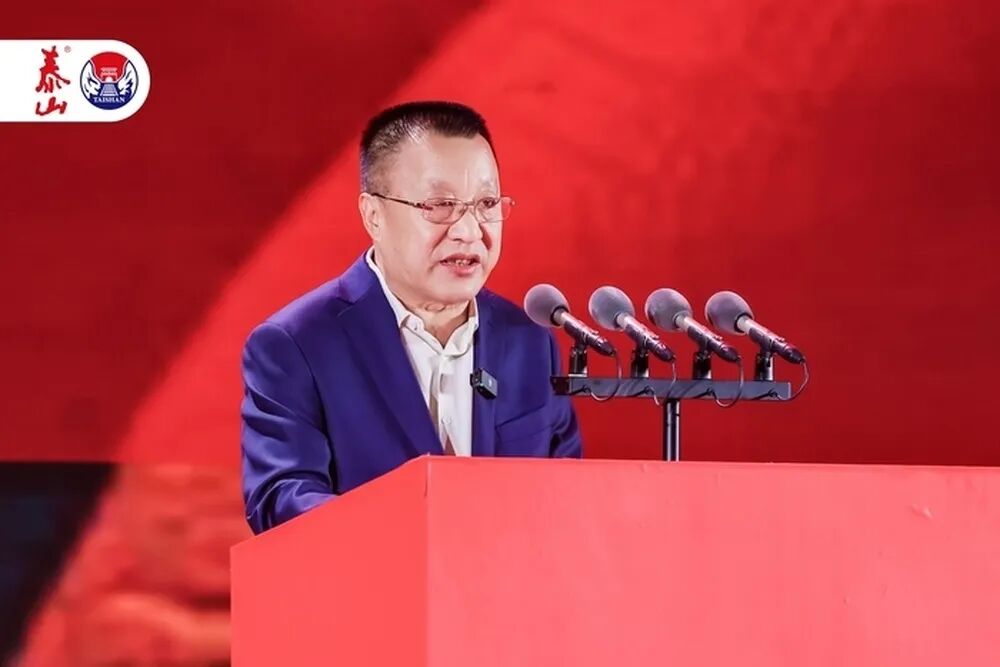
就在这样的行业“寒意”里,泰山酒业董事长张铭新站在台上释放信号:“2026年依旧保持逆势增长。”
这句话引出一个问题:当多数企业都在收缩,它凭什么还在扩张?
“不压货”三个字,值多少钱?
先别急着看它做了什么,先看它没做什么。
渠道压货是白酒行业长期存在的现象:品牌方为冲报表向经销商输送货品,经销商为拿到返利被动承接库存。产业链各方都清楚库存潜藏风险,但很少有企业愿意率先调整。时至2026年,这套增长路径已经难以为继,“控货保价”成为行业普遍选择,这既是市场环境倒逼,也是行业主动纠偏。
泰山酒业没有沿用这套路径。
今年5月的省酒泰山山东行品牌大会上,企业联合经销商代表共建“价格不倒挂联盟”,公开承诺“坚决不压货、坚决不倒挂”。张铭新在多个场合提及,在行业不少产品出现价格倒挂的市场环境之下,泰山酒业要守住经销商合理利润,维护市场价格体系。
“不压货”三个字,听起来简单,落地却需要极大的克制。这意味着品牌方要克制规模增长冲动,制定年度任务贴合市场真实容量,把经销商视作并肩伙伴,而非消化库存的蓄水池。
张铭新在大会上说:“逆势增长,不是泰酒单方面的成绩,而是泰酒与所有经销商伙伴携手打拼、共同铸就的杰作。”
酒业时报认为,这句话背后是一套清晰的商业逻辑:当行业普遍选择“向渠道要增长”时,泰山酒业选择了“向信任要增长”。
中国酒业协会秘书长何勇在现场指出:“产业越是调整承压,越要坚守品质诚信、恪守产业底线、拒绝虚假炒作、抵制乱象内卷。”这番发言,直指行业过往多轮被验证的“增长幻觉”。
“大国小窖”的升维:从讲故事到做科学
“从大国小窖到大国浓柔”,大会主题本身就是泰山酒业战略逻辑的浓缩表达。
泰山酒业拥有三千座国宝金条小窖,获评“大世界基尼斯纪录”,窖池半个世纪从未中断生产,是不可复制的微生物载体与酿酒文明活化石。倒梯形的小窖结构带来更充分的发酵过程,孕育出“高而不烈,低而不寡,香味谐调,醇厚丰满,绵柔舒适”的浓柔风格。
但这次大会真正值得关注的,并非这些沉淀已久的产业家底,而是泰山酒业对这份家底全新的开发思路。
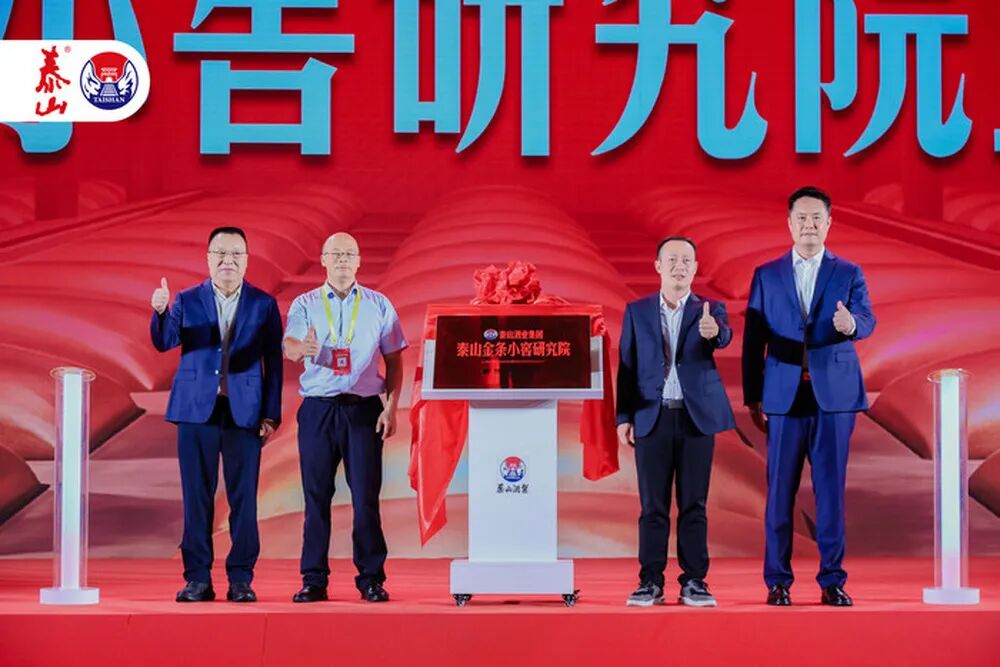
大会现场,泰山酒业联合中国食品发酵工业研究院揭牌成立“泰山金条小窖研究院”,围绕小窖菌群与发酵工艺展开系统研究。这也意味着,“大国小窖”正在从一段历史叙事,转入可量化、可验证、可传播的科学表达阶段。
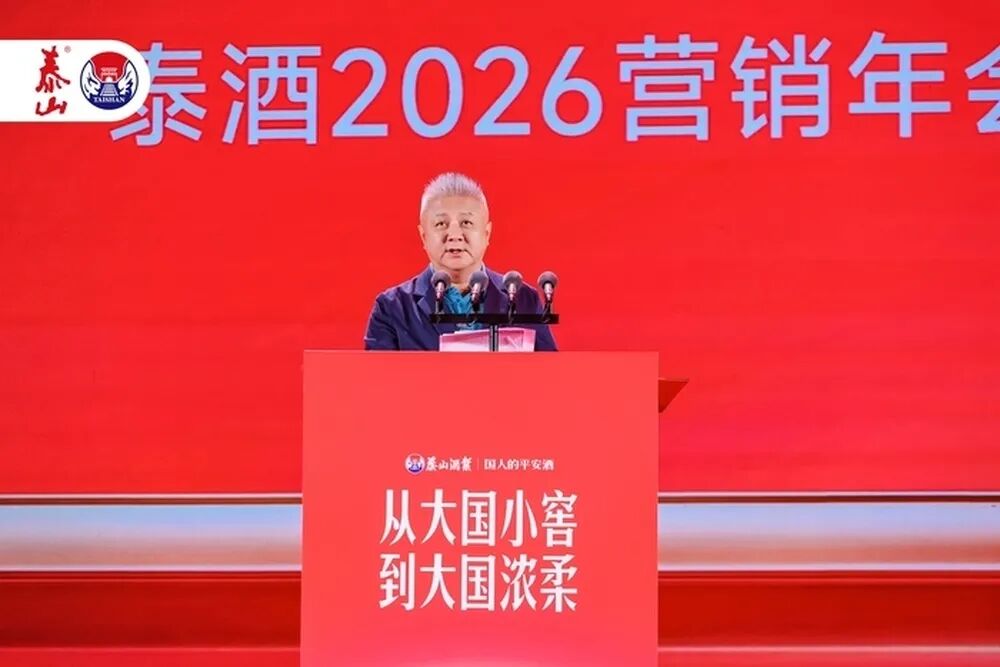
江南大学原副校长徐岩教授评价:“三千座国宝金条小窖,是稀缺的酿酒文明活化石,是泰山酒业不可复制的核心品质根脉。”
中国食品工业协会副会长马勇则从另一个维度给出判断:“泰山酒业的‘浓柔’特质,是齐鲁人文精神与白酒风味美学的深度融合,让鲁酒有了专属的文化表达。”
酒业时报认为,这是一步关键的“升维”操作。中国酒业协会与毕马威联合发布的报告显示,白酒香型格局正从“品牌决定香型”向“香型服务品牌”转变。浓香、酱香、清香三分天下的格局已然成形,泰山酒业没有在现有香型赛道内内卷,而是依托自身工艺沉淀,搭建起“浓柔”这套差异化的风味坐标。当同行还在讲述窖池年代,泰山酒业已经进一步去解析窖池之内的微生物价值与风味产出逻辑。
“1945”:把“服务”写进战略文件
如果说研究院解决的是“酿什么酒”,那么“1945”战略服务体系解决的则是“怎么卖酒”。
“1945”脱胎于泰山酒业1945年建厂的历史基因,如今被重构为一套现代营销服务语言。
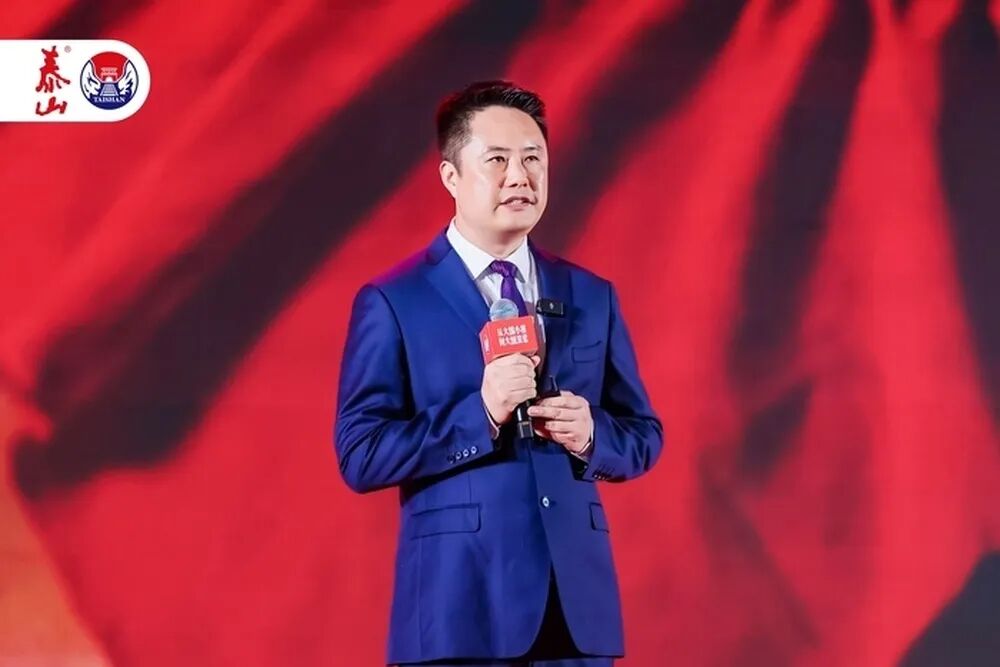
总经理张小峰在大会上阐释这一体系:以“酿造感动世界的高端白酒”为使命,依托“9”大资源夯实企业能力底座,锚定“4”大伙伴价值构建长期合作根基,落地“5”大行动方案抓牢战略落地抓手,推动泰山酒业从白酒品牌向白酒服务品牌转型。
“从品牌到服务品牌”,这七个字,是整场大会极具前瞻性的战略判断。白酒行业的竞争正在从“产品竞争”走向“体验竞争”,从“卖酒”走向“卖服务”。泰山酒业率先以体系化架构,将服务上升至企业战略层面。
与之同步亮相的,还有全新品牌口号“接待世界喝泰酒,一代一代更浓柔”,既是对“大国浓柔”战略的通俗化表达,也释放出企业从“省酒泰山”迈向更广阔市场的品牌雄心。
大会同步启动泰山美酒俱乐部,面向团购渠道、政企大客户、商会等圈层;设立以泰安市花命名的紫薇花奖,聚焦高端产品线与圈层培育,激励经销商深耕高端市场;启动“泰二代”传承联盟,为经销商群体注入年轻化视角与新思维,激活渠道持续焕新的内生动力。
此外,泰山酒业将常态化品鉴动销工程作为核心抓手,统一输出品鉴流程、沟通话术与物料标准,推动品牌从“讲好故事”走向“创造销量”。从渠道到终端,从B端到C端,一张全链路服务网络正在搭建完成。
两条产品线的战略意图
战略落地的最终载体,永远是产品。
儒风泰山2.0在大会上以AI视频形式亮相,围绕品质、颜值、价值三大维度完成全面升级。
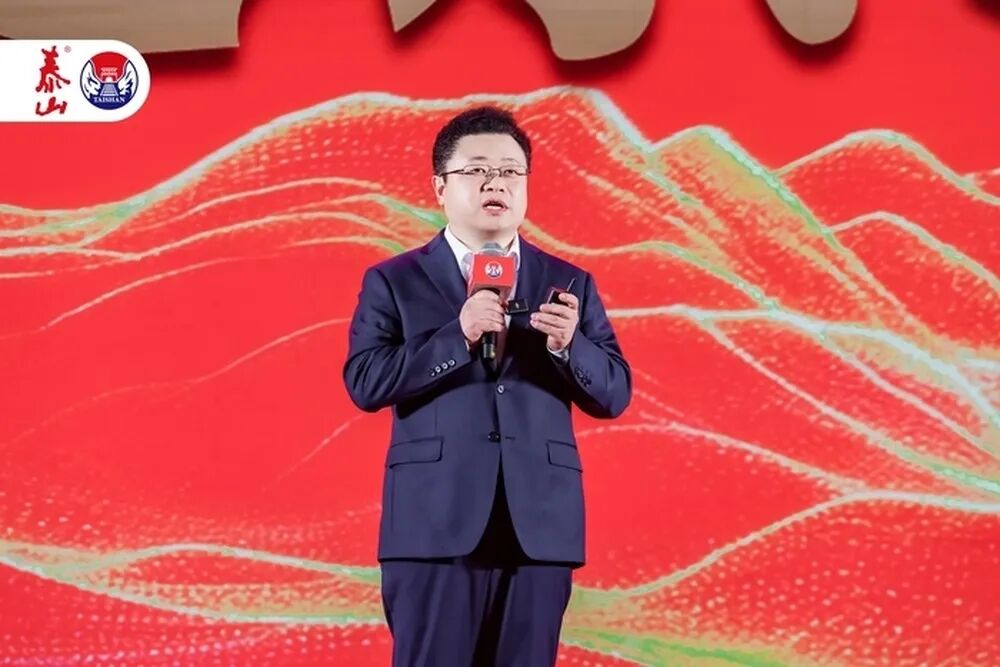
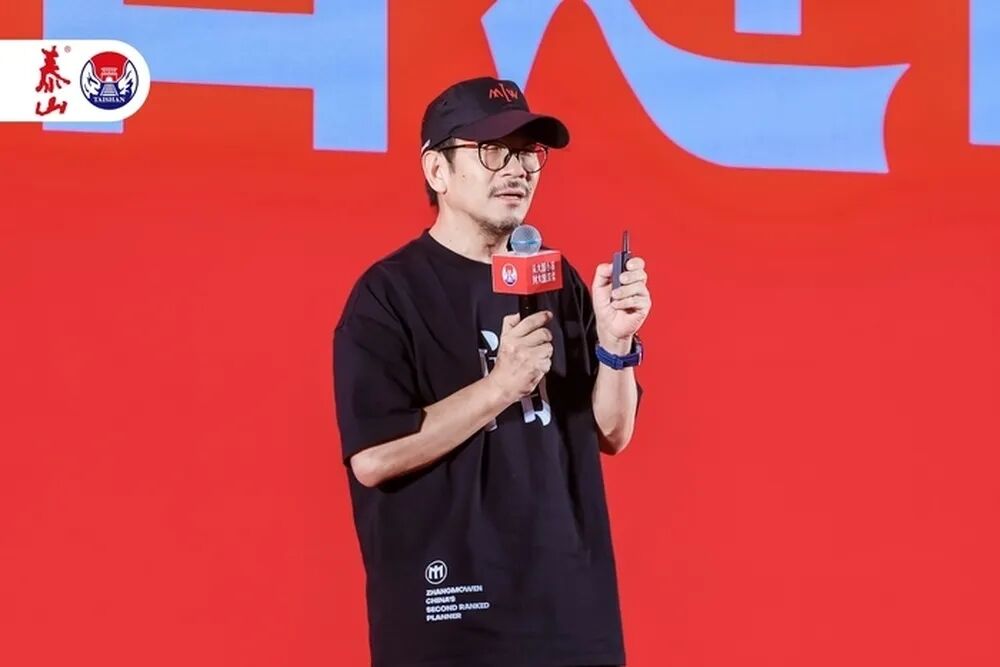
泰山酒业副总经理吴修刚回顾儒风泰山自2023年诞生以来的进阶之路:历经三年迭代,这款战略新品已经成长为鲁酒文化向度的代表性产品。2.0版本同步上线张默闻策划集团操刀的全新广告,“山高仁为峰”的品牌主张,在全新设计语言当中完成传递。
如果说儒风泰山2.0打的是“文化牌”,同期上市的泰山黄精酒,则瞄准健康消费赛道。
这款配制露酒配料简洁,以高端浓柔基酒为基底,复配泰山黄精,实现草本风味与酒体的平衡。作为露酒产品,它的上市,标志泰山酒业正式切入健康酒赛道。吴修刚表示,泰山黄精酒将为经销商新增一条高品质、具备发展潜力的赛道。
一文化、一健康,儒风泰山2.0与泰山黄精酒构成泰山酒业产品矩阵的“双引擎”。在白酒消费从“喝饱”走向“喝好”,消费者愈发看重文化内涵与健康属性的当下,两大产品方向精准踩中消费升级趋势。
写在行业收缩期的“进攻宣言”
回顾整场大会,研究院揭牌、战略服务体系发布、泰山美酒俱乐部启动、紫薇花奖设立、儒风泰山2.0亮相、泰山黄精酒上市,六大核心动作同日落地,叠加“泰二代”传承联盟启动,整套组合拳并非零散的战术发布,而是一场体系化的战略宣言。
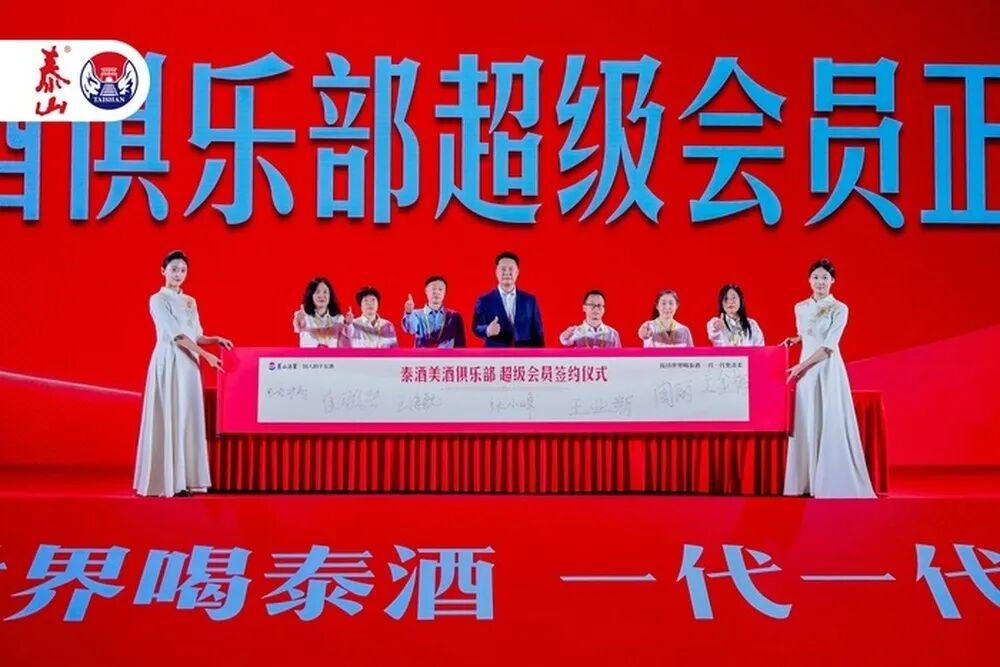
酒业时报认为,泰山酒业此次战略升级的最大看点,不在于某一个单点突破,而在于“系统作战”的节奏感。行业调整期,大多数企业选择收缩、防守、等待。但泰山酒业的逻辑恰恰相反:越是行业承压,越是布局的窗口期。建研究院、落地服务体系、启动圈层俱乐部、迭代核心产品、推出创新露酒,每一项布局,都在为下一个周期蓄力。
这份“反周期”布局的底气,来自两个层面:一是三千座国宝金条小窖、半个世纪不间断的酿造传承,是企业深厚品质家底;二是“不压货、不倒挂”的渠道政策,筑牢厂商稳固的合作根基。
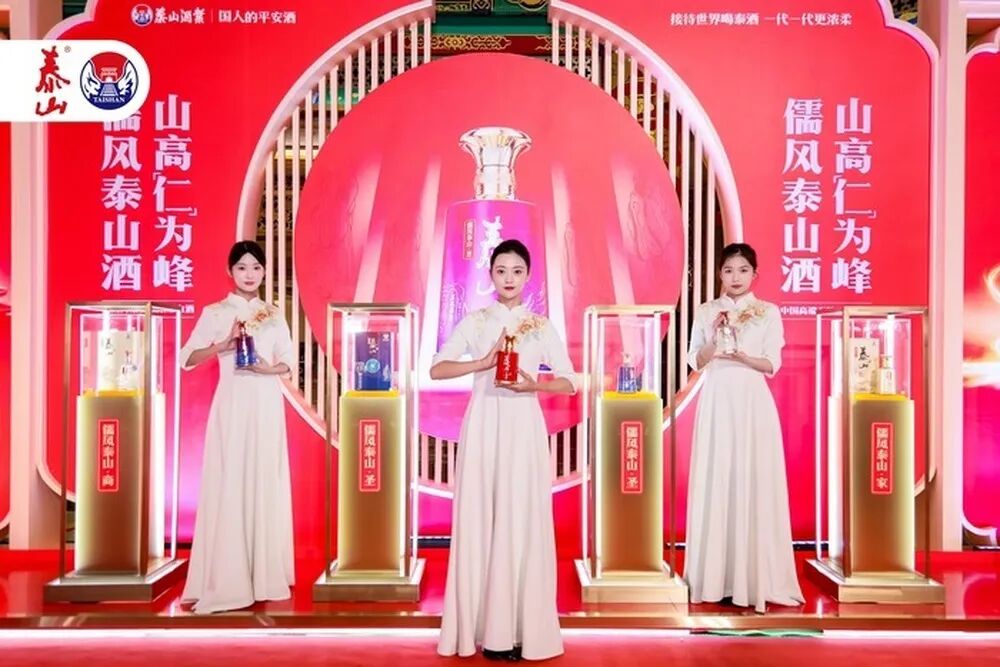
当行业从“增量竞争”转向“存量博弈”,决定胜负的不再是谁跑得更快,而是谁站得更稳、谁看得更远。泰山酒业在齐河完成的这一系列动作,本质上在回答一个行业命题:当潮水退去,什么样的企业才能穿越周期?
答案或许就藏在那三千座金条小窖里,藏在“不压货”的渠道承诺里,藏在泰山酒业从“大国小窖”迈向“大国浓柔”的完整战略演进之中。
(本文综合公开行业资讯整理)
在行业深度调整期,你认为区域酒企应该“收缩防守”还是“逆势布局”?欢迎在评论区聊聊你的看法。
The baijiu industry’s semi-annual reports have sent a chill through the market – the combined revenue of 21 listed liquor companies fell 6.64%, with over 80% of enterprises under earnings pressure. Against this backdrop, on September 5, Taishan Liquor accomplished six things in Qihe: the inauguration of a research institute, the launch of a strategic service system, the initiation of a club, the establishment of an award, product upgrades, and the launch of a new product. Some call this a “muscle-flexing” display. But in the view of JiuYe Times, it looks more like a carefully calibrated “counter-cyclical” move.
Six major moves, all executed on the same day. On September 5, in Qihe, Shandong, Taishan Liquor held its “From Great Nation’s Small Cellar to Great Nation’s Rich and Soft” 2026 Marketing Annual Conference and the Rufeng Taishan × Taishan Polygonatum Liquor Super Single Product Development Conference. At the event, the Taishan Gold Bar Small Cellar Research Institute was inaugurated, the “1945” strategic service system was officially launched, the Taishan Fine Wine Club was initiated, the Ziwei Flower Award was established, Rufeng Taishan 2.0 was unveiled, and Taishan Polygonatum Liquor was officially launched. The six initiatives covered the full value chain – research, service, channels, brand, and product. At the same time, the conference also launched the “Tai Second Generation” inheritance alliance to inject younger talent into the channel ecosystem.
Three years ago, this might have been just a routine annual statement from a regional leader. But placed in the industry context of autumn 2026, this series of moves is thought-provoking. In the first half of 2026, the combined revenue of 21 listed baijiu companies was RMB 200.441 billion, down 6.64% year-on-year; net profit attributable to shareholders was RMB 73.641 billion, down 8.13%. Over 80% of liquor enterprises saw declining performance, with only three achieving growth in both revenue and profit. The industry has fully transitioned from “incremental competition” to “stock-market competition.” In this climate of industry “chill,” Taishan Liquor Chairman Zhang Mingxin stood on stage and delivered a signal: “2026 will continue to maintain counter-trend growth.” This raises a question: when most enterprises are contracting, what gives it the right to keep expanding?
Part 01 How Much Are the Three Words “No Inventory Loading” Worth?
Before looking at what it has done, look first at what it has not done. Channel inventory loading has long been a prevalent practice in the baijiu industry: brands push products to distributors to boost their own financial statements, while distributors passively accept inventory to secure rebates. All parties in the industry chain are aware of the risks of inventory accumulation, but few are willing to make the first move to adjust. By 2026, this growth model has become unsustainable, and “supply control to protect prices” has become the industry’s common choice – both a response to market pressure and a proactive industry correction. Taishan Liquor did not follow this path. At the Provincial Liquor Taishan Shandong Brand Conference in May this year, the company jointly established a “No Price Inversion Alliance” with distributor representatives, publicly committing to “firmly no inventory loading, firmly no price inversion.” Zhang Mingxin has mentioned on multiple occasions that, in a market environment where many industry products are experiencing price inversions, Taishan Liquor must protect distributors’ reasonable profits and maintain the market pricing system.
The three words “no inventory loading” sound simple, but implementation requires immense restraint. It means the brand must curb its impulse for scale growth, set annual targets that align with the market’s actual capacity, and treat distributors as partners rather than as reservoirs for absorbing inventory. Zhang Mingxin said at the conference: “Counter-trend growth is not the achievement of Taishan Liquor alone, but a masterpiece jointly forged by Taishan Liquor and all our distributor partners through hard work together.” In the view of JiuYe Times, behind this statement lies a clear business logic: while the industry has generally chosen to “seek growth through channels,” Taishan Liquor has chosen to “seek growth through trust.” He Yong, Secretary-General of the China Alcoholic Drinks Association, noted on site: “The more the industry comes under adjustment pressure, the more it must uphold quality integrity, adhere to industry bottom lines, reject false speculation, and resist chaotic involution.” These remarks directly target the industry’s repeatedly proven “growth illusion.”
Part 02 The Elevation of “Great Nation’s Small Cellar”: From Storytelling to Science
“From Great Nation’s Small Cellar to Great Nation’s Rich and Soft” – the conference theme itself is a condensed expression of Taishan Liquor’s strategic logic. Taishan Liquor possesses 3,000 national treasure gold bar small cellars, recognised by the “Guinness World Records,” with fermentation pits that have never ceased production for half a century – irreplaceable microbial carriers and living fossils of brewing civilisation. The inverted trapezoidal structure of the small cellars enables more thorough fermentation, giving birth to the “rich and soft” style characterised by “high but not harsh, low but not thin, harmonious aroma, full and mellow, soft and comfortable.” But what truly deserves attention at this conference is not these long-accumulated industrial assets, but Taishan Liquor’s new approach to developing them. At the conference, Taishan Liquor, in partnership with the China National Research Institute of Food and Fermentation Industries, inaugurated the “Taishan Gold Bar Small Cellar Research Institute” to conduct systematic research on small cellar microbial communities and fermentation techniques. This signals that the “Great Nation’s Small Cellar” is transitioning from historical narrative to a quantifiable, verifiable, and communicable phase of scientific expression.
Professor Xu Yan, former Vice President of Jiangnan University, commented: “Three thousand national treasure gold bar small cellars are rare living fossils of brewing civilisation and the irreplaceable core quality root of Taishan Liquor.” Ma Yong, Vice President of the China National Food Industry Association, offered a judgement from another dimension: “The ‘rich and soft’ character of Taishan Liquor is a deep integration of Qilu humanistic spirit and baijiu flavour aesthetics, giving Shandong liquor its own distinctive cultural expression.” In the view of JiuYe Times, this is a crucial “elevation” move. A report jointly released by the China Alcoholic Drinks Association and KPMG shows that the baijiu aroma-type landscape is shifting from “brand determines aroma type” to “aroma type serves the brand.” The tripartite structure of strong-aroma, sauce-aroma, and light-aroma has already taken shape. Taishan Liquor has not chosen to compete within the existing aroma-type track, but has instead leveraged its own craft heritage to build the differentiated flavour coordinates of “rich and soft.” While peers are still telling the stories of their fermentation pits, Taishan Liquor has already moved further to analyse the microbial value and flavour production logic within those pits.
Part 03 “1945”: Writing “Service” into the Strategic Document
If the research institute addresses “what liquor to brew,” then the “1945” strategic service system addresses “how to sell liquor.” “1945” draws from the historical DNA of Taishan Liquor’s founding in 1945, and has now been reconstructed into a modern marketing service language. General Manager Zhang Xiaofeng explained this system at the conference: with the mission of “brewing high-end liquor that moves the world,” it relies on “9” major resources to solidify the enterprise’s capability foundation, anchors “4” partner values to build a foundation for long-term cooperation, and implements “5” action plans to ensure strategic execution, driving Taishan Liquor’s transformation from a baijiu brand to a baijiu service brand. “From brand to service brand” – these seven words represent the most forward-looking strategic judgement of the entire conference. Competition in the baijiu industry is moving from “product competition” to “experience competition,” from “selling liquor” to “selling services.” Taishan Liquor has taken the lead in elevating service to the strategic level through a systematic framework.
Launched simultaneously was the new brand slogan “Serving the world with Taishan liquor, richer and softer with each generation” – both a popular expression of the “Great Nation’s Rich and Soft” strategy and a signal of the brand’s ambition to move from “provincial liquor Taishan” toward broader markets. The conference also launched the Taishan Fine Wine Club, targeting group purchasing channels, government-corporate key accounts, and business chambers; established the Ziwei Flower Award, named after Tai’an’s city flower, focusing on the premium product line and circle cultivation to incentivise distributors to deepen their presence in the high-end market; and initiated the “Tai Second Generation” inheritance alliance to inject youthful perspectives and new thinking into the distributor community, activating the endogenous momentum for continuous channel renewal. In addition, Taishan Liquor will make the regular tasting and sell-through programme a core operational tool, standardising tasting processes, communication scripts, and material standards across the board, driving the brand from “telling good stories” to “creating sales.” From channels to terminals, from B-end to C-end, a full-chain service network is being built.
Part 04 The Strategic Intent Behind the Two Product Lines
The ultimate vehicle for strategy execution is always the product. Rufeng Taishan 2.0 was unveiled at the conference in the form of an AI video, having undergone a comprehensive upgrade across three dimensions: quality, aesthetics, and value. Wu Xiugang, Deputy General Manager of Taishan Liquor, reviewed the evolutionary journey of Rufeng Taishan since its launch in 2023: after three years of iteration, this strategic new product has grown into a representative product of Shandong liquor’s cultural dimension. The 2.0 version also launched with new advertising creative from Zhang Mowen Planning Group, with the brand proposition “The highest peak is where benevolence stands” conveyed through a fresh design language.
If Rufeng Taishan 2.0 plays the “cultural card,” then the concurrently launched Taishan Polygonatum Liquor targets the health consumption track. This formulated liqueur has a simple ingredient list, using high-end rich and soft base liquor as its foundation, combined with Taishan polygonatum to achieve a balance between herbal flavour and the liquor body. As a liqueur product, its launch marks Taishan Liquor’s formal entry into the health liquor segment. Wu Xiugang stated that Taishan Polygonatum Liquor will provide distributors with a new high-quality track with strong growth potential. One cultural, one health – Rufeng Taishan 2.0 and Taishan Polygonatum Liquor form the “dual engines” of Taishan Liquor’s product matrix. At a time when baijiu consumption is moving from “drinking to fullness” to “drinking well,” and consumers are increasingly valuing cultural depth and health attributes, these two product directions precisely align with the trend of consumption upgrading.
Part 05 An “Offensive Manifesto” Written in a Period of Industry Contraction
Looking back at the entire conference – the inauguration of the research institute, the launch of the strategic service system, the initiation of the Taishan Fine Wine Club, the establishment of the Ziwei Flower Award, the unveiling of Rufeng Taishan 2.0, and the launch of Taishan Polygonatum Liquor – six core initiatives executed on the same day, combined with the launch of the “Tai Second Generation” inheritance alliance, this combination of moves is not a collection of scattered tactical announcements, but a systematic strategic declaration. In the view of JiuYe Times, the most significant aspect of Taishan Liquor’s strategic upgrade is not any single breakthrough point, but the sense of rhythm in its “systematic operations.” During the industry adjustment period, most enterprises choose to contract, defend, and wait. But Taishan Liquor’s logic is exactly the opposite: the more the industry is under pressure, the more it is a window for positioning. Building a research institute, implementing a service system, launching a circle-based club, iterating core products, and introducing an innovative liqueur – every move is building strength for the next cycle.
The confidence behind this “counter-cyclical” positioning comes from two levels: first, the 3,000 national treasure gold bar small cellars and the uninterrupted half-century brewing heritage represent the company’s deep quality foundation; second, the “no inventory loading, no price inversion” channel policy builds a solid cooperative foundation between manufacturer and distributors. As the industry shifts from “incremental competition” to “stock-market competition,” what determines victory is no longer who runs faster, but who stands more steadily and who sees farther. The series of moves Taishan Liquor completed in Qihe essentially answers an industry question: when the tide recedes, what kind of enterprise can transcend market cycles? The answer may lie in those 3,000 gold bar small cellars, in the “no inventory loading” channel commitment, and in Taishan Liquor’s complete strategic evolution from “Great Nation’s Small Cellar” to “Great Nation’s Rich and Soft.”
(This article is compiled from publicly available industry information.)
During the industry’s deep adjustment period, do you think regional liquor enterprises should adopt a “defensive contraction” or a “counter-cyclical positioning” strategy? Welcome to share your thoughts in the comments section.
原创文章版权归本网所有;转载文章归原作者所有。发布者:酒业时报,转载请注明出处:https://www.thewinetimes.com/gongsi/12566