文|酒业时报
半年报披露,水井坊出现半年度亏损。亏损本身是明确的经营压力,但只盯着利润数字,容易忽略报表背后企业正在推进的渠道调整动作。

8月28日晚间,水井坊(600779.SH)的一纸半年报,让行业的目光再次聚焦到这家川酒名企身上。
2026年上半年,水井坊实现营业收入10.82亿元,同比下降27.78%;归属于上市公司股东的净利润亏损622.25万元,上年同期为盈利1.05亿元,同比由盈转亏。这是水井坊继2014年之后,时隔12年再次出现半年度亏损。
单看营收和利润,这份成绩单确实“不好看”。但如果把目光从利润表挪开,看向资产负债表和现金流量表,会发现另一组数据——渠道库存较去年同期下降约50%,经营活动现金流净额同比改善约85.5%。
在酒业时报看来,水井坊这份半年报的核心看点,不在于“亏了622万”,而在于“主动砍掉了3个亿的营收”。这是一场典型的以短期阵痛换长期健康的战略选择,但阵痛终究是实实在在的代价。
二季度“拖垮”上半年,但这不是突发危机
分季度看,水井坊上半年的经营压力集中释放在二季度。
一季度,水井坊实现营收8.16亿元,同比下降14.92%,归母净利润1.71亿元,同比下降10.12%。但到了二季度,单季营收骤降至约2.66亿元,同比下降50.7%;归母净利润亏损约1.77亿元。
二季度单季亏掉1.77亿,直接“吃掉”了一季度的全部利润,还倒亏622万。
但这一结果并非突发。早在7月14日,水井坊就已发布半年度业绩预告,市场对亏损已有预期。亏损的主要原因,公司给出的解释是——主动推进渠道库存结构优化。
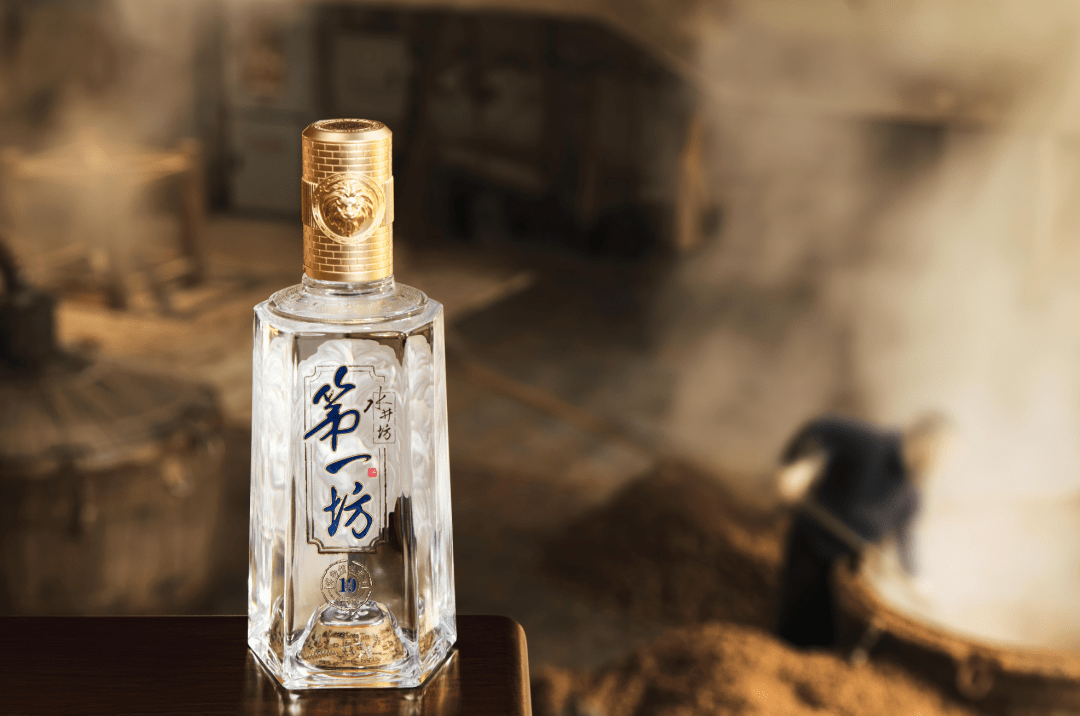
具体来说,水井坊主动调整发货节奏,匹配市场的真实消化速度。这一控货行为直接导致上半年营业收入减少约3亿元,毛利减少约2.5亿元。
换句话说,这622万的亏损,是企业主动调整策略下产生的经营结果,公司选择在行业低谷期集中化解渠道积压的历史问题,但并不意味着亏损本身具备合理性。
白酒行业“量价利三杀”,水井坊的选择并非孤例
把水井坊的业绩放到整个白酒行业的大背景下看,更能理解其战略逻辑。
2026年上半年,白酒行业延续深度调整态势,呈现典型的“量价利三杀”特征。截至8月28日晚,除山西汾酒外,其余19家A+H股白酒上市公司半年业绩已全部出炉。19家白酒股上半年合计营业收入1794亿元,同比减少97亿元,下降5.1%;合计归母净利润674亿元,同比减少95亿元,下降12.3%。
在已公布业绩的19家白酒股中,仅有贵州茅台、五粮液、迎驾贡酒、金徽酒、珍酒李渡5家实现营收增长,其余14家均出现不同程度下滑。
行业分化加剧,次高端阵营集体承压。此前券商研报曾做出预判,二季度扩张型次高端动销持续承压,报表加速出清,预计舍得、水井坊二季度收入利润双双走弱并陷入亏损。半年报落地后,预判得到印证。
事实也确实如此。舍得酒业上半年实现营收22.87亿元,同比下滑15.34%,归母净利润1.45亿元,同比下滑67.26%,其中二季度归母净利润亏损约0.9亿元。泸州老窖上半年营收104.72亿元,同比下降36.35%。今世缘上半年营收64.35亿元,同比下降7.41%。
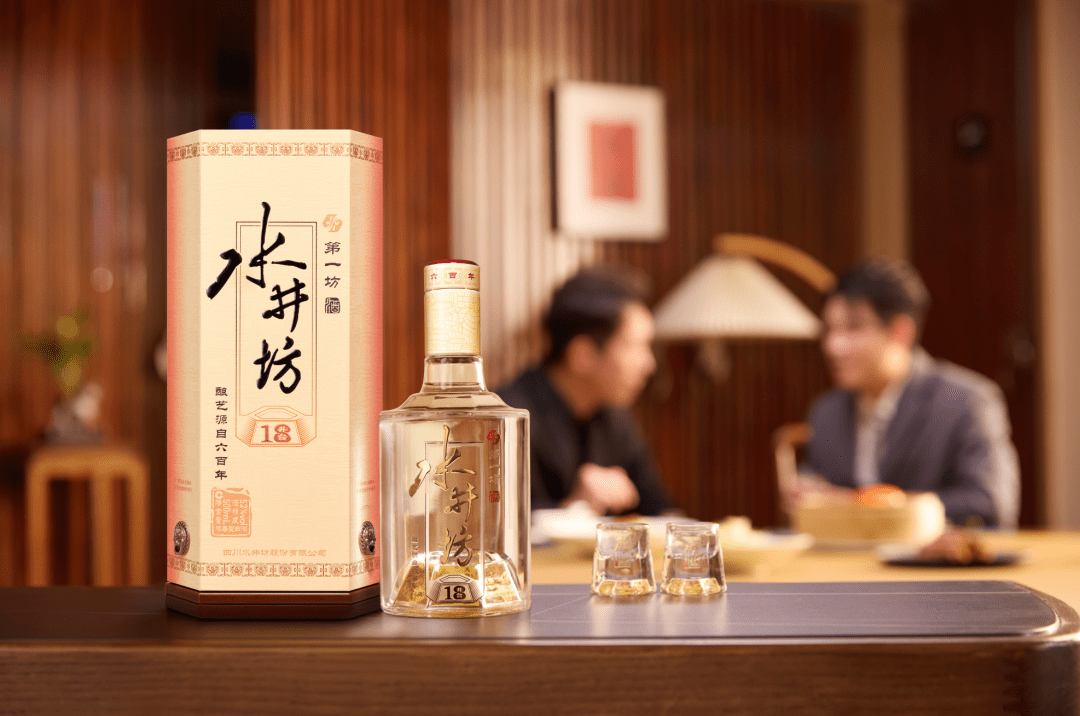
行业整体下行,水井坊的亏损并非“掉队”,而是一种主动选择——在别人还在努力“保营收、冲规模”的时候,它选择了“保渠道、去库存”。只是这种选择,需要承担利润受损的现实代价。
渠道库存砍掉一半,这才是真正的“成绩单”
那么,这场“主动手术”的效果如何?
最直观的指标是渠道库存。截至2026年6月末,水井坊渠道库存较去年同期下降约50%。这是一个相当惊人的降幅——在整个行业仍在为库存高企头疼的时候,水井坊已经完成了渠道的深度“瘦身”。
同时,公司持续深化降本增效,销售费用同比下降29.57%,管理费用同比下降19.28%。经营活动现金流净额同比改善约85.5%,流出净额大幅收窄。
不过,硬币的另一面也值得关注。截至2026年6月末,水井坊存货40.82亿元,较上年末39.11亿元增加1.71亿元,增幅4.38%,占总资产比重近五成。第三方测算显示,其存货周转天数约2785天,较2025年末的2095天进一步延长。
渠道库存下降了,但公司自身的存货还在上升——这说明去库存的工作还没做完,从“渠道去库存”到“厂家去库存”,还有一段路要走。
人员优化与股东重组:内外都在“刮骨”
业绩调整之外,水井坊的内部也在经历一轮深度调整。
2025年,水井坊已完成一轮人员精简,年末员工总数1733人,较2024年末净减282人,当年产生一次性辞退补偿金约4400万元。但这一动作并未在2025年画上句号。据媒体报道,2026年水井坊仍在持续收缩人员规模,核心高管层几乎全线更迭——从财务、市场、销售到生产、法务、公关,均有核心岗位发生变动。
值得注意的是,控股股东帝亚吉欧也在同步推进全球重组。帝亚吉欧宣布启动一项总规模12亿美元的重组计划,全球员工数量减少近2000人。对应财年财报例外费用表显示:欧洲、企业及其他地区遣散费5.14亿美元,较上一财年的0.73亿美元放大逾7倍。
母公司的全球“瘦身”与水井坊的深度调整,在时间线上高度同步。这不仅是水井坊一家的战略选择,更是帝亚吉欧全球战略调整在中国的投射。
短期阵痛换来什么?
在酒业时报看来,水井坊这份半年报,最有价值的不是亏损数字,而是转型的决心,但决心不等于已经拿到好结果。
中国酒业分析师肖竹青对证券时报表示,白酒行业已经告别“唯规模、唯增速”的粗放发展时代。行业洗牌阶段,评判酒企核心竞争力与经营成色,不再只看短期营收高低,更看渠道库存健康度、价格体系稳定性、终端真实动销质量三大核心指标。
水井坊本轮业绩调整,正是“以短期阵痛换长期健康”的典型——通过主动去库存、降成本、优现金流,看似短期让利业绩,实则盘活渠道生态。但必须明确,亏损本身是需要正视的经营压力,调整能否兑现价值,还要看后续市场反馈。
从更宏观的视角看,白酒行业的增长逻辑正在发生根本性转变。过去二十年“产能上堆、渠道下压、经销商作蓄水池”的模式,在消费升级与商务宴请扩张的周期里跑得通。但2024年下半年起,批价松动、倒挂蔓延,旧模式开始反噬。2026年,茅台在业绩说明会上放弃量化经营目标,五粮液、汾酒、泸州老窖、洋河相继淡化具体营收利润指引。
整个行业都在从“规模导向”转向“效益导向”,从“B端压货”转向“C端动销”。水井坊不过是走在了这条转型路的前列。
当然,转型的代价也是实实在在的。二季度营收腰斩、单季亏损1.77亿、存货周转天数处于高位——这些都不是小问题。渠道库存降下来了,但终端动销能不能跟上?价格体系能不能稳住?经销商信心能不能恢复?这些都是水井坊接下来必须回答的问题。
国海证券研报指出,水井坊主动调整、聚焦经营,锚定渠道健康优先目标,短期聚焦去库,需求转暖后更具弹性,首次覆盖给予“买入”评级。东方证券也给予“买入”评级,目标价31.91元。
机构的看好,赌的是水井坊“先蹲后跳”的逻辑能够兑现。
半年亏622万是客观的经营损失,不能美化亏损本身,但这份亏损背后,是企业主动进行渠道出清的现实动作。水井坊清楚当前暴露出来的问题,并且已经着手解决。这份半年报更像一份“手术报告”:手术已经开展,但伤口尚在,最终恢复效果仍有待观察。
白酒行业的下半场,比的不是谁跑得快,而是谁先看清路。当“规模红利”退潮、渠道与终端重新分权,敢于主动减速、刮骨疗毒的企业,往往比死守报表数字的企业走得更远。622万是调整付出的现实成本,绝非一份值得夸耀的成绩。真正的考题不在于敢不敢承受亏损,而在于完成调整之后,企业能否重新回归盈利轨道。
With the disclosure of semi-annual reports, Shuijingfang has posted a half-year loss. The loss itself represents clear operational pressure, but focusing solely on the profit figure risks overlooking the channel adjustment measures the company is advancing behind the numbers.
On the evening of August 28, Shuijingfang’s (600779.SH) semi-annual report once again drew the industry’s attention to this prominent Sichuan liquor brand. In the first half of 2026, Shuijingfang achieved operating revenue of RMB 1.082 billion, down 27.78% year-on-year; net loss attributable to shareholders of the listed company was RMB 6.2225 million, compared to a profit of RMB 105 million in the same period last year, marking a swing from profit to loss. This is Shuijingfang’s first half-year loss since 2014, a gap of 12 years.
Looking solely at revenue and profit, this report card does indeed appear “unimpressive.” But if one shifts focus from the income statement to the balance sheet and cash flow statement, another set of data emerges – channel inventory declined approximately 50% year-on-year, and net cash flow from operating activities improved approximately 85.5% year-on-year.
In the view of JiuYe Times, the core takeaway from Shuijingfang’s semi-annual report is not “a loss of RMB 6.22 million,” but “proactively cutting RMB 300 million in revenue.” This is a textbook case of trading short-term pain for long-term health. However, the pain is nonetheless a real cost.
Q2 “Broke” the First Half, But This Was Not a Sudden Crisis
Breaking down the quarters, Shuijingfang’s operational pressure in the first half was concentrated in the second quarter. In Q1, Shuijingfang achieved revenue of RMB 816 million, down 14.92% year-on-year, with net profit attributable to shareholders of RMB 171 million, down 10.12% year-on-year. But in Q2, quarterly revenue plummeted to approximately RMB 266 million, down 50.7% year-on-year; the net loss attributable to shareholders was approximately RMB 177 million.
The Q2 loss of RMB 177 million effectively “consumed” the entire Q1 profit and resulted in an additional loss of RMB 6.22 million. However, this outcome was not sudden. As early as July 14, Shuijingfang had already issued a half-year performance warning, so the market had priced in the loss.
The company’s explanation for the primary cause of the loss – proactively advancing the optimisation of channel inventory structure – was clear. Specifically, Shuijingfang actively adjusted its shipment cadence to match the pace of genuine market digestion. This supply control directly led to a reduction of approximately RMB 300 million in first-half revenue and a reduction of approximately RMB 250 million in gross profit. In other words, the RMB 6.22 million loss is an operational outcome resulting from the company’s proactive strategic adjustment – choosing to resolve accumulated historical channel issues during the industry downturn. But this does not mean the loss itself is justified.
The Baijiu Industry’s “Triple Whammy” – Shuijingfang’s Choice Is Not an Isolated Case
Placing Shuijingfang’s performance against the broader baijiu industry backdrop makes its strategic logic more understandable. In the first half of 2026, the baijiu industry continued its deep adjustment, exhibiting the classic “triple whammy of declining volume, price, and profit.”
As of the evening of August 28, with the exception of Shanxi Fenjiu, the half-year results of the remaining 19 A+H listed baijiu companies had all been released. The 19 baijiu stocks recorded combined first-half revenue of RMB 179.4 billion, a decrease of RMB 9.7 billion year-on-year, down 5.1%; combined net profit attributable to shareholders was RMB 67.4 billion, a decrease of RMB 9.5 billion, down 12.3%. Among the 19, only five – Kweichow Moutai, Wuliangye, Yingjia Gongjiu, Jinhui Liquor, and ZJLD – achieved revenue growth, while the remaining 14 all experienced varying degrees of decline. Industry divergence intensified, with the sub-premium tier bearing the brunt.
Earlier broker research had predicted that in Q2, expansionary sub-premium brands would continue to face sell-through pressure, with accelerated balance sheet clearing, and that Shede and Shuijingfang would likely see weak revenue and profits in Q2, potentially falling into losses. The semi-annual reports confirmed these predictions. Shede Liquor achieved first-half revenue of RMB 2.287 billion, down 15.34% year-on-year, with net profit attributable to shareholders of RMB 145 million, down 67.26% year-on-year, including a Q2 net loss attributable to shareholders of approximately RMB 90 million. Luzhou Laojiao’s first-half revenue was RMB 10.472 billion, down 36.35% year-on-year. Jinshiyuan’s first-half revenue was RMB 6.435 billion, down 7.41% year-on-year.
With the industry in overall decline, Shuijingfang’s loss is not a sign of “falling behind” – it is a proactive choice: while others are still striving to “maintain revenue and chase scale,” Shuijingfang chose to “protect the channel and clear inventory.” The cost of this choice, however, is the real sacrifice of profit.
Channel Inventory Cut in Half – This Is the Real “Report Card”
So how effective has this “surgery” been? The most direct indicator is channel inventory. As of the end of June 2026, Shuijingfang’s channel inventory had declined by approximately 50% year-on-year. This is a remarkably sharp reduction – while the industry is still grappling with persistently high inventories, Shuijingfang has already completed a deep “slimming” of its channel.
At the same time, the company continued to deepen cost reduction and efficiency improvement, with selling expenses down 29.57% year-on-year and administrative expenses down 19.28% year-on-year. Net cash flow from operating activities improved by approximately 85.5% year-on-year, with the net outflow narrowing significantly.
However, the other side of the coin also warrants attention. As of the end of June 2026, Shuijingfang’s inventory stood at RMB 4.082 billion, up RMB 171 million from RMB 3.911 billion at the end of last year, an increase of 4.38%, accounting for nearly 50% of total assets. Third-party estimates indicate that its inventory turnover days stand at approximately 2,785 days, further extended from 2,095 days at the end of 2025. Channel inventory has declined, but the company’s own inventory is still rising – this suggests that the destocking work is not yet complete. There is still a journey ahead from “channel destocking” to “manufacturer destocking.”
Workforce Optimisation and Shareholder Restructuring: “Surgery to the Bone” Inside and Out
Beyond operational adjustments, Shuijingfang is also undergoing a deep internal restructuring. In 2025, Shuijingfang completed a round of workforce reduction, with total year-end employees of 1,733, a net reduction of 282 from the end of 2024, and one-time severance compensation of approximately RMB 44 million incurred that year. But this did not conclude in 2025. According to media reports, Shuijingfang continues to reduce headcount in 2026, with almost the entire core executive team in flux – from finance, marketing, and sales to production, legal, and public relations, key positions have seen changes.
Notably, controlling shareholder Diageo is also advancing a global restructuring in parallel. Diageo announced a restructuring plan totalling US$1.2 billion, reducing global headcount by nearly 2,000. The corresponding fiscal year’s exceptional expense table shows that Europe, corporate, and other regional severance costs reached US$514 million, more than seven times the US$73 million of the previous fiscal year. The parent company’s global “slimming” is closely aligned with Shuijingfang’s deep adjustment in timing. This is not merely a strategic choice for Shuijingfang alone, but a reflection of Diageo’s global strategic shift as it plays out in China.
What Does the Short-Term Pain Buy?
In the view of JiuYe Times, the most valuable aspect of Shuijingfang’s semi-annual report is not the loss figure, but the determination to transform – though determination alone does not guarantee a good outcome.
Xiao Zhuqing, a Chinese baijiu industry analyst, told Securities Times that the baijiu industry has moved past the era of extensive development focused solely on scale and growth. During the industry reshuffle phase, evaluating a distiller’s core competitiveness and operational quality no longer relies on short-term revenue figures alone, but on three core indicators: channel inventory health, pricing system stability, and genuine terminal sell-through quality. Shuijingfang’s current operational adjustment is a typical case of “trading short-term pain for long-term health” – by proactively destocking, reducing costs, and optimising cash flow, it appears to sacrifice short-term profits while actually revitalising the channel ecosystem.
However, it must be clearly stated that the loss itself is a real operational pressure that needs to be addressed. Whether the adjustment will deliver value ultimately depends on subsequent market feedback.
From a broader perspective, the growth logic of the baijiu industry is undergoing a fundamental transformation. The old model of “building capacity upstream, pushing inventory downstream, and using distributors as reservoirs” worked during the cycles of consumption upgrading and business banquet expansion. But since the second half of 2024, wholesale prices have loosened, price inversions have spread, and the old model has begun to backfire. In 2026, Moutai abandoned quantitative operational targets at its performance briefing, while Wuliangye, Fenjiu, Luzhou Laojiao, and Yanghe have successively downplayed specific revenue and profit guidance. The entire industry is shifting from “scale-oriented” to “efficiency-oriented,” from “B-end inventory pushing” to “C-end sell-through.”
Shuijingfang is simply at the forefront of this transformation path. Of course, the cost of transformation is real. Q2 revenue halved, a quarterly loss of RMB 177 million, and inventory turnover days remaining elevated – these are not small issues. Channel inventory has come down, but can terminal sell-through keep up? Can the pricing system stabilise? Can distributor confidence be restored? These are questions Shuijingfang must answer going forward.
Sealand Securities research noted that Shuijingfang’s proactive adjustment and operational focus on prioritising channel health, with short-term focus on destocking, will provide greater flexibility when demand recovers, assigning a “Buy” rating on first coverage. Oriental Securities also assigned a “Buy” rating with a target price of RMB 31.91. The institutions’ optimism is betting that Shuijingfang’s “squat before jumping” logic will deliver.
A half-year loss of RMB 6.22 million is an objective operational loss that cannot be glossed over. But behind this loss lies the company’s active channel clearing. Shuijingfang has identified the problems it faces and has already begun addressing them. This semi-annual report reads more like a “surgical report”: the surgery has been performed, but the wound is still fresh, and the final recovery remains to be seen.
The second half of the baijiu industry is not about who runs fastest, but who sees the road most clearly. When the “scale dividend” recedes and channels and terminals are rebalanced, the companies that dare to slow down and undergo surgery to the bone tend to go further than those that cling to the numbers on their financial statements. RMB 6.22 million is the real cost of adjustment – not a result to be proud of. The real test is not whether a company dares to bear losses, but whether, after completing the adjustment, it can return to a profitable growth trajectory.
原创文章版权归本网所有;转载文章归原作者所有。发布者:酒业时报,转载请注明出处:https://www.thewinetimes.com/gongsi/12249