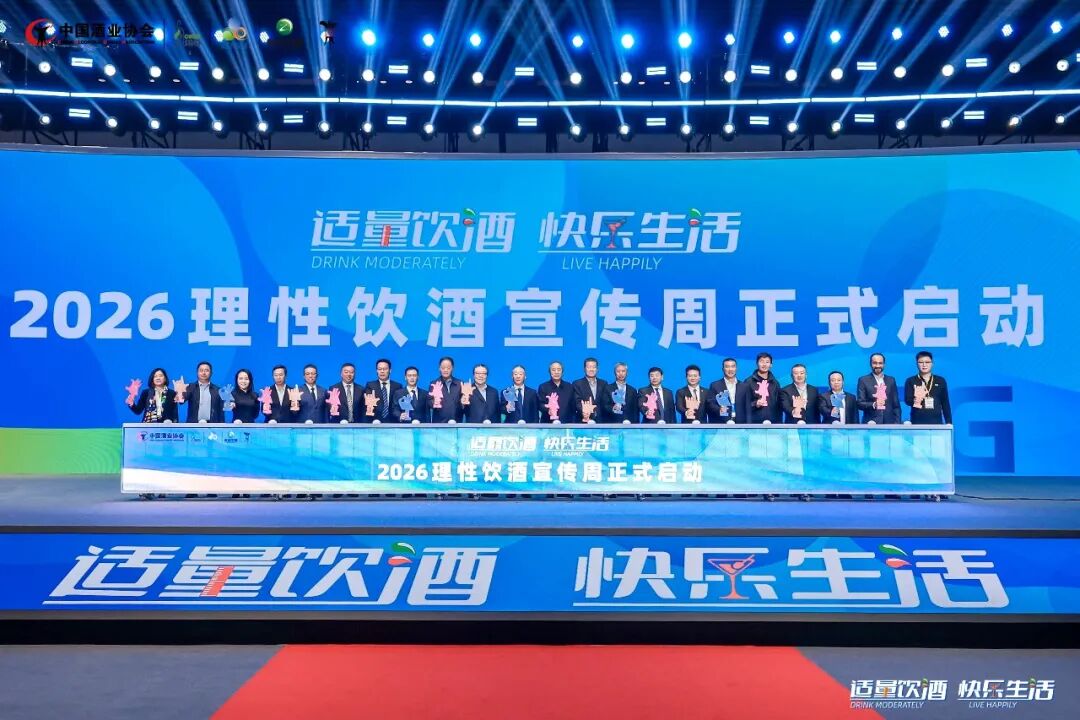
酒业开大会,通常讲的是“怎么卖得更多”。但10月15日武汉这场会,从头到尾在讲“怎么让人喝得更少、喝得更舒服”。
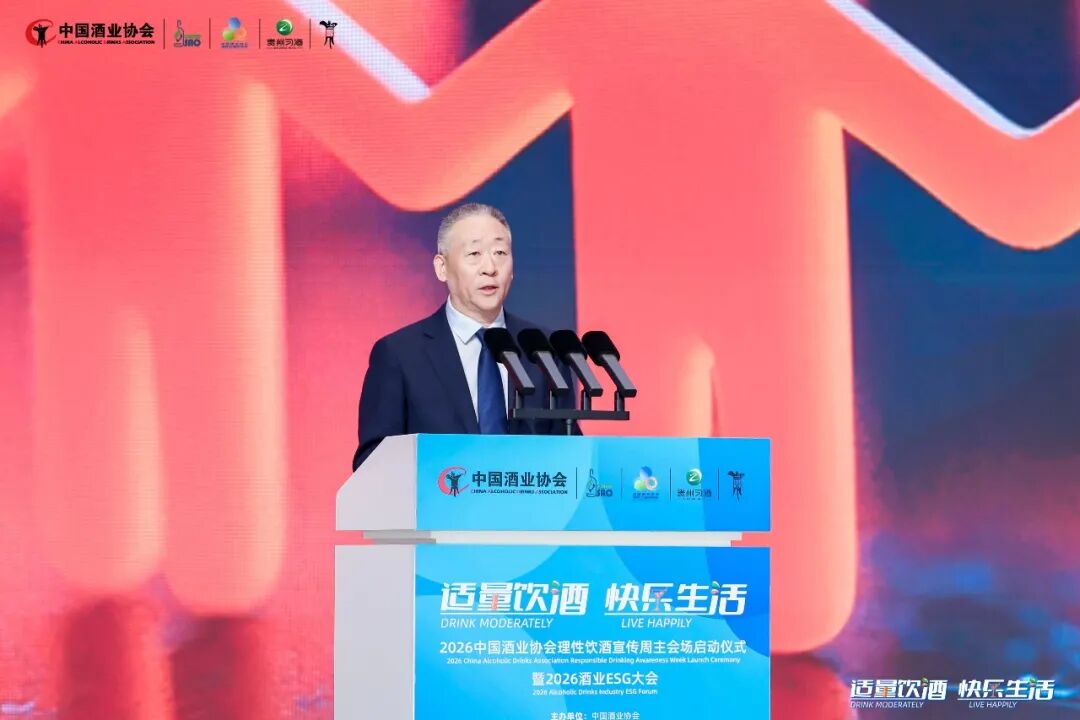
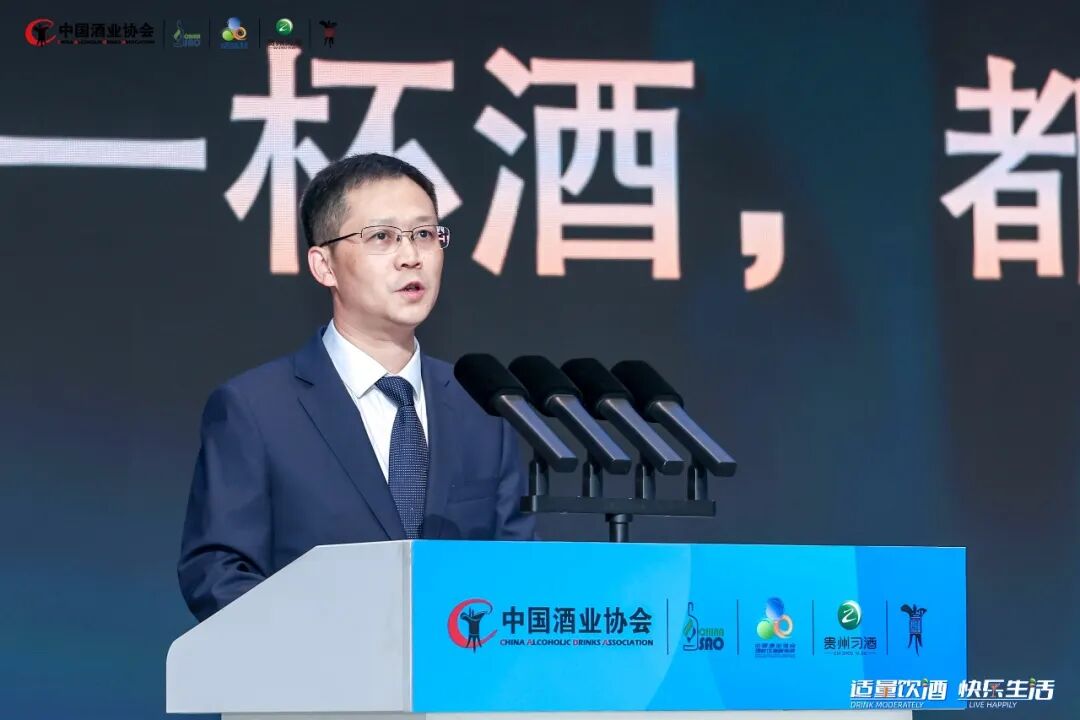
更耐人寻味的是,站在台上致欢迎辞的,是习酒集团党委书记、董事长汪地强。一家靠卖酒为生的企业,为什么要在行业最高规格的舞台上,为“理性饮酒”站台?
答案,藏在那一天首发的两份报告里。
15万份问卷里的现实
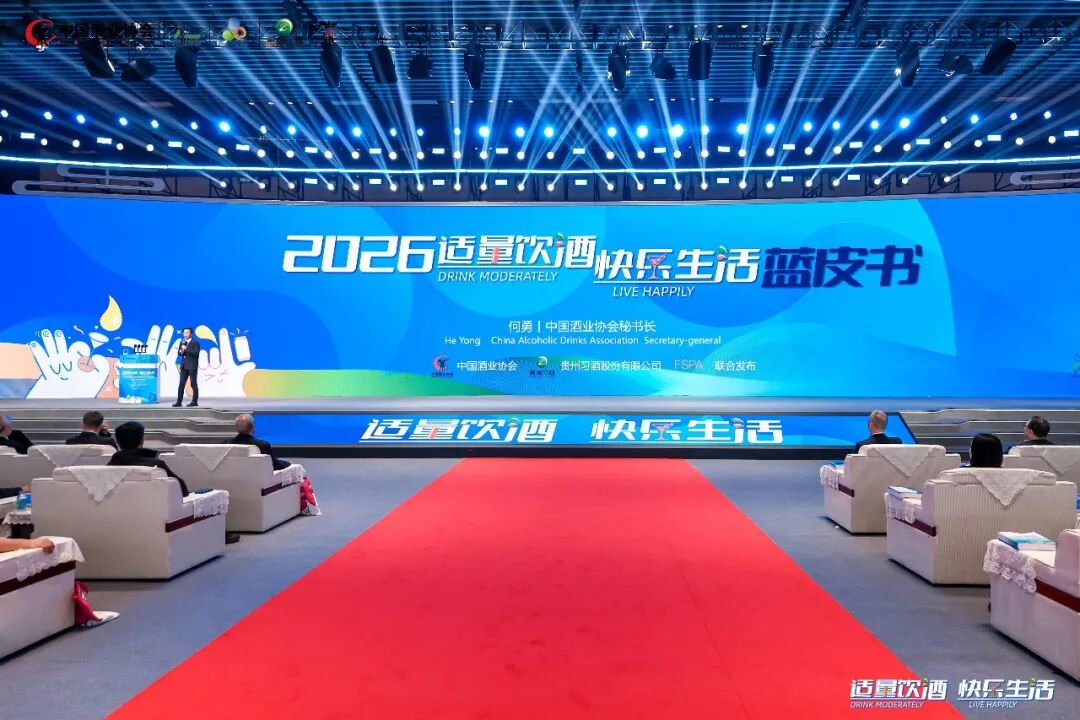
中国酒业协会秘书长何勇在台上发布《2026适量饮酒快乐生活蓝皮书》时,念出了一组数字:89.38%的受访消费者在19—31岁之间,31个省份、15万余份样本。
这可能是中国酒业协会历年来发布的蓝皮书中,样本最“年轻”的一次。
但真正值得细读的不是年龄分布,而是行为逻辑的变化。蓝皮书显示,国内酒类消费正从面子消费向体验消费转型,悦己消费占比持续提升。年轻人不是不喝酒,而是不再为“别人”喝酒。
换句话说:上一代消费者喝酒,喝的是关系;这一代消费者喝酒,喝的是自己。
在酒业时报看来,这组数据的冲击力,远比“理性饮酒理念深入人心”这样的结论要大得多。它意味着酒企过去几十年赖以增长的“场景红利”——商务宴请、礼赠往来、政务接待——正在被“自饮微醺”“朋友小聚”“一人独酌”这些新场景稀释。谁先读懂这层变化,谁就先拿到下一轮竞争的入场券。
行业责任从“选答题”变成“必答题”
同一天首发的《2025酒业ESG发展报告》,则从产业端给出了回应。
这份由中国酒业协会联合21世纪经济报道、贵州习酒共同编写的报告,以32家酒类上市公司为样本。8家强制披露上市公司ESG报告披露率100%,24家非强制披露企业主动发布可持续发展报告,环境维度整体披露率达96.88%。
“非强制披露企业主动发布”——这七个字,放在五年前几乎不可想象。
回顾中国酒业社会责任建设的历程,早期更多停留在“捐款捐物就算履责”的阶段。直到中国酒业协会酒与社会责任促进工作委员会成立后,行业才开始有了体系化的标准、评价和披露机制。而支撑这份报告的ESG评级平台已完成2.0版升级,覆盖十余种酒类品类。
酒业时报认为,ESG在酒业正经历一个临界点:从龙头企业的“加分项”,变为全行业的“及格线”。汪地强在致辞中说得很直白:ESG不是大企业的“内卷报告”,是全行业的“共同基本功”。这话从一家非上市酒企负责人口中说出来,分量不一样——习酒主动披露ESG报告本身,就是对这个“基本功”的躬身实践。
习酒的“君子解法”
2026年,习酒接棒中国酒业协会酒与社会责任促进工作委员会主任委员单位。汪地强说了一句很实在的话:不当“挂牌的”,要当“挑担的”。
这个“担子”怎么挑?习酒给出的答案,不是一场发布会,而是一套从生产到消费的“责任链条”。
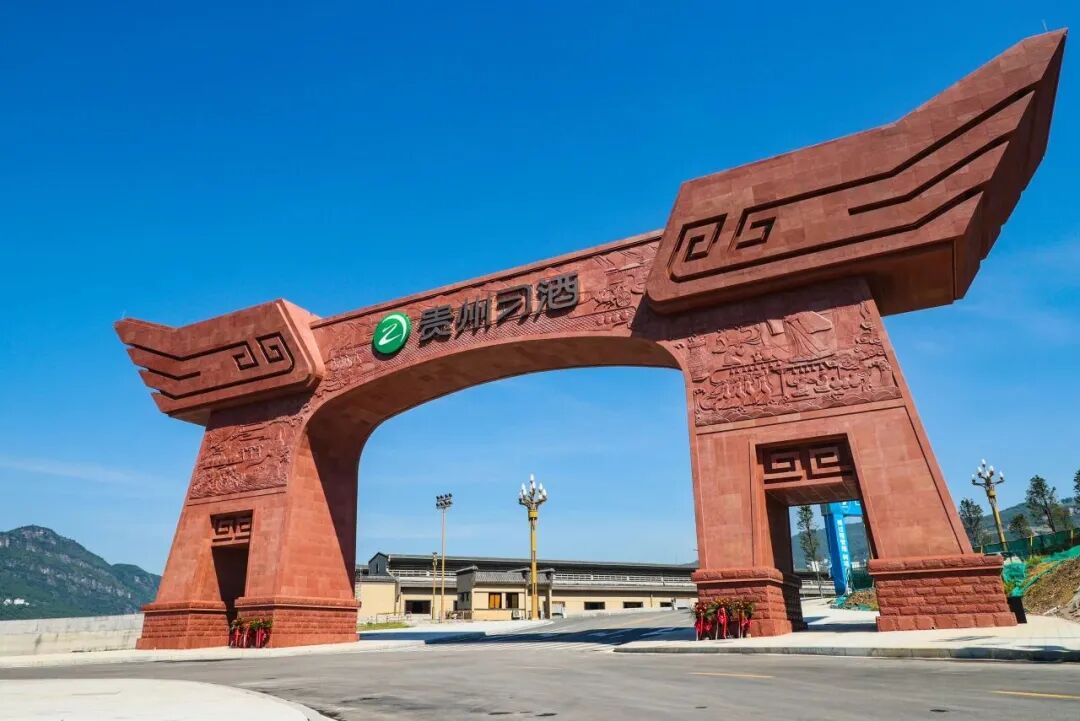
生产端,“适量”做在卖酒前。30道工序、165个工艺环节严格品控,一物一码实现流向可溯。消费端,“快乐”融入场景里——打造“中国节·喝习酒”,推出“窖藏里的三餐四季”,为年轻人搭建“知交局”,把白酒从应酬桌上拉回到生活日常里。

社会端,“生活”落到坚守中——“保护赤水河·习酒在行动”全员义务植树自2015年启动以来累计投入超1000万元,栽植树木3.5万余株;连续多年开展“习酒·我的大学”奖学、“习酒·吾老安康”敬老爱老等公益行动。
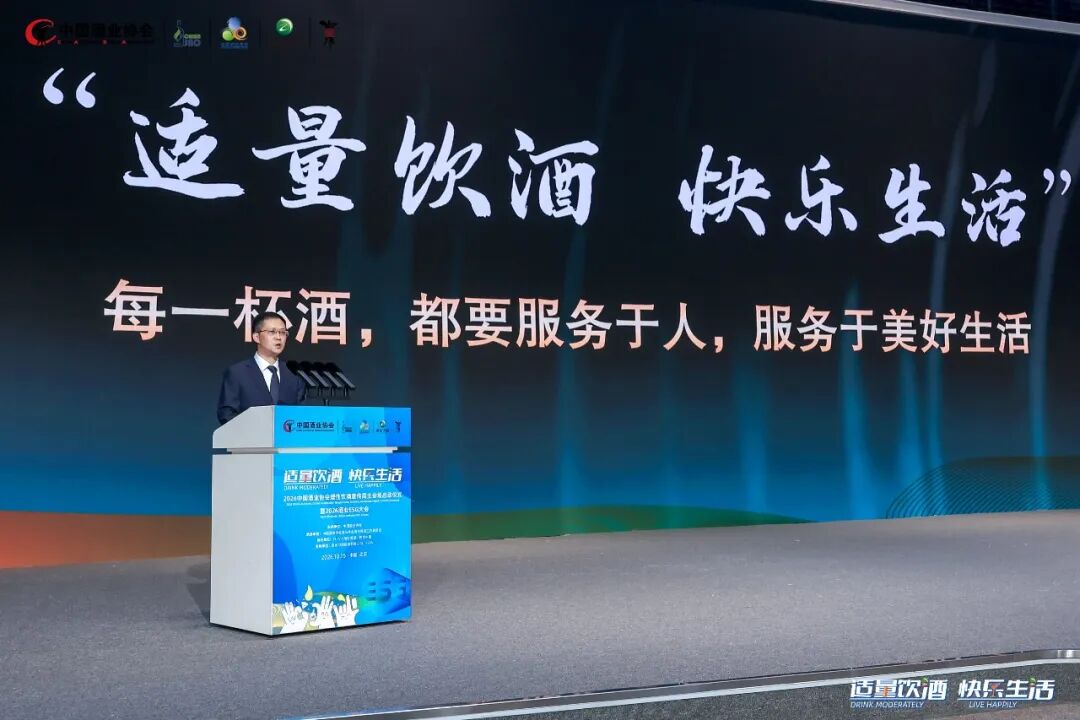
本次大会期间,由习酒支持编写的两份报告正式发布,由习酒支持制作的理性饮酒公益系列短剧先导片同步亮相,“美酒美图TOP10”第六季摄影大赛、公益主题海报设计大赛及“美酒美生活”短视频大赛现场揭晓获奖作品。
酒业时报认为,习酒这套打法的独到之处,在于把“君子文化”从品牌口号翻译成了一套可操作、可验证、可持续的社会责任方法论。“适量是美的前提,快乐是美的底色,生活是美的落脚点”——当一家酒企把“美”的定义从产品延伸到生活方式,它卖的就不再只是酒,而是一种被消费者主动选择的生活主张。
而这,恰恰是ESG报告里不会写、但消费者会用脚投票的东西。
At liquor industry conferences, the talk is usually about “how to sell more.” But at this conference in Wuhan on October 15, the entire discussion from start to finish was about “how to get people to drink less and drink more comfortably.” What is even more intriguing is that the person delivering the welcome address on stage was Wang Diqiang, Party Secretary and Chairman of Xijiu Group. Why would a company that makes its living selling liquor take the stage at the industry’s highest-profile event to advocate for “responsible drinking”? The answer lies in the two reports released that day.
PART 01
The Reality Behind 150,000 Questionnaires
When He Yong, Secretary-General of the China Alcoholic Drinks Association, released the 2026 Blue Book on Moderate Drinking and Happy Life on stage, he read out a set of figures: 89.38% of surveyed consumers were between 19 and 31 years old, covering 31 provinces and more than 150,000 samples. This may be the “youngest” Blue Book ever released by the China Alcoholic Drinks Association in terms of sample demographics.
But what truly deserves close reading is not the age distribution, but the shift in behavioural logic. The Blue Book shows that domestic liquor consumption is transitioning from face consumption to experience consumption, with the share of self-pleasing consumption continuing to rise. Young people are not refusing to drink — they are no longer drinking for “others.”
In other words: the previous generation of consumers drank for relationships; this generation drinks for themselves. In the view of JiuYe Times, the impact of this data is far greater than conclusions like “the concept of moderate drinking is deeply rooted in people’s hearts.” It means that the “scenario dividend” that liquor companies have relied on for decades — business banquets, gift exchanges, government receptions — is being diluted by new scenarios such as “solo tipsy drinking,” “small gatherings with friends,” and “drinking alone.” Whoever understands this change first will be the first to obtain the ticket to the next round of competition.
PART 02
Industry Responsibility: From “Optional Question” to “Mandatory Question”
The 2025 Liquor Industry ESG Development Report, also released the same day, provided a response from the industrial side. The report, jointly compiled by the China Alcoholic Drinks Association, 21st Century Business Herald, and Guizhou Xijiu, used 32 listed liquor companies as samples. Among the 8 companies subject to mandatory disclosure, the ESG report disclosure rate was 100%; among the 24 non-mandatory disclosure companies, all voluntarily published sustainability reports, with the overall disclosure rate in the environmental dimension reaching 96.88%.
“Non-mandatory disclosure companies voluntarily publishing reports” — these seven words were almost unimaginable five years ago. Looking back at the history of social responsibility building in China’s liquor industry, early efforts were mostly limited to the stage of “donating money and goods counts as fulfilling responsibility.” It was not until after the establishment of the China Alcoholic Drinks Association’s Liquor and Social Responsibility Promotion Working Committee that the industry began to have systematic standards, evaluation, and disclosure mechanisms. The ESG rating platform supporting this report has completed its 2.0 upgrade, covering more than ten liquor categories.
In the view of JiuYe Times, ESG in the liquor industry is undergoing a critical turning point: from a “bonus point” for leading enterprises to a “passing grade” for the entire industry. Wang Diqiang put it bluntly in his address: ESG is not an “involution report” for large companies, but a “common basic skill” for the entire industry. Coming from the head of a non-listed liquor company, these words carry different weight — Xijiu’s voluntary disclosure of its ESG report is itself a hands-on practice of this “basic skill.”
PART 03
Xijiu’s “Junzi Solution”
In 2026, Xijiu took over as the chair unit of the China Alcoholic Drinks Association’s Liquor and Social Responsibility Promotion Working Committee. Wang Diqiang said something very practical: do not be a “signboard,” be a “shoulder pole.” How to carry this “burden”? Xijiu’s answer is not a press conference, but a “responsibility chain” from production to consumption.
On the production side, “moderation” is built in before the liquor is sold. Strict quality control across 30 procedures and 165 process steps, with one item, one code enabling traceability of flow direction. On the consumption side, “happiness” is integrated into scenarios — creating “Chinese Festivals · Drink Xijiu,” launching “Three Meals and Four Seasons in the Cellar,” and building “Zhijiao gatherings” for young people, bringing baijiu back from the banquet table into everyday life. On the social side, “life” is grounded in persistence — the “Protect the Chishui River · Xijiu in Action” all-staff voluntary tree planting has invested over RMB 10 million cumulatively since its launch in 2015, planting over 35,000 trees; for many consecutive years, it has carried out public welfare initiatives such as “Xijiu · My University” scholarships and “Xijiu · My Elderly Wellbeing” respect and care for the elderly.
During this conference, two reports supported by Xijiu were officially released, a pilot episode of a responsible drinking public welfare short drama series supported by Xijiu was unveiled simultaneously, and award-winning works from the sixth season of the “Fine Wine, Fine Photos TOP 10” photography competition, the public welfare themed poster design competition, and the “Fine Wine, Fine Life” short video competition were announced on site.
In the view of JiuYe Times, the uniqueness of Xijiu’s approach lies in translating “Junzi culture” from a brand slogan into an operational, verifiable, and sustainable social responsibility methodology. “Moderation is the premise of beauty, happiness is the foundation of beauty, and life is the ultimate destination of beauty” — when a liquor company extends its definition of “beauty” from products to lifestyle, what it sells is no longer just liquor, but a life proposition actively chosen by consumers. And this is precisely what will not be written in ESG reports, but what consumers will vote for with their feet.
原创文章版权归本网所有;转载文章归原作者所有。发布者:酒业时报,转载请注明出处:https://www.thewinetimes.com/gongsi/13062