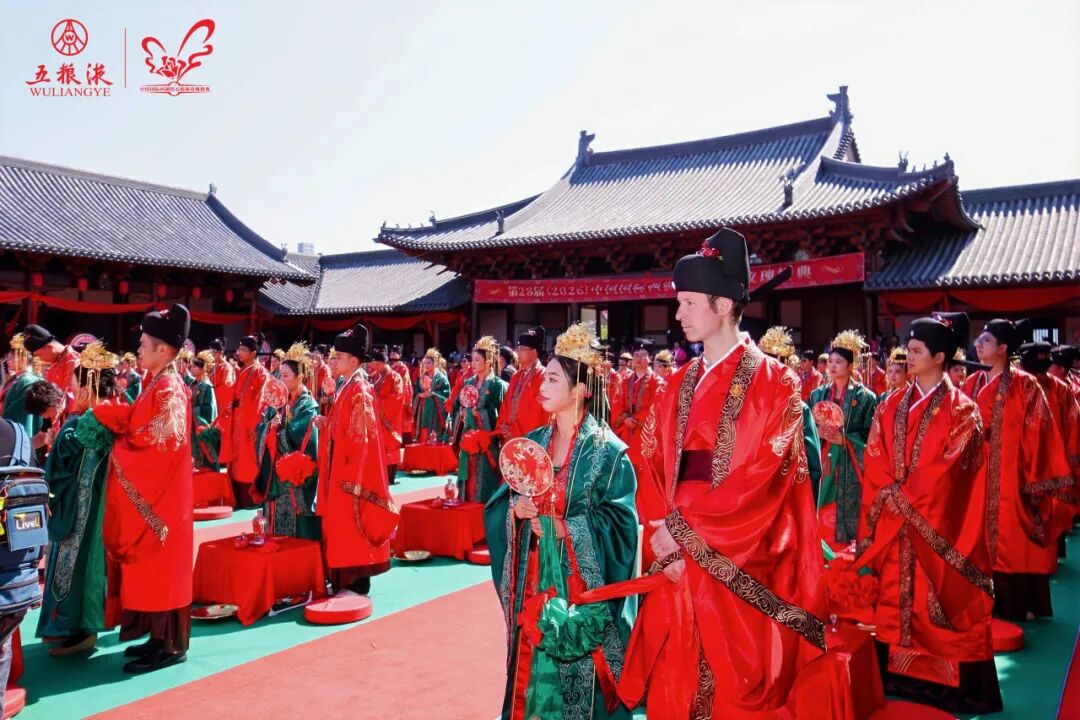
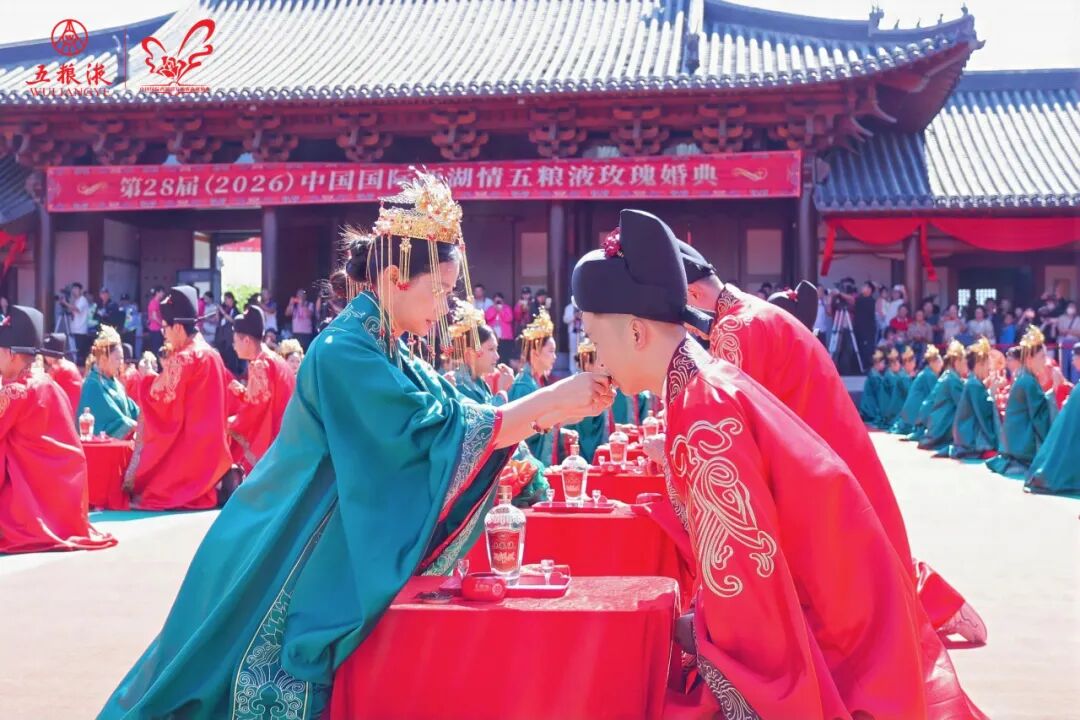
刚刚过去的国庆假期,杭州德寿宫迎来了一场颇具古意的仪式。国内外百对新人身着“红男绿女”宋式婚礼服,行却扇礼、沃盥礼、同牢礼、合卺礼,沉浸式体验宋韵婚典的庄重与典雅。
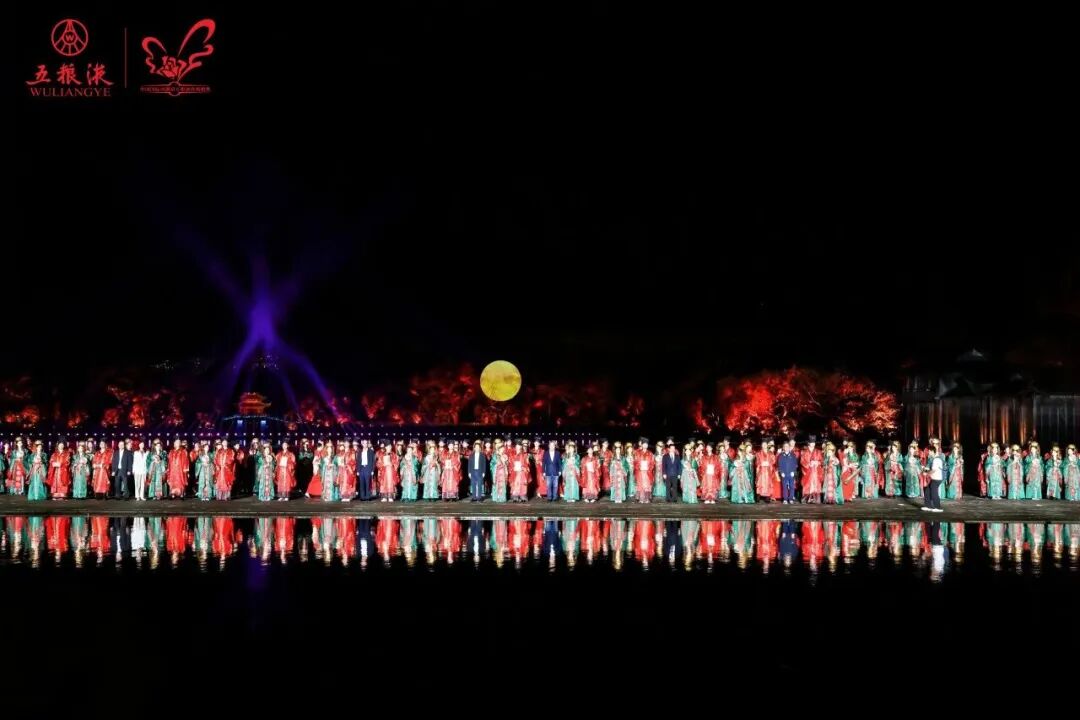
这是第28届中国国际西湖情五粮液玫瑰婚典的现场。
本届婚典以“一见倾心西湖情和美世界定今生”为主题,实景打造了德寿迎喜、重华启婚、花车巡游、红毯风采、彩船畅游、西湖迎亲、醉美喜宴、西湖盛典八大篇章。婚典不仅吸引了全国多地新人报名,还有来自马来西亚、摩洛哥、德国、法国、澳大利亚、捷克等国家的国际友人参与。
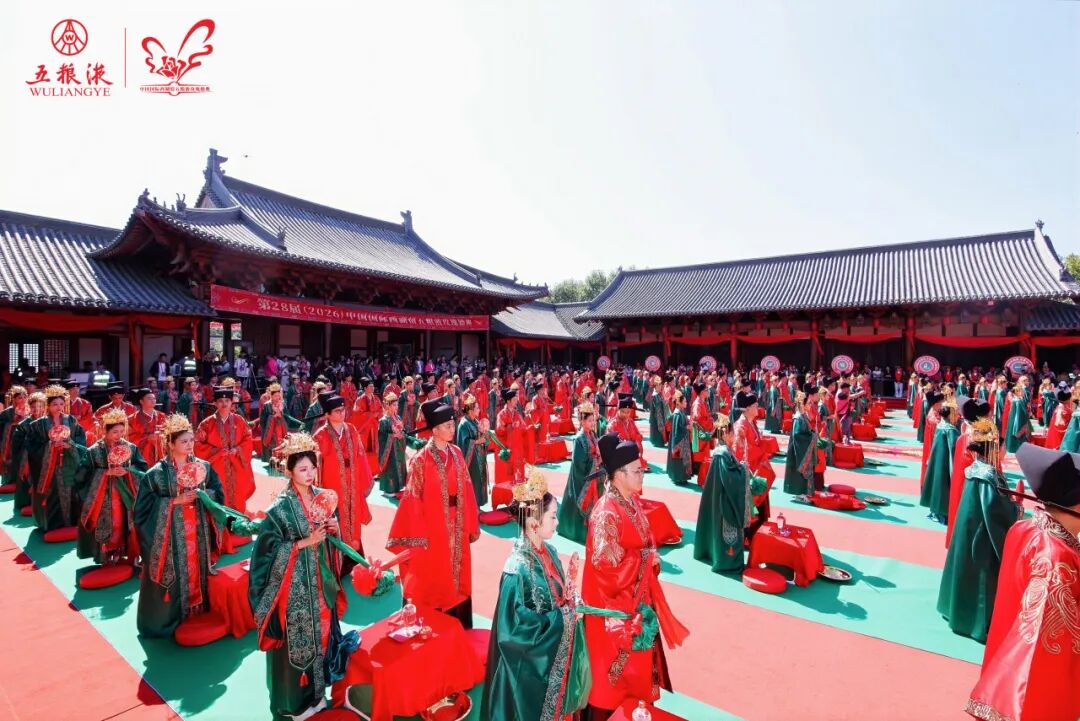
从1999年初绽芳华到2026年续写新章,28载岁月流转,这场婚典已吸引30多个国家7000多对新人缔结百年之好。
但今天我们不聊婚礼有多美。
酒业时报更想讨论一个商业问题:一场持续28年的婚典,到底给五粮液构建了什么样的竞争壁垒?
文化IP的“复利效应”
经济学里有个概念叫“复利效应”——持续的小额投入,在足够长的时间维度上会产生指数级的回报。品牌建设恰恰是最需要“复利思维”的事。
28年,四分之一个世纪。中国白酒行业经历了黄金十年、深度调整、疫情冲击、行业分化,玫瑰婚典从未中断。
这个时间跨度本身,就是最深的护城河。
7000多对新人的婚典经历、30多个国家的参与者——玫瑰婚典已经超越了一场营销活动的范畴,成为一种跨越代际的文化记忆。1999年第一批参加婚典的新人,他们的孩子可能已经到了结婚的年龄。这种代际传承的品牌联想,是任何短期广告投放都无法建立的。
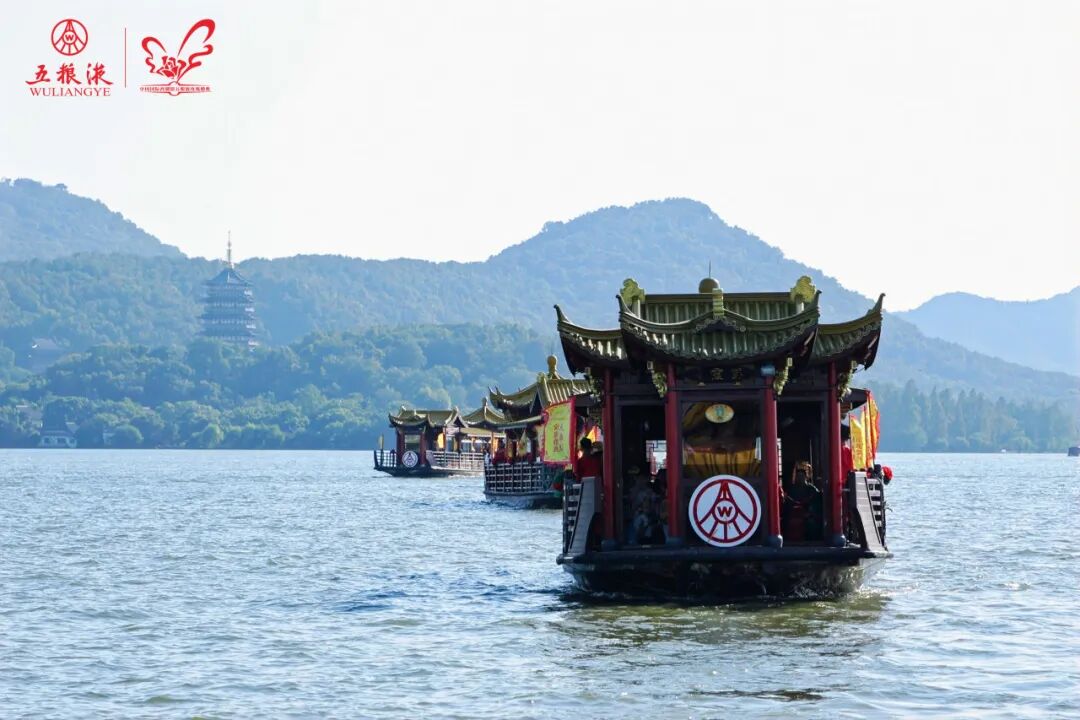
今年婚典的文化内核尤其值得注意——宋韵主题。五粮液起于唐、兴于宋,与宋韵主题形成天然的文脉呼应。婚典组委会主任、总导演王松法表示:“今年我们匠心打造了宋韵主题婚典,旨在为海内外百对新人呈上别具一格的婚礼体验,向世界生动诠释中国传统文化的隽永魅力。”
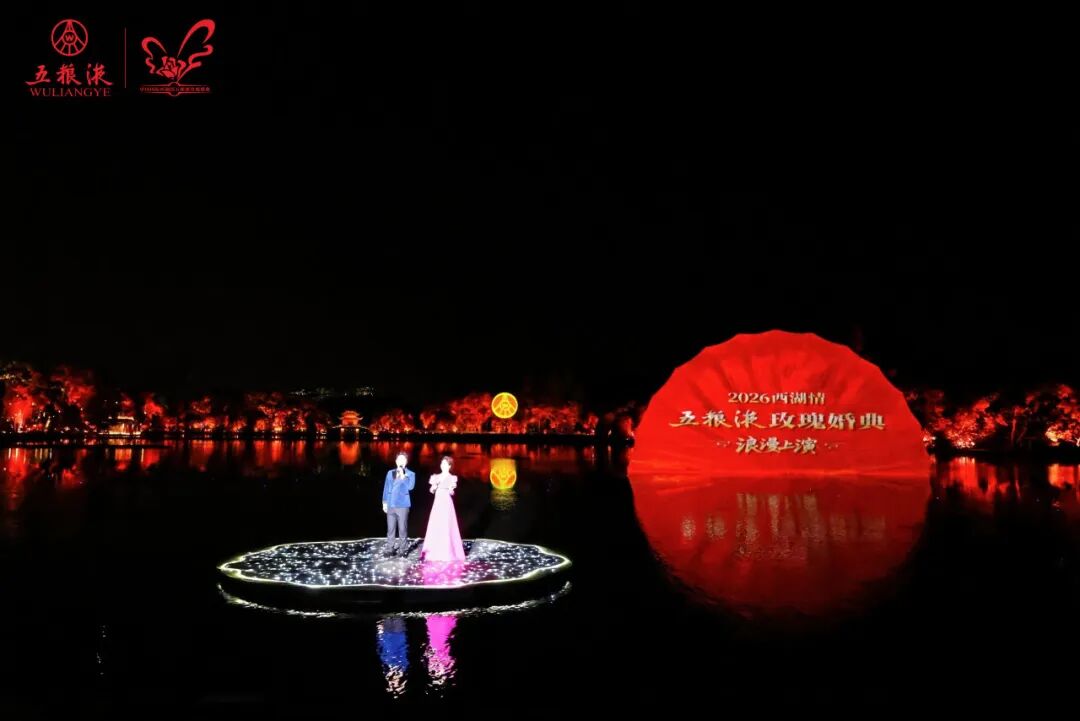
酒业时报认为,五粮液通过玫瑰婚典构建的,本质上是一个“文化护城河”。当婚宴用酒从“面子消费”转向“情感消费”,品牌需要的不只是好酒质,更是与文化场景的深度绑定能力。这种绑定不是一场活动能完成的,需要持续十年甚至二十年的积累。
宴席场景的深度耕耘
文化IP是“面子”,渠道动销是“里子”。五粮液在宴席场景上的产品布局,展现出清晰的战略纵深。
第八代五粮液稳固千元价格带领军地位,核心产品上半年销量同比大幅增长,终端动销表现稳健。
五粮液1618定位“千元价位段第一宴席品牌”,作为百亿级增长引擎聚焦高端宴席主场景,深耕20个根据地市场,从渠道驱动转向消费者驱动。渠道反馈显示,元春旺季以来,1618宴席开展场次增长近两倍,宴席动销同比增长1倍以上。
39度五粮液定位“高端低度白酒第一品牌”,实施低度化增量战略。公司从2025年下半年起采用专班化运作,有效终端数量和终端开瓶率增长明显,部分弱势市场逐步取得突破。
“五一”期间,1618、39度五粮液等宴席场次增长超70%、动销增长近60%。上半年,这两款产品深耕宴席场景,宴席场次和开瓶数量持续增长。
在酒业时报看来,这套产品矩阵的逻辑很清晰:用第八代五粮液稳住千元价格带的品牌势能,用1618和39度五粮液在宴席场景做规模放量,两者形成互补而非内耗。1618以千元宴席第一品牌为目标,39度五粮液则以低度化战略拓宽消费场景边界,各司其职。
从“压货”到“开瓶”:一场营销范式的切换
如果说产品布局是“排兵”,那么渠道策略就是“布阵”。五粮液在宴席场景上最值得关注的变化,是营销逻辑的根本性切换。
五粮液坚持消费者开瓶反向奖励机制,让深耕当地市场的终端、经销商获得更高回报,激发渠道活力。这与过去白酒行业惯用的“渠道压货”模式有本质区别——考核的不是经销商进了多少货,而是消费者真正喝掉了多少酒。
数据印证了这一策略的成效。上半年,五粮浓香自营品牌累计开瓶扫码量同比增长12%,参与扫码人次同比增长10%。五粮液1618开瓶扫码率提升至59%,宴席活动同比增长20%以上。
数字化基础设施的完善为这套打法提供了支撑。5月15日,五粮液会员中心微信小程序完成升级并上线,会员人数增长到1000万;五粮液官方旗舰店1—7月实现销售收入10.34亿元,同比增长57.89%。中秋期间,大会员中心新增私域注册用户10.8万人。截至目前,五粮液私域会员人数累计超过5000万人。
渠道网络也在持续优化。当前五粮液专卖店总数超1700家,“五粮炙造”潮流体验店等创新特色门店落地成都,接入主流即时零售平台赋能全国超500家线下门店。
28年投入的商业回报
如果只谈文化不谈商业,那是学者的思维,不是媒体的视角。五粮液持续深耕宴席场景的商业回报,可以从三个维度来审视。
第一,核心产品的价格韧性。第八代五粮液市场实际流通价已逐步回升至800元水平,渠道压力有所缓解,千元价格带竞争优势持续稳固。在行业整体价格承压的背景下,这一价格修复本身就是动销质量的证明。
第二,真实消费的持续增长。五粮液“名酒走进名企”系列活动自元春启动以来,累计拜访企业5416家,转化销售4050家,实现动销5.87亿元。这些不是压给经销商的库存,是终端真实消化的销量。
第三,渠道健康度的改善。多家券商研报指出,五粮液在白酒行业库存调整周期中抢抓消费窗口,主动修复价盘、改善渠道盈利,“评判酒企核心竞争力与经营成色,不再只看短期营收高低,更看渠道库存健康度、价格体系稳定性、终端真实动销质量三大核心指标”。
酒业时报认为,玫瑰婚典的价值不能只用单场活动的ROI来衡量。每一对新人参加婚典,背后是几十桌宴席的用酒需求;婚典从3月发布会到10月活动的持续传播周期,给经销商提供了长达数月的销售抓手和话题素材。更重要的是,28年积累的品牌资产,让“五粮液=婚宴好酒”这个等式在越来越多消费者心中成立。
长期主义的样本
白酒行业正在经历从“渠道驱动”到“消费者驱动”的深层转型。评判一家酒企竞争力的标准,已经从“能压多少货”变成“能让消费者开多少瓶”。
在这个转型过程中,五粮液玫瑰婚典提供了一个值得研究的样本——它不是一场追求即时转化的促销活动,而是一笔跨越28年的品牌“定投”。
当婚宴用酒进入“开瓶时代”,真正的竞争不在于谁的促销力度更大,而在于谁在消费者心中占据了更稳固的位置。玫瑰婚典28年积累的,正是这种位置。
在酒业时报看来,婚宴市场的竞争终局,不是价格战,而是心智战。谁能让消费者在筹备婚礼时第一个想到,谁就赢了。从这个意义上说,28年的玫瑰婚典,远比任何单场营销活动更有分量。
(本文综合公开行业资讯整理,信息/数据来源:杭州市政府官网、证券时报、五粮液2026年半年度报告、浙商证券研报、酒业家调研等)
During the recent National Day holiday, Hangzhou’s Deshou Palace hosted a ceremony rich in ancient charm. A hundred couples from home and abroad, dressed in Song-dynasty wedding attire of “red men and green women,” performed the rituals of fan-lowering, hand-washing, shared meal, and nuptial cup, immersing themselves in the solemnity and elegance of a Song-style wedding. This was the scene of the 28th China International West Lake Wuliangye Rose Wedding Ceremony. Themed “Love at First Sight on West Lake, Harmony and Beauty for a Lifetime,” the ceremony featured eight chapters: Deshou Welcomes Joy, Chonghua Begins the Wedding, Float Parade, Red Carpet Elegance, Painted Boat Cruise, West Lake Wedding Procession, Intoxicating Wedding Banquet, and West Lake Grand Ceremony. The event not only attracted couples from across China but also international participants from Malaysia, Morocco, Germany, France, Australia, the Czech Republic, and other countries. From its debut in 1999 to writing a new chapter in 2026, 28 years have passed, and this ceremony has witnessed more than 7,000 couples from over 30 countries tie the knot.
But today we are not talking about how beautiful the wedding is. JiuYe Times would rather discuss a business question: what kind of competitive barrier has a wedding ceremony lasting 28 years built for Wuliangye?
The “Compound Interest Effect” of Cultural IP
There is a concept in economics called the “compound interest effect” — sustained small investments produce exponential returns over a sufficiently long time horizon. Brand building is precisely the endeavor that most requires “compound interest thinking.”
Twenty-eight years, a quarter of a century. China’s baijiu industry has experienced a golden decade, deep adjustment, pandemic impact, and industry divergence, yet the Rose Wedding Ceremony has never been interrupted. This time span itself is the deepest moat.
More than 7,000 couples’ wedding experiences and participants from over 30 countries — the Rose Wedding Ceremony has transcended the scope of a marketing campaign to become a cultural memory spanning generations. The first couples who participated in 1999 may now have children of marriageable age. This generational brand association cannot be established by any short-term advertising placement.
This year’s cultural core is particularly noteworthy — the Song-dynasty theme. Wuliangye originated in the Tang dynasty and flourished in the Song, creating a natural cultural resonance with the Song theme. Wang Songfa, Director and Chief Director of the ceremony’s organizing committee, stated: “This year we crafted a Song-dynasty themed wedding ceremony, aiming to present a unique wedding experience to a hundred couples from home and abroad, and to vividly interpret the enduring charm of traditional Chinese culture to the world.”
In the view of JiuYe Times, what Wuliangye has built through the Rose Wedding Ceremony is essentially a “cultural moat.” As wedding banquet liquor shifts from “face consumption” to “emotional consumption,” brands need not only good quality but also the ability to deeply bind with cultural scenarios. Such binding cannot be completed by a single event; it requires accumulation over ten or even twenty years.
Deep Cultivation of the Banquet Scenario
Cultural IP is the “face”; channel sell-through is the “substance.” Wuliangye’s product layout in the banquet scenario demonstrates clear strategic depth.
The 8th Generation Wuliangye solidifies its leading position in the thousand-yuan price band, with core product sales in the first half growing significantly year-on-year and terminal sell-through performing steadily.
Wuliangye 1618 is positioned as “the No. 1 banquet brand in the thousand-yuan price band,” focusing on the high-end banquet main scenario as a ten-billion-level growth engine, deeply cultivating 20 stronghold markets, and shifting from channel-driven to consumer-driven. Channel feedback shows that since the Yuanchun peak season, the number of 1618 banquet events has nearly doubled, and banquet sell-through has more than doubled year-on-year.
The 39-degree Wuliangye is positioned as “the No. 1 brand in high-end low-alcohol baijiu,” implementing a low-alcohol incremental strategy. Since the second half of 2025, the company has adopted a dedicated task force operation, with the number of effective terminals and terminal bottle-opening rates increasing significantly, and breakthroughs gradually achieved in some weak markets.
During the May Day holiday, banquet events for 1618 and 39-degree Wuliangye grew over 70%, and sell-through grew nearly 60%. In the first half, these two products deeply cultivated the banquet scenario, with banquet events and bottle-opening numbers continuing to grow.
In the view of JiuYe Times, the logic of this product matrix is clear: use the 8th Generation Wuliangye to stabilise the brand momentum of the thousand-yuan price band, and use 1618 and 39-degree Wuliangye to achieve scale volume in the banquet scenario, forming complementarity rather than internal friction. 1618 targets the No. 1 thousand-yuan banquet brand, while 39-degree Wuliangye uses a low-alcohol strategy to broaden the boundaries of consumption scenarios, each fulfilling its role.
From “Inventory Loading” to “Bottle Opening”: A Paradigm Shift in Marketing
If product layout is “deploying troops,” then channel strategy is “setting the formation.” The most noteworthy change for Wuliangye in the banquet scenario is the fundamental shift in marketing logic.
Wuliangye adheres to a consumer bottle-opening reverse reward mechanism, allowing terminals and distributors deeply cultivating local markets to obtain higher returns, stimulating channel vitality. This is fundamentally different from the past baijiu industry’s customary “channel inventory loading” model — what is assessed is not how much inventory distributors have taken in, but how much liquor consumers have actually consumed.
Data confirms the effectiveness of this strategy. In the first half, the cumulative bottle-opening QR code scans for Wuliangye’s self-operated Wuliang Nongxiang brands increased 12% year-on-year, with participating scans up 10% year-on-year. The bottle-opening scan rate for Wuliangye 1618 rose to 59%, with banquet activities growing over 20% year-on-year.
The improvement of digital infrastructure supports this approach. On May 15, the Wuliangye Member Centre WeChat mini-program was upgraded and launched, with membership growing to 10 million; Wuliangye’s official flagship store achieved sales revenue of RMB 1.034 billion from January to July, up 57.89% year-on-year. During the Mid-Autumn Festival, the Grand Member Centre added 108,000 new private-domain registered users. As of now, Wuliangye’s cumulative private-domain membership exceeds 50 million.
The channel network is also continuously optimising. Currently, Wuliangye has over 1,700 specialty stores, and innovative stores such as the “Wuliang Zhizao” trendy experience store have landed in Chengdu, connecting to mainstream instant retail platforms to empower over 500 offline stores nationwide.
The Commercial Return of 28 Years of Investment
If we only talk about culture and not business, that is a scholar’s thinking, not a media perspective. The commercial return of Wuliangye’s sustained deep cultivation of the banquet scenario can be examined from three dimensions.
First, the price resilience of core products. The actual market circulation price of the 8th Generation Wuliangye has gradually recovered to the RMB 800 level, channel pressure has eased, and the competitive advantage in the thousand-yuan price band remains solid. Against the backdrop of overall industry price pressure, this price recovery itself is proof of sell-through quality.
Second, the sustained growth of genuine consumption. Since the launch of Wuliangye’s “Famous Liquor Entering Famous Enterprises” series of activities in the Yuanchun season, a cumulative 5,416 enterprises have been visited, 4,050 converted into sales, achieving sell-through of RMB 587 million. These are not inventories pushed to distributors, but genuine sales absorbed by terminals.
Third, the improvement of channel health. Several brokerage research reports point out that Wuliangye seized the consumption window during the baijiu industry’s inventory adjustment cycle, proactively repairing prices and improving channel profitability. “Judging a liquor company’s core competitiveness and operational quality no longer depends only on short-term revenue levels, but more on three core indicators: channel inventory health, pricing system stability, and genuine terminal sell-through quality.”
In the view of JiuYe Times, the value of the Rose Wedding Ceremony cannot be measured solely by the ROI of a single event. Behind every couple participating in the ceremony is the liquor demand for dozens of banquet tables; the continuous communication cycle of the ceremony from the March press conference to the October event provides distributors with months of sales leverage and topic material. More importantly, the brand equity accumulated over 28 years has made the equation “Wuliangye = good liquor for weddings” hold true in the minds of more and more consumers.
A Model of Long-Termism
The baijiu industry is undergoing a deep transformation from “channel-driven” to “consumer-driven.” The standard for judging a liquor company’s competitiveness has shifted from “how much inventory can be pushed” to “how many bottles can consumers open.”
In this transformation, the Wuliangye Rose Wedding Ceremony provides a model worth studying — it is not a promotional event seeking immediate conversion, but a brand “regular investment” spanning 28 years.
As wedding banquet liquor enters the “bottle-opening era,” the real competition is not about whose promotion is stronger, but about who occupies a more solid position in consumers’ minds. What the Rose Wedding Ceremony has accumulated over 28 years is precisely this position.
In the view of JiuYe Times, the ultimate competition in the wedding banquet market is not a price war, but a mind war. Whoever can make consumers think of them first when preparing for a wedding wins. In this sense, the 28-year Rose Wedding Ceremony carries far more weight than any single marketing event.
原创文章版权归本网所有;转载文章归原作者所有。发布者:酒业时报,转载请注明出处:https://www.thewinetimes.com/gongsi/12985