白酒行业的2026年,比预期中更冷一些。
上半年86.7%的受访酒企营业利润同比下滑,74.1%的调研企业客单价下降。同期全国酒、饮料和精制茶制造业营收同比下降7.0%,利润降幅更是达到17.7%。
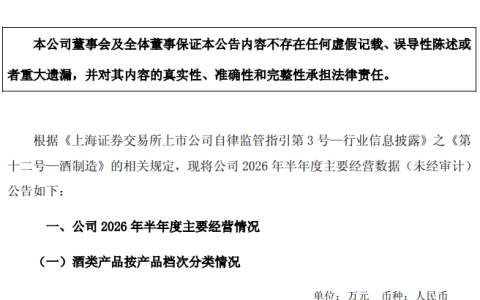
8月17日晚间,今世缘(603369.SH)在这片寒潮中交出了自己的半年报:上半年营收64.35亿元,同比下降7.41%;归母净利润20.82亿元,同比下降6.60%。
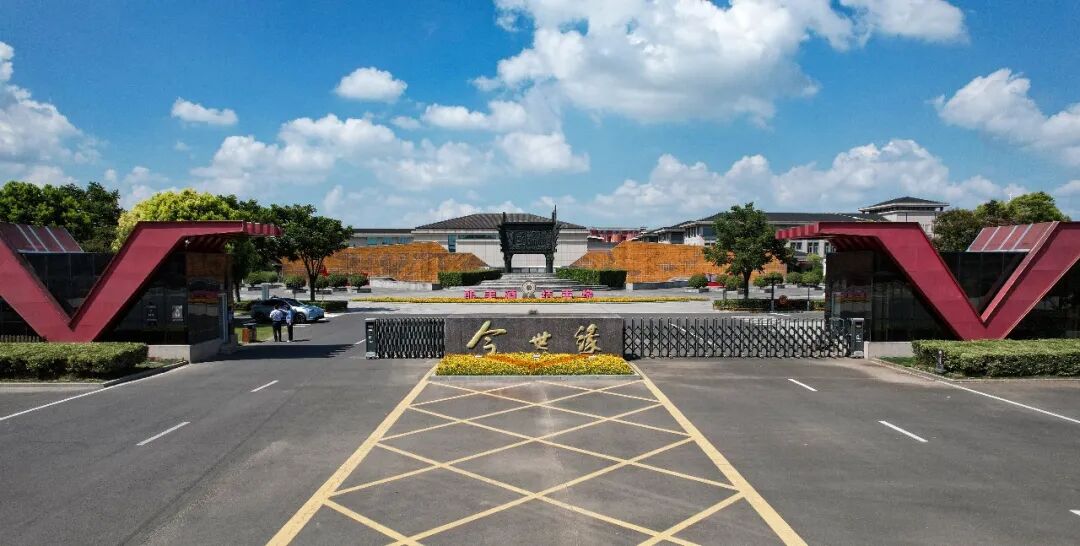
乍看之下,营收和利润双降。但如果把这两个数字放在行业大盘里比一比——营收降幅7.41%略大于行业均值7.0%,但利润降幅6.60%远好于行业均值17.7%。利润端的相对优势,某种程度上解释了市场为何对这份半年报给出了偏积极的反馈——财报发布后,多家机构给出“买入”或“增持”评级,13家机构中12家给出买入评级。
真正让市场讨论升温的,是二季度单季的表现。去年二季度今世缘净利润同比下滑37%的低基数之上,今年二季度营收同比增长14.11%至21.13亿元,归母净利润同比增长19.17%至6.97亿元,扣非净利润增速更快,达到22.16%。这是今世缘连续四个季度单季下滑之后的首次转正。
但单季度利润回暖不等于行业周期反转,真正的判断,还要看中秋、国庆双节旺季的终端动销表现。这份半年报的真正价值,或许不在于宣告“拐点已至”,而在于拆解今世缘在行业调整期做对了什么、还面临着什么。

二季度“回正”:低基数之外,还有哪些结构性因素?
二季度的双位数增长,低基数固然是重要因素,但并非全部。
分产品看,上半年特A+类(300元以上)营收37.43亿元,同比下降13.19%;特A类(100-300元)营收23.07亿元,同比增长3.36%。两类产品合计贡献了超过90%的营收。高端承压、大众价格带稳健,这一结构变化并非今世缘独有——整个白酒行业的主销价格带正从300-500元向100-300元下沉。
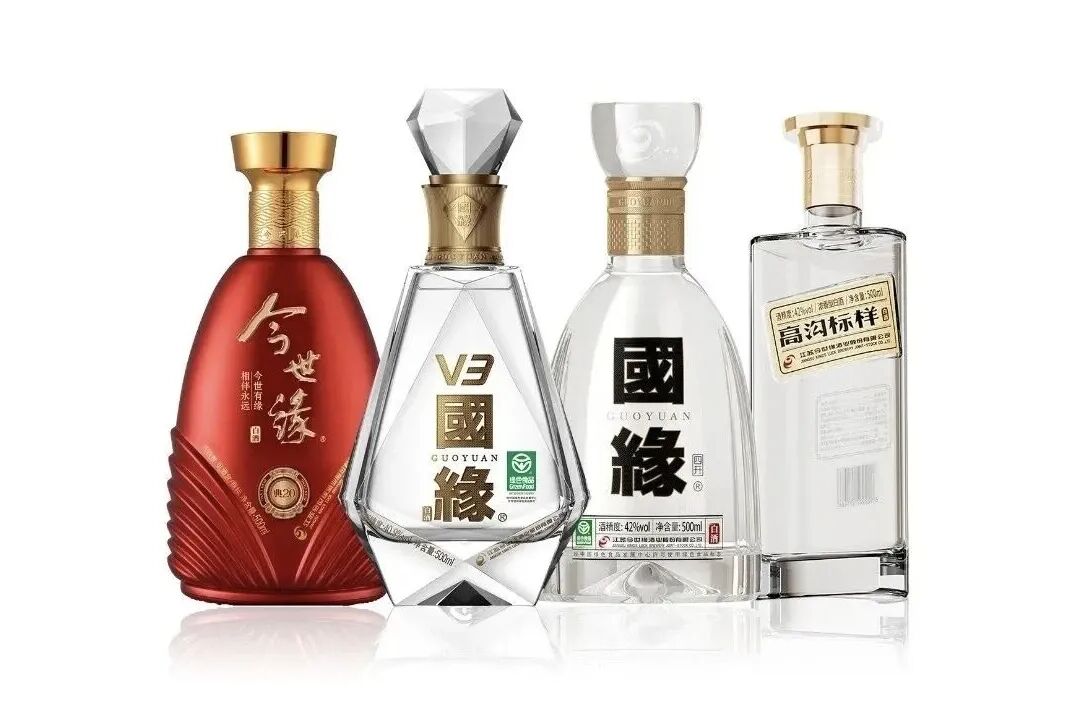
二季度高端酒消费场景有所回升。而国缘淡雅所处的100-300元价格带,被今世缘内部定位为“未来长期的护城河”。在当前市场环境下,这个判断正在被验证——淡雅所处的价格带本身是扩容的,产品处在增长势能不断释放的阶段。
分区域看,二季度省内市场全面转正。苏中大区增长20.8%、盐城大区增长21.5%、淮安大区增长约18%、淮海大区增长15.5%。此前承压的南京大区也实现了5.3%的正增长。省内六大区域全部恢复正增长——这是二季度反弹最扎实的底盘。
省外市场同样有看点。上半年省外营收6.73亿元,同比增长7.18%;二季度单季省外增速高达21.7%。经销商方面,上半年净增107家,其中省外净增91家,且上半年无一家省外经销商退出。今世缘主要产品在省外的扫码占比持续提升,已超过20%。
在酒业时报看来,省外市场从“有没有增长”到“有没有质量”的转变,才是这份半年报最值得关注的信号。经销商数量的扩张固然重要,但零退出率和扫码占比的提升,说明省外市场正在从单纯铺货走向真实动销。

利润跑赢行业的秘密:控费提效与毛利率提升
上半年净利润降幅6.60%远好于行业均值17.7%,这不是运气,而是主动管理的结果。
营业成本16.64亿元,同比下降9.97%,降幅大于营收降幅。毛利率从去年同期的73.41%提升至74.14%。费用端同样在收紧——销售费用9.33亿元,同比下降9.43%;管理费用1.84亿元,同比下降12.55%。销售费用率降至14.50%,管理费用率降至2.87%。
成本降得比收入快、费用控得比利润狠——这种“逆向优化”在行业下行期并不容易做到。二季度单季销售费用率同比大幅下降5.1个百分点至14.0%,这得益于渠道精细化费用投放。今世缘方面也明确表示,不会为了追求短期报表表现再给渠道压货,坚持出货与动销匹配。
但硬币总有另一面。合同负债从上年末的17.08亿元降至报告期末的8.42亿元,降幅50.68%。合同负债的减少意味着预收客户货款在下降,这既可能是季节性因素,也可能反映了经销商打款意愿的季节性波动。
环比来看,合同负债较一季度末减少了7.2亿元。虽然同比仍有40%以上的增长,但下半年能否维持渠道信心,仍需观察中秋、国庆旺季的表现。
另一个值得关注的数据是经营现金流。
上半年经营活动产生的现金流量净额16.16亿元,同比增长50.31%。在合同负债下降的同时现金流大幅改善,主要系预收客户货款较上年同期增长及上年所得税在本期入库金额同比下降。
现金流与合同负债的背离,说明公司回款质量在改善,但也提醒投资者不能简单用合同负债的同比变化来推断渠道信心——基数效应和季节性因素都在发挥作用。同时,实际动销预计仍有一定压力。
从“合同负债有余粮”的角度看,下半年报表仍有能力延续增长,但核心在于实际动销能否跟上。

行业“磨底”中,今世缘锚定什么?
2026年是“十五五”开局之年,也是今世缘品牌创牌30周年。在这个特殊的年份节点上,今世缘管理层给出的定调是——“有信心做到白酒营收过百亿,收入与去年持平”。
多家机构给出了相近的判断,认为公司省内产品价格带全面、单品势能强、具备份额逻辑,有望率先走出底部,并预计未来几年EPS稳步增长,维持“买入”或“增持”评级。
但行业层面的压力并未消退。今世缘在半年报中判断,白酒行业仍处于深度调整周期,“量缩、价降、利减”状态难有快速反转。次高端赛道库存及价盘压力依旧突出,挤压式竞争持续加剧。
判断今世缘真正的经营拐点,还要看中秋、国庆双节旺季的终端动销、真实消费转化,看省外市场能否持续放量,看主力产品价格体系能否持续稳住。如果旺季动销持续向好,省外增长延续,才会确认完整拐点。
在酒业时报看来,这份半年报的叙事逻辑或许应该是这样的:今世缘正在穿越周期,但穿越的方式不是“一蹴而就的反弹”,而是“逐季改善的爬坡”。从一季度的深度下探到二季度的双位数转正,降幅在收窄、结构在优化、省外在突破——这些边际变化叠加在一起,构成了一个正在从底部缓慢抬升的轮廓。
至于这个轮廓最终能否画成一个完整的“V”字,答案不在半年报里,而在接下来的中秋、国庆,在省外市场的持续放量,在每一瓶酒的真实动销里。
The baijiu industry’s 2026 has turned out colder than expected. In the first half, 86.7% of surveyed distilleries saw operating profit decline year-on-year, and 74.1% of surveyed enterprises experienced a drop in average order value. During the same period, the national liquor, beverage, and refined tea manufacturing sector saw revenue fall 7.0% year-on-year, with profit margins declining even more sharply at 17.7%.
On the evening of August 17, Jinshiyuan (603369.SH) delivered its semi-annual report amid this chill: first-half revenue of RMB 6.435 billion, down 7.41% year-on-year; net profit attributable to shareholders of RMB 2.082 billion, down 6.60% year-on-year. At first glance, both revenue and profit declined. But placed against the broader industry landscape – a 7.41% revenue decline slightly steeper than the industry average of 7.0%, yet a 6.60% profit decline far better than the industry average of 17.7% – the relative strength on the profit side, to some extent, explains why the market responded with a moderately positive reaction to this report. Following the earnings release, multiple institutions issued “Buy” or “Overweight” ratings, with 12 out of 13 institutions assigning a Buy rating.
What truly sparked market discussion was the second-quarter performance. Off a low base from Q2 last year, when Jinshiyuan’s net profit fell 37% year-on-year, Q2 2026 revenue grew 14.11% year-on-year to RMB 2.113 billion, and net profit attributable to shareholders grew 19.17% year-on-year to RMB 697 million, with core net profit growth even faster at 22.16%. This marks Jinshiyuan’s first positive quarterly growth after four consecutive quarters of decline.
But a single quarter’s profit recovery does not signal an industry cycle reversal. The real test will come from terminal sell-through during the Mid-Autumn Festival and National Day peak season. The true value of this semi-annual report may not lie in declaring that “the turning point has arrived,” but in dissecting what Jinshiyuan has done right during the industry adjustment and what challenges still lie ahead.
Q2 Recovery: Beyond the Low Base, What Structural Factors Are at Play?
While the low base is certainly an important factor in Q2’s double-digit growth, it is not the whole story.
By product category, in the first half, revenue from the Special A+ category (above RMB 300) reached RMB 3.743 billion, down 13.19% year-on-year; revenue from the Special A category (RMB 100–300) reached RMB 2.307 billion, up 3.36% year-on-year. Together, these two categories contributed more than 90% of total revenue. This structural shift – premium products under pressure while the mass-market price band holds steady – is not unique to Jinshiyuan; the entire baijiu industry’s mainstream price point is shifting from RMB 300–500 down to RMB 100–300.
In Q2, premium liquor consumption scenarios saw some recovery. Meanwhile, the RMB 100–300 price band occupied by Guoyuan Danya is positioned internally by Jinshiyuan as “a long-term defensive moat.” In the current market environment, this judgement is being validated – the price band itself is expanding, and the product is at a stage of continuously releasing growth momentum.
Regionally, Q2 saw a full recovery across the Jiangsu provincial market. The Central Jiangsu region grew 20.8%, Yancheng grew 21.5%, Huai’an grew approximately 18%, and Huaihai grew 15.5%. Even the previously pressured Nanjing region achieved 5.3% positive growth. All six major regions within the province returned to positive growth – this is the most solid foundation of the Q2 rebound.
The provincial market also showed promise. In the first half, provincial revenue reached RMB 673 million, up 7.18% year-on-year; Q2 provincial growth alone hit 21.7%. In terms of distributors, the first half saw a net increase of 107, with 91 added outside the province, and not a single provincial distributor exited during the period. Jinshiyuan’s key products saw their QR code scan rate outside the province continue to rise, surpassing 20%.
In the view of JiuYe Times, the shift in the provincial market from “whether there is growth” to “whether there is quality” is the most noteworthy signal in this semi-annual report. While the expansion of distributor numbers is important, the zero exit rate and rising scan rates indicate that the provincial market is moving from simple distribution to genuine sell-through.
The Secret to Outperforming the Industry on Profit: Cost Control, Efficiency Gains, and Margin Improvement
A 6.60% net profit decline, far better than the industry average of 17.7%, is not luck – it is the result of proactive management.
Operating costs fell 9.97% year-on-year to RMB 1.664 billion, a steeper decline than revenue. Gross margin improved from 73.41% in the same period last year to 74.14%. Costs were also tightly controlled on the expense side – selling expenses fell 9.43% to RMB 933 million; administrative expenses fell 12.55% to RMB 184 million. The selling expense ratio fell to 14.50%, and the administrative expense ratio fell to 2.87%.
Reducing costs faster than revenue, controlling expenses more aggressively than profit – this kind of “counter-cyclical optimisation” is not easy to achieve during an industry downturn. In Q2 alone, the selling expense ratio fell sharply by 5.1 percentage points year-on-year to 14.0%, thanks to refined channel spending. Jinshiyuan has also made it clear that it will not force channel inventory for the sake of short-term financial performance, insisting on aligning shipments with actual sell-through.
But there is always another side to the coin. Contract liabilities fell from RMB 1.708 billion at the end of last year to RMB 842 million at the end of the reporting period, a 50.68% decline. The reduction in contract liabilities means lower advance payments from customers – this could be partly seasonal, and partly a reflection of fluctuations in distributors’ willingness to pay in advance. On a sequential basis, contract liabilities decreased by RMB 720 million compared to the end of Q1. While they are still more than 40% higher year-on-year, whether channel confidence can be maintained in the second half will depend on performance during the Mid-Autumn Festival and National Day peak season.
Another metric worth watching is operating cash flow. Net operating cash flow in the first half reached RMB 1.616 billion, up 50.31% year-on-year. The significant improvement in cash flow, despite declining contract liabilities, was mainly due to higher advance payments from customers compared to the same period last year, and a year-on-year decrease in income tax paid during the period.
The divergence between cash flow and contract liabilities suggests that the quality of cash collection is improving. However, it also reminds investors not to draw simple conclusions about channel confidence from year-on-year changes in contract liabilities – both base effects and seasonal factors are at play. At the same time, actual sell-through is still expected to face some pressure. From the perspective of “contract liabilities still providing a buffer,” the second-half financials should be able to sustain growth, but the core question is whether actual sell-through can keep pace.
As the Industry “Grinds Through the Bottom,” What Is Jinshiyuan Anchoring On?
2026 marks the first year of the “15th Five-Year Plan” and the 30th anniversary of the Jinshiyuan brand. At this special milestone, Jinshiyuan’s management has set the tone: “Confident in achieving baijiu revenue exceeding RMB 10 billion, with revenue flat compared to last year.”
Multiple institutions have offered similar assessments, believing that the company’s comprehensive product price band coverage within the province, strong single-product momentum, and share-gaining logic position it to be among the first to emerge from the trough. They expect steady EPS growth in the coming years and maintain “Buy” or “Overweight” ratings.
But industry-level pressures have not subsided. In its semi-annual report, Jinshiyuan assessed that the baijiu industry remains in a deep adjustment cycle, with the “volume contraction, price decline, profit reduction” dynamic unlikely to reverse quickly. The sub-premium segment continues to face pronounced inventory and pricing pressure, with intensifying competition in a zero-sum market.
To determine Jinshiyuan’s true operational inflection point, we must look to the Mid-Autumn Festival and National Day peak season – terminal sell-through, real consumption conversion, whether the provincial market can sustain its growth momentum, and whether the pricing system for core products can remain stable. Only if peak-season sell-through continues to improve and provincial growth persists will a complete inflection point be confirmed.
In the view of JiuYe Times, the narrative logic of this semi-annual report might be this: Jinshiyuan is navigating the cycle, but not through a “one-shot rebound” – rather, through a “gradual, quarter-by-quarter climb.” From the deep trough of Q1 to double-digit positive growth in Q2, the declines are narrowing, the structure is improving, and the provincial market is breaking through – these marginal changes, taken together, outline a picture of a slow rise from the bottom. Whether this outline ultimately forms a complete “V” shape will not be answered in this semi-annual report, but in the upcoming Mid-Autumn Festival and National Day season, in the continued momentum of the provincial market, and in the real sell-through of every bottle of liquor.
原创文章版权归本网所有;转载文章归原作者所有。发布者:酒业时报,转载请注明出处:https://www.thewinetimes.com/gongsi/11971