八月的白酒市场,一则没有红头文件、没有官方公告的消息,在经销商圈子里悄然传开。
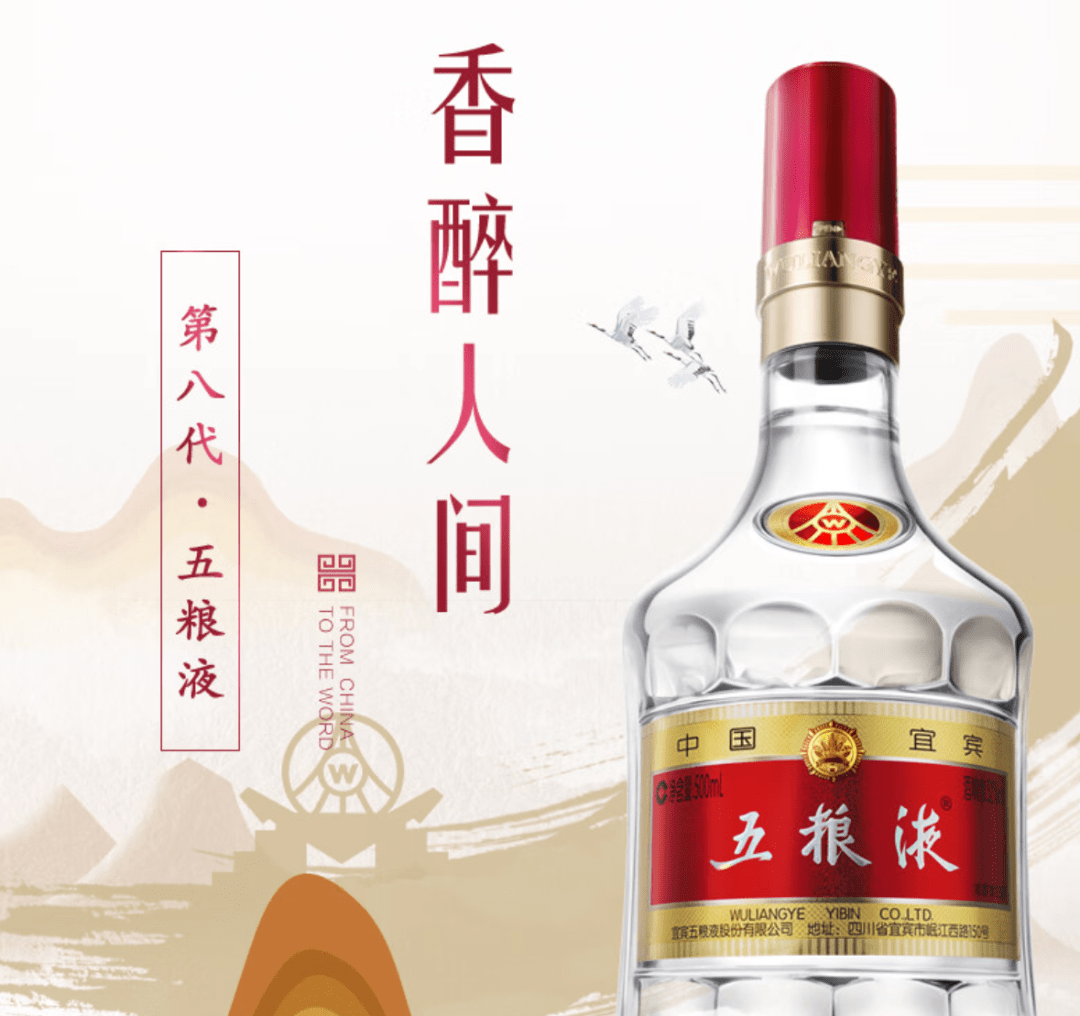
约一周前,五粮液向经销商下发通知:第八代五粮液出货价格,不得低于800元/瓶。针对低价窜货、低价抛售行为,品牌方将视情节采取罚款等处罚措施。
消息传出,市场应声而动。
从8月4日起,第八代五粮液批价迎来一波明显跳涨。整箱价格涨了90元,折合每瓶上涨15元。河南、河北、上海、四川、山东等多地批价集体上扬,部分地区单瓶涨幅超过30元。第三方报价平台数据显示,8月13日批价已升至775元/瓶,较本月初累计上涨45元。终端市场更为热闹——普五八代零售价报809元/瓶,1618报829元/瓶,双双创下近一个月新高。多地烟酒店甚至出现”高价求货”的罕见景象。
十天之内,批价跳涨45元,终端市场高价求货——五粮液的800元红线,正在重新校准高端白酒的价值坐标。
一份”价值宣言”
截至发稿,五粮液官方并未就此发布书面文件或公开回应。
这种”只做不说”的沉稳作风,在业内并不罕见。厂家既想传递稳价信号,又不愿把话说死,给后续操作留足余地。有经销商坦言:”只要不是大范围的恶意窜货,实际执行中一般不会轻易处罚。”红线是画给所有人看的,但板子未必会落下来——这种”弹性执法”本身就是渠道博弈的艺术。
在《WineTime中文网》看来,这不是一道”限跌令”,而是一份”价值宣言”。
在奢侈品行业,爱马仕、香奈儿等品牌从不参与价格战。它们通过严格的渠道管控和配额制度,维护品牌的稀缺性与溢价能力。五粮液此次划定800元底线,本质上是在践行同样的商业逻辑——价格不仅是数字,更是品牌价值的刻度。
回望2014年,五粮液曾将核心产品出厂价从729元大幅下调至609元。那一年,公司营收暴跌15%至210.11亿元,归母净利润下滑26.81%,两项降幅均创上市以来之最。那是一次惨痛的教训:降价没有换来销量,反而稀释了品牌溢价。
2024年2月,五粮液选择逆势提价,出厂价从969元上调至1019元。彼时行业仍在深度调整,这一举动被解读为”以价换品牌”的强硬姿态。如今800元红线的划出,正是这一逻辑的延续——守住价格的底线,就是守住品牌的生命线。
从”压货内卷”到”厂商命运共同体”
价格稳定的根基,在于渠道生态的健康。
北京艾利艾智库酒类研究专家檀俊涛指出,此轮涨价的基础首先在于低价货源确实减少。河南、江苏等核心市场此前批价长期徘徊在730元至735元区间,但终端库存已处于相对低位,经销商库存压力明显缓解。这意味着,五粮液的渠道去库存已取得实质性成效,市场供需关系正在回归良性。
更深层的变革,在于渠道利润体系的重构。
2025年初,五粮液成立酒类销售公司,将原五品部和27个营销大区整合为北部、南部和东部三大营销片区,并组建9个职能部门,由3位分管营销的公司副总经理扁平化直管。同时,公司在20个市场启动终端直配模式试点,通过数字化手段掌握终端真实动销数据,由厂家直接向终端配货,降低经销商的仓储、物流成本。
“一瓶一码”的数字化赋能,是这场变革的关键切口。第八代五粮液开瓶扫码活动,打通了厂商消三方价值闭环:消费者获得真金白银的权益增值,39度五粮液扫码率已提升至60%;经销商则摆脱了压货与串货的困扰,华东经销商口中”动销与利润双向保障”,正是渠道端减负增效的真实写照。
中国酒类流通协会特聘研究员李学成表示,五粮液要实现二次突破,核心路径是打赢千元价格带翻身仗,重新确立高端龙头身份。在《WineTime中文网》看来,五粮液的800元红线,本质上是一场”渠道利润池”的重建工程。当经销商和终端有钱可赚,渠道才有动力去讲好品牌故事,市场才能真正活起来。
底气从何而来?700年活窖与”1366″工艺密码
价格的底气,最终来自品质的稀缺性。
五粮液拥有700余年连续使用的元明古窖池群,这是白酒行业唯一现存最早、规模最大、保存结构最完整、古法酿酒技艺传承最连续、使用时间最长、不可复制的”活窖”群。2005年,来自古窖池群的老窖泥被国家博物馆永久收藏,成为唯一一件”活文物”。
这些古窖池群从未间断发酵。在700余年持续不断的酿造过程中,窖泥中的微生物不断发生种群进化,形成了独特的五粮液窖泥功能微生物菌群。资深酿酒大师匠心值守、专人专责悉心养护,秉承”以糟养窖,以窖促糟”的养护模式,让千年古窖生生不息。
“1366”匠心酿造密码——一极三优六首创六精酿——已被列入国家级非物质文化遗产。从五粮配方到包包曲,从跑窖循环到双轮底发酵,从分层入窖到量质摘酒,每一滴五粮液都凝结着千年技艺的沉淀。
2025年,五粮液收获质量管理领域”三奖同获”:EFQM全球奖七钻、第五届中国质量奖提名奖、第十九届全国质量奖复评确认。这是中国企业在国际质量管理领域的最高荣誉之一,也是创奖以来的最高分。
当一瓶酒的背后是700年不间断的活态酿造,价格便不再是成本加利润的简单算术,而是时间价值的货币化表达。
新掌门,新气象:邓敏时代的”长期主义”
2026年6月,邓敏正式掌舵五粮液。这位新掌门在股东大会上提出”只争朝夕的长期主义和系统思考的精细管理”。
市场很快给出了回应。2026年一季度,五粮液营收228.38亿元,同比增长33.67%;归母净利润80.63亿元,同比大增82.57%。经历2025年的行业深度调整后,这份成绩单堪称”开门红”。
资本市场的信号同样积极。2024年5月,大股东五粮液集团完成5亿元股票增持;2025年4月,再度宣布增持5亿至10亿元。股东用真金白银,表达了对品牌长期价值的认可。
在ESG领域,五粮液同样走在行业前列。2024年底,公司设立董事会ESG委员会,由董事长亲自担任召集人。2024年,公司参与15项同国际接轨的标准制定和修订,包括《温室气体产品碳足迹量化要求与指南》等两项国家标准。2026年,五粮液伦交所ESG评级维持B+级,位居GICS三级饮料行业22家公司第1名;MSCI ESG评级跨越式提升至BBB级。
酿酒车间100%绿电覆盖,酒糟100%资源化利用,三废100%达标排放。2024年,公司投入5400万元用于乡村振兴,连续帮扶四川省24个乡村。这些数字背后,是一家企业对”和美”理念的长期践行。
行业意义:千元价格带需要”定海神针”
五粮液的800元红线,不仅关乎一家企业,更关乎整个高端白酒行业的生态走向。
在消费分级与渠道碎片化的今天,白酒行业正面临”内卷”与”外拓”的双重考验。部分品牌选择以价换量,短期看似抢占了份额,长期却透支了品牌信用。五粮液通过划定价格底线、重构渠道利润、强化数字化管控,为行业提供了一条”拒绝内卷、价值优先”的破局路径。
《WineTime中文网》认为,五粮液的真正竞争力,不在于某一次价格涨跌,而在于它建立了一套”品质—品牌—渠道”三位一体的价值防御体系。当700年古窖的微生物在窖泥中持续进化,当数字化系统让每一瓶酒的流向清晰可溯,当经销商从”压货者”转变为”品牌共建者”——五粮液正在证明,中国高端白酒的护城河,从来不是靠低价挖出来的,而是靠时间、匠心与制度一点点垒起来的。
中秋国庆的传统消费旺季即将到来。终端动销的表现,将是检验此轮渠道改革成色的第一个考场。但从目前多地”高价求货”的市场热度来看,答案或许已经写在经销商的订单里了。
(本文综合公开行业资讯整理,信息/数据来源:上海证券报、新浪财经”酒价内参”、北京艾利艾智库、中国酒类流通协会、国信证券研报、大河财立方、澎湃新闻、新华网、新京报、中国企业社会责任网、ZAKER等)
引用资料:
- 《五粮液,出手稳价》,上海证券报,https://mp.weixin.qq.com/s/mWJZ5R2MajXhGBJf9PA1Pg
- 《第八代五粮液批价单周涨超30元,一季度净利增逾80%》,ZAKER,https://app.myzaker.com/news/article.php?pk=6a75bb458e9f093fca4f5e3e
- 《出厂价仍为1019元/瓶所谓”降价”为补贴后的价格变化》,东方财富,https://wap.eastmoney.com/a/202512073584535024.html
- 《五粮液明年起降价?最新回应,上一次降价是2014年》,中国经济网/QQ新闻,https://news.qq.com/rain/a/20251207A04T4900
- 《五粮液(000858.SZ)春节动销表现稳健,营销改革成效有所显现》,国信证券研报,https://pdf.dfcfw.com/pdf/H3_AP202603081820387149_1.pdf
- 《营收、净利润创历史新高,五粮液战略聚焦成效显著》,大河财立方,https://app.dahecube.com/nweb/news/20250426/233412n75f5b8c3e7b.htm?artid=233412
- 《五粮液:明年将推进产品价格向价值合理回归,全面提升经销商盈利水平》,澎湃新闻/搜狐,https://www.sohu.com/a/839207101_260616
- 《五粮液:演绎700余年”活”窖之美书写文化传承”和美”新篇》,新华网,https://www.news.cn/enterprise/20251024/42259fe7f8e049e58e2325d3be0fe3fa/c.html
- 《溯源活态传承”双国宝”,读懂五粮液”大国浓香”核心奥秘》,新京报,https://m.bjnews.com.cn/detail/1715576049168428.html
- 《五粮液连续三年获可持续发展最佳实践案例》,中国企业社会责任网,https://www.cerds.cn/site/content/31652.html
- 《五粮液伦交所ESG评级较上年维持B+,位居GICS三级饮料行业22家公司第1名》,ZAKER,https://app.myzaker.com/article/6a673b608e9f09335d52ecd8
- 《告别压货内卷!五粮液渠道变革让厂商消三方共赢?》,新浪财经,https://t.cj.sina.cn/articles/view/6881143839/19a25ec1f00101kq5y
- 《行业龙头稳健前行五粮液交出高质量发展答卷》,经济观察网,http://m.eeo.com.cn/2025/0426/723827.shtml
In the August baijiu market, news without any official document or public announcement quietly spread among distributor circles. About a week ago, Wuliangye issued a notice to distributors: the shipment price of the Eighth Generation Wuliangye must not fall below RMB 800 per bottle. For low-priced cross-region sales and below-cost dumping, the brand would impose penalties including fines depending on the severity of the violation.
The market responded immediately. From August 4 onwards, the wholesale price of the Eighth Generation Wuliangye saw a significant jump. The price for full cases rose by RMB 90, equivalent to RMB 15 per bottle. Wholesale prices collectively climbed across multiple regions including Henan, Hebei, Shanghai, Sichuan, and Shandong, with some areas seeing single-bottle increases exceeding RMB 30. Third-party price platform data showed that by August 13, the wholesale price had risen to RMB 775 per bottle, up RMB 45 from the beginning of the month.
The terminal market was even more active – the retail price of the Eighth Generation Puwu (the standard Wuliangye) reached RMB 809 per bottle, and the 1618 variant reached RMB 829 per bottle, both hitting one-month highs. In many regions, tobacco and liquor stores even saw the rare phenomenon of “offering high prices to secure supply.”
Within ten days, wholesale prices jumped RMB 45, and the terminal market was scrambling for supply – Wuliangye’s RMB 800 red line is recalibrating the value benchmark of premium baijiu.
A “Declaration of Value”
As of the time of writing, Wuliangye has not issued any written document or public response. This restrained approach of “actions speak louder than words” is not uncommon in the industry. The manufacturer wants to signal price stability without making absolute commitments, leaving room for future manoeuvring.
One distributor candidly admitted: “As long as it’s not large-scale malicious cross-region sales, enforcement is generally not taken lightly in practice.” The red line is drawn for everyone to see, but the hammer doesn’t necessarily fall on everyone – this “flexible enforcement” is itself an art of channel negotiation.
In the view of WineTime Chinese, this is not a “price floor order” but a “declaration of value.” In the luxury goods industry, brands like Hermès and Chanel never engage in price wars. They maintain brand scarcity and premium pricing through strict channel control and quota systems. Wuliangye’s pricing floor essentially applies the same business logic – price is not just a number, but a measure of brand value.
Looking back at 2014, Wuliangye drastically cut the ex-factory price of its core product from RMB 729 to RMB 609. That year, the company’s revenue plummeted 15% to RMB 21.011 billion, and net profit attributable to shareholders fell 26.81% – both posting the largest declines since listing. It was a painful lesson: price cuts did not boost sales, they diluted brand premium.
In February 2024, Wuliangye chose to buck the trend and raise prices, increasing the ex-factory price from RMB 969 to RMB 1,019. At a time when the industry was still in deep adjustment, this move was interpreted as a firm stance of “trading price for brand equity.” The current RMB 800 red line is a continuation of this logic – holding the price floor is holding the brand’s lifeline.
From “Inventory Loading and Cut-Throat Competition” to a “Manufacturer-Distributor Community of Shared Destiny”
The foundation of price stability lies in the health of the channel ecosystem. Tan Juntao, a liquor industry expert at Beijing IliAi Think Tank, noted that the basis for this round of price increases is first and foremost the reduction in low-priced supply. In core markets such as Henan and Jiangsu, wholesale prices had long lingered in the RMB 730–735 range, but terminal inventory had already reached relatively low levels, and distributor inventory pressure had eased significantly. This means Wuliangye’s channel destocking has achieved tangible results, and the supply-demand relationship is returning to a healthy balance.
The deeper transformation lies in the restructuring of the channel profit system. At the start of 2025, Wuliangye established a liquor sales company, consolidating its former five product divisions and 27 marketing regions into three major sales regions – North, South, and East – while forming nine functional departments under the direct, flat management of three vice presidents responsible for marketing. At the same time, the company launched a terminal direct-distribution pilot in 20 markets, using digital tools to capture real terminal sell-through data, enabling direct allocation from the manufacturer to retail outlets, reducing distributors’ warehousing and logistics costs.
The “one bottle, one code” digital empowerment is the key enabler of this transformation. The bottle-opening QR code campaign for the Eighth Generation Wuliangye has created a closed-loop value chain for manufacturers, distributors, and consumers: consumers gain tangible value through rewards (the scan rate for 39% Wuliangye has already reached 60%); distributors, meanwhile, are freed from the pressure of inventory loading and cross-region sales. The phrase “dual assurance of sell-through and profitability” heard from distributors in East China is a true reflection of channel burden reduction and efficiency improvement.
Li Xuecheng, a specially appointed researcher at the China Liquor Circulation Association, stated that for Wuliangye to achieve a second breakthrough, the core path is to win the battle for the RMB 1,000 price band and re-establish its identity as a premium leader.
In the view of WineTime Chinese, Wuliangye’s RMB 800 red line is essentially a project to rebuild the “channel profit pool.” When distributors and terminals have the opportunity to make money, the channel has the incentive to tell the brand story well, and the market can truly come alive.
Where Does the Confidence Come From? 700-Year-Old Living Fermentation Pits and the “1366” Craft Code
The confidence behind the price ultimately comes from the scarcity of quality. Wuliangye possesses a cluster of Yuan-Ming dynasty fermentation pits that have been continuously used for over 700 years – the only surviving, earliest, largest, structurally best-preserved, and most continuously operated “living fermentation pits” in the baijiu industry, and impossible to replicate. In 2005, aged pit mud from these ancient pits was permanently collected by the National Museum of China, becoming the only “living cultural relic.”
These ancient pits have never ceased fermentation. Over more than 700 years of uninterrupted brewing, the microorganisms in the pit mud have continuously evolved, forming the unique Wuliangye functional microbial community. Master brewers devote themselves to meticulous care, adhering to the maintenance model of “feeding the pits with fermented grains and promoting fermentation with the pits,” ensuring the vitality of these ancient pits for generations to come.
The “1366” craftsmanship code – one core principle, three advantages, six innovations, and six refinements – has been inscribed as a national-level intangible cultural heritage. From the five-grain recipe to the bao-bao starter culture, from circulating pit fermentation to double-wheel bottom fermentation, from layered pit loading to quality-based extraction, every drop of Wuliangye embodies the accumulated wisdom of millennia-old craftsmanship.
In 2025, Wuliangye achieved a rare “triple award” in quality management: the EFQM Global Award with 7 Diamonds, the 5th China Quality Award Nomination, and reconfirmation of the 19th National Quality Award. This is one of the highest honours for Chinese enterprises in the field of international quality management, and also the highest score since the award’s inception.
When a bottle of liquor is backed by 700 years of uninterrupted living brewing, price is no longer a simple arithmetic of cost plus profit – it is the monetisation of time value.
New Leadership, New Momentum: The “Long-Termism” of the Deng Min Era
In June 2026, Deng Min officially took the helm at Wuliangye. At the shareholder meeting, the new leader proposed the philosophy of “long-termism with a sense of urgency and refined management with systematic thinking.”
The market responded quickly. In the first quarter of 2026, Wuliangye achieved revenue of RMB 22.838 billion, up 33.67% year-on-year; net profit attributable to shareholders reached RMB 8.063 billion, up an impressive 82.57% year-on-year. After the deep industry adjustment of 2025, this performance was nothing short of a “strong start.”
The signals from the capital market have also been positive. In May 2024, major shareholder Wuliangye Group completed a RMB 500 million share increase; in April 2025, it announced another RMB 500 million to RMB 1 billion increase. Shareholders are expressing their confidence in the brand’s long-term value with real money.
In the ESG arena, Wuliangye is also at the forefront of the industry. At the end of 2024, the company established a Board-level ESG Committee, with the chairman personally serving as convenor. In 2024, the company participated in the formulation and revision of 15 internationally aligned standards, including two national standards such as the “Guidelines for Greenhouse Gas Product Carbon Footprint Quantification and Communication.” In 2026, Wuliangye maintained its B+ ESG rating from the London Stock Exchange Group, ranking first among 22 companies in the GICS beverage sector; its MSCI ESG rating was upgraded to BBB level.
One hundred percent of the brewing workshops are powered by green electricity, 100% of distiller’s grains are resourcefully utilised, and 100% of waste emissions meet standards. In 2024, the company invested RMB 54 million in rural revitalisation, continuously supporting 24 villages in Sichuan Province. Behind these numbers is a company’s long-term commitment to the philosophy of “harmony and beauty.”
Industry Significance: The RMB 1,000 Price Band Needs an “Anchor”
Wuliangye’s RMB 800 red line is not only about one company – it concerns the ecological direction of the entire premium baijiu industry. In an era of consumption segmentation and channel fragmentation, the baijiu industry faces the dual challenge of “involution” and “outward expansion.” Some brands choose to trade price for volume – short-term market share grabs that, over the long term, deplete brand credibility. By drawing a price floor, restructuring channel profits, and strengthening digital control, Wuliangye offers the industry a path to break the deadlock through “rejecting involution and prioritising value.”
In the view of WineTime Chinese, Wuliangye’s true competitiveness does not lie in any single price fluctuation, but in the “quality–brand–channel” trinity of value defence systems it has established. When 700-year-old microorganisms continue to evolve in the pit mud, when digital systems allow every bottle’s provenance to be traced, and when distributors transform from “inventory pushers” to “co-brand builders” – Wuliangye is proving that the moat of China’s premium baijiu is never excavated through low prices, but built layer by layer through time, craftsmanship, and institutions.
The traditional peak consumption season of Mid-Autumn Festival and National Day is approaching. Terminal sell-through performance will be the first true test of this round of channel reform. But judging from the market heat of “offering high prices for supply” in multiple regions, the answer may already be written in distributors’ order books.
(This article is compiled from publicly available industry information. Sources/Data: Shanghai Securities News, Sina Finance “Liquor Price Insights,” Beijing IliAi Think Tank, China Liquor Circulation Association, Guosen Securities Research Report, Dahe Caifang, The Paper, Xinhua News Agency, Beijing News, China Corporate Social Responsibility Network, ZAKER, etc.)
References:
“Wuliangye Moves to Stabilise Prices,” Shanghai Securities News, https://mp.weixin.qq.com/s/mWJZ5R2MajXhGBJf9PA1Pg
“Eighth Generation Wuliangye Wholesale Price Rises Over RMB 30 in One Week, Q1 Net Profit Up Over 80%,” ZAKER, https://app.myzaker.com/news/article.php?pk=6a75bb458e9f093fca4f5e3e
“Ex-Factory Price Remains RMB 1,019/Bottle, So-called ‘Price Cut’ is Post-Subsidy Price Change,” Eastmoney, https://wap.eastmoney.com/a/202512073584535024.html
“Wuliangye Price Cut Starting Next Year? Latest Response – Last Cut Was in 2014,” China Economic Net/QQ News, https://news.qq.com/rain/a/20251207A04T4900
“Wuliangye (000858.SZ) Spring Festival Sell-Through Remains Solid, Marketing Reform Results Emerging,” Guosen Securities Research Report, https://pdf.dfcfw.com/pdf/H3_AP202603081820387149_1.pdf
“Revenue and Net Profit Hit Record Highs, Wuliangye’s Strategic Focus Delivers Significant Results,” Dahe Caifang, https://app.dahecube.com/nweb/news/20250426/233412n75f5b8c3e7b.htm?artid=233412
“Wuliangye: Will Promote Reasonable Return of Product Price to Value in 2026, Comprehensively Improve Distributor Profitability,” The Paper/Sohu, https://www.sohu.com/a/839207101_260616
“Wuliangye: Interpreting 700+ Years of ‘Living’ Pit Beauty, Writing a New Chapter of Cultural Heritage and ‘Harmony and Beauty’,” Xinhua News, https://www.news.cn/enterprise/20251024/42259fe7f8e049e58e2325d3be0fe3fa/c.html
“Tracing Living Heritage of ‘Dual National Treasures’, Understanding the Core Secret of Wuliangye’s ‘Great Country Sauce Aroma’,” Beijing News, https://m.bjnews.com.cn/detail/1715576049168428.html
“Wuliangye Wins Sustainable Development Best Practice Case for Third Consecutive Year,” China Corporate Social Responsibility Network, https://www.cerds.cn/site/content/31652.html
“Wuliangye Maintains B+ LSEG ESG Rating, Ranks 1st Among 22 Companies in GICS Beverage Sector,” ZAKER, https://app.myzaker.com/article/6a673b608e9f09335d52ecd8
“Saying Goodbye to Inventory Loading and Cut-Throat Competition! Wuliangye Channel Reform Creates Win-Win for Manufacturers, Distributors, and Consumers,” Sina Finance, https://t.cj.sina.cn/articles/view/6881143839/19a25ec1f00101kq5y
“Industry Leader Forges Ahead Steadily, Wuliangye Delivers High-Quality Development Answer Sheet,” Economic Observer, http://m.eeo.com.cn/2025/0426/723827.shtml
原创文章版权归本网所有;转载文章归原作者所有。发布者:酒业时报,转载请注明出处:https://www.thewinetimes.com/gongsi/11956