7月15日,古越龙山国酿事业部发布2026年度国酿系列产品市场管理通知,明确保质控量、优商稳价核心方针,核心举措涵盖品质坚守、优选经销商、配额管理、严格市场管控四大维度。
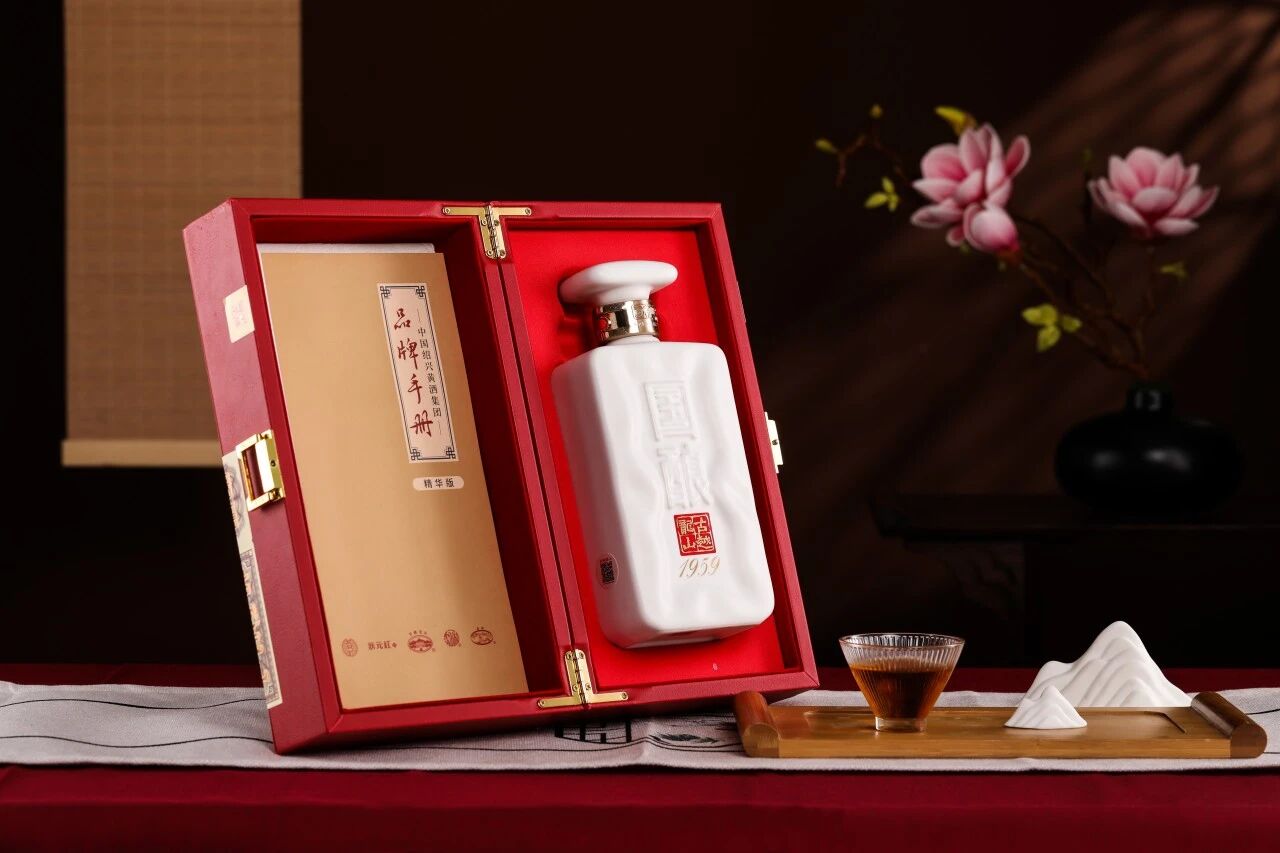
细读之下,信息量远超表面:国酿白玉2026年度配额3月全部售罄、全年不再供货;红玉、青玉配额签约收官,超额供货将溢价调价;同时国酿系列限定100家核心经销商,实行年度动态考核与优胜劣汰机制。
这不是一则简单的市场管理通知。这是黄酒头部企业首次以名酒运营法则来操盘高端产品线——从“跑马圈地”到“配额管理”,从“价格战”到“价值战”,古越龙山正在用白酒头部企业验证过的方法论,为长期陷入低价内卷、品类价值被低估的黄酒行业,探索出一条高端化突围的全新路径。
供需两旺下的稀缺性价值锚定
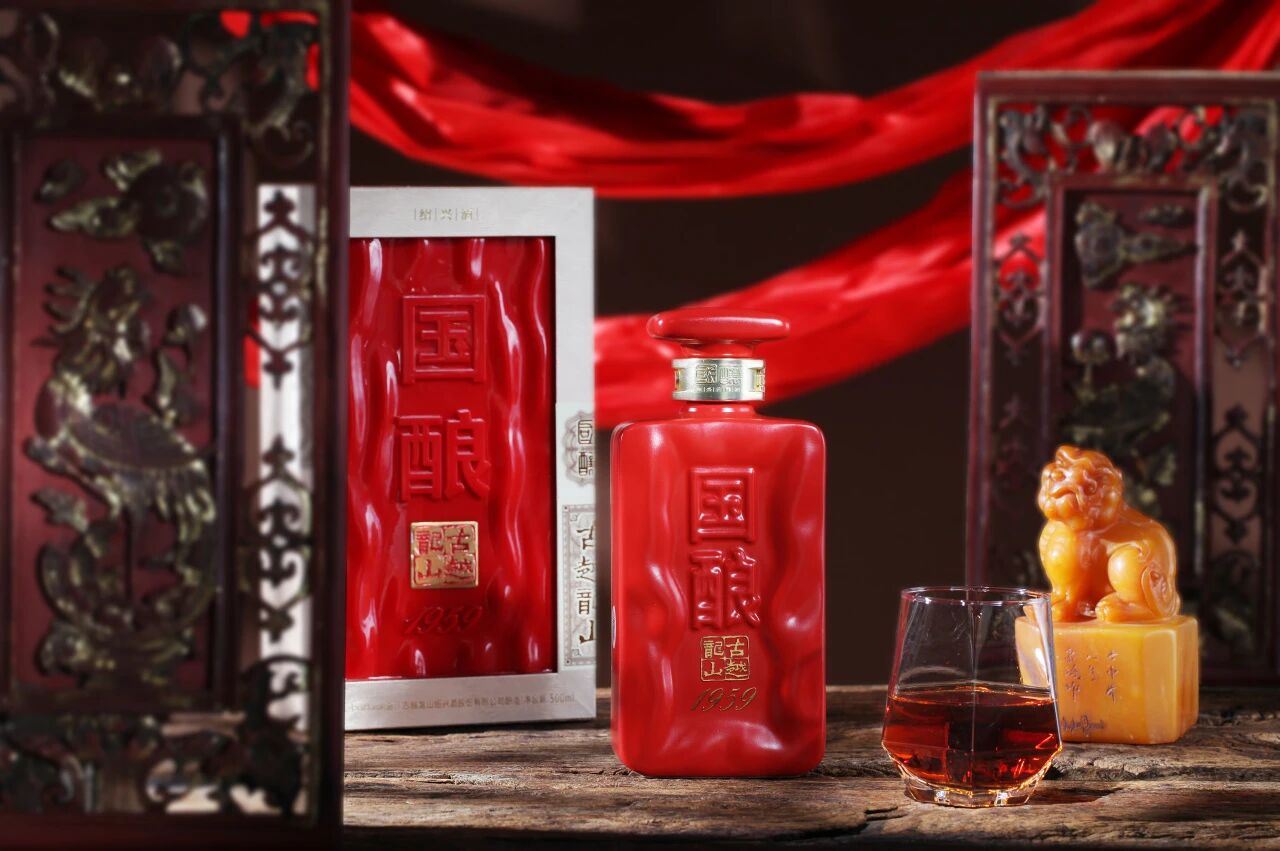
国酿系列多款产品配额提前收官,直接反映了市场对高端黄酒的旺盛需求——白玉3月即告售罄,印证了高端消费群体对国酿品质与品牌价值的充分认可。在真实市场需求驱动下,品牌对年度配额实施制度化管控,本质是对产品稀缺性的主动保护,防止优质产能被过度消耗。
2025年以来,白酒行业进入深度存量竞争,头部酒企普遍放弃规模至上的发展思路,通过高端单品控量、收缩渠道投放、消化社会库存等方式,稳住批价体系、守护品牌价值,以短期营收承压换取长期渠道与品牌生态健康。古越龙山此番操作,正是这套名酒逻辑在黄酒领域的落地实践。
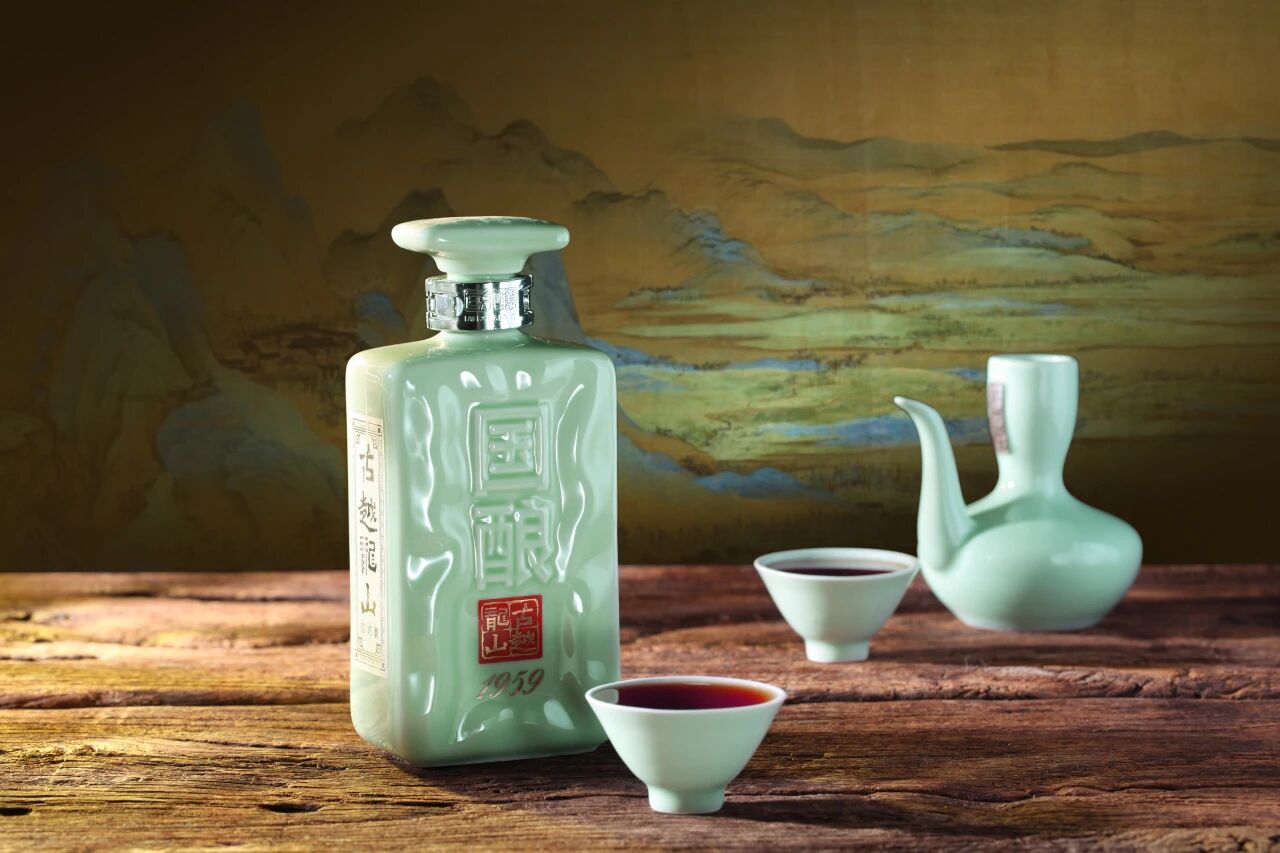
从市场表现来看,战略调整的成效已逐步兑现,2026年一季度公司中高档酒收入同比增长4.7%,高端板块重回增长轨道。通过将高端产品的稀缺性制度化、常态化,古越龙山为国酿系列搭建起价格防火墙,推动产品从普通黄酒升级为具备收藏、礼赠属性的高端稀缺品类。
行业排位博弈下的长期战略定力
控量是手段,稳价、保值才是核心目标。2025年黄酒行业双雄竞争格局白热化。面对激烈的行业竞争,古越龙山拒绝陷入“以价换量”的短期内卷,坚定稳价立牌。
在本次新规落地前,品牌已持续加码市场管控:2025年叫停青花醉系列部分产品线上销售,规避线上低价乱价冲击;2026年升级溯源体系,将溯源码内置瓶盖,从技术层面杜绝跨区窜货、低价倾销等乱象。
稳价是酒类品牌长线发展的核心根基,白酒行业已有诸多前车之鉴:不少头部单品因渠道失控、价格失守,出现批价大幅回落、跌破指导价的问题,最终导致渠道信心崩塌、品牌价值持续稀释。
对古越龙山而言,稳价的必要性更为迫切,2025年公司酒类整体毛利率仅37.39%,虽高端国酿系列盈利表现优异,但大量大众产品拉低整体毛利,盈利结构相对脆弱。一旦价格体系崩盘,品牌将面临毁灭性冲击。
控量是前提,稳价是目的,优商是保障,保质是根基——这正是白酒头部品牌历经多轮周期验证的“名酒法则”。古越龙山主动让出部分短期市场规模,守住价格与品牌价值,是兼顾安全与长远发展的战略博弈。
渠道分层升级,从铺量到精耕价值
国酿系列限定100家核心经销商、动态考核优胜劣汰,是古越龙山渠道战略的关键升维,标志着高端产品线彻底告别粗放式招商铺市,进入精细化、价值化的精耕时代。
截至2026年一季度,古越龙山全品类经销商达2048家,全国渠道布局持续完善,省外经销商1384家,省外收入占比从2019年的不足30%提升至当前的45%以上,全国化战略成效显著。但品牌清晰认知到,渠道规模不等于渠道质量,在全国化布局基本完成后,高端赛道的竞争核心,从“谁铺得更广”转向“谁做得更深、更精”。
需要明确的是,100家核心经销商仅针对国酿高端系列,与大众产品渠道完全区隔,并非品牌整体渠道收缩。配合2026年削减75个以上SKU、聚焦核心大单品的产品战略,高端渠道精选化布局,是品牌“聚焦高端、集中资源”战略的核心落地举措。
对标白酒名酒发展经验,头部品牌均已完成渠道变革,通过垂直管控、优商赋能、控量挺价,将传统铺货渠道升级为品牌与经销商共生的价值共同体。古
越龙山的优商逻辑与之高度契合:通过筛选优质合作伙伴、淘汰低效渠道,统一高端渠道运营标准、保障渠道利润,系统性改善过往渠道分散、管控松散、低价内卷的积弊,为高端产品长效发展筑牢渠道根基。
原酒壁垒打底,筑牢高端化核心底气
在四大战略举措中,品质是一切市场策略的根基,也是古越龙山敢于推进控量、稳价、优商的核心底气。区别于可快速复制的渠道策略、营销打法,千万坛陈年原酒储备,是品牌独一无二、难以赶超的核心壁垒。
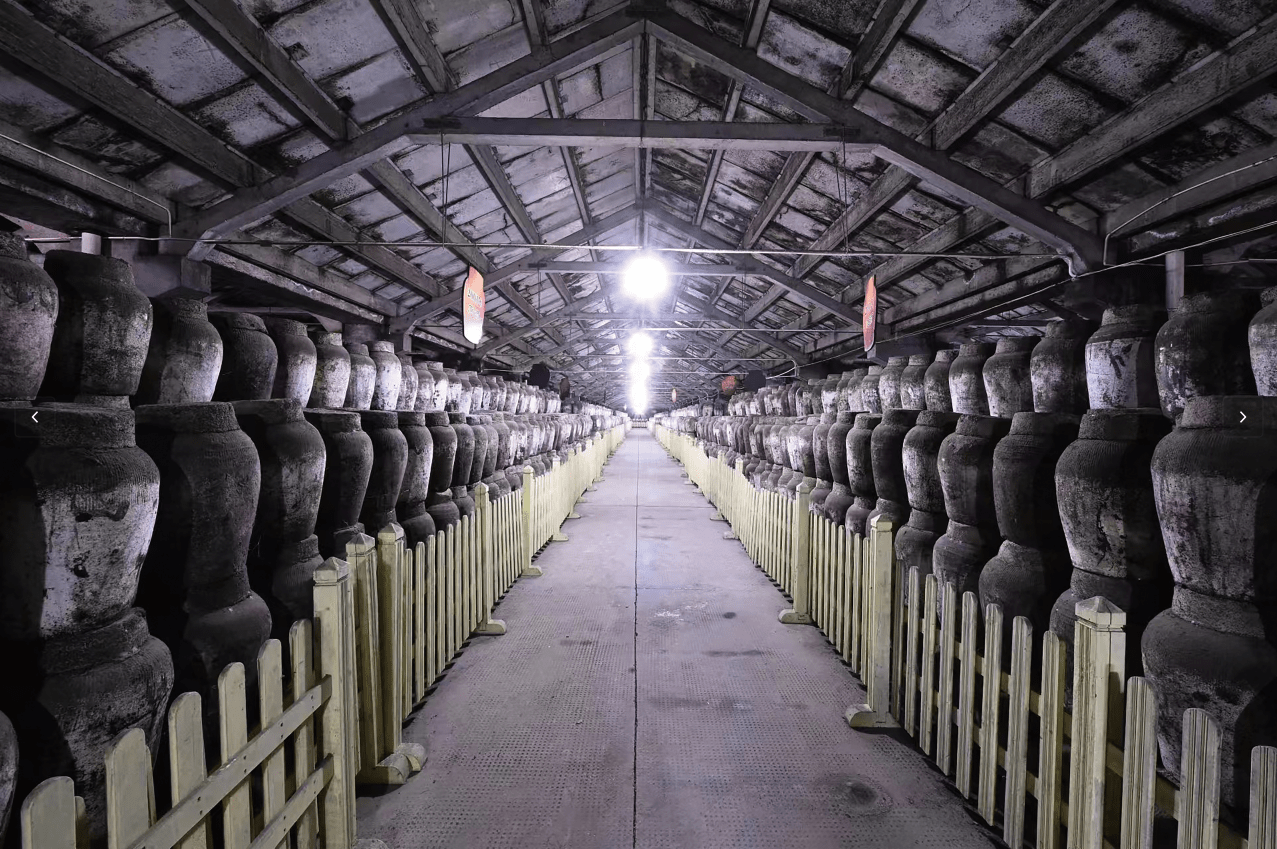 依托全球规模最大的黄酒酒库,古越龙山坐拥1100多万坛、26万千升陈年原酒储备,数十年的时间沉淀形成的稀缺品质资产,构建起绝对的行业竞争优势。同时,品牌持续加码品质研发与智能制造,2025年研发投入3398.36万元,同比增长12.52%,技术壁垒持续夯实。
其现代化产业园入选工信部5G工厂,实现智能酿造与传统工艺并行:6.56万吨智能化产能保障大众产品品质稳定,3.5万吨手工精品黄酒依托陈年原酒,支撑高端产品的稀缺属性与品质优势。
从行业大盘来看,2024年国内黄酒市场规模约200亿元,在酒类产业中占比不足2%,品类长期被低估、深陷低端固化标签。
以古越龙山为代表的头部企业,持续推进产品升级、价格重塑,本质是推动整个行业从“以量换利”向“以质取胜”转型,打破黄酒只能做大众佐餐酒的刻板认知,打开品类价值天花板。品质是高端化的“1”,控量、稳价、优商皆是后续赋能的“0”,唯有稳固品质根基,品牌价值提升才有持久支撑。
黄酒名酒化转型迈入新阶段
古越龙山“保质控量、优商稳价”的八字战略,是黄酒行业首次系统化落地名酒运营逻辑,终结了行业长期粗放竞争的发展阶段。当前黄酒产业正处于新旧动能转换关键期,高端化、全国化、数字化已成行业共识,头部品牌竞争从单纯的规模比拼,升级为品质、品牌、渠道、价值的综合较量。
会稽山依托兰亭系列卡位300元以上高端礼赠市场,古越龙山国酿系列稳居高端黄酒销量榜首,双龙头共同推动黄酒从佐餐场景向商务宴请、高端礼赠、收藏品鉴的高端社交场景延伸。
相较于成熟白酒,黄酒名酒化之路仍有较长培育周期,但头部企业的战略升级已明确行业方向。
古越龙山的价值化运营实践,不仅为自身突破发展瓶颈,更为整个黄酒行业破除低端内卷、实现品类升值,提供了可落地、可借鉴的名酒化路径——黄酒的价值时代已然启幕。
On July 15, Guyuelongshan’s Guoniang business unit issued its 2026 market management notice for the Guoniang series, laying out its core strategy of “quality assurance, volume control, premium distributor selection, and price stabilisation.” The key measures span four dimensions: unwavering quality commitment, careful dealer selection, quota management, and strict market oversight.
A closer reading reveals far more than meets the eye: the 2026 quota for Guoniang Baiyu was fully sold out by March, with no further supply for the rest of the year. Quota signings for Hongyu and Qingyu have also closed, with excess supply subject to premium pricing adjustments. Meanwhile, the Guoniang series has limited its core distributor network to just 100 partners, with annual dynamic assessments and a performance‑based elimination mechanism in place.
This is not a routine market management notice. It marks the first time a leading huangjiu producer has applied premium baijiu operational principles to manage a high‑end product line – shifting from “land‑grabbing expansion” to “quota management,” and from “price wars” to “value wars.” Guyuelongshan is adopting a methodology proven by top baijiu players to forge a new path toward premiumisation for the huangjiu category, which has long been mired in low‑price competition and undervalued by the market.
Scarcity Value Anchoring Amid Robust Supply and Demand
The early closure of quotas for multiple Guoniang products directly reflects robust market demand for premium huangjiu – Baiyu selling out by March confirms that high‑end consumers fully recognise Guoniang’s quality and brand value. Driven by genuine market demand, the brand’s institutionalised control over annual quotas is essentially a proactive measure to protect product scarcity and prevent over‑exploitation of its premium production capacity.
Since 2025, the baijiu industry has entered a phase of intense stock‑market competition. Leading distillers have largely abandoned volume‑at‑all‑costs strategies, opting instead to control supply of premium SKUs, scale back channel placements, and digest social inventory – all in order to stabilise wholesale pricing and protect brand equity, trading short‑term revenue pressure for long‑term channel and brand ecosystem health. Guyuelongshan’s current move represents the practical application of this premium‑liquor logic to the huangjiu sector.
Market performance shows that the strategic adjustments are already bearing fruit: in the first quarter of 2026, the company’s mid‑to‑high‑end wine revenue grew 4.7% year‑on‑year, with the premium segment returning to a growth trajectory. By institutionalising and normalising scarcity for its high‑end products, Guyuelongshan has built a price firewall for the Guoniang series, elevating it from ordinary huangjiu to a premium, scarce category with collectible and gifting attributes.
Long‑Term Strategic Resolve Amid Industry Ranking Battles
Volume control is the means; price stabilisation and value preservation are the ultimate goals. In 2025, the two‑player competition in the huangjiu industry intensified significantly. Facing fierce rivalry, Guyuelongshan has refused to succumb to short‑term “volume‑for‑price” tactics, steadfastly holding the line on pricing and brand positioning.
Prior to the new regulations, the brand had already been steadily tightening market controls: in 2025, it halted online sales of certain Qinghuazui series products to avoid disruptive low‑price chaos on digital channels; in 2026, it upgraded its traceability system by embedding anti‑counterfeiting codes inside bottle caps, technically eliminating cross‑region diversion and cut‑price dumping.
Price stability is the cornerstone of long‑term brand development in alcoholic beverages, and the baijiu industry offers numerous cautionary tales: many flagship SKUs have seen wholesale prices plummet below guidance due to channel mismanagement and pricing erosion, ultimately leading to collapsed channel confidence and sustained brand‑value dilution.
For Guyuelongshan, the imperative for price stability is even more urgent. In 2025, the company’s overall liquor gross margin stood at just 37.39%. While the premium Guoniang series delivered strong profitability, the large volume of mass‑market products dragged down the overall margin, leaving the profit structure relatively fragile. A collapse of the pricing system would deal a devastating blow to the brand.
Volume control is the prerequisite, price stabilisation is the objective, premium distributor selection is the safeguard, and quality assurance is the foundation – this is precisely the “premium‑baijiu playbook” that leading baijiu brands have validated through multiple market cycles. By voluntarily ceding some short‑term market share to protect prices and brand value, Guyuelongshan is making a strategic bet that balances near‑term safety with long‑term growth.
Channel Tiering Upgrade: From Volume Push to Value Cultivation
Limiting the Guoniang series to 100 core distributors with dynamic assessment and elimination mechanisms represents a critical upgrade in Guyuelongshan’s channel strategy. It signals that the premium product line has entirely moved beyond indiscriminate recruitment and mass distribution, entering an era of refined, value‑driven channel cultivation.
As of the first quarter of 2026, Guyuelongshan had 2,048 total distributors across all categories, with its national channel network continuing to expand. Of these, 1,384 are outside Zhejiang province, and the share of revenue from outside the province has risen from under 30% in 2019 to over 45% today – clear evidence of the success of its nationalisation strategy. However, the brand clearly recognises that channel scale does not equal channel quality. With the national distribution footprint largely in place, the battleground for the premium segment has shifted from “who covers more ground” to “who goes deeper and delivers greater value.”
It should be made clear that the 100‑core‑distributor limit applies exclusively to the Guoniang premium series and is entirely separate from the mass‑market channel – this is not an overall channel contraction for the brand. Together with the 2026 product strategy of cutting over 75 SKUs to focus on core mega‑brands, the selective high‑end channel deployment is a key implementation measure of the brand’s “focus on premium, concentrate resources” strategy.
Benchmarking against the development experience of premium baijiu brands, the industry leaders have all completed channel transformation – through vertical management, empowering premium distributors, and controlling supply to support pricing – upgrading traditional distribution channels into value communities where brands and distributors co‑prosper. Guyuelongshan’s premium‑distributor logic aligns closely with this approach: by selecting quality partners, eliminating inefficient channels, standardising high‑end channel operations, and safeguarding distributor profitability, it is systematically addressing past deficiencies of fragmented distribution, loose oversight, and low‑price competition, building a solid channel foundation for the sustainable growth of its premium products.
Base‑Wine Moat Underpins Premiumisation Ambitions
Among the four strategic pillars, quality is the bedrock of all market strategies – and the core source of confidence that enables Guyuelongshan to pursue volume control, price stabilisation, and premium distributor selection. Unlike channel strategies or marketing tactics that can be quickly replicated, its stockpile of millions of jars of aged base wine constitutes a unique and unassailable core barrier that competitors cannot easily surpass.
Leveraging the world’s largest huangjiu cellar, Guyuelongshan commands a reserve of over 11 million jars – equivalent to 260,000 kilolitres – of aged base wine. This scarce quality asset, accumulated over decades, provides an unassailable competitive advantage. At the same time, the brand continues to ramp up investment in quality R&D and smart manufacturing, with R&D expenditure reaching RMB 33.98 million in 2025, up 12.52% year‑on‑year, further consolidating its technological moat.
Its modern industrial park has been selected by the Ministry of Industry and Information Technology as a 5G factory, running smart brewing in parallel with traditional craftsmanship: 65,600 tonnes of intelligent production capacity ensures consistent quality for mass‑market products, while 35,000 tonnes of handcrafted premium huangjiu, built upon aged base wine, underpins the scarcity and quality advantage of the high‑end portfolio.
Looking at the broader industry picture, China’s huangjiu market was valued at approximately RMB 20 billion in 2024, accounting for less than 2% of the total alcoholic beverage sector – a category long undervalued and trapped under the label of being a low‑end, everyday table wine. Leading enterprises such as Guyuelongshan are driving product upgrades and price repositioning, essentially pushing the entire industry to shift from “volume for profit” to “quality for victory,” breaking the entrenched perception that huangjiu is merely a mass‑market accompaniment wine and unlocking the category’s value ceiling.
Quality is the “1” of premiumisation; volume control, price stabilisation, and premium distributor selection are the “0s” that multiply its value. Only with a solid quality foundation can brand value enhancement be sustained over the long term.
Huangjiu’s Premiumisation Transformation Enters a New Phase
Guyuelongshan’s eight‑character strategy – “quality assurance, volume control, premium distributor selection, and price stabilisation” – marks the first systematic application of premium‑liquor operational logic in the huangjiu industry, bringing an end to the sector’s long‑standing era of extensive, low‑level competition. The huangjiu industry is currently at a critical juncture of transitioning between old and new growth drivers, with premiumisation, nationalisation, and digitalisation emerging as industry consensus. Competition among leading brands has escalated from a simple scale contest to a comprehensive battle across quality, brand, channel, and value.
Kuijishan, through its Lanting series, has established a presence in the above‑RMB 300 premium gifting market, while Guyuelongshan’s Guoniang series leads the premium huangjiu sales rankings. Together, the two industry leaders are expanding huangjiu’s footprint from dining‑table occasions into high‑end social scenarios including business banquets, premium gifting, and collector tastings.
Compared with the more mature baijiu category, huangjiu’s journey towards premium‑brand status still has a lengthy cultivation period ahead. However, the strategic upgrades undertaken by the industry leaders have already charted a clear direction for the sector.
Guyuelongshan’s value‑driven operational practices are not only breaking through its own development bottlenecks, but also offering a practical, replicable premiumisation roadmap for the entire huangjiu industry to escape low‑end involution and achieve category appreciation. The value era of huangjiu has officially begun.
原创文章版权归本网所有;转载文章归原作者所有。发布者:酒业时报,转载请注明出处:https://www.thewinetimes.com/gongsi/11383