公司面临的挑战,从外部看,一是消费疲软,总体没有有效改变;二是行业存量竞争,头部酒企在江苏(市场空间大,消费能力强)加紧布局;三是省外各地的地产酒收缩聚焦、转向深耕本土,对百元优势产品有压力。从内部看,一是主导产品发展进一步承压,公司主力产品在中高、次高端层面上压力更大,省外地产酒收缩对我们大单品市场拓展有压力;二是核心品牌势能提升需要时间,品牌建设需要持续投入和时间积淀,去年下半年以来聚焦推进区域统筹、品牌整合和资源聚焦,成立融媒体与消费者运营部,做好品牌推广和消费者深度运营,目前运转效果还需时间;三是组织架构调整和优化之后,成效的显现需要时间,去年下半年销售组织架构进行调整,大的改变是分品牌的营销体系转变为区域、战区统筹的营销体系,层次更扁平,效率更高,人员更精简,干部优化,最基层的分公司、办事处机构优化49.6%、干部负责人46.9%,接近一半,效果初步显现,①出清前期阶段性的问题;②战区统筹之后,品牌和各产品的协同提高,决策效率提升,组织成员对组织架构的运转有适应的过程,所以达到预期还需时间。
公司的规划,十五五开局之年,使命、愿景没有变,使命仍然是“为人民美好生活而酿造”,愿景仍然是“成为基业长青、飘香世界的伟大企业”;变化的是坚定践行长期主义的发展理念,消费者为中心,市场为导向,推进以聚焦为核心的集中化战略和以创新为核心的差异化战略,全面落实业务结构增长动能,在业务结构、增长动能、发展基础、运营水平四方面落实经营高质量举措。2026年和去年下半年的战略一致,整顿秩序,稳定价盘,提振信心,强化协同,促进动销。主要工作有五个方面:一、产品侧,海7的省外上市,天之蓝、水晶梦的区域突破,高线光瓶酒的全国化战略,金M9的上市,M6+的复兴,双沟品牌协同,形成梯次清晰、接续有力的产品矩阵,强化突出主导产品,产品SKU精简,构建层次分明的品牌协同体系;二、品牌侧,精准投放和用户共创,构建品效合一的传播生态,口碑持续提升和正向循环,对抹黑造谣的行为采取法律措施;三、市场侧,省内强化渠道深耕,大本营市场进一步巩固提升,省外精准投放和定点突破、稳盘固盘,特别是规模市场稳住,重点突破有潜力、有空间、有品牌基础、有认知的区域;四、渠道侧,实现经销商和终端的存量稳定和信心提振,大商培育和核心终端打造工作,构建新形势下厂商利益共同体;五、用户侧,坚持以消费者为中心、坚持产品品质为根本,彻底转变卖方思维,让内容、品质、产品回归用户本位,讲好品牌故事,全面优化消费者运营体系,实现用户价值运营转型。
问:公司营销组织架构的调整问题?
答:白酒竞争加剧、消费承压,原来品牌销售公司的模式存在资源分散,内部协同不足,市场响应迟缓等问题。去年下半年推动营销体系的组织变革,包括:(1)分品牌运营调整为分战区运作,战区内对各品牌进行统筹,实现战区对各品牌的统一运营和管控;(2)组织的优化和精简,市场和区域间人员的流动,激发人员活力;(3)组织精简的同时干部精简,由原来的分散作战转为区域精耕一体化作战。撤销名酒双沟、贵酒等品牌公司,整合为14个跨品牌战区,原来73个事业部精简到47个,减少了35.6%;原来分公司、办事处从575个精简到289个,减少了49.7%;事业部负责人缩减36人,减少了34.9%;办公司、办事处负责人减少了291个,减少46.9%,核心就是聚焦、节约、高效。
问:关于提升团队积极性的问题?
答:组织调整的目的是从机制上让大家能够放开手脚做事,才能去做更好的激励。一是优化考核导向,从唯开票变成重过程、强动销,对中、基层人员增加动销开瓶、库存健康度等过程性指标考核权重,设立专项动销激励,引导团队聚焦真实消费。二是优化考核办法,加大对市场健康度的考核力度,强化对扫码上货的管控、价格管控和市场管控的负向指标,销售额完成率和渠道库存下降率进行统筹评价,引导团队以终端动销来驱动增长,实现业绩和库存的良性平衡。往C端转要思想、思维上转变和公司内部通过考核和要求来推进。三是强化领导责任,战区和事业部负责人下沉到市场中,拒绝短期绩效诱惑,将正确业绩观纳入市场考核。通过强化过程监督和刚性应用考核来形成一级带一级的责任传导。目前一线团队对决策非常支持、对强化动销长期主义的业绩导向形成普遍认同。春节之后一般主导产品价格下滑,但是今年我们主导产品价格是稳定的,达到我们的目标,一线员工被动躺平的行为也有减少。
问:公司营销调整的进展和今年规划?
答:去年下半年开始战略调整,目前阶段性取得五个效果:库存下降,价格趋稳,持续向好,口碑优化,信心提振。主要做了八个方面工作:一是品牌整合(洋河、双沟、名酒、贵酒),省内外14个大区(省内4个,省外10个),目的是强化区域统筹,解决品牌、营销单元之间各自为战、资源分散投资的问题;二是区域聚焦,也是组织和资源聚焦,聚焦江苏省内、环江苏(河南、山东、安徽、浙江、上海)、省外重点(湖南、湖北、河北等),稳固大本营的同时省内做密度,省外做深度;三是政策规范,进一步规范区域价格体系,全国一盘棋,从源头上管住价格;四是控量稳价,建立动销为核心的库存调节机制,库存高熔断机制,量的精准调度长期稳定价格;五是海七省内省外上市,金梦9的焕新上市,产品价格矩阵清晰,去年下半年以来减少766个SKU,推动产品进一步瘦身提效;六是秩序管控,针对海7、高线光瓶酒等新品实施高于常规标准和力度的价格措施,惩罚套取费用、窜货、异地扫码等行为;七是强化大商培育和核心终端打造,2025年设立消费者运营部、提升消费者粘性;八是坚持长期主义。
2026年营销工作重点:十五五开局之年,总方针就是上面20个字,主线是调结构、强主导、促动销、控库存、提信心。四大核心举措:一是强化聚焦、推进整合、凝聚合力,进一步理清品牌架构、聚焦海天梦核心体系,做大大单品;区域聚焦省内、环苏和省外重点市场,夯实份额、提升市场占有率,构建梯次清晰的市场布局;组织以战区为单元,继续推进品牌、产品、组织的深度融合,切实提升市场协同运作效率;资源费用聚焦核心单品和重点市场,杜绝平均主义和分散投入。二是统一政策、强化指导、协同联动,统一各区域价格体系和促销政策,强化总部对一线的战略指导和督导,上下联动,目标对齐,全国一盘棋。三是焕新产品、优化策略、激发活力,海七在省外上市,金梦9全国布局,M6+逐步升级,增加经销商顺价空间,围绕团购、家宴、促销等场景精准动销,以动销拉动回款,以回款带动增长。四是直面问题,加强厂商沟通,政策执行前听取一线意见,执行的时候及时纠偏,打造厂商命运共同体,共同穿越行业周期。
问:产品库存去化情况?海天梦产品的动销情况?
答:当前白酒行业转向存量竞争、减量提质、结构升级的深度调整期,告别过去量价齐升的高增长阶段,进入总量收缩、价值回归、库存出清的新阶段。当前核心产品库存较峰值下降近一半,进入合理空间,渠道价差、动销利润逐步修复,窜货乱价有效遏制。接下来构建健康有序、动态平衡的库存结构:一是进一步细化颗粒度,细化到分公司办事处、经销商设置库存红线,超过红线熔断(停止开票),严格管控M9、M6+等产品;二是梳理主导产品价格体系,确保终端成交价稳定,稳定渠道利润空间;三是加强费用管控,坚持去库存为核心导向,资源聚焦,确保真正落地终端动销。
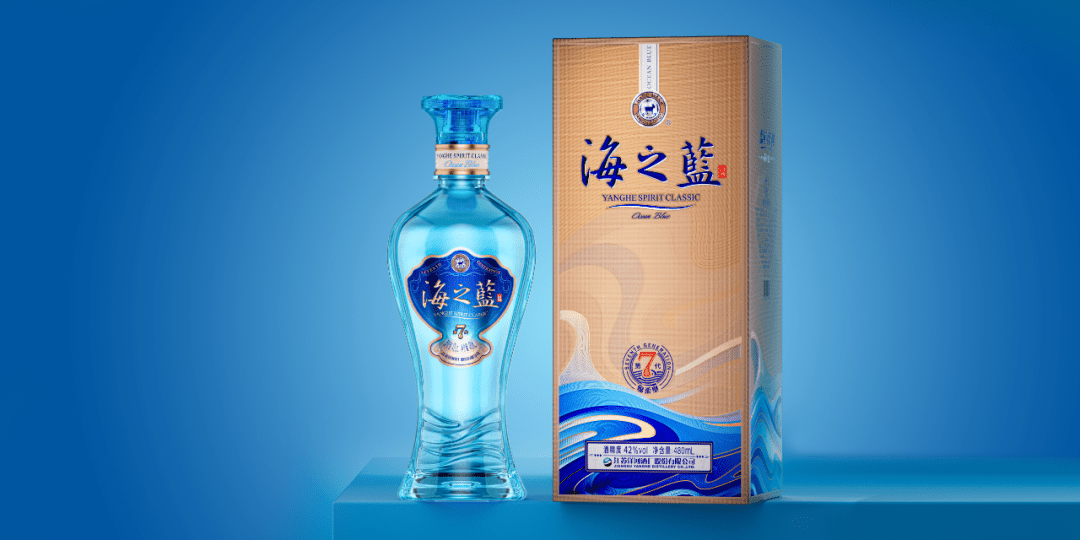
调整过程中,海天梦动销阶段性波动,产品结构进一步优化,海之蓝格局巩固,梦紧随其后。今年动销开瓶>经销商出库>厂商回款,销售端更好,渠道端信心有序恢复,库存出清。今年主力产品动销稳步修复:海之蓝焕新全面落地,省内春节全面导入,省外Q2开始导入,品牌端联动省内城市足球联赛加强曝光、渠道端向重点网点渗透、消费端搭配小酒换购、宴席升级等活动拉动,终端动销实现稳步增长。天之蓝打造核心规模市场,加大终端激励,通过再来一瓶、宴席政策优化强化终端推动,开展省外30个重点市场打造,给予专项赋能支持。水晶梦集中资源,深耕宴席赛道,实现区域的差异化投入,宴席动销表现平稳。M6+修复省内市场势能、团购渠道体系,通过专项政策赋能团购客户、核心意见领袖来修复高端消费口碑,省内商务团购动销回暖。M9产品焕新升级,重新筛选布局优质的经销商,聚焦南京苏州等头部标杆市场,树立高端品牌形象。双沟全价位段协同发展,重点补充洋河较弱的400元价位带。
问:公司收入的确认政策和消费税新规?
答:公司坚持以货物控制权转移为收入确认的会计政策不变,销售产品、促销品类基于时点履行义务,交付客户完成货物转移后及时确认收入,出口是公司在商品发出完成出口报关后确认收入。国家税务总局发布9号公告,白酒消费税申报出现新规定。核心内容是消费税税率不变,但征管从严、穿透监管,目的是防止酒企用多层销售公司避税。重点一是日常纳税申报,新增白酒消费税的计算明细表,关联销售单位的信息报告表,交易的全披露和销售流程的全追溯,增加财务申报的工作量;二是核心计税原则,酒企将白酒销售给关联销售单位且该产品暂无税务机关核定最低计税价格的,申报计税价格必须按“出厂价”与“关联方对外售价的60%”两者孰高来确定。我们公司25年完成税基核定,主导产品的消费占比基本上是符合的,少量新产品因上市时核算成本滞后所以没有及时核定价格,后续可能会有略微差异,对整体税务成本没有大的影响。
问:近几年江苏省内竞争格局变化比较激烈,未来如何看待新变化以及对应举措?
答:江苏的白酒销量一致稳居全国前列,一直是各大酒企的重点市场。今年头部酒企均加大对江苏市场的聚焦力度,部分酒企以价换量,公司有所承压。我们选择控量稳价,短期销售数字可能会有影响,但更有利于品牌长期发展。举措前面也有所介绍,简要来说组织层面推进了品牌的整合和发展,管理颗粒度下沉到街道和乡镇,强化渠道掌控力、市场响应能力;品牌层面强化文化氛围、构建立体传播矩阵、近期围绕内容传播的媒体矩阵发力内容营销,通过高频曝光、美誉度捆绑提升品牌形象和用户口碑;渠道层面省内扶持培育大商,帮助经销商降本增效、提升经营和盈利能力,聚焦核心终端打造和培育;消费者运营层面提升消费者运营到战略层面。近期两个阶段性任务,一是开展总部的训战,由消费者运营部牵头,提升基层人员策划、运营能力;二是开展有体系的、真实的消费者运营,省内大本营集中优质资源,深耕细作。
问:第七代海之蓝去年省内良好推进,今年初省外推进,最新推进的进展和效果?中长期怎么展望全国化的空间?
答:第七代海之蓝是公司百元价位行业的第一大单品。25年2月起省内停止供应第六代海之蓝,6月海七省内部分渠道上市,11月在省内全面上市,今年2月省外陆续推广,当前海七在全国开展铺货,省外略迟于省内。下一步要做好营销和销售两方面的工作:营销方面,一是酒店赠饮、维护消费者;二是经营理念核心维护、切实提升渠道维护力;三是系统做好内容营销,近期推出“漂亮女孩漂亮饭”活动引发关注,深化品质认同;四是借助体育赛事热点持续提升品牌热度,深度捆绑各个城市联赛。销售方面一是给予宴席政策支持,针对终端、消费者的宴席形式进行优化,抢占宴席市场份额;二是统筹开展多形式促销活动,有效提升消费者自点率。
On June 3, Yanghe Co., Ltd. held its 2025 Annual General Meeting in Suqian, engaging directly with investors, representatives, and institutions to address key concerns. Below is the full transcript of the Q&A session.
Q: How does the company assess the current industry cycle? Where does Yanghe stand in its adjustment, and what are the next strategic and operational plans?
A: The current industry landscape is characterized by intense competition with further divergence — a deep adjustment phase with short-term pressure but medium-term stabilization. Total industry volume has fallen sharply, from 16 million tons in 2016 to under 4 million tons today, concentrating production in high-quality regions and leading players (the “winner-takes-all” effect). The channel model is shifting from “push-driven growth” (inventory loading) to “consumer-driven growth.” Reducing inventory and stabilizing prices are the dominant themes.
The dumbbell-shaped consumption structure — stable at ultra-high, high, and mass price points, but fierce competition in the sub-premium tier — presents both challenges and opportunities for Yanghe. Our competitive strength lies around the RMB 100 price band, while our sub-premium products face pressure in the national market. That’s why we are determined to deepen a user-centric mindset, leveraging our brand heritage, soft-mouth category advantages, and channel operations to find structural growth opportunities within a zero-sum market.
External challenges:
-
Weak consumption — no effective broad recovery.
-
Zero-sum competition — leading liquor companies are aggressively expanding in Jiangsu (large market, strong purchasing power).
-
Outside Jiangsu, local regional brands are retrenching and focusing on their home markets, putting pressure on our RMB 100-level advantaged products.
Internal challenges:
-
Pressure on flagship products — especially mid-to-high and sub-premium tiers. The retrenchment of regional brands outside Jiangsu is making it harder for our single large-SKU market expansion.
-
Core brand momentum takes time to build — brand building requires continuous investment and time. Since the second half of last year, we have focused on regional coordination, brand integration, and resource concentration. We set up a Media & Consumer Operations Department to promote brand communication and deep consumer engagement. The results are still unfolding.
-
Organizational restructuring needs time to show results. Last year we changed the sales organization — shifting from brand-based marketing teams to region/war-zone integrated marketing. The new structure is flatter, more efficient, with leaner staffing and streamlined management. At the grassroots level, we reduced branch and office units by 49.6% and management roles by 46.9% — nearly half. Initial results:
-
Clearing up legacy issues;
-
Better synergy between brands and products under war-zone coordination, faster decision-making.
But teams are still adapting to the new structure, so reaching full effectiveness will take time.
-
Company plan:
In this first year of the 15th Five-Year Plan, our mission remains “Brewing for a Better Life” and our vision “To become a great, enduring enterprise whose fragrance spreads worldwide.” What has changed is our commitment to long-termism — consumer-centered, market-oriented — advancing a concentration strategy (focus) and a differentiation strategy (innovation). We are fully implementing growth drivers through business structure optimization, growth momentum, foundation building, and operational excellence.
Our strategy for 2026 is consistent with the second half of last year: restore order, stabilize price structure, boost confidence, strengthen collaboration, and drive sell-through.
Five key workstreams:
-
Product: Launch Hai 7 outside Jiangsu; achieve regional breakthroughs for Tian Zhi Lan and Crystal Dream; nationalize the high-end baijiu-in-light bottle; launch Gold M9; rejuvenate M6+; coordinate the Shuanggou brand; build a clear, tiered product matrix with streamlined SKUs.
-
Brand: Precision投放 and user co-creation; build an integrated brand communication ecosystem that drives positive word-of-mouth; take legal action against rumor-mongering.
-
Market: Within Jiangsu, deepen channel cultivation and reinforce the home market. Outside Jiangsu, precision placement, targeted breakthroughs, stabilize large markets, and focus breakthrough efforts on regions with potential, space, brand foundation, and consumer awareness.
-
Channel: Stabilize existing distributors and retail points, boost confidence; cultivate major distributors and build core retail points; forge a new manufacturer-distributor community in the current environment.
-
User: Stay consumer-centric, uncompromising on product quality; fully shift away from a seller-centric mindset; bring content, quality, and products back to user needs; tell compelling brand stories; completely optimize the consumer operation system to achieve user value management.
Q: What changes have been made to the marketing organization structure?
A: As competition intensifies and consumption weakens, the old brand-company silo model led to resource fragmentation, poor internal coordination, and slow market response. Last year we launched an organizational transformation:
(1) Shift from brand-based operations to war-zone integrated operations — each war zone coordinates all brands, enabling unified management.
(2) Streamline and optimize — increase personnel mobility to invigorate the team.
(3) Reduce management layers — move from fragmented fighting to integrated, deep cultivation per region.
We dissolved the brand-specific companies (e.g., Mijiu, Shuanggou, Guijiu) and integrated them into 14 cross-brand war zones. The number of business units was cut from 73 to 47 (down 35.6%). Branches and offices were reduced from 575 to 289 (down 49.7%). The number of business unit heads fell by 36 (down 34.9%), and branch/office heads by 291 (down 46.9%). The core principle: focus, efficiency, cost savings.
Q: How do you plan to boost team motivation?
A: The organizational adjustments are designed to empower people to act decisively, which then enables better incentive structures.
First, optimize performance KPIs — move away from a pure invoicing focus to emphasizing process and sell-through. For middle and frontline staff, add process-oriented metrics such as sell-through, bottle-opening, and healthy inventory levels. Set up special incentives for driving sell-through.
Second, refine the appraisal system — increase weight on market health metrics; implement negative indicators for scan-to-shelf control, price stability, and market discipline; comprehensively evaluate sales completion rates and inventory reduction. Guide teams toward growth driven by end-consumer sell-through, balancing performance and inventory. The shift to C-end requires a mindset change, supported internally by assessment mechanisms.
Third, strengthen leadership accountability — war zone and business unit leaders must stay grounded in the market. Reject short-term performance temptations; integrate correct performance values into market assessments. Through process supervision and rigorous application, build a top-down chain of responsibility.
Currently, frontline teams strongly support these decisions and widely accept the long-term, sell-through-oriented performance philosophy. After the Spring Festival, prices of major products typically decline, but this year they have remained stable — reaching our target. Instances of passive disengagement among frontline employees have also decreased.
Q: What progress has been made in marketing adjustments, and what are the plans for this year?
A: We began strategic adjustments in the second half of last year and have achieved five interim results: inventory down, prices stabilizing, continuous improvement, positive word-of-mouth, and renewed confidence.
Eight major actions:
-
Brand integration (Yanghe, Shuanggou, Mijiu, Guijiu) — 14 war zones (4 inside Jiangsu, 10 outside). Goal: strengthen regional coordination, solve the problem of brand and marketing units fighting separately with dispersed resources.
-
Regional focus — concentrate organization and resources on Jiangsu province, the area around Jiangsu (Henan, Shandong, Anhui, Zhejiang, Shanghai), and key outside provinces (Hunan, Hubei, Hebei, etc.). Reinforce home base while building density in Jiangsu and depth outside.
-
Policy alignment — standardize regional pricing systems nationwide, controlling prices at the source.
-
Volume control to stabilize prices — establish a sell-through-driven inventory adjustment mechanism; an inventory “fuse” (cut-off); precise volume management for long-term price stability.
-
New product launches — Hai 7 inside and outside Jiangsu; Gold M9 relaunch; clear product price matrix. Since last year, eliminated 766 SKUs to streamline and improve efficiency.
-
Order discipline — for new products like Hai 7 and high-end baijiu-in-light bottle, implement stricter-than-usual pricing measures; punish rebate fraud, cross-channel selling, off-site scanning.
-
Strengthen major distributors and build core retail points — established a Consumer Operations Department in 2025 to enhance consumer loyalty.
-
Commitment to long-termism.
2026 marketing priorities:
In this first year of the 15th Five-Year Plan, the overarching guideline remains the 20-character principle above. The main themes: adjust structure, strengthen flagship products, promote sell-through, control inventory, boost confidence.
Four core initiatives:
-
Sharpen focus, drive integration, build synergy — further clarify brand architecture, focus on the Hai-Tian-Meng core system, build large single SKUs; regionally focus on Jiangsu, surrounding areas, and key outside markets, increase share; at the organization level, continue integrating brands, products, and operations within each war zone; concentrate resources on core SKUs and key markets — eliminate egalitarianism and spread investment.
-
Unify policies, strengthen guidance, coordinate actions — unify regional pricing and promotional policies; reinforce headquarters strategic guidance and supervision; top-down alignment for a nationwide coordinated approach.
-
Refresh products, optimize tactics, unleash vitality — launch Hai 7 outside Jiangsu; deploy Gold M9 nationwide; gradually upgrade M6+; increase distributor margins; drive sell-through via group buying, banquet, and promotional scenarios — sell-through pulls collections, collections pull growth.
-
Face issues head-on, strengthen manufacturer-distributor communication — solicit frontline opinions before policy implementation; make timely corrections during execution; build a shared-fate community to navigate the industry cycle together.
Q: How is inventory destocking progressing? What is the sell-through situation for Hai-Tian-Meng products?
A: The baijiu industry has entered a deep adjustment phase of zero-sum competition, volume reduction with quality improvement, and structural upgrading — leaving behind the era of high growth with rising volume and price, and entering a new stage of total volume contraction, value return, and inventory clearing. Core product inventory has dropped by nearly half from its peak, now within a reasonable range. Channel spreads and sell-through margins are gradually recovering. Cross-channel selling and price chaos have been effectively curbed.
Next steps to build a healthy, dynamic, balanced inventory structure:
-
Granular management — set inventory red lines at branch and distributor levels; cut off invoicing beyond the red line, strictly controlling M9, M6+, etc.
-
Clear price system — ensure stable final transaction prices; stabilize channel profit margins.
-
Strengthen expense control — maintain an inventory-clearing core orientation; focus resources to truly drive end-market sell-through.
During the adjustment, Hai-Tian-Meng sell-through showed periodic fluctuations, but product structure further improved. Hai Zhi Lan’s position strengthened, followed by Meng. This year: sell-through (bottle opening) > distributor outbound > manufacturer collections. The sales side is improving, channel confidence is recovering orderly, and inventory is clearing.
Core product sell-through is steadily recovering:
-
Hai Zhi Lan (new generation) fully rolled out — within Jiangsu since Spring Festival; outside Jiangsu starting Q2. Brand linkage with city football leagues increased exposure; channel penetration to key retail points; consumer activities (small bottle exchange, banquet upgrades) driving steady terminal sell-through.
-
Tian Zhi Lan — building core scale markets; increasing terminal incentives (e.g., “buy one get one free”, optimized banquet policies); launching 30 key markets outside Jiangsu with dedicated support.
-
Crystal Dream — concentrate resources on banquet channel; regionally differentiated investment; banquet sell-through stable.
-
M6+ — restoring momentum in Jiangsu and group-buying channel; targeted policies for group-buying clients and key opinion leaders to rebuild premium口碑; business group-buying in Jiangsu showing recovery.
-
M9 — relaunched and upgraded; carefully select high-quality distributors; focus on benchmark markets like Nanjing and Suzhou to build premium brand image.
-
Shuanggou — full-price-band coordinated development, filling the RMB 400 gap where Yanghe is relatively weak.
Q: What is the company’s revenue recognition policy, and how does the new consumption tax regulation affect it?
A: Our revenue recognition policy remains unchanged: we recognize revenue when control of goods transfers to the customer. For sales products and promotional categories, the obligation is fulfilled at the point of delivery; revenue is recognized promptly after transfer. For exports, revenue is recognized after goods are shipped and export customs clearance completed.
The State Administration of Taxation has issued Announcement No. 9, introducing new rules for baijiu consumption tax declaration. The core content: tax rate unchanged, but stricter collection and through-chain supervision to prevent multi-layer sales company tax avoidance.
Key implications:
-
Daily filing now requires a new detailed calculation form for baijiu consumption tax, plus a report on related-party sales units — full transaction disclosure and full sales chain traceability, increasing financial workload.
-
Core pricing principle: For baijiu sold to a related-party sales unit where the tax authority has not yet set a minimum taxable price, the declared taxable price must be the higher of (a) the ex-factory price or (b) 60% of the related party’s external selling price.
We completed tax base verification in 2025. Our flagship products largely comply. A few new products had a lag in cost accounting, so their taxable prices were not set in time — there may be minor differences going forward, but no material impact on overall tax costs.
Q: Competitive dynamics in Jiangsu have intensified significantly in recent years. How do you view these changes going forward, and what actions will you take?
A: Jiangsu has always been a top liquor market nationwide and a key battleground. This year, leading liquor companies have all increased their focus on Jiangsu; some are chasing volume at the expense of price, putting pressure on us. We have chosen to control volume to stabilize prices — short-term sales figures may be affected, but this is better for long-term brand development.
Actions (as previously described):
-
Organization — brand integration; management granularity down to street and township levels; stronger channel control and market responsiveness.
-
Brand — cultural atmosphere; multi-dimensional media matrix; recently focusing on content marketing through media networks, using high-frequency exposure and reputation association to enhance brand image and word-of-mouth.
-
Channel — within Jiangsu, support and cultivate major distributors; help distributors reduce costs and improve efficiency; focus on building core retail points.
-
Consumer operations — elevate consumer operations to strategic level.
Two near-term tasks:
-
Headquarters-led training (Consumer Operations Department) to improve grassroots planning and execution capabilities.
-
Systematic, authentic consumer operations — concentrate high-quality resources in the home market of Jiangsu for deep cultivation.
Q: The 7th-generation Hai Zhi Lan progressed well inside Jiangsu last year and began rolling out outside Jiangsu early this year. What is the latest status and effectiveness? How do you see its national growth potential in the medium to long term?
A: The 7th-generation Hai Zhi Lan is the industry’s largest single SKU in the RMB 100 price band. In February 2025, we stopped supplying the 6th generation within Jiangsu. In June, the 7th generation entered some channels in Jiangsu; by November, it fully launched across Jiangsu. In February this year, we began promoting it outside Jiangsu. Currently, Hai 7 is being distributed nationwide, with outside-Jiangsu slightly behind Jiangsu.
Next steps — two areas:
Marketing:
-
On-premise sampling and gifting to engage consumers.
-
Strengthen channel stickiness through strategic business model maintenance.
-
Systematic content marketing — recently launched a “Pretty Girls, Pretty Food” campaign to build quality recognition.
-
Leverage sports events to boost brand heat, deeply associating with city leagues.
Sales:
-
Banquet policy support — optimize banquet formats for both terminals and consumers; capture banquet market share.
-
Coordinate diverse promotional activities to effectively increase consumer “ask rate.”
原创文章版权归本网所有;转载文章归原作者所有。发布者:酒业时报,转载请注明出处:https://www.thewinetimes.com/gongsi/10803