两天后,当赤水河由浊转清,茅台镇将迎来一年中最重要的酿造节点。有人看到的是文化展演,有人看到的是营销节点。
但如果你把这场即将启幕的仪式放进茅台七十多年的质量进化史里去看,会发现一个被忽略的事实:这场仪式,是茅台对自己质量信仰的一次年度确认。
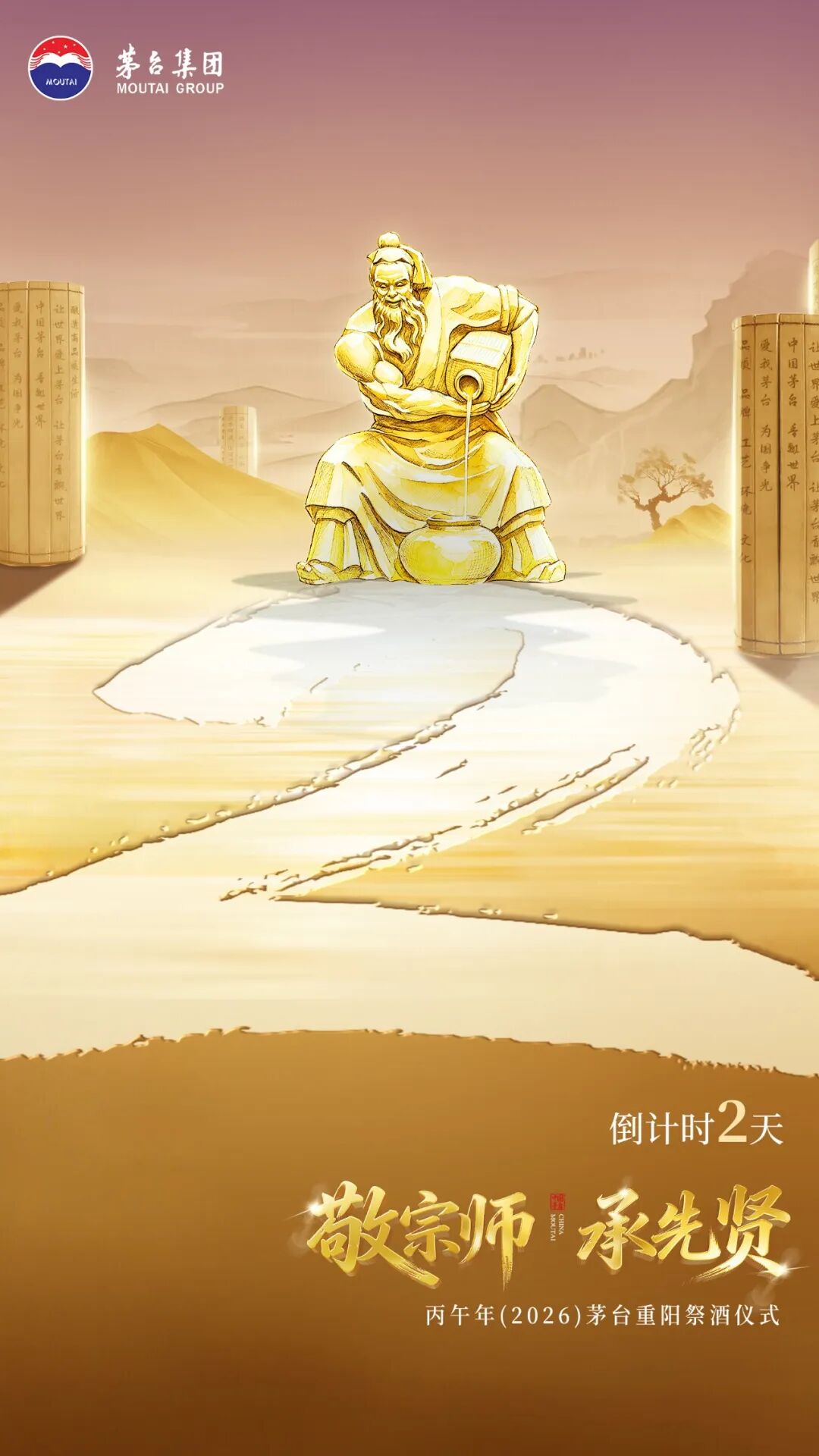
三献礼:敬畏是质量的起点
10月18日,农历九月初九,丙午年茅台重阳祭酒仪式将在茅台镇如期启幕。
按照赤水河的自然节律,届时河水将结束汛期的浑浊,由浊转清,茅台镇的气温也将回落至酿酒微生物最适宜活跃的区间。这场以“敬宗师、承先贤”为主题的仪式,将延续“三献礼”传统——初献帛爵,亚献陈年茅台酒,终献高粱、小麦与净水。
这个沿用自《礼记》的仪轨,看似古朴,实则大有深意。
在酒业时报看来,“三献礼”的祭品序列,本身就是一部微缩的茅台质量观。帛爵是礼制,是对先贤的敬意;陈年茅台酒是成果,是对时间的回报;高粱、小麦与净水是源头,是对自然的敬畏。茅台用这个顺序告诉所有人:好酒不是营销出来的,是从一粒粮食、一滴水开始,经过无数道工序和漫长时光淬炼出来的。
这种对源头的重视,贯穿在茅台质量管理的每一个环节。从一粒红缨子高粱的选育,到酿造、贮存、勾调全流程,茅台构建起了覆盖全产业链的闭环质量管控体系,建立了“不合格原料不进厂、不合格品不流转、不合格酒不出厂”的铁规矩。
而重阳下沙之所以成为仪式的核心节点,是因为它本身就是“敬畏”的产物。端午至重阳,赤水河携带泥沙呈赤红色,不宜取水酿酒;重阳之后,雨季结束,河水转清,水质达到全年最佳状态。酿酒人遵循“九月九,下河挑水煮新酒”的古训,以赤水河的清波开启新一轮酿酒周期。茅台不是在“选择”重阳,而是在“服从”重阳——服从自然的节律,服从酿造的规律。
四个服从:敬畏如何变成铁律
如果说“三献礼”是茅台敬畏之心的外在表达,那么“四个服从”就是这份敬畏在管理制度上的硬约束。
当成本与质量发生矛盾时,成本服从质量;当产量与质量发生矛盾时,产量服从质量;当效益与质量发生矛盾时,效益服从质量;当速度与质量发生矛盾时,速度服从质量。这四条铁律,从21世纪初确立至今,一直是茅台生产管理不可逾越的红线。
在酒业时报看来,“四个服从”的底层逻辑并不复杂:它承认质量是有代价的,并且明确选择为质量付出代价。这是一个极其“反效率主义”的决策框架——在绝大多数企业的KPI体系里,成本、产量、效益、速度才是考核指标,质量往往是“前提条件”而非“优先级”。茅台把这个优先级倒了过来,意味着在每一个关键决策节点上,它都选择了更难走的那条路。
这份“难”,体现在具体数字上。一瓶茅台酒从制曲投料到成品出厂,至少需要五年时间。酿造过程涉及制曲、制酒、贮存、勾兑、包装5大工艺流程、30道工序、165个工艺环节。坚持“贮足陈酿、不卖新酒”,意味着茅台每年储存的基酒数量远远超过当年销售量。这是一种主动的“自我约束”,把大量资金沉淀在酒库里,不能动、不能卖。
这种选择的代价是真实的,回报也是真实的。2026年一季报显示,贵州茅台实现营业总收入547.03亿元,同比增长6.34%;归母净利润272.43亿元,同比增长1.47%。在白酒行业全面进入“量价利齐跌”深度收缩期的背景下,这份成绩单的韧性,恰恰来自对质量的极致坚守。
时间壁垒:自信来自不可压缩的品质
敬畏不等于保守。茅台对质量的坚守,恰恰构成了它在行业竞争中最大的自信来源。
当前白酒行业正处于深度调整期。广发证券研报指出,白酒板块历经四年调整期,产业周期进入存量竞争,未来是对企业能力的考验,而非单纯的集中度提升。在这个阶段,什么才是企业真正的护城河?
在酒业时报看来,茅台给出的答案是:时间。当行业进入调整周期,竞品面临动销压力、被迫降价去库存时,茅台的核心产品从投粮那一刻起,就已经锁定了五年后的价值。这意味着,茅台有更充足的空间来执行“全面向C”的市场化改革,而不必因为短期业绩压力而牺牲品质标准。
这种战略自信,在茅台的改革节奏中体现得尤为清晰。2026年,茅台明确提出“以消费者为中心、推进市场化转型”的营销工作方向,普茅上线i茅台,直销渠道占比大幅提升。一季度直销收入295亿元,同比增长27.1%,其中i茅台实现销售收入215.5亿元,同比增长267.2%。
质量给改革留出了空间,改革又反过来验证了质量的价值。当消费者可以通过更透明、更便捷的渠道买到茅台酒时,品质带来的品牌信任就转化为了实实在在的消费选择。这才是真正的“品质自信”——不是嘴上说好,而是市场用脚投票。
拜师礼:传承是未来的保证
两天后即将举行的重阳祭酒仪式上,还有一项容易被忽略但意义深远的环节——拜师礼。按照仪轨,制曲、制酒、勾贮等环节的弟子将向师父呈上拜师帖、奉上拜师茶,师父回赠信物,行“戒尺加身”之礼。
在酒业时报看来,这个环节才是整个仪式中最具战略远见的部分。
茅台酿造高度依赖工匠的经验积累。制曲、制酒工序受温度、湿度、发酵菌群等多重因素影响,很多关键节点无法完全依靠机器参数判定,需要匠人经年累月积累的实操经验来把握。这些经验无法从书本上学到,只能通过“师带徒”“传帮带”“老带新”的方式一代代传递。
这恰恰是茅台质量管理中最“反脆弱”的一环。机器可以保证标准化,但经验才能保证卓越。茅台将工匠经验沉淀为可传承、可执行的工法和标准,人工制曲、以酒勾酒等19条工作要义,选曲、润粮、选酒、盘勾等22条工法要诀,为关键工序提供了操作依据。同时,基于机器学习构建的制酒工程质量评价模型,推动“数据+经验”的融合管理。
在酒业时报看来,茅台的“传承”不是守旧,而是在用制度化手段解决一个行业性难题:如何让不可标准化的技艺在规模化生产中保持稳定。拜师礼的象征意义在于,茅台把质量传承从“个人行为”升级为“组织行为”,从“偶然传承”升级为“制度传承”。当一代代匠人通过口传心授的方式将品质密码传递下去,茅台的质量就不是依赖某个“大师”的个人能力,而是一套能够自我迭代、持续运转的传承体系。
从建厂初期提出“提高茅台酒质量”,到确立“质量是一切工作的第一标准”,再到升华为“质量是生命之魂”的质量信仰,茅台的这条质量进化之路已经走了七十多年。而重阳祭酒仪式上的拜师礼,就是这条路上最生动的注脚——敬畏在前,自信在中,保证在后。
一杯酒的“时间哲学”
重阳与酒的缘分,早在《西京杂记》中就有记载:汉代宫廷重阳酿菊酒,“至来年九月九日始熟”,一酿便是完整周年。“九九”谐音“久久”,又与“酒”同音,古人把对岁月绵长的期许,尽数托付杯中。
在酒业时报看来,茅台对重阳的坚守,归根到底是一种商业哲学的选择:在一个什么都求快的时代,选择慢;在一个什么都讲效率的行业,选择等待。而这份“等得起”的底气,来自十六个字的重量——“崇本守道、坚守工艺、贮足陈酿、不卖新酒”。这十六个字里有敬畏,是对自然规律和传统工艺的尊重;有自信,是对品质壁垒和长期价值的笃信;更有对未来的保证,是一代代匠人用时间酿出的品质承诺。
两天后,赤水河将完成由浊转清的转换,新一季的红缨子高粱也将等待入池。在这条延续了数百年的酿造节律里,茅台酿的不仅是一杯酒,更是一份关于“时间如何创造价值”的中国式答卷。
Two days from now, when the Chishui River turns from turbid to clear, Maotai Town will welcome the most important brewing milestone of the year. Some see a cultural performance; some see a marketing moment. But if you place this upcoming ceremony within Moutai’s more than seventy years of quality evolution, you will discover an overlooked fact: this ceremony is Moutai’s annual reaffirmation of its faith in quality.
Three Offerings: Reverence Is the Starting Point of Quality
On October 18, the ninth day of the ninth lunar month in the Bingwu year, the Moutai Double Ninth Festival Wine Offering Ceremony will open as scheduled in Maotai Town. Following the natural rhythm of the Chishui River, by then the river will have ended its flood-season turbidity and turned clear, and temperatures in Maotai Town will have dropped to the range most suitable for the activity of brewing microorganisms. Themed “Revering the Masters, Inheriting the Sages,” the ceremony will continue the “Three Offerings” tradition — the first offering of silk and a wine vessel, the second offering of aged Moutai liquor, and the final offering of sorghum, wheat, and pure water.
This ritual, inherited from the Book of Rites, appears ancient, but in fact carries profound meaning. In the view of JiuYe Times, the sequence of offerings in the “Three Offerings” is itself a miniature version of Moutai’s philosophy of quality. Silk and the wine vessel represent ritual propriety, a tribute to the sages; aged Moutai liquor represents achievement, a return on time; sorghum, wheat, and pure water represent the source, a reverence for nature. With this order, Moutai tells everyone: fine liquor is not marketed into existence — it is refined from a single grain and a single drop of water, through countless processes and long stretches of time.
This emphasis on the source runs through every link of Moutai’s quality management. From the selection and breeding of a single grain of Hongyingzi sorghum to the entire process of brewing, storage, and blending, Moutai has built a closed-loop quality control system covering the entire industrial chain, establishing iron rules that “substandard raw materials do not enter the factory, substandard products do not circulate, and substandard liquor does not leave the factory.”
The reason the Double Ninth Festival grain-loading has become the core node of the ceremony is that it is itself a product of “reverence.” From the Dragon Boat Festival to the Double Ninth Festival, the Chishui River carries sediment and appears reddish-brown, making it unsuitable for drawing water to brew liquor; after the Double Ninth Festival, the rainy season ends, the river turns clear, and water quality reaches its best state of the year. Following the ancient teaching that “on the ninth day of the ninth month, go down to the river to fetch water and cook new liquor,” brewers begin a new brewing cycle with the clear waves of the Chishui River. Moutai is not “choosing” the Double Ninth Festival — it is “obeying” it, obeying the rhythms of nature and the laws of brewing.
Four Subordinations: How Reverence Becomes Iron Law
If the “Three Offerings” are the external expression of Moutai’s reverence, then the “Four Subordinations” are the hard constraints of that reverence in its management system. When cost conflicts with quality, cost subordinates to quality; when output conflicts with quality, output subordinates to quality; when profit conflicts with quality, profit subordinates to quality; when speed conflicts with quality, speed subordinates to quality. These four iron laws, established in the early 21st century, have remained an insurmountable red line in Moutai’s production management ever since.
In the view of JiuYe Times, the underlying logic of the “Four Subordinations” is not complicated: it acknowledges that quality has a cost, and it explicitly chooses to pay that cost for quality. This is an extremely “anti-efficiency” decision-making framework — in the KPI systems of the vast majority of enterprises, cost, output, profit, and speed are the assessment indicators, while quality is often a “precondition” rather than a “priority.” Moutai has reversed this priority, meaning that at every critical decision-making node, it has chosen the harder path.
This “difficulty” is reflected in concrete numbers. A bottle of Moutai takes at least five years from starter-making and grain feeding to finished product leaving the factory. The brewing process involves five major technological processes — starter-making, liquor-making, storage, blending, and packaging — 30 procedures, and 165 process steps. Adhering to “storing enough aged liquor and not selling new liquor” means that the amount of base liquor Moutai stores each year far exceeds its sales volume for the year. This is a proactive form of “self-restraint,” precipitating large amounts of capital in the cellars, where it cannot be touched or sold.
The cost of this choice is real, and the return is also real. The 2026 first-quarter report showed that Kweichow Moutai achieved total operating revenue of RMB 54.703 billion, up 6.34% year-on-year, and net profit attributable to shareholders of RMB 27.243 billion, up 1.47% year-on-year. Against the backdrop of the baijiu industry fully entering a deep contraction period of “simultaneous declines in volume, price, and profit,” the resilience of this report card comes precisely from its ultimate adherence to quality.
The Time Barrier: Confidence Comes from Incompressible Quality
Reverence does not equal conservatism. Moutai’s adherence to quality precisely constitutes the greatest source of confidence in its industry competition.
The baijiu industry is currently in a period of deep adjustment. A GF Securities research report pointed out that the baijiu sector has gone through a four-year adjustment period, and the industrial cycle has entered stock-market competition. The future is a test of enterprise capabilities, not merely an increase in concentration. At this stage, what is a company’s true moat?
In the view of JiuYe Times, Moutai’s answer is: time. When the industry enters an adjustment cycle and competitors face sell-through pressure and are forced to cut prices to clear inventory, Moutai’s core products have already locked in their value five years from the moment grain is fed into the process. This means Moutai has more ample space to implement its “fully C-end oriented” market-oriented reform, without having to sacrifice quality standards due to short-term performance pressure.
This strategic confidence is particularly clearly reflected in the pace of Moutai’s reforms. In 2026, Moutai explicitly proposed the marketing direction of “putting consumers at the centre and advancing market-oriented transformation,” listing regular Moutai on iMoutai, and significantly increasing the proportion of direct sales channels. First-quarter direct sales revenue was RMB 29.5 billion, up 27.1% year-on-year, of which iMoutai achieved sales revenue of RMB 21.55 billion, up 267.2% year-on-year.
Quality has left room for reform, and reform has in turn validated the value of quality. When consumers can buy Moutai through more transparent and convenient channels, the brand trust brought by quality is transformed into concrete consumer choices. This is true “quality confidence” — not saying it is good, but letting the market vote with its feet.
Master-Apprentice Ceremony: Inheritance Is the Guarantee of the Future
At the Double Ninth Festival Wine Offering Ceremony to be held two days from now, there is also an easily overlooked but profoundly significant segment — the master-apprentice ceremony. According to the ritual, disciples in starter-making, liquor-making, and blending and storage will present apprenticeship letters and apprenticeship tea to their masters; the masters will return tokens of faith and perform the ritual of “the ruler on the body.”
In the view of JiuYe Times, this segment is the part of the entire ceremony with the greatest strategic foresight. Moutai’s brewing is highly dependent on the accumulated experience of craftsmen. Starter-making and liquor-making processes are affected by multiple factors such as temperature, humidity, and fermentation microbial communities. Many key nodes cannot be fully determined by machine parameters and require the hands-on experience accumulated by craftsmen over years and decades. This experience cannot be learned from books; it can only be passed down from generation to generation through “master leading apprentice,” “passing on and helping along,” and “the old guiding the new.”
This is precisely the most “anti-fragile” link in Moutai’s quality management. Machines can ensure standardisation, but only experience can ensure excellence. Moutai has precipitated craftsmen’s experience into inheritable and executable methods and standards. Nineteen work essentials including manual starter-making and blending liquor with liquor, and twenty-two method keys including starter selection, grain moistening, liquor selection, and blending, provide operational basis for key processes. At the same time, a liquor-making engineering quality evaluation model built on machine learning promotes the integrated management of “data + experience.”
In the view of JiuYe Times, Moutai’s “inheritance” is not conservatism, but the use of institutionalised means to solve an industry-wide problem: how to keep techniques that cannot be standardised stable in large-scale production. The symbolic significance of the master-apprentice ceremony is that Moutai has upgraded quality inheritance from “individual behaviour” to “organisational behaviour,” and from “accidental inheritance” to “institutional inheritance.” When generations of craftsmen pass down the code of quality through oral instruction and personal example, Moutai’s quality no longer depends on the individual capability of a particular “master,” but on a transmission system capable of self-iteration and continuous operation.
From the early days of the factory, when it proposed “improving the quality of Moutai liquor,” to establishing “quality is the first standard for all work,” and then to elevating it into the quality faith that “quality is the soul of life,” Moutai’s path of quality evolution has spanned more than seventy years. And the master-apprentice ceremony at the Double Ninth Festival Wine Offering Ceremony is the most vivid footnote on this path — reverence in the front, confidence in the middle, and guarantee in the back.
A Cup of Liquor’s “Philosophy of Time”
The bond between the Double Ninth Festival and liquor was recorded as early as in the Miscellaneous Records of the Western Capital: during the Han Dynasty, the imperial court brewed chrysanthemum liquor on the Double Ninth Festival, and “it was not ready until the ninth day of the ninth month of the following year” — a full year of brewing. “Nine-nine” is homophonous with “forever,” and also with “liquor.” The ancients entrusted all their hopes for enduring years into the cup.
In the view of JiuYe Times, Moutai’s adherence to the Double Ninth Festival is ultimately a choice of business philosophy: in an era that seeks speed in everything, choose slowness; in an industry that talks about efficiency in everything, choose waiting. And the confidence to “afford to wait” comes from the weight of sixteen characters — “Revere the roots and uphold the way, adhere to craftsmanship, store enough aged liquor, and do not sell new liquor.”
Within these sixteen characters there is reverence — respect for natural laws and traditional craftsmanship; there is confidence — firm belief in quality barriers and long-term value; and there is a guarantee for the future — a quality promise brewed by generations of craftsmen with time.
Two days from now, the Chishui River will complete its transformation from turbid to clear, and the new season’s Hongyingzi sorghum will await its entry into the pits. Within this brewing rhythm that has continued for hundreds of years, what Moutai brews is not only a cup of liquor, but also a Chinese-style answer to the question of “how time creates value.”
原创文章版权归本网所有;转载文章归原作者所有。发布者:酒业时报,转载请注明出处:https://www.thewinetimes.com/gongsi/13059