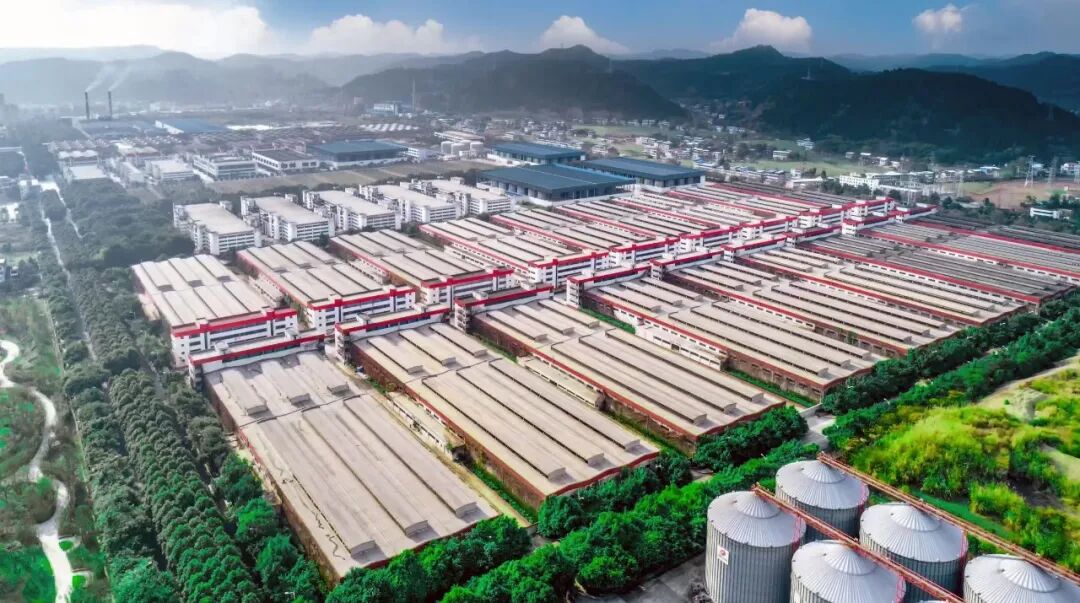
9月29日,舍得酒业召开2026年第二次临时股东会,审议通过董事会换届选举相关议案,产生第十二届董事会。同日召开的第十二届董事会第一次会议上,唐珲当选董事长,并继续兼任总裁。
这则公告放在2026年白酒行业的语境中,信息量远比表面看起来大。
据不完全统计,今年以来已有13家酒企更换董事长或总经理,洋河股份原总裁顾宇、衡水老白干原董事长刘彦龙、珍酒李渡原董事会副主席颜涛等多位深耕行业多年的老将先后卸任。密集换帅的背后,是行业从增量竞争转入存量博弈后的集体焦虑。
但舍得酒业的换届路径与众不同:没有空降外部“救火者”,没有老将被动退场后的仓促补位,而是让一位已经在总裁岗位上深耕近三年的职业经理人,顺理成章地接过董事长职务。这更像是一次水到渠成而非“临危受命”。
在酒业时报看来,这恰恰是舍得酒业换届最值得关注的维度——当行业普遍用“换人”来回应业绩压力时,舍得酒业选择用治理专业化来回应周期挑战。
两大股东同频:治理结构先于业绩反弹
新一届董事会共11人,非独立董事包括陈春林、陈毅杭、周波、唐珲、黄震、谭襄阳,独立董事包括刘海颖、郁震、谢佑平、叶巍岭,另有职工代表董事刘强。复星方面代表陈春林现任复星国际副总裁、集团联席CFO;射洪市政府方面推荐的谭襄阳,长期负责国有资产管理。
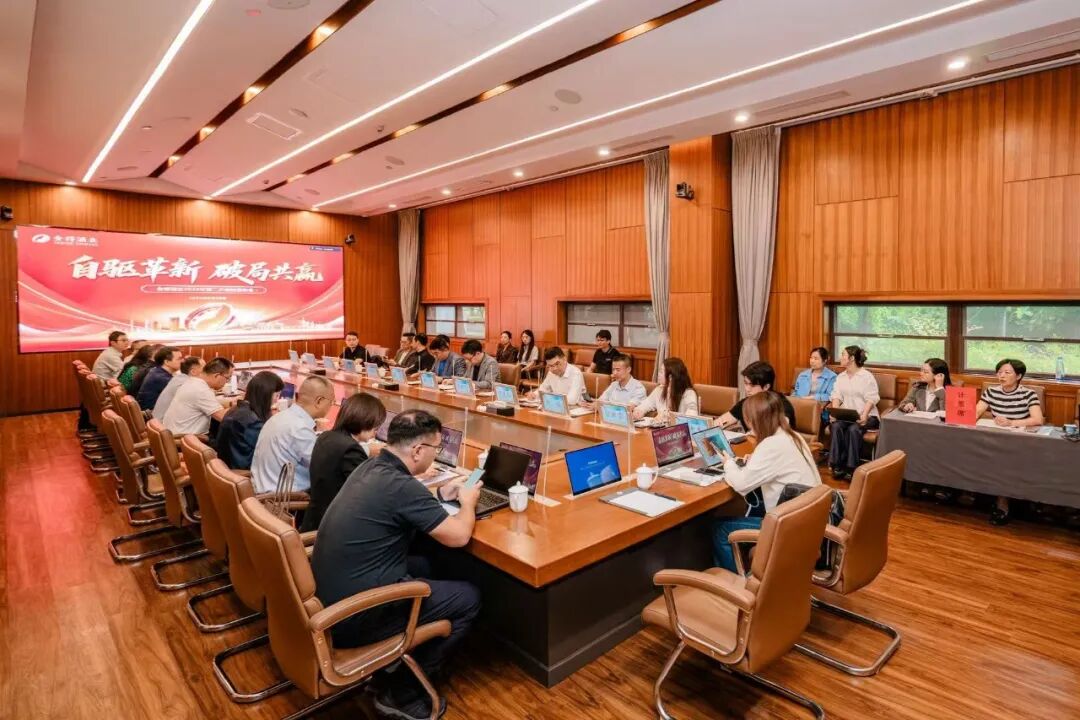
值得玩味的是这次人事安排背后的股东默契。在白酒行业,国资股东与产业资本之间因战略分歧而产生摩擦的案例并不少见,换届期往往是矛盾集中暴露的窗口期。而舍得酒业本次换届获得了复星和射洪市政府两大股东的一致认可,双方均表态将一如既往地对舍得酒业发展予以坚定支持。
这种共识本身,就是白酒上市公司治理中稀缺的“基础设施”。中国酒业分析师肖竹青对证券时报记者表示,董事会平稳换届、股东共识明确,能够打消渠道对于战略突变的顾虑,稳定经销商信心,有利于持续推进渠道库存消化、价盘修复工作。
唐珲的“宝洁基因”能给白酒带来什么?
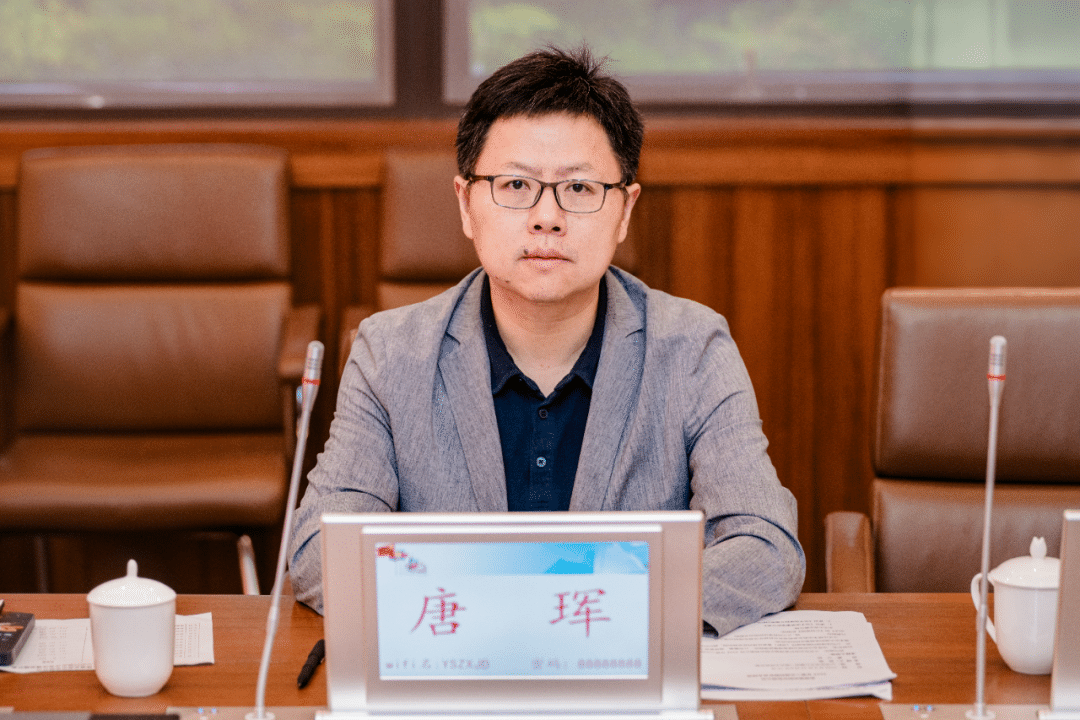
唐珲1980年出生,拥有约20年宝洁体系工作经验,历任宝洁大中华区织物护理事业部营销总经理、分销商渠道销售副总裁、口腔护理事业群总裁等高级管理职务,2023年12月起担任舍得酒业总裁。
把这样一份履历放到白酒行业的人才图谱中打量,会发现它几乎是“异类”。在2026年酒企换帅潮中,被启用的新高管多为销售型白酒人才或地方国资系统管理者——水井坊聘任的干晓峰来自景芝白酒,五粮液新任董事长邓敏则是典型的地方国资系统产业管理者。唐珲的跨国快消企业背景,在白酒上市公司中仍属少数。
这种背景差异意味着什么?
宝洁体系被业界公认的核心能力是品牌管理和消费者洞察。唐珲在舍得酒业总裁任上,将管理抓手概括为产品力、品牌力、渠道力、组织力“四力提升”。这套方法论带有鲜明的跨国快消企业印记,与传统白酒行业依赖渠道压货、大商驱动的增长逻辑形成对照。
当白酒行业面临从“渠道为王”到“消费者为王”的转型命题时,唐珲的宝洁经验不再只是简历上的亮点,而可能成为舍得酒业在存量竞争中差异化竞争的底层能力。在酒业时报看来,这或许正是两大股东愿意让一位非白酒出身的职业经理人“一肩挑”的深层原因。
兼任背后的治理逻辑变化
唐珲此次兼任董事长和总裁,还有一个容易被忽略的背景:这是复星入主舍得以来,公司首次打破决策权与经营权分设的治理模式。
此前舍得酒业的治理架构中,董事长和总裁分设,蒲吉洲担任董事长把握战略方向,唐珲以总裁身份负责经营管理。新架构下,唐珲一人统筹决策与执行,决策链路被显著压缩。
这不是简单的权力集中。在行业调整期,企业面临的经营决策需要更快响应速度——控量挺价的节奏把握、渠道库存的动态管理、产品结构的灵活调整,都对决策效率提出了更高要求。当前舍得酒业采取的“稳价格、控库存、强动销”经营原则,需要在终端市场快速落地,冗长的决策链条可能成为执行的掣肘。
但硬币的另一面是:权力集中也意味着容错空间收窄。2026年上半年,舍得酒业实现营业收入22.87亿元,同比下降15.34%;归母净利润1.45亿元,同比下降67.26%。尽管一季度出现阶段性回暖,营收环比提升106.45%,单季盈利水平亮眼,但行业整体的调整深度和持续时间仍存在不确定性。新治理架构能否帮助公司在市场波动中做出更精准的判断,需要时间来验证。
穿越周期靠什么?不只是人
舍得酒业在2025年年报中披露,公司管理费用同比下降12.39%,总资产同比增长6.89%至126.15亿元。这些数据指向一个事实:唐珲担任总裁的近三年里,精益化管理已经在逐步渗透到这家白酒企业的日常运营中。
更值得关注的是产品结构的变化。2026年上半年,中高档酒收入约15.39亿元,同比下降约22%;普通酒收入约4.98亿元,同比增长11.97%;电商渠道收入同比增长18.41%。舍得主品牌承压的同时,沱牌大众酒和电商渠道成为“稳定器”。
在酒业时报看来,这种结构分化恰恰说明,当前白酒行业的核心矛盾并非简单的“高端化遇阻”,而是消费分层加剧下的需求重新匹配。谁能更快识别并响应这种变化,谁就更有可能在下一轮周期中占据先机。唐珲在2026年经营主线上提出“极致质价比”和加强核心战略大单品打造,方向对了,接下来的考验在于执行速度和渠道配合度。
换届尘埃落定,治理架构就位,但真正决定舍得酒业能否穿越周期的,不是董事会的名单,而是这套专业化治理体系能否在每一次市场波动中做出比竞争对手更快的反应、更准的判断。
一个值得后续追踪的问题是:唐珲的宝洁式方法论,在白酒这个讲究“人情、关系、圈层”的行业里,将带领舍得酒业创造什么样的新辉煌?
(本文综合公开行业资讯整理,信息/数据来源:上海证券报、证券时报、新华网、每日经济新闻、大河财立方、舍得酒业公告等)
On September 29, Shede Spirits held its second extraordinary shareholders’ meeting of 2026, approving proposals related to the election of a new board of directors and forming the 12th Board of Directors. At the first meeting of the 12th Board held the same day, Tang Hui was elected Chairman and continued to serve concurrently as President.
Placed in the context of the 2026 baijiu industry, this announcement carries far more information than meets the eye. According to incomplete statistics, 13 liquor companies have changed their chairman or general manager this year, with several veterans who had deeply cultivated the industry for years stepping down, including former Yanghe President Gu Yu, former Hengshui Laobaigan Chairman Liu Yanlong, and former ZJLD Vice Chairman Yan Tao. Behind this密集 wave of leadership changes lies a collective anxiety as the industry shifts from incremental competition to stock-market competition.
But Shede Spirits’ transition path is different: there was no parachuted external “firefighter,” no hasty replacement after a veteran’s passive departure, but rather a professional manager who had already been deeply rooted in the president role for nearly three years, naturally assuming the chairmanship. This is more a matter of course than a “mission in a crisis.”
In the view of JiuYe Times, this is precisely the most noteworthy dimension of Shede Spirits’ board transition — while the industry generally responds to performance pressure with “changing people,” Shede Spirits has chosen to respond to cyclical challenges with governance professionalisation.
Two Major Shareholders in Sync: Governance Structure Precedes Performance Rebound
The new board consists of 11 members. Non-independent directors include Chen Chunlin, Chen Yihang, Zhou Bo, Tang Hui, Huang Zhen, and Tan Xiangyang; independent directors include Liu Haiying, Yu Zhen, Xie Youping, and Ye Weiling; and there is also employee representative director Liu Qiang.
Fosun’s representative Chen Chunlin currently serves as Vice President of Fosun International and Co-CFO of the group; Tan Xiangyang, recommended by the Shehong Municipal Government, has long been responsible for state-owned asset management.
What is intriguing is the shareholder tacit understanding behind this personnel arrangement. In the baijiu industry, cases of friction between state-owned shareholders and industrial capital due to strategic disagreements are not uncommon, and board transition periods are often windows when conflicts are concentratedly exposed. However, Shede Spirits’ current transition has won unanimous recognition from both major shareholders, Fosun and the Shehong Municipal Government, with both expressing firm support for Shede Spirits’ development as always. This consensus itself is a scarce “infrastructure” in the governance of listed baijiu companies.
Xiao Zhuqing, a Chinese liquor industry analyst, told Securities Times that a smooth board transition and clear shareholder consensus can dispel channel concerns about sudden strategic changes, stabilise distributor confidence, and facilitate the continued advancement of channel inventory digestion and pricing system repair.
What Can Tang Hui’s “P&G DNA” Bring to Baijiu?
Tang Hui was born in 1980 and has approximately 20 years of experience in the P&G system, having held senior management positions including Marketing General Manager of P&G Greater China Fabric Care, Vice President of Distributor Channel Sales, and President of the Oral Care Business Group. He has served as President of Shede Spirits since December 2023.
Placing such a resume in the talent map of the baijiu industry reveals that it is almost an “outlier.” In the 2026 wave of liquor company leadership changes, most newly appointed executives are sales-oriented baijiu talents or local state-owned asset system managers — Swellfun’s appointee Gan Xiaofeng came from Jingzhi Baijiu, while Wuliangye’s new Chairman Deng Min is a typical local state-owned asset system industrial manager. Tang Hui’s multinational FMCG background remains a minority among listed baijiu companies.
What does this background difference mean? The P&G system’s core competency is widely recognised as brand management and consumer insight. During his tenure as President of Shede Spirits, Tang Hui summarised his management approach as the “four forces improvement”: product force, brand force, channel force, and organisational force. This methodology bears a distinct multinational FMCG imprint, contrasting with the traditional baijiu industry’s growth logic reliant on channel inventory loading and major distributor drivers.
As the baijiu industry faces the transformation proposition from “channel is king” to “consumer is king,” Tang Hui’s P&G experience is no longer just a highlight on his resume, but may become the underlying capability for Shede Spirits’ differentiated competition in the stock-market competition. In the view of JiuYe Times, this may precisely be the deep reason why the two major shareholders are willing to let a professional manager without a baijiu background “shoulder both roles.”
The Governance Logic Change Behind the Concurrent Roles
Tang Hui’s concurrent role as both Chairman and President has another easily overlooked background: this is the first time since Fosun took control of Shede that the company has broken the governance model of separating decision-making power from operational power. Previously, Shede Spirits’ governance structure had separate Chairman and President roles, with Pu Jizhou as Chairman grasping strategic direction and Tang Hui as President responsible for business operations. Under the new structure, Tang Hui alone coordinates decision-making and execution, significantly compressing the decision-making chain.
This is not simply a concentration of power. During an industry adjustment period, business decisions facing enterprises require faster response speeds — the pacing of volume control and price support, dynamic management of channel inventory, and flexible adjustment of product structure all place higher demands on decision-making efficiency. The current operating principles of Shede Spirits — “stabilise prices, control inventory, strengthen sell-through” — need to be rapidly implemented in terminal markets, and lengthy decision-making chains can become a constraint on execution.
But the other side of the coin is that concentrated power also means narrowed room for error. In the first half of 2026, Shede Spirits achieved operating revenue of RMB 2.287 billion, down 15.34% year-on-year; net profit attributable to shareholders was RMB 145 million, down 67.26% year-on-year. Although there was a phased recovery in the first quarter, with revenue rising 106.45% quarter-on-quarter and a standout single-quarter profit level, the depth and duration of the industry’s overall adjustment remain uncertain. Whether the new governance structure can help the company make more precise judgements amid market fluctuations requires time to verify.
What Does It Take to Transcend Cycles? Not Just People
Shede Spirits disclosed in its 2025 annual report that the company’s administrative expenses fell 12.39% year-on-year, and total assets grew 6.89% year-on-year to RMB 12.615 billion. These figures point to a fact: during Tang Hui’s nearly three years as President, lean management has gradually permeated the daily operations of this baijiu enterprise.
More noteworthy is the change in product structure. In the first half of 2026, mid-to-high-end liquor revenue was approximately RMB 1.539 billion, down approximately 22% year-on-year; ordinary liquor revenue was approximately RMB 498 million, up 11.97% year-on-year; e-commerce channel revenue grew 18.41% year-on-year. While the Shede main brand was under pressure, Tuopai mass-market liquor and e-commerce channels became “stabilisers.”
In the view of JiuYe Times, this structural divergence precisely indicates that the core contradiction in the current baijiu industry is not simply “premiumisation encountering obstacles,” but the re-matching of demand amid intensifying consumption stratification. Whoever can identify and respond to this change faster is more likely to seize the initiative in the next cycle.
Tang Hui proposed “ultimate value for money” and strengthened the development of core strategic flagship products on his 2026 business mainline. The direction is right; the next test lies in execution speed and channel cooperation.
The board transition has settled, and the governance structure is in place. But what truly determines whether Shede Spirits can transcend the cycle is not the list of board members, but whether this professionalised governance system can make faster responses and more accurate judgements than competitors in every market fluctuation.
A question worth tracking: what new glory will Tang Hui’s P&G-style methodology lead Shede Spirits to create in the baijiu industry, which emphasises “human connections, relationships, and circles”?
(This article is compiled from publicly available industry information. Sources/Data: Shanghai Securities News, Securities Times, Xinhua News Agency, National Business Daily, Dahe Caifang, Shede Spirits announcements, etc.)
原创文章版权归本网所有;转载文章归原作者所有。发布者:酒业时报,转载请注明出处:https://www.thewinetimes.com/gongsi/12994