2026年7月18日零点,i茅台上的飞天茅台从1539元涨到1639元。评论区里,一片“意料之中”。
真正让行业侧目的,是几天后浮出水面的另一个数字——1719元。这是茅台线下自营店的团购新价,四川、安徽等多地自营店本月货源已售罄,8月起统一执行。
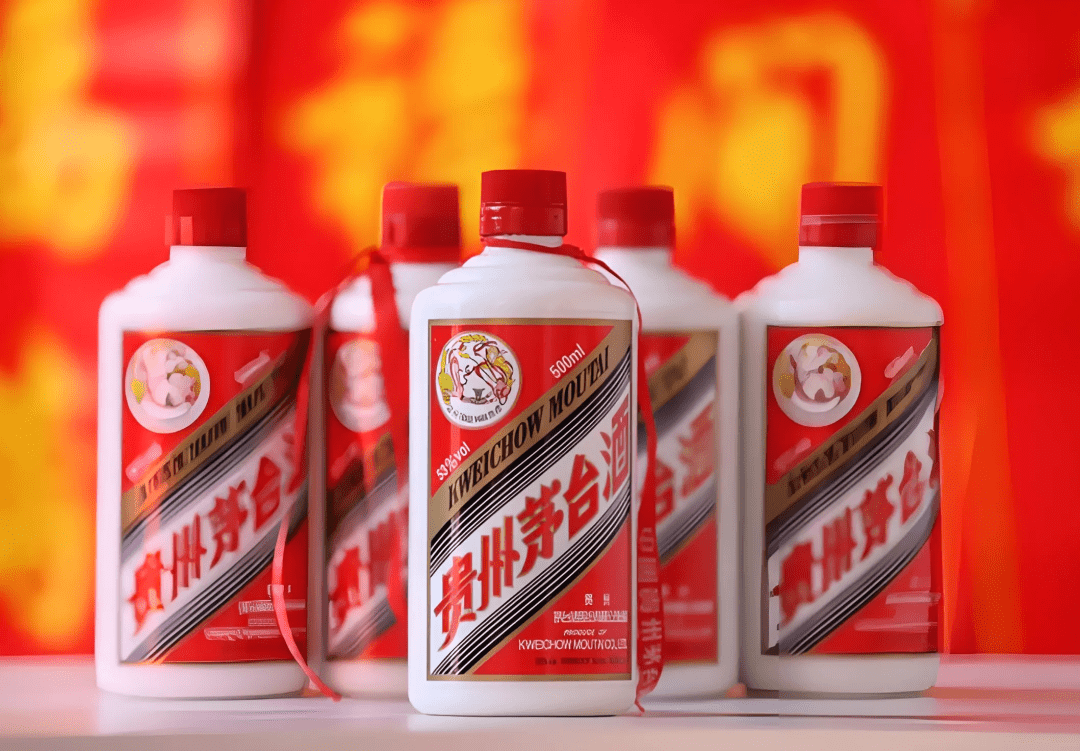
两个数字,相差80元。就是这80元,拼出了茅台自营零售体系的完整图谱,也宣告了一个时代的终结:那个靠一个“指导价”管全国、管八年的日子,彻底结束了。1499元死了。
茅台价格管理的四次迭代
要理解这80元的战略意图,得先回到1988年。
那年国家放开名酒价格,茅台零售价从几十元跳到140元。此后三十多年,茅台的价格管理经历了四轮迭代——
第一轮是“计划放开”(1988-2012)。价格跟着市场走,茅台从140元涨到819元,出厂价几乎每年都在动。那时候没有“指导价”这个概念,价高价低,供需说了算。
第二轮是“指导价的诞生”(2012-2018)。2012年指导价1299元,2018年1月调到1499元。这个价格的设定,本意是保护消费者、规范市场。但谁也没想到,它会变成一个看得见、摸不着的“幽灵价格”。消费者抢不到,经销商不敢卖,黄牛靠它套利,酒厂被它绑架。
第三轮是“只提出厂、不动指导”(2018-2025)。2023年11月1日,出厂价从969元涨到1169元,但1499元市场指导价纹丝未动。出厂价和真实市场价之间的裂缝越来越大,最高时超过1000元。这1000元被渠道、黄牛、灰色利益链条分食殆尽。茅台赚的是出厂价,消费者掏的是市场价,中间的差价成了整个行业的“黑箱”。
第四轮,就是现在——“共识价时代”(2026至今)。
转折点出现在2025年12月。第三方平台“今日酒价”数据显示,飞天茅台散瓶批价跌至1485元/瓶,原箱1495元/瓶,双双跌破1499元官方指导价。这是2018年设定1499元以来,指导价第一次被击穿。彼时,1499元已经从“价格天花板”变成了“心理地板”。
茅台必须做点什么了。
半年两次调价:不是急,是醒
2026年1月13日,茅台董事会审议通过《2026年贵州茅台酒市场化运营方案》(1月14日为公告披露日),八个字定调:“随行就市、量价平衡”。
1月1日,i茅台上架1499元飞天。3月31日,零售价调到1539元,合同价调到1269元。7月18日,再调到1639元和1369元。自营渠道零售价半年内两次调整,频率之高,在茅台历史上并不多见。

但这不是“急”,这是“醒”。
茅台终于意识到:在存量竞争时代,价格不是“定”出来的,是“发现”出来的。以前那套“几年一调、一调管几年”的静态定价,在信息透明、渠道多元的今天已经失灵。你定1499元,市场卖2500元,你的定价权就是一张废纸;你定1499元,市场跌到1400元,你的品牌溢价就是一句笑话。
价格管理的本质,不是对抗市场,而是与市场共舞。
1639与1719:两种场景,两个锚点
现在来看这80元的价差,门道极深。
1639元,锚定的是线上公平购酒场景。据行业数据,近期飞天茅台散瓶批价集中在1640-1660元区间,1639元正是对这一行情的精准贴近。这意味着i茅台上的飞天不再是“便宜货”,而是“公允价”。黄牛从i茅台抢到酒转手卖出,单瓶利润被压缩到11元至41元,炒作空间几乎归零。套利链条被斩断,消费者终于能在线上以合理的价格公平买到真茅台。
1719元,锚定的是线下即时消费场景。据行业调研,53度500ml飞天茅台终端实际成交价普遍在1720元至1780元区间。1719元正是对这一真实成交价的精准接轨。企业采购、商务宴请、即时用酒——这些场景的核心诉求不是“便宜”,而是“保真”和“即时”。1719元比i茅台贵80元,但这80元买的是“到店即取、保真溯源、场景适配”。更重要的是,它给传统社会渠道留出了合理的利润空间。
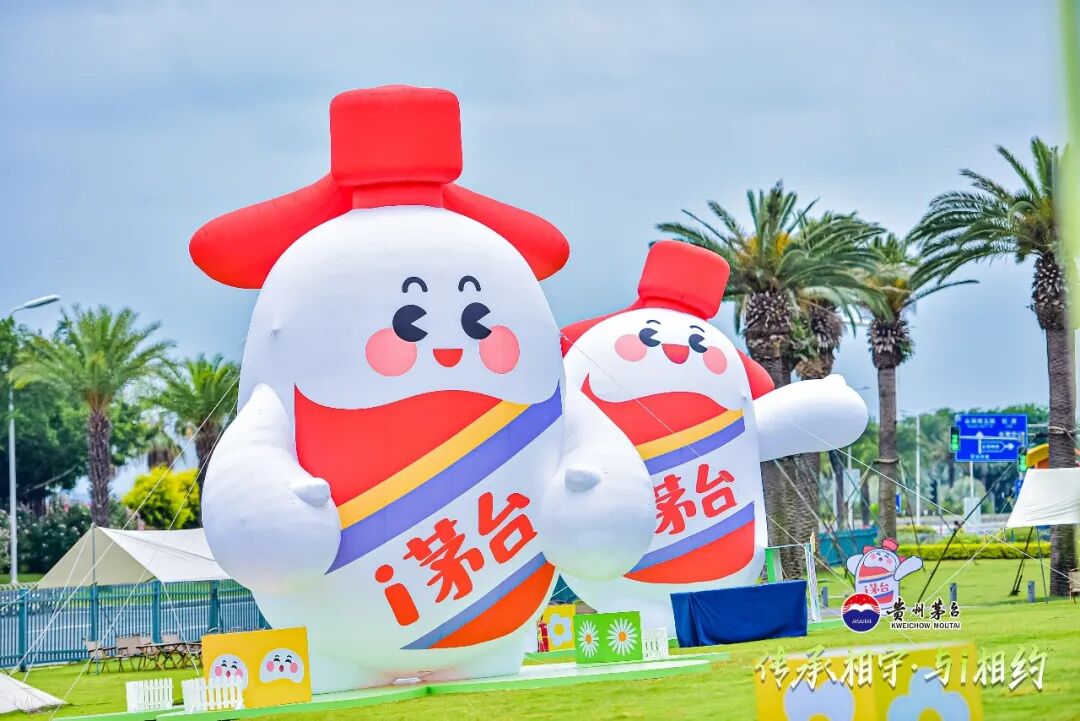
线上管公平、管触达,线下管场景、管服务。一个锚定批发行情,稳预期、斩黄牛;一个锚定终端成交,接场景、留利润。这不是简单的“双轨制”,而是茅台在自营体系内对不同渠道功能的精准切分。
在酒业时报看来,这套机制的本质,是让价格从“厂家说了算”变成“市场说了算”。1639元不是茅台“想”卖这个价,是市场“告诉”茅台这个价合理;1719元不是茅台“硬要”卖这个价,是终端消费者“认可”这个价。
从“制定价格”到“发现价格”,这是定价权的范式转移。
经销商不是输家,是解套者
很多人以为,茅台自营渠道价格调整,经销商要倒霉。恰恰相反,在酒业时报看来,经销商恰恰是这轮改革最大的受益者之一。
以前1499元指导价悬在头上,市场价动辄两三千元,中间巨大的差价全被黄牛和灰色渠道吃掉,经销商反而成了“背锅侠”——消费者骂你加价,酒厂压你任务,夹在中间两头受气。现在1639元贴近批价,1719元贴近终端价,价差透明了,利润可预期了,经销商从“倒爷”变成了“服务商”。
茅台集团党委书记、董事长陈华在2025年12月召开的经销商联谊会上说得明白:将“以消费者为中心、推进市场化转型”作为首要任务,通过一系列市场化改革措施,让消费者能够公平、快捷、保真地买到茅台酒。公平、快捷、保真——这三件事,靠的不是道德呼吁,靠的是价格机制的设计。
当价格真实反映供需,当渠道利润阳光化,经销商才能真正沉下心来做服务、做圈层、做消费者运营。这才是白酒渠道的健康生态。
存量周期的定价权之战
白酒行业正在经历一场深刻的价值重构。
增量时代,酒企的逻辑是“铺货、压库、涨价”,渠道的逻辑是“囤货、等涨、甩货”。大家都赚的是“时间差”和“信息差”的钱。存量时代,这套玩法玩不下去了。消费者越来越理性,信息越来越透明,渠道库存越来越高。所有酒企都面临同一个问题:价格到底谁说了算?
茅台给出了一个答案——不是酒厂单方面说了算,也不是经销商和黄牛说了算,而是让真实供需说了算。
群益证券研报指出,本次提价以行情价为参照点,对提升消费者公平购酒机会、回收产品定价权、压缩炒作空间起到帮助。浙商证券研报则认为,茅台价格动态调整机制已初步形成,未来或将常态化。
在酒业时报看来,茅台这套“双锚定价”机制,很可能成为高端白酒价格管理的行业范式。未来,“指导价”这个概念会渐渐淡出,取而代之的是“共识价”——一个由官方渠道、市场流通、终端消费三方共同博弈、实时校准的价格体系。这不是茅台一家的胜利,而是整个行业从“渠道博弈”进入“消费者主权时代”的标志。
可以说,1499元死了。但它死得其所。
它的死亡,换来的是一个更真实、更透明、更有韧性的价格体系。一瓶飞天茅台,终于从“计划经济的最后堡垒”,变成了“市场经济的定价标杆”。
线下自营店1719元的价格已经明确,后续会随真实成交价上下浮动,比i茅台更快更灵。这意味着茅台的价格体系正在从“静态计划”走向“动态校准”,从“年度调整”走向“实时响应”。
1639元托住的是价格底线与公平预期,1719元接住的是市场真实与消费场景。在1639与1719之间,是茅台对“经典”二字最克制的注解——不脱离市场,不背离消费者,让价格真正成为价值的镜子。
经典之所以是经典,从来不是因为一成不变。而是因为在每一个时代,它都懂得如何与时代对话。
At midnight on July 18, 2026, the price of Feitian Moutai on iMoutai rose from RMB 1,539 to RMB 1,639. In the comments section, the sentiment was uniformly one of “expected.”
What truly caught the industry’s attention, however, was another number that surfaced a few days later – RMB 1,719. This is the new group purchase price at Moutai’s offline self-operated stores. Multiple self-operated stores in Sichuan, Anhui, and other regions have already sold out this month’s supply, and will uniformly implement the new price starting in August.
The two numbers are RMB 80 apart.
It is this RMB 80 that has pieced together the complete picture of Moutai’s self-operated retail system, and signalled the end of an era: the days of a single “guidance price” governing the entire country for eight years are definitively over.
1499 yuan is dead.
Part 01: Four Iterations of Moutai’s Price Management
To understand the strategic intent behind this RMB 80 gap, we must first go back to 1988. That year, the state lifted price controls on famous liquors, and Moutai’s retail price jumped from a few dozen yuan to RMB 140.
Over the following three decades, Moutai’s price management underwent four rounds of iteration.
The first was “deregulation” (1988–2012). Prices followed the market, with Moutai climbing from RMB 140 to RMB 819, and the ex-factory price moving almost annually. Back then, there was no concept of a “guidance price” – prices were high or low depending on supply and demand.
The second was “the birth of the guidance price” (2012–2018). In 2012, the guidance price was RMB 1,299, and in January 2018, it was raised to RMB 1,499. The original intention behind setting this price was to protect consumers and regulate the market. But no one anticipated that it would turn into a “phantom price” – visible yet unattainable. Consumers couldn’t buy at it, distributors dared not sell at it, scalpers profited from it, and the distillery was held hostage by it.
The third was “adjusting ex-factory price while leaving guidance price untouched” (2018–2025). On November 1, 2023, the ex-factory price was raised from RMB 969 to RMB 1,169, but the RMB 1,499 market guidance price remained completely unchanged. The gap between the ex-factory price and the actual market price widened further, at times exceeding RMB 1,000. This RMB 1,000 was devoured by channels, scalpers, and grey-market profit chains. Moutai captured the ex-factory price, consumers paid the market price, and the difference became the industry’s “black box.”
The fourth iteration is the current one – the “consensus price” era (2026–present).
The turning point came in December 2025. Data from third-party platform “Today’s Liquor Price” showed that the wholesale price of loose bottles of Feitian Moutai fell to RMB 1,485 per bottle, and original cases to RMB 1,495, both breaching the RMB 1,499 official guidance price. This was the first time since the RMB 1,499 guidance price was set in 2018 that it had been broken through.
At that moment, RMB 1,499 had already transformed from a “price ceiling” into a “psychological floor.” Moutai had to do something.
Part 02: Two Price Adjustments in Six Months – Not Panic, But Awakening
On January 13, 2026, Moutai’s board of directors approved the “2026 Kweichow Moutai Market-Oriented Operation Plan” (disclosed on January 14), setting the tone with eight words: “Market-based pricing with supply-demand balance.”
On January 1, iMoutai listed Feitian at RMB 1,499.
On March 31, the retail price was raised to RMB 1,539, and the contract price to RMB 1,269.
On July 18, they were raised again to RMB 1,639 and RMB 1,369.
Two adjustments to self-operated channel retail prices within six months – a frequency rarely seen in Moutai’s history. But this is not “panic” – it is “awakening.”
Moutai has finally realised that in the era of stock-market competition, prices are not “set” – they are “discovered.” The old static pricing model of “one adjustment every few years, one price governing for years” no longer works in today’s environment of information transparency and channel diversity. If you set RMB 1,499 and the market trades at RMB 2,500, your pricing power is worthless. If you set RMB 1,499 and the market falls to RMB 1,400, your brand premium is a joke.
The essence of price management is not to fight the market, but to dance with it.
Part 03: 1,639 and 1,719 – Two Scenarios, Two Anchors
Now look at this RMB 80 price gap – it carries profound strategic logic.
RMB 1,639 anchors the online fair-purchase scenario. According to industry data, recent wholesale prices for loose Feitian Moutai have been concentrated in the RMB 1,640–1,660 range. RMB 1,639 represents a precise alignment with this market reality. This means Feitian on iMoutai is no longer a “bargain” but a “fair price.” Scalpers who buy from iMoutai and resell earn a margin of only RMB 11 to RMB 41 per bottle – speculative space has been virtually eliminated. The arbitrage chain is severed, and consumers can finally buy genuine Moutai online at a reasonable price, on a fair basis.
RMB 1,719 anchors the offline immediate-consumption scenario. According to industry research, the actual transaction price of 53% 500ml Feitian Moutai at the terminal level generally falls in the RMB 1,720–1,780 range. RMB 1,719 represents a precise alignment with this real transaction price. Corporate procurement, business banquets, immediate consumption – the core needs in these scenarios are not “cheapness” but “authenticity” and “immediacy.” RMB 1,719 is RMB 80 more expensive than iMoutai, but that RMB 80 buys “on-site pickup, authenticated traceability, and scenario fit.” More importantly, it leaves reasonable profit margins for traditional social channels.
Online channels manage fairness and reach; offline channels manage scenarios and service. One anchors wholesale market conditions to stabilise expectations and eliminate scalpers; the other anchors terminal transactions to capture scenarios and preserve margins. This is not a simple “dual-track system” – it is Moutai’s precise segmentation of different channel functions within its self-operated system.
In the view of JiuYe Times, the essence of this mechanism is to shift pricing from “what the manufacturer says” to “what the market says.” RMB 1,639 is not what Moutai “wants” to sell at – it is what the market “tells” Moutai is reasonable. RMB 1,719 is not what Moutai “insists” on selling at – it is what terminal consumers “recognise” as acceptable. From “setting prices” to “discovering prices” – this is a paradigm shift in pricing power.
Part 04: Distributors Are Not Losers – They Are the Ones Being Unshackled
Many assume that Moutai’s self-operated channel price adjustments would spell trouble for distributors.
On the contrary – in the view of JiuYe Times, distributors are actually among the biggest beneficiaries of this reform.
Previously, the RMB 1,499 guidance price hung over their heads like a sword, while the market price often reached two to three thousand yuan. The enormous spread was entirely captured by scalpers and grey-market channels. Distributors became the “fall guys” – consumers accused them of price gouging, the distillery pressured them with sales targets, leaving them caught in the middle.
Now, with RMB 1,639 aligned with wholesale prices and RMB 1,719 aligned with terminal prices, the spread is transparent and profits are predictable. Distributors have been transformed from “middlemen” to “service providers.”
Chen Hua, Party Secretary and Chairman of Moutai Group, made it clear at the December 2025 distributor symposium: the primary task is to “put consumers at the centre and advance market-oriented transformation,” adopting a series of market-based reform measures to enable consumers to buy Moutai fairly, quickly, and authentically.
Fairly, quickly, authentically – these three things cannot be achieved through moral appeals alone. They require proper price mechanism design. When prices truly reflect supply and demand, and when channel profits are transparent, distributors can finally focus on service, community building, and consumer engagement. This is what a healthy liquor channel ecosystem looks like.
Part 05: The Battle for Pricing Power in a Stock-Market Era
The baijiu industry is undergoing a profound value restructuring.
In the growth era, the distillery logic was “distribution, inventory loading, price hikes,” and the channel logic was “hoarding, waiting for appreciation, offloading.” Everyone profited from “timing differentials” and “information asymmetries.”
In the stock-market era, this playbook no longer works. Consumers are more rational, information is more transparent, and channel inventories are mounting. Every distillery faces the same question: who ultimately determines prices?
Moutai has offered an answer – not the distillery acting unilaterally, not the distributors and scalpers, but real supply and demand.
A research note from Concorde Securities pointed out that this price increase, benchmarked against prevailing market prices, helps improve consumers’ fair access to Moutai, recaptures product pricing power, and compresses speculative space. A note from Zheshang Securities suggested that Moutai’s dynamic price adjustment mechanism has taken initial shape and may become a normalised practice going forward.
In the view of JiuYe Times, Moutai’s “dual-anchor pricing” mechanism is likely to become an industry paradigm for premium baijiu price management. Going forward, the concept of a “guidance price” will gradually fade, replaced by a “consensus price” – a system dynamically calibrated through the interplay of official channels, market circulation, and terminal consumption.
This is not just Moutai’s victory – it is a marker of the industry’s transition from “channel gaming” to the “era of consumer sovereignty.”
Indeed, RMB 1,499 is dead. But it died a meaningful death. Its demise has given way to a more authentic, more transparent, and more resilient pricing system.
A bottle of Feitian Moutai has finally evolved from “the last fortress of a planned economy” into “the pricing benchmark of a market economy.”
The RMB 1,719 price at offline self-operated stores is now established, and will subsequently fluctuate with actual transaction prices – more agile and responsive than iMoutai. This signals that Moutai’s pricing system is moving from “static planning” to “dynamic calibration,” from “annual adjustments” to “real-time responsiveness.”
RMB 1,639 underpins the price floor and fair-access expectations; RMB 1,719 anchors market reality and consumption scenarios.
Between RMB 1,639 and RMB 1,719 lies Moutai’s most restrained interpretation of “classic” – neither detached from the market nor out of step with consumers, allowing price to truly become the mirror of value.
A classic endures not because it remains unchanged, but because in every era, it knows how to converse with its time.
原创文章版权归本网所有;转载文章归原作者所有。发布者:酒业时报,转载请注明出处:https://www.thewinetimes.com/gongsi/11726