从两场电商战役,看酱酒品牌渠道效率的底层逻辑。中秋旺季,白酒行业整体销售额下滑约25%的背景下,国台却交出了同比105%增长的电商战报。这不是偶然的流量红利,而是一场关于渠道效率的深层变革。
两个关键数据,不止是“卖得好”
先看两组数字。9月14日至19日,国台在“京东超市大牌日”期间,实际销售出库总额突破1200万元,同比增长105%,核心单品国台国标销售超300万元。紧接着,9月12日至25日,国台参与抖音商城超级品牌日,总GMV突破4700万元,品牌曝光超1.3亿次。
单看增速,105%已经很扎眼。但更值得关注的是数字背后的行业坐标——据盛初集团董事长王朝成公布的调研数据,今年中秋和国庆市场白酒整体销售额下滑约25%,主要与团购和政务市场的大幅萎缩有关。
一个在收缩的市场里跑出翻倍增长,这就不只是“卖得好”能解释的了。
在酒业时报看来,国台这轮电商爆发的本质,是渠道效率的胜出,而非单纯的流量红利。当行业多数企业还在纠结“要不要做电商”的时候,国台已经在解决“怎样把电商做对”的问题了。
产品分层策略,才是增长的“暗线”
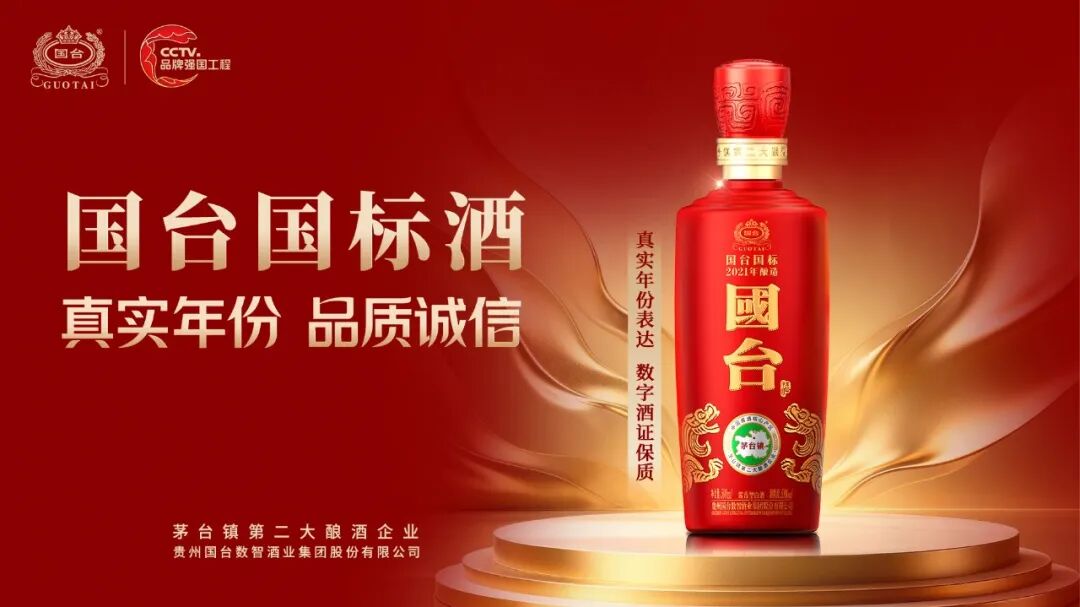
很多人看战报只看GMV,但真正值得拆解的是“什么产品在卖”。国台国标单品在京东大牌日销售超300万元,占到总出库额的近四分之一。这个比例透露了一个关键信号:国台的线上增长不是靠低价清库存拉动的,而是核心大单品在线上真正立住了。
这背后是一套有意识的产品分层设计。2025年3月,国台发布了三款国台国标线上专销版,专门针对线上渠道定制,并配套了一件代发、溯源探厂直播等运营模式。到了2026年3月,国台进一步推出花开富贵、紫气东来、鸿运高照三款线上专销产品,酒体与线下国台国标保持一致,但包装和规格专为线上消费场景设计。
这套打法的精妙之处在于:用与线下同质的酒体维护品牌价格锚点,用差异化的包装和产品组合满足线上消费者的审美和购买习惯。既避免了线上线下左右手互搏的价格战,又让线上渠道有了专属的产品支撑,不至于沦为线下滞销品的“下水道”。
 酒业时报认为,白酒行业做电商最大的隐性成本不是流量费,而是价格体系的失控风险。天风证券研报就曾指出,传统电商平台名酒价格频频击穿底线,主因经销商库存压力下的抛货行为与平台补贴引流。而国台通过专销版产品矩阵,实际上在渠道之间建立了一道“防火墙”。这不是简单的渠道区隔,而是对品牌定价权的主动保护。
抖音4700万背后的内容能力
如果说京东大牌日考验的是平台运营能力,那抖音超品日的4700万GMV则检验的是内容能力。1.3亿次品牌曝光、4700万元GMV——这两个数字放在一起看,意味着国台在抖音上的转化链路已经跑通了。不是靠买流量砸出来的短期爆发,而是“内容种草—直播转化—复购沉淀”的完整闭环在发挥作用。
放在行业背景下看,这个成绩尤为难得。有数据显示,2025年抖音平台白酒类获客成本同比上涨40%,中小酒企投产比从早年的1:10跌至1:3甚至濒临亏损线。流量越来越贵,转化越来越难,这已经是白酒直播赛道的普遍困境。
国台的应对方式,不是拼投放,而是拼内容密度。从溯源探厂直播到撒贝宁探厂视频,国台在持续构建“品质可视化”的内容资产。这种做法和梅见青梅酒的打法有异曲同工之处——梅见之所以能在抖音果酒赛道拿下双榜第一,核心也在于通过内容种草持续蓄水,用品牌自播建立稳定的转化基本盘。
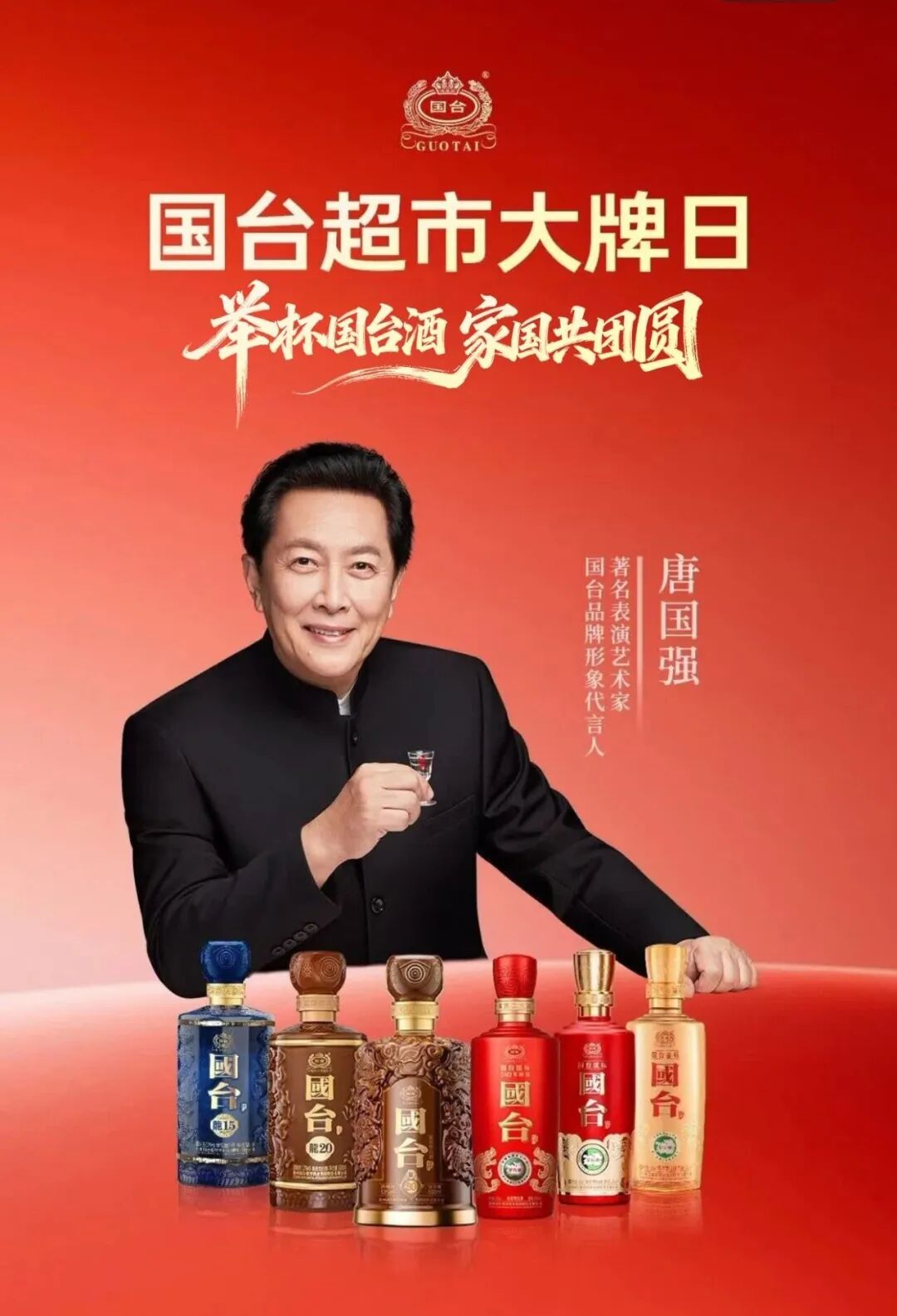
不同品类,同一逻辑:在抖音卖酒,内容力就是转化力。
国台此前已获得抖音年度行业大奖“酒水金樽奖”,这是抖音电商针对酒水品类设立的年度最高荣誉之一。从获奖到超品日的爆发,这条路径说明国台在抖音上的投入不是“试一试”,而是体系化的能力建设。
十年京东合作:长期主义者的回报
国台在京东超市大牌日的表现,如果放在十年的合作周期里看,会有更清晰的理解。国台与京东的合作已经走过十年。2026年5月,双方签署深化战略协议,从产品联合开发、会员体系共建到多元化联合营销,合作维度全面升级。京东超市酒类业务过去三年销售额实现200亿元跨越式增长,2025年线上市占率接近50%。
十年合作的价值,不在于某一次大牌日的爆发,而在于双方对彼此的理解深度。京东知道国台的用户画像是什么、哪些产品在什么节点最容易起量;国台也知道京东的流量分配逻辑和运营节奏。这种默契,不是新入局的品牌花几个月就能追上的。
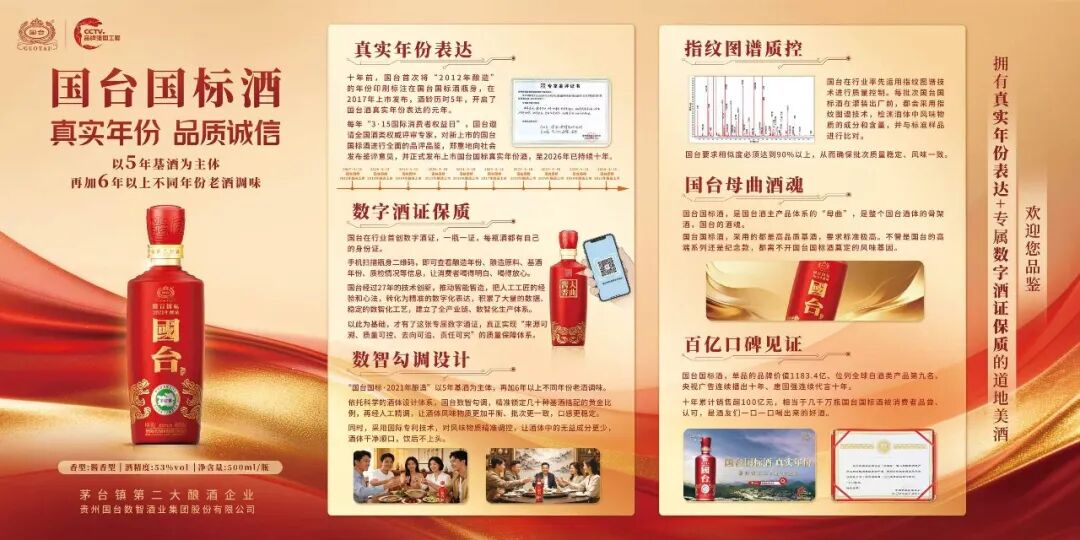
对比来看,茅台酱香酒京东旗舰店2025年销售同比增长650%,同样受益于与京东的深度合作。但国台的特殊之处在于,它是在酱酒品类整体承压的背景下实现增长的。2024年酱酒产量同比下降13.33%,这是近年来首次出现负增长。品类红利在消退,但渠道能力在补位。
酒业时报认为,国台与京东的十年关系,已经超越了简单的“品牌入驻平台”模式,更接近一种共生型的渠道伙伴关系。在这种关系里,品牌和平台共同承担增长风险,也共同分享增长收益。这在白酒行业里,仍然是一种稀缺的合作范式。
即时零售:下一个增长变量
如果说京东和抖音是国台电商的“基本盘”,那即时零售就是它正在布局的“增量盘”。2025年9月,国台与即时零售平台酒小二达成新零售战略合作,双方共同探索酒类电商新模式,并发布了联合打造的首款定制化战略新品“国台・东方青酝”。更早之前,国台还推动了“仓馆仓店联盟体”建设,将现有专卖店升级为“品牌体验馆+即时零售前置仓”,接入即时零售平台的流量池。
这不是国台一家的动作。2025年618期间,美团闪购白酒首12小时成交额大幅攀升;中秋国庆双节期间,美团闪购白酒品类销量同比增长约3倍。茅台酱香酒超900家门店同步入驻美团闪购,五粮液、泸州老窖等头部品牌也在加速布局。
国海证券研报预计,2027年我国酒类即时零售市场规模有望达1000亿元,复合增速有望接近中双位数。
但即时零售的意义,不只是多了一个卖货的渠道。它改变的可能是白酒渠道的底层逻辑——从“人找货”到“货找人”,从“计划性购买”到“即时性满足”。
国台在这个赛道上的布局,与其电商整体战略是一脉相承的:不是简单地把线下产品搬到线上卖,而是针对不同渠道的消费场景,开发适配的产品和服务模式。“国台・东方青酝”这样的定制化产品,就是这种思路的体现。
酒业时报观察:渠道效率决定酱酒下半场的座次
国台这轮电商增长,放在更大的行业语境里看,指向一个越来越清晰的趋势:白酒行业的渠道竞争,正在从“铺货能力”转向“效率能力”。
过去白酒企业拼的是谁能把货铺到更多的终端、更多的城市。但在消费理性化、渠道多元化的今天,铺货不再稀缺,高效触达目标消费者、高效完成转化、高效沉淀复购——这才是真正的壁垒。
国台在这场效率竞赛中展现出三个值得关注的能力:产品分层能力(专销版矩阵让线上线下不再打架)、内容运营能力(抖音转化链路已经跑通)、渠道融合能力(即时零售与线下门店的协同)。这三者叠加,构成了国台在线上渠道的系统性优势。
2025年,国台品牌价值达2361.26亿元,位列中国白酒第九名、贵州白酒第三名。在行业深度调整期实现品牌价值的逆势增长,这本身就是一个信号:具备渠道效率优势的品牌,正在获得更大的市场份额。
白酒行业从来不是一个赢家通吃的市场,但每一轮调整期,都会重新洗牌。那些在渠道效率上提前布局的企业,将更有机会在下一轮周期中占据有利位置。国台的电商战报,或许就是这场洗牌的一个注脚。
From Two E-Commerce Battles: The Underlying Logic of Channel Efficiency for Sauce-Aroma Baijiu Brands
During the Mid-Autumn peak season, against a backdrop of roughly 25% decline in overall baijiu industry sales, Guotai delivered an e-commerce report showing 105% year-on-year growth. This is not an accidental traffic dividend, but a profound transformation in channel efficiency.
Two Key Data Points: More Than Just “Selling Well”
Look at two sets of figures first. From September 14 to 19, during the “JD Supermarket Big Brand Day,” Guotai’s actual sales outbound total exceeded RMB 12 million, up 105% year-on-year, with core flagship product Guotai Guobiao selling over RMB 3 million. Immediately following, from September 12 to 25, Guotai participated in Douyin Mall’s Super Brand Day, achieving total GMV exceeding RMB 47 million and brand exposure surpassing 130 million impressions.
Looking at the growth rate alone, 105% is already striking. But what deserves more attention is the industry context behind these numbers — according to research data released by Wang Chaocheng, Chairman of Shengchu Group, overall baijiu sales in this year’s Mid-Autumn and National Day market declined approximately 25%, mainly related to the sharp contraction of group purchasing and government-related markets.
Achieving doubled growth in a contracting market cannot be explained by “selling well” alone.
In the view of JiuYe Times, the essence of Guotai’s e-commerce breakout is the victory of channel efficiency, not merely a traffic dividend. While most industry players are still debating “whether to do e-commerce,” Guotai is already solving the question of “how to do e-commerce right.”
Product Tiering Strategy: The Hidden Growth Line
Many people only look at GMV when reading sales reports, but what truly deserves analysis is “what products are selling.” Guotai Guobiao’s single-product sales during JD Big Brand Day exceeded RMB 3 million, accounting for nearly one-quarter of total outbound value. This ratio reveals a key signal: Guotai’s online growth is not driven by low-price inventory clearing, but by core flagship products genuinely establishing themselves online.
Behind this lies a deliberate product tiering design. In March 2025, Guotai released three Guotai Guobiao online-exclusive editions, specifically customised for online channels, supported by operational models including one-piece dropshipping and traceability factory livestreams. By March 2026, Guotai further launched three online-exclusive products — Blooming Prosperity, Purple Mist from the East, and Good Fortune Shines Bright — with liquor bodies consistent with offline Guotai Guobiao but packaging and specifications designed specifically for online consumption scenarios.
The brilliance of this approach lies in: using liquor bodies of the same quality as offline to maintain brand price anchors, while using differentiated packaging and product combinations to satisfy online consumers’ aesthetic and purchasing habits. This avoids the price war of online and offline competing against each other, while giving online channels dedicated product support, preventing them from becoming a “drain” for unsold offline inventory.
In the view of JiuYe Times, the biggest hidden cost for baijiu companies doing e-commerce is not traffic fees, but the risk of losing control over the pricing system. A Tianfeng Securities research report pointed out that premium liquor prices on traditional e-commerce platforms frequently break through bottom lines, mainly due to distributors dumping goods under inventory pressure and platform subsidies for traffic generation. Through its exclusive-edition product matrix, Guotai has effectively built a “firewall” between channels. This is not simple channel segmentation, but proactive protection of brand pricing power.
The Content Capability Behind Douyin’s RMB 47 Million
If JD Big Brand Day tests platform operation capability, then Douyin Super Brand Day’s RMB 47 million GMV tests content capability. 130 million brand impressions and RMB 47 million GMV — viewing these two numbers together means Guotai’s conversion pathway on Douyin has been fully validated. This is not a short-term burst bought through traffic spending, but a complete closed loop of “content seeding — livestream conversion — repurchase accumulation” at work.
Viewed against the industry backdrop, this achievement is particularly remarkable. Data shows that in 2025, customer acquisition costs for baijiu on Douyin increased 40% year-on-year, with small and medium-sized liquor companies seeing their ROI drop from early ratios of 1:10 to 1:3 or even approaching loss thresholds. Traffic is getting more expensive, conversion is getting harder — this is already a common predicament in the baijiu livestreaming space.
Guotai’s response is not to compete on ad spending, but to compete on content density. From traceability factory livestreams to Sa Beining’s factory visit video, Guotai is continuously building “quality visualisation” content assets. This approach shares similarities with Meijian green plum wine’s strategy — Meijian’s ability to capture the top spot on both Douyin fruit wine rankings is also fundamentally about continuously building content equity through seeding and establishing a stable conversion foundation through brand self-broadcasting.
Different categories, same logic: selling liquor on Douyin, content power is conversion power.
Guotai had previously won Douyin’s annual industry award, the “Liquor Golden Goblet Award,” one of the highest annual honours established by Douyin E-commerce for the liquor category. From winning the award to the Super Brand Day breakout, this path demonstrates that Guotai’s investment in Douyin is not “giving it a try,” but systematic capability building.
Ten Years of JD Cooperation: The Reward for Long-Termists
Guotai’s performance during JD Supermarket Big Brand Day becomes clearer when viewed within a ten-year cooperation cycle. Guotai’s partnership with JD has spanned a decade. In May 2026, the two parties signed a deepened strategic agreement, comprehensively upgrading cooperation dimensions from joint product development and member system co-building to diversified joint marketing. JD Supermarket’s liquor business has achieved leapfrog growth of RMB 20 billion in sales over the past three years, with online market share approaching 50% in 2025.
The value of a ten-year partnership lies not in a single Big Brand Day breakout, but in the depth of mutual understanding. JD knows what Guotai’s user profile looks like and which products are most likely to gain traction at which moments; Guotai also knows JD’s traffic allocation logic and operational rhythm. This tacit understanding cannot be caught up to by newly entering brands in just a few months.
By comparison, the Moutai Sauce-Aroma Liquor JD flagship store saw sales grow 650% year-on-year in 2025, also benefiting from deep cooperation with JD. But Guotai’s uniqueness lies in achieving growth against the backdrop of overall pressure on the sauce-aroma category. In 2024, sauce-aroma baijiu production declined 13.33% year-on-year — the first negative growth in recent years. Category dividends are receding, but channel capabilities are filling the gap.
In the view of JiuYe Times, Guotai’s ten-year relationship with JD has transcended the simple “brand入驻 platform” model, approaching a symbiotic channel partnership. In this relationship, brand and platform jointly bear growth risks and jointly share growth returns. This remains a scarce cooperation paradigm in the baijiu industry.
Instant Retail: The Next Growth Variable
If JD and Douyin are Guotai’s e-commerce “base,” then instant retail is the “incremental plate” it is laying out. In September 2025, Guotai reached a new retail strategic cooperation with instant retail platform Jiu Xiao Er, jointly exploring new liquor e-commerce models and releasing their first jointly developed customised strategic new product, “Guotai · Dongfang Qingyun.” Earlier, Guotai also promoted the construction of a “warehouse-store alliance,” upgrading existing specialty stores into “brand experience halls + instant retail front warehouses,” connecting to instant retail platforms’ traffic pools.
This is not Guotai’s move alone. During the 2025 618 shopping festival, Meituan Instashopping’s baijiu transaction volume surged significantly in the first 12 hours; during the Mid-Autumn and National Day double festival, Meituan Instashopping’s baijiu category sales grew approximately threefold year-on-year. Over 900 Moutai Sauce-Aroma Liquor stores simultaneously joined Meituan Instashopping, and leading brands including Wuliangye and Luzhou Laojiao are also accelerating their布局.
A Guohai Securities research report estimates that China’s liquor instant retail market is expected to reach RMB 100 billion by 2027, with a compound growth rate approaching the mid-teens.
But the significance of instant retail is not just an additional sales channel. What it may change is the underlying logic of baijiu channels — from “people finding products” to “products finding people,” from “planned purchasing” to “instant satisfaction.”
Guotai’s layout in this space is consistent with its overall e-commerce strategy: not simply moving offline products online to sell, but developing products and service models adapted to different channels’ consumption scenarios. Customised products like “Guotai · Dongfang Qingyun” embody this approach.
JiuYe Times Observation: Channel Efficiency Determines Rankings in the Second Half of Sauce-Aroma Competition
Guotai’s e-commerce growth, viewed in the broader industry context, points to an increasingly clear trend: channel competition in the baijiu industry is shifting from “distribution capability” to “efficiency capability.”
In the past, baijiu companies competed on who could distribute products to more terminals and more cities. But in today’s era of rational consumption and diversified channels, distribution is no longer scarce. Efficiently reaching target consumers, efficiently completing conversion, efficiently accumulating repurchases — these are the true barriers.
Guotai demonstrates three noteworthy capabilities in this efficiency race: product tiering capability (exclusive-edition matrix prevents online and offline conflict), content operation capability (Douyin conversion pathway validated), and channel integration capability (instant retail and offline store synergy). Together, these three constitute Guotai’s systematic advantage in online channels.
In 2025, Guotai’s brand value reached RMB 236.126 billion, ranking ninth among Chinese baijiu brands and third in Guizhou baijiu. Achieving counter-trend brand value growth during the industry’s deep adjustment period is itself a signal: brands with channel efficiency advantages are gaining larger market share.
The baijiu industry has never been a winner-takes-all market, but every adjustment period reshuffles the deck. Companies that laid out channel efficiency in advance will be better positioned in the next cycle. Guotai’s e-commerce report may be a footnote to this reshuffling.
原创文章版权归本网所有;转载文章归原作者所有。发布者:酒业时报,转载请注明出处:https://www.thewinetimes.com/gongsi/12950