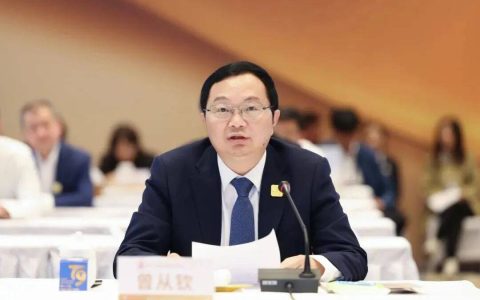
7月19日,甘肃徽县。金徽生态酿酒园的会议室里,第十八次响起同样的议程。
董事长致辞,董事会秘书发布ESG报告,受助学生代表发言。流程和去年没什么两样,和前年也没什么两样。如果非要说有什么不同,就是大屏幕上的数字又跳动了一下:1300万元,这是今年的额度。
算下来,从2009年到现在,1.73亿元出去了,4万多个学生受益了,180多个市县区跑遍了。
18年,一家企业年年往同一个地方砸钱,看不到即时回报,没有销售转化率的考核指标,甚至大部分受助者这辈子都不会成为它的消费者。这种事,在财报上该怎么记?
金徽酒的答案是:照实记,但不把账算得太清楚。
一家企业为什么能坚持做一件事18年?
这个问题值得细想。
2008年汶川地震,金徽酒第一次把目光投向需要帮助的群体。2009年,公司正式将爱心助学确定为年度公益工程。此后的18年,这件事再也没有中断过。
在商业世界,“长期主义”已经被说烂了。大多数企业口中的长期主义,其实是“长期利益主义”——只要算得过来账,可以坚持;一旦算不过来,随时可以放弃。
金徽酒的特殊之处在于,它做了一件“算不过来账”的事,并且一做就是18年。
来看看数据。2025年,金徽酒营业收入29.18亿元,净利润3.54亿元。全年公益捐赠总额1304.18万元。这是一个什么概念?相当于把净利润的3.68%直接拿了出来。在白酒行业普遍承压的2025年,金徽酒营收同比下降3.4%、净利润同比下降8.7%——即便如此,助学投入没有打折。
酒业时报认为,衡量一家企业公益成色的标准,不是顺境时捐了多少,而是逆境时还能不能坚持。金徽酒用18年证明了一件事:公益不只顺境里的锦上添花,更考验企业穿越周期的定力,成为企业长期价值的压舱石。
“笨功夫”才是真功夫
光有坚持的意愿不够,还得有坚持的能力。
金徽酒在助学实践中摸索出了一套打法:线下实地走访、入校调研、逐户核实家庭情况。每一笔资助都要经过全流程核实。
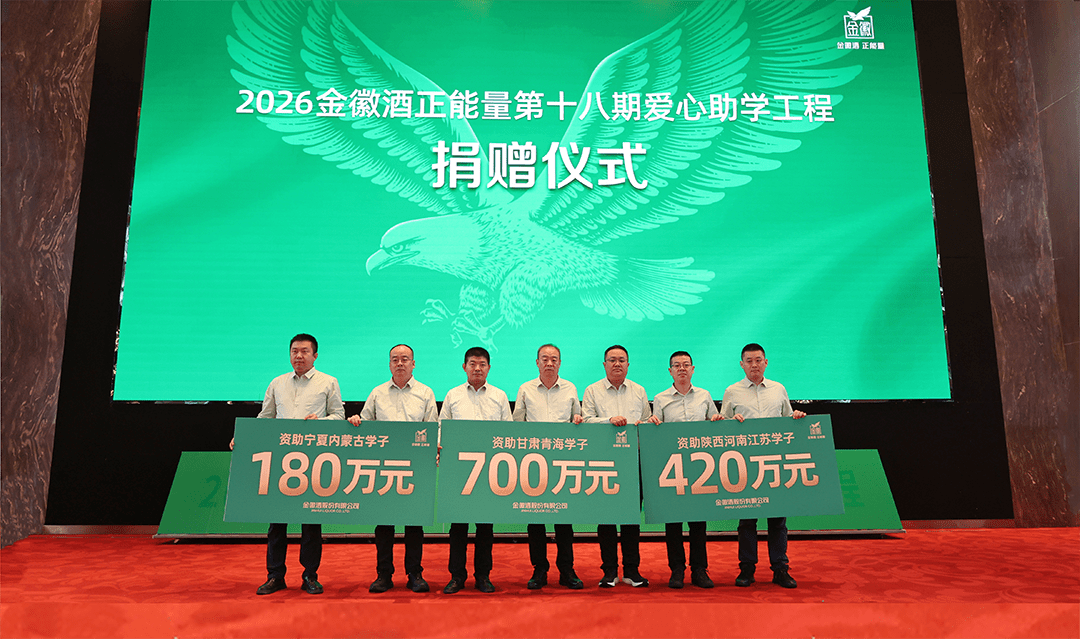
听起来不复杂,但做起来极“笨”。每年7月19日的公益日,金徽酒的分公司和办事处全员下沉,把助学金亲手交到学生手中。这意味着大量的时间、人力和管理成本——而这些成本,在财务报表上是看不到的。
这种“笨功夫”,恰恰是18年公益能够持续积累社会信任的根本原因。
从2021年起,金徽酒将社会责任正式纳入ESG报告体系。公益助学作为“给社会好贡献”的核心内容之一,与就业带动、社区共建、文化传承等议题共同构成企业社会责任的完整框架。2025年,公司在秩鼎ESG评级中位列食品饮料行业第11名。
ESG框架的引入,意味着公益行为从“企业自觉”走向了“治理闭环”——不再是单纯依靠意志推动的善举,而是有制度保障、有绩效评估、有持续改进机制的系统工程。
一个值得注意的细节
在启动仪式上,来自清华大学的受助学生代表胡语萱说了一段话:“金徽酒的资助饱含对我们青年一代成才的殷切盼望,激励我们不畏艰难,勇攀知识的高峰,更是一粒“善”与“责任”的种子,悄然播撒在我们心田。”
这段话如果只读到“感恩”层面,就错过了更重要的信息——公益的真正回报,不是受助者的感谢,而是受助者未来成为施助者。
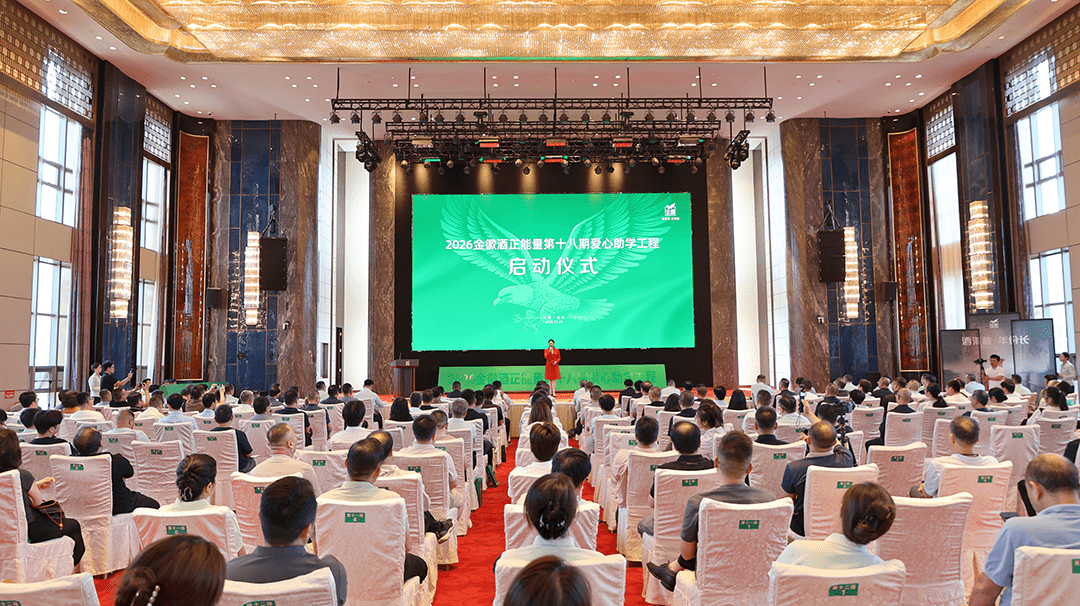
4万余名受助学子,意味着4万多粒种子。这些种子进入大学、进入社会,进入各行各业。他们中的很多人会记住——在自己最困难的时候,有一家酒企没有问“这钱能不能收回成本”,而是直接把钱送到了他们手上。
这种信任的累积,不是任何品牌广告能够替代的。
“五好”不是口号,是框架
在金徽酒的价值体系中,“给顾客酿好酒、给员工好机制、给伙伴好生意、给社会好贡献、给股东好回报”构成了完整的“五好”框架。
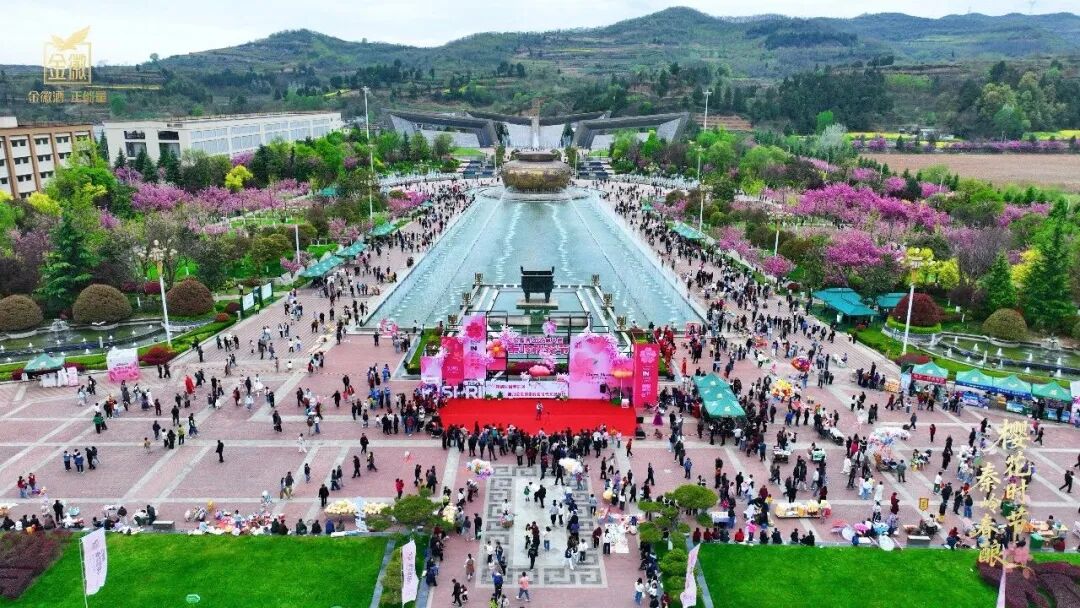
2025年的几个数据值得关注:据企业公开信息,公司直接为社会提供4000多个就业岗位,带动产业链超2万人就业;2025年全年合计现金分红占归母净利润比例高达70%,企业已连续14年现金分红;金徽生态酿酒园打造为4A级免费景区,年接待游客20余万人次。
如果把视角拉宽,会发现白酒行业的公益助学各有各的路数。
茅台的“中国茅台・国之栋梁”同样走过18年,累计捐赠超14亿元,帮助26万余名学子,覆盖31个省区市。规模优势无可争议。
郎酒的“郎助郎・上学堂”走产品认购配捐模式——每认购一组产品配套捐赠5000元。公益与商业深度绑定,逻辑清晰。
今世缘则在区域深耕,2023至2026年投入4000万元设立涟水县高中教育发展基金。
金徽酒的独特之处在于第三条路:不追求规模最大,不绑定商业回报,在自己的七省区市场里,用18年时间把一件“不算账”的事做到了极致。
180多个市县区,每一个都有金徽助学的足迹。这种“扎根式”的公益,与金徽酒“西北王”的市场定位高度吻合——你在哪里卖酒,就在哪里种下信任。
周志刚在启动仪式上说了一句话:“未来,随着公司业绩增长和效益提升,我们将持续扩大爱心助学范围。”
这句话他代表金徽酒说了18年。而且每年都在兑现。
18年、1.73亿元、4万多个名字——这些数字会继续增长。而比数字更重要的,是金徽酒用18年时间回答了一个问题:一家企业为什么要做“看不到回报”的事?
答案可能是:有些账,不是用报表算的。金徽酒用18年时间,把这件事想明白了。
A Company That Has Stuck to One Thing for 18 Years: What Is Jinhui Liquor’s “Unaccountable” Philanthropy?
On July 19, in Huixian County, Gansu Province, the same agenda unfolded once again in the conference room of the Jinhui Ecological Brewing Park.
Chairman’s address, ESG report release by the board secretary, speeches from student representatives. The process looked no different from last year, nor from the year before. If there was anything worth noting, it was the number on the big screen ticking up once more: RMB 13 million – this year’s allocation.
Do the math: from 2009 to now, RMB 173 million has gone out, over 40,000 students have benefited, and more than 180 counties, cities, and districts have been covered.
Eighteen years. A company pouring money into the same cause year after year – no immediate returns, no sales conversion metrics, and most of the recipients will never become its consumers in their lifetimes. How do you record something like that on a balance sheet?
Jinhui Liquor’s answer: record it honestly, but don’t calculate the accounts too carefully.
Part 01
Why Has a Company Been Able to Stick to One Thing for 18 Years?
This question is worth pondering.
In 2008, after the Wenchuan earthquake, Jinhui Liquor turned its attention to those in need for the first time. In 2009, the company formally established its education assistance programme as an annual public welfare initiative. For the next 18 years, this commitment was never broken.
In the business world, “long-termism” has become a cliché. For most companies, it is actually “long-term profitism” – as long as the numbers add up, they can persist; once they don’t, they can walk away at any time.
What makes Jinhui Liquor different is that it has done something that “doesn’t add up” – and has kept doing it for 18 years.
Look at the numbers. In 2025, Jinhui Liquor’s revenue was RMB 2.918 billion, with net profit of RMB 354 million. Total charitable donations for the year amounted to RMB 13.0418 million. What does that mean? It means the company directly allocated 3.68% of its net profit to this cause. In 2025, when the baijiu industry was under widespread pressure, Jinhui Liquor’s revenue fell 3.4% year-on-year and net profit fell 8.7% – yet its education assistance spending was not reduced.
In the view of JiuYe Times, the true measure of a company’s philanthropic commitment is not how much it donates in good times, but whether it can persist in tough times. Over 18 years, Jinhui Liquor has proven one thing: philanthropy is not just about adding glory in prosperous times – it tests a company’s resilience through market cycles and serves as an anchor for long-term enterprise value.
Part 02
“Old-Fashioned Hard Work” Is the Real Craft
The willingness to persist alone is not enough – you also need the capability.
In its education assistance practices, Jinhui Liquor has developed a methodology: on-the-ground visits, school research, door-to-door verification of family circumstances. Every grant goes through a full verification process.
It may not sound complicated, but it is painstaking work. On the annual Charity Day of July 19, all Jinhui Liquor branches and offices go fully operational, personally delivering the grants into the hands of students. This requires substantial time, manpower, and management costs – costs that do not appear on any financial statement.
This “old-fashioned hard work” is precisely the fundamental reason why 18 years of philanthropy have steadily accumulated social trust.
Since 2021, Jinhui Liquor has formally incorporated social responsibility into its ESG reporting system. Its education assistance programme, as a core component of “contributing to society,” sits alongside job creation, community building, and cultural heritage to form a complete framework of corporate social responsibility. In 2025, the company ranked 11th in the food and beverage sector in the Zhiding ESG rating.
The introduction of the ESG framework represents a shift from “corporate conscience” to a “governance loop” – philanthropy is no longer a goodwill gesture driven solely by resolve, but a systematic project backed by institutional safeguards, performance evaluation, and continuous improvement mechanisms.
Part 03
A Detail Worth Noting
At the launch ceremony, Hu Yuxuan, a student representative from Tsinghua University who received support, said: “Jinhui Liquor’s support carries great expectations for the development of our generation, encouraging us to face difficulties bravely and scale the peaks of knowledge. It also plants a seed of ‘goodness’ and ‘responsibility’ quietly in our hearts.”
If you read this only as an expression of gratitude, you miss the bigger picture – the true return on philanthropy is not the recipients’ thanks, but the recipients becoming givers themselves.
More than 40,000 students means more than 40,000 seeds. These seeds enter universities, enter society, and enter all walks of life. Many of them will remember that at their most difficult moment, a liquor company didn’t ask “can this money be recouped?” – it simply placed the money in their hands.
This accumulation of trust cannot be replicated by any brand advertising.
Part 04
The “Five Goods”: Not a Slogan, But a Framework
In Jinhui Liquor’s value system, “good liquor for customers, good mechanisms for employees, good business for partners, good contributions to society, and good returns for shareholders” constitutes a complete “Five Goods” framework.
Several figures from 2025 are worth noting: according to publicly available information, the company directly provides more than 4,000 jobs and supports over 20,000 jobs across the industrial chain; cash dividends for the full year accounted for 70% of net profit attributable to parent company shareholders, marking the 14th consecutive year of cash dividend payouts; and the Jinhui Ecological Brewing Park has been developed as a 4A-rated free scenic area, receiving over 200,000 visitors annually.
Taking a broader view, the baijiu industry’s education assistance programmes take different approaches.
Moutai’s “China Moutai · Pillars of the Nation” programme has also run for 18 years, with cumulative donations exceeding RMB 1.4 billion, helping more than 260,000 students across 31 provinces. Its scale advantage is beyond dispute.
Langjiu’s “Lang Helps Lang · School Bound” programme adopts a product subscription matching model – for each product set subscribed, RMB 5,000 is donated. It offers a clear logic of integrating philanthropy with business.
Jinshiyuan, on the other hand, focuses on regional deep cultivation, investing RMB 40 million from 2023 to 2026 to establish a high school education development fund in Lianshui County.
What makes Jinhui Liquor distinctive is its third path: it does not pursue the largest scale, nor does it tie philanthropy to commercial returns. Within its seven-province market footprint, it has spent 18 years perfecting an approach that “doesn’t calculate the returns.”
Over 180 counties, cities, and districts – each one bears the footprint of Jinhui’s education assistance. This “rooted” approach to philanthropy closely aligns with Jinhui Liquor’s market positioning as the “King of the Northwest” – wherever you sell your liquor, that is where you sow the seeds of trust.
Zhou Zhigang said something at the launch ceremony: “As our company’s performance and efficiency improve, we will continue to expand the scope of our education assistance programme.”
He has said this on behalf of Jinhui Liquor for 18 years. And he has delivered on it every single year.
Eighteen years, RMB 173 million, more than 40,000 names – these numbers will continue to grow. But what matters more than the numbers is that Jinhui Liquor has spent 18 years answering one question: Why should a company do something that yields “no visible returns”?
The answer may be this: some accounts are not calculated on spreadsheets. Jinhui Liquor has spent 18 years figuring that out.
原创文章版权归本网所有;转载文章归原作者所有。发布者:酒业时报,转载请注明出处:https://www.thewinetimes.com/gongsi/11522